Skiing Guides: Gear, Sizing and Skills (2026)
Learn to ski, size your skis and boots, and choose the skis, jackets, pants and accessories that suit your skiing.
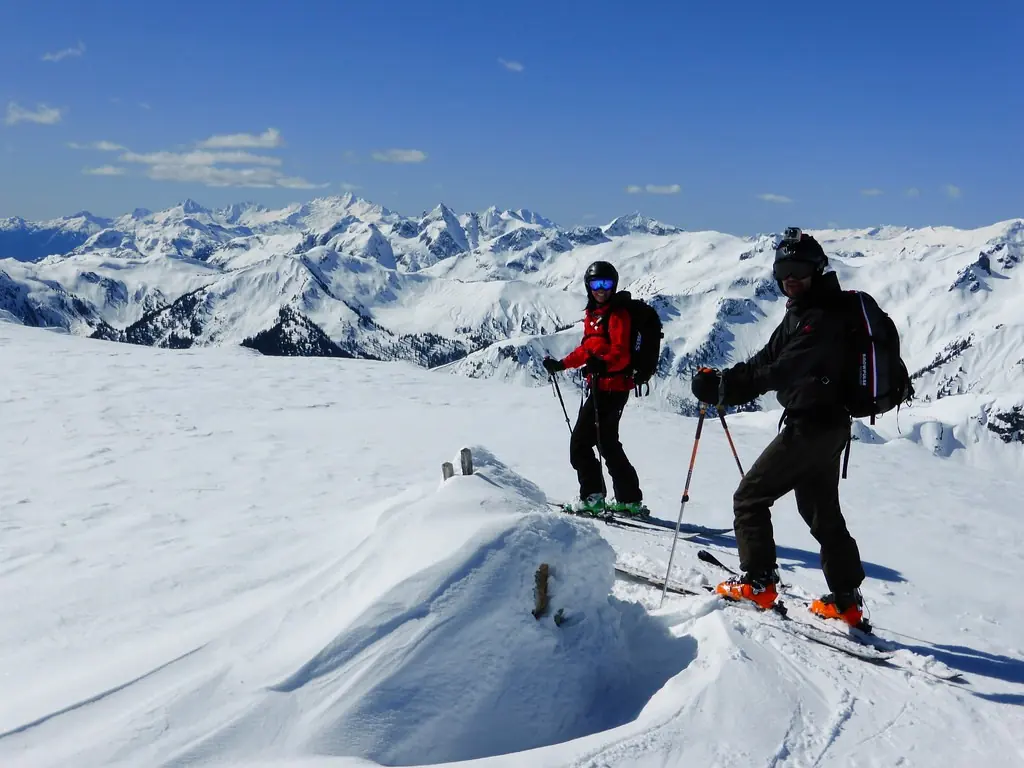
Boots First, Always
Ski boots transfer every movement to the ski, so fit decides comfort and control. Measure your foot length in centimeters for mondopoint sizing, check width and choose a flex that matches your ability and weight. How to choose ski boots walks through the whole fitting process.
| Ability | Typical Flex Range | Feel |
|---|---|---|
| Beginner | Softer flex (often 60–90 for men, 50–70 for women) | Forgiving and comfortable |
| Intermediate | Medium flex (often 90–110 for men, 70–90 for women) | Balanced support |
| Advanced | Stiffer flex (often 110+ for men, 90+ for women) | Precise and powerful |
Flex numbers aren't standardized between brands, so treat these as rough guides.
All Skiing Guides
Buying Guides
26- Buying guideBest Backcountry Skis
- Buying guideBest Cross Country Ski Boots
- Buying guideBest Kids Ski Jackets
- Buying guideBest Ski Bags
- Buying guideBest Ski Boots
- Buying guideBest Ski Machines
- Buying guideBest Ski Socks
- Buying guideBest Womens Skis
- Buying guideBest Cross Country Skis
- Buying guideBest Kids Skis
- Buying guideBest Ski Bindings
- Buying guideBest Ski Boot Bags
- Buying guideBest Ski Jackets
- Buying guideBest Ski Pants
- Buying guideBest Ski Poles
- Buying guideBest Skis
- Buying guideBest Snowboard & Ski Helmets
- Buying guideBest Womens Ski Boots
- Buying guideBest Womens Ski Jackets
- Buying guideBest Avalanche Beacon
- Buying guideBest Boots for Snowshoeing
- Buying guideBest Heated Ski Boots
- Buying guideBest Ski & Snowboard Racks
- Buying guideBest Ski Mittens
- Buying guideBest Snowshoes
- Buying guideGifts for Skiers & Snowboarders
How-To Guides & Explainers
22- How-to & infoAlpine Ski Racing Disciplines
- How-to & infoHow to Wax and Tune Skis
- How-to & infoSki Boot Size Chart
- How-to & infoSki Brands
- How-to & infoSki Trip Packing List
- How-to & infoSki Workout
- How-to & infoFreestyle Skiing
- How-to & infoHistory of Skiing
- How-to & infoHow to Buy Used Skis
- How-to & infoHow to Choose Ski Boots
- How-to & infoHow to Ski
- How-to & infoHow to Ski Powder
- How-to & infoHow to Turn and Stop on Skis
- How-to & infoOlympic Skiing
- How-to & infoSki Blades and Ski Skates
- How-to & infoSki Boot Flex Explained
- How-to & infoSki Mountaineering
- How-to & infoSki Size Chart
- How-to & infoSki Tricks for Beginners
- How-to & infoSkiing Facts
- How-to & infoTypes of Skiing
- How-to & infoWhat to Wear Skiing?
Beyond Boots
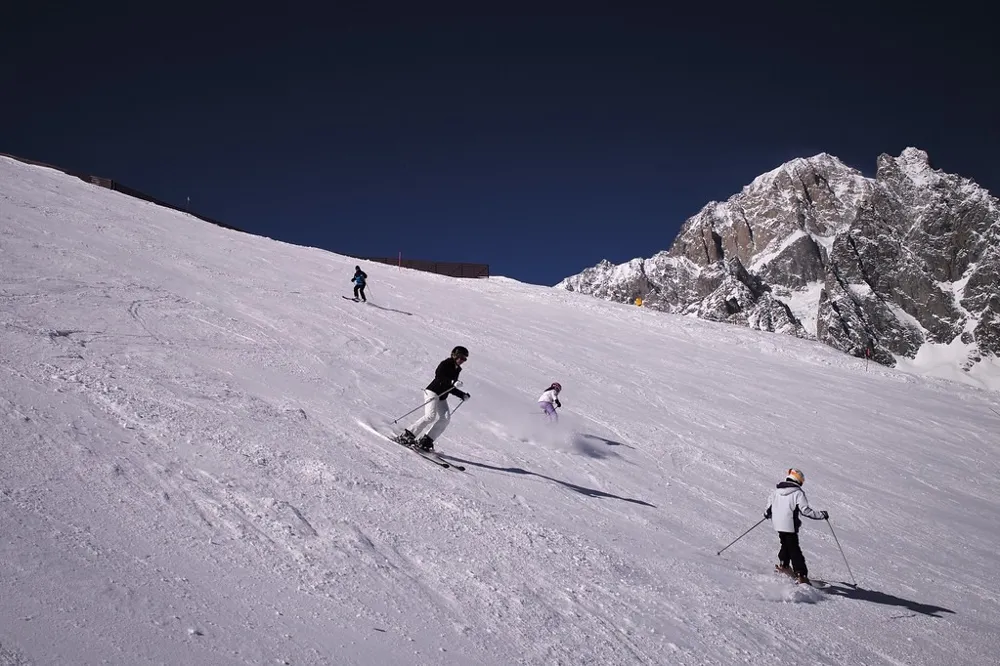
Once boots are sorted, match bindings to your boots and have them set by a qualified technician. Size poles correctly, keep hands warm with mittens and carry gear in a ski boot bag. For colder days, heated ski boots are worth a look. Women-specific boots are covered in women's ski boots.
Skis and Ski Clothing
When you're ready to own skis, start with the ski size chart, then compare the best skis or kids' skis. To stay warm and dry, see ski jackets, women's ski jackets and ski pants and bibs.
Where to Ski
Choose a destination with the best US ski resorts, or go state by state: Colorado, Utah, California and New Mexico. Then use how to plan a ski trip to sort out dates, passes, lodging, travel and lessons. For a single ski town, our guide to skiing in Park City compares Park City Mountain and Deer Valley. No mountain nearby? Our guide to indoor ski slopes covers real-snow domes, dry slopes and ski treadmills.
Cross-Country and Backcountry
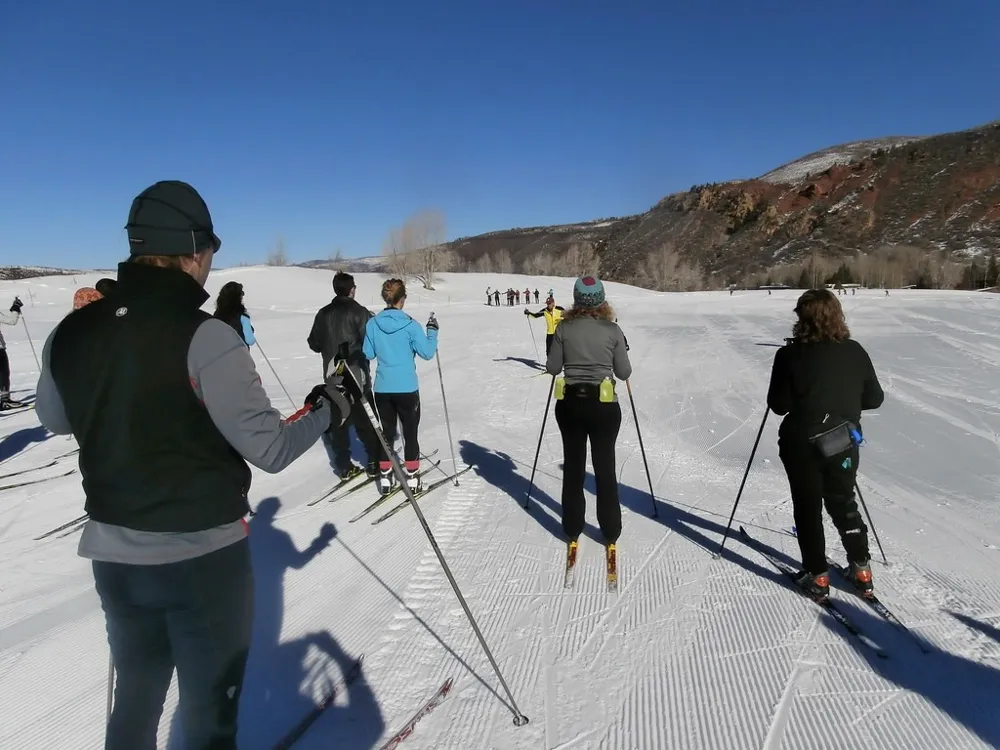
Nordic skiing uses lighter gear and different boots; see cross-country skis and snowshoes for winter trails. Backcountry travel brings avalanche risk and calls for training plus a beacon, shovel and probe. Still choosing between sports? Read skiing vs snowboarding.
Types of Skiing
| Type | What It Involves |
|---|---|
| Resort (alpine) | Lift-served groomed runs; where most people start |
| Freestyle and park | Jumps, rails and halfpipes in terrain parks |
| Freeride | Off-piste and powder within resort boundaries |
| Backcountry touring | Climbing with skins and skiing outside resorts; needs avalanche training |
| Cross-country (Nordic) | Gliding on groomed trails with free-heel bindings |
For more detail on every discipline, see types of skiing.
History, Olympics and Skills
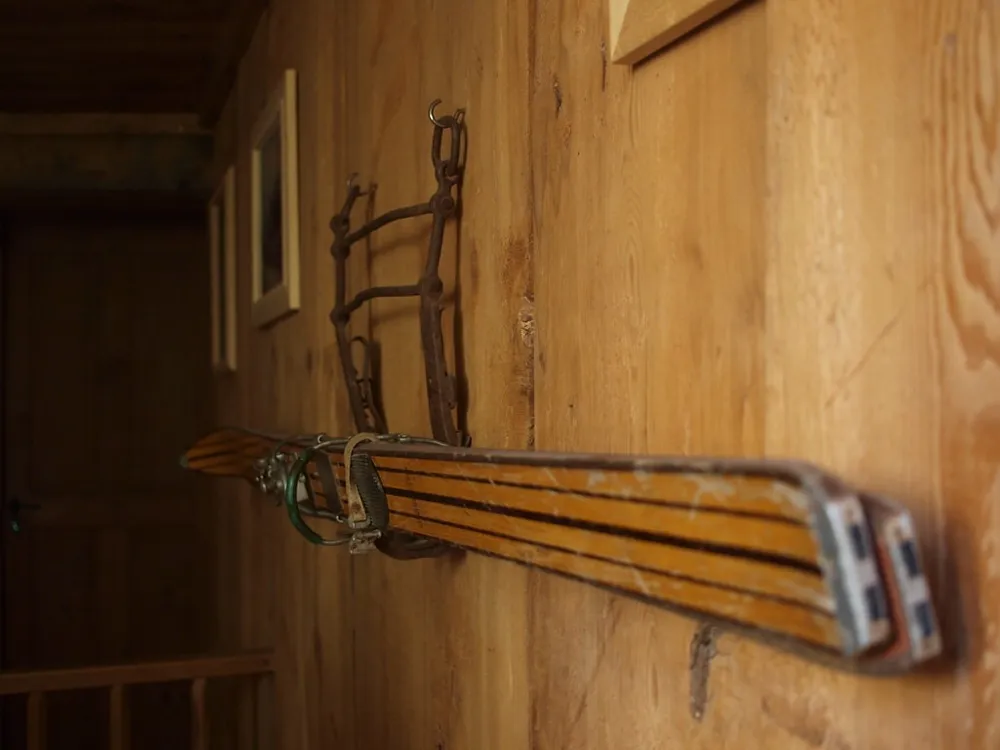
Go deeper with the history of skiing, skiing facts and Olympic skiing, including freestyle skiing and ski mountaineering. Ready to level up? Learn how to ski powder and try ski tricks for beginners.
Your First Ski Day
Our how to ski guide walks through your first day step by step, and how to turn and stop on skis covers the wedge through parallel turns.
- Book a lesson. It's the fastest, safest way to learn turning and stopping.
- Rent skis, boots and poles at first, and focus on a good boot fit.
- Dress in layers (see what to wear skiing) with waterproof outerwear, gloves or mittens, a helmet and goggles.
- Start on beginner terrain, often marked green in North America.
- Learn the wedge (snowplow) to control speed, then link turns.
- Take breaks, drink water and quit while you're still having fun.
Slope Safety and Etiquette
- People below you have the right of way; it's up to you to avoid them.
- Stop only where you're visible from above, not below a ridge or in a narrow spot.
- Look uphill before starting or merging onto a run.
- Stay in control and ski at a speed that matches your skill.
- Obey signs and stay off closed runs.
Most resorts post a responsibility code; read it before your first run.
Frequently Asked Questions
How should ski boots fit?
Snugly. Your toes should lightly touch the front when standing upright and pull back slightly when you flex forward into a skiing stance. Your heel should stay down without lifting. Boots that feel comfortable in the shop are often too big once the liner packs out.
What flex ski boot do I need?
Softer flex suits beginners and lighter skiers, while stiffer flex suits advanced and heavier skiers who drive the ski hard. Flex numbers vary between brands, so use them as a guide.
What is mondopoint sizing?
Mondopoint is the ski boot sizing system based on foot length in centimeters. A 27.5 mondopoint boot suits a foot about 27.5 cm long.
Should I take ski lessons?
Yes, especially as a beginner. A lesson teaches speed control and turning safely, and many resorts offer beginner packages with rentals and a lift ticket.
What do I need for my first ski trip?
Skis, boots, poles and a helmet (all rentable), waterproof jacket and pants, base layers, ski socks, gloves or mittens and goggles.