Best Ski Travel Bags to Get Your Skis There Safely (2026)
Wheeled double bags, padded sleeves and hard cases from Dakine, Thule, Atomic, Db and Sportube, plus how to size, pack and check a ski bag.

Which Ski Bag Do You Need?
A ski bag protects your skis from scratches and dents, protects everything else from sharp edges, and makes carrying skis, poles and often boots far easier. The right bag depends on how you travel:
- Flying with one or two pairs: a padded wheeled roller, usually a double bag with room for boots and clothes.
- Road trips and storage: a light ski sleeve with a shoulder strap.
- Maximum protection or shipping: a hard case.
Our picks cover each type. If you ride, see our snowboard bags guide, and for boots, our ski boot bags guide.
Dakine Fall Line Ski Roller Bag
Best for most flyers
- Two pairs of skis plus boots
- 360° padding, 9 cm wheels
- 175 or 190 cm
Thule RoundTrip Ski Roller
Best organized double roller
- Two pairs up to 192 cm
- Padded sleeves and divider
- Lockable YKK zippers
Atomic Ski Sleeve
Best simple sleeve
- One pair plus poles
- Roll-top adjusts length
- About 415 g
Ski Bags Compared
| Bag | Type | Capacity | Max Ski Length | Listed Weight |
|---|---|---|---|---|
| Dakine Fall Line | Padded roller | 2 pairs, boots, poles | 175 or 190 cm | About 6.3–6.5 lb |
| Thule RoundTrip Ski Roller | Padded roller | 2 pairs, poles | 192 cm | 8 lb |
| Atomic Ski Sleeve | Sleeve | 1 pair, poles | 205 cm (roll-top) | About 0.9 lb |
| Dakine Boundary | Padded roller | 2 pairs, boots, poles, outerwear | 185 or 200 cm | About 8.1–8.4 lb |
| Db Snow Roller 70L | Packable roller | 2 pairs (listed) | Length-adjustable | About 6 lb |
| Sportube Series 2 | Hard case | 2 pairs, poles | 122–207 cm (telescoping) | About 11.8 lb |
| Dakine Ski Sleeve | Sleeve | 1 pair | 175 or 190 cm | About 1.4 lb |
Specs are from the makers' and retailers' listings. Check the size chart for your exact ski length before you buy.
The Best Ski Bags
1. Dakine Fall Line Ski Roller Bag
A padded double roller that holds up to two pairs of skis, one pair of boots, poles and outerwear. Dakine lists 360° padded, tarp-lined protection, oversized 9 cm urethane wheels, a removable boot bag, interior anchor straps to stop skis shifting, a lockable YKK #10 main zipper and an end handle that pairs with rolling luggage. It comes in 175 and 190 cm sizes, weighs about 6.3–6.5 lb, and the body is recycled polyester.
Good to Know
- Boots and skis in one checked item
- Light for a padded roller
- Packs down for storage
Watch Out For
- 190 cm is the longest size
- Easy to overpack past 50 lb
2. Thule RoundTrip Ski Roller (192 cm)
Thule's roller carries two pairs of alpine skis up to 192 cm plus poles in padded, cinch-top ski sleeves, with a removable padded divider that doubles as a standing pad. It has internal and external compression straps, reinforced ends, grab handles on the ends, top and side, internal zipped pockets, and an S-shaped YKK zipper that wraps around the bag and can be locked. The fabric is bluesign-approved 600D polyester, and it weighs 8 lb.
Good to Know
- Separate sleeves keep pairs from rubbing
- Lots of handles for loading
- Lockable zippers (lock not included)
Watch Out For
- One length only
- Premium price tier
3. Atomic Ski Sleeve
A simple, light sleeve for one pair of skis and poles, 205 cm long with a roll-top closure that shortens it to fit shorter skis. The shell is 500D polyester with a PU coating (PVC-free) and it weighs about 415 g, with an adjustable padded shoulder strap. It's ideal for car trips, shuttles and storage. For flights, pack clothing around the bindings or choose a padded roller.
Good to Know
- Budget price tier
- Fits most ski lengths
- Very light
Watch Out For
- Minimal protection for checked baggage
- No wheels
4. Dakine Boundary Ski Roller Bag
Dakine's larger roller fits two pairs of skis, one pair of boots, poles and outerwear, with a removable boot bag and a removable outerwear bag, two exterior zippered pockets, an ID pocket, 360° padding and 9 cm urethane wheels. It comes in 185 and 200 cm sizes, so it suits long freeride skis that won't fit a 190 cm bag. It weighs about 8.1–8.4 lb.
Good to Know
- Longest size of the Dakine rollers
- Best organization
Watch Out For
- Heavier, which eats into your weight limit
- Premium price tier
5. Db Snow Roller 70L
A packable roller built around length-adjustable construction and foam padding inserts. Db lists capacity for two pairs of skis and a claimed weight of about 6 lb, and the bag compresses small when empty, which helps if you're short on storage at home or in a rental. Treeline Review found its padding lighter than heavier rollers and two pairs a tight fit, so it suits one pair plus boots and clothes best.
Good to Know
- Adjusts to your ski length
- Stores very small
Watch Out For
- Lighter padding
- No exterior pockets
6. Sportube Series 2
A hard-shell, telescoping case in high-density polyethylene that adjusts from 122 to 207 cm and holds two pairs of alpine skis with poles. It rolls on rubber wheels with steel bearings and weighs about 11.8 lb empty. A hard case gives the most crush protection and is a common choice for shipping skis, but there's no room for boots, and it's bulky to store.
Good to Know
- Maximum protection
- Fits a wide range of ski lengths
Watch Out For
- Heaviest option
- No space for boots or pockets
7. Dakine Ski Sleeve
A basic single-pair sleeve in recycled 600D polyester, listed in 175 and 190 cm lengths and about 1.4 lb. It keeps skis tidy and edges covered on road trips, in the car and in storage.
Check Price on AmazonTypes of Ski Bags

| Type | What It Is | Best For | Trade-Offs |
|---|---|---|---|
| Ski sleeve | Thin or lightly padded tube, shoulder strap | Cars, shuttles, storage | Little protection when checked |
| Padded single bag | Foam-padded bag for one pair | Solo flyers who carry boots separately | No wheels on many models |
| Wheeled roller | Padded bag with wheels at one end | Airports, long walks, heavy loads | Heavier and pricier |
| Double bag | Fits two pairs, often with boot space | Couples, families, two-ski quivers | Easy to go over weight limits |
| Combo bag set | Ski bag plus matching boot bag | Beginners buying both at once | Budget sets often have thin padding |
| Hard case | Rigid plastic shell | Shipping, fragile or expensive skis | Heavy, bulky, no boot room |
For most people who fly to ski once or twice a season, a padded wheeled double bag is the most practical choice, even with one pair: the extra room holds boots, a helmet and outerwear as padding, all in one checked item on many airlines.
How to Choose a Ski Bag
- Length: match the bag to your longest skis (see the size guide below). Adjustable or roll-top bags handle several lengths.
- Capacity: decide how many pairs you'll carry and whether boots go in the same bag or a separate boot bag.
- Padding: for flying, choose full or 360° padding, ideally with extra protection around bindings and tips.
- Wheels: worth it for airports and train stations; skip them if you mostly carry skis up stairs or in a car.
- Fabric: heavier denier polyester or nylon with a waterproof coating or tarp lining resists tears and wet roads.
- Straps and handles: internal straps stop skis sliding; external compression straps tighten a half-full bag; handles at both ends and the middle make loading easier.
- Zippers: long, wrap-around or U-shaped zippers make packing easier; lockable sliders help with TSA-approved locks.
- Bag weight: every pound of bag is a pound less gear under a 50 lb limit.
Ski Bag Size Guide
Choose a bag a few centimeters longer than your skis, ideally no more than about 15 cm longer. Extra length lets skis slide and hit the end of the bag; too little and the zipper won't close. If you carry two pairs, size the bag for the longer pair. As a rough guide:
| Your Longest Skis | Bag Length to Look For |
|---|---|
| Up to about 165 cm | 170–175 cm |
| 166–180 cm | 185–190 cm |
| 181–192 cm | 192–200 cm |
| Over 192 cm | 200 cm or longer, or an adjustable bag |
Not sure how long your skis are? The length is usually printed on the ski's topsheet or sidewall; our ski size chart explains how ski length is chosen.
Airline Rules for Ski Bags
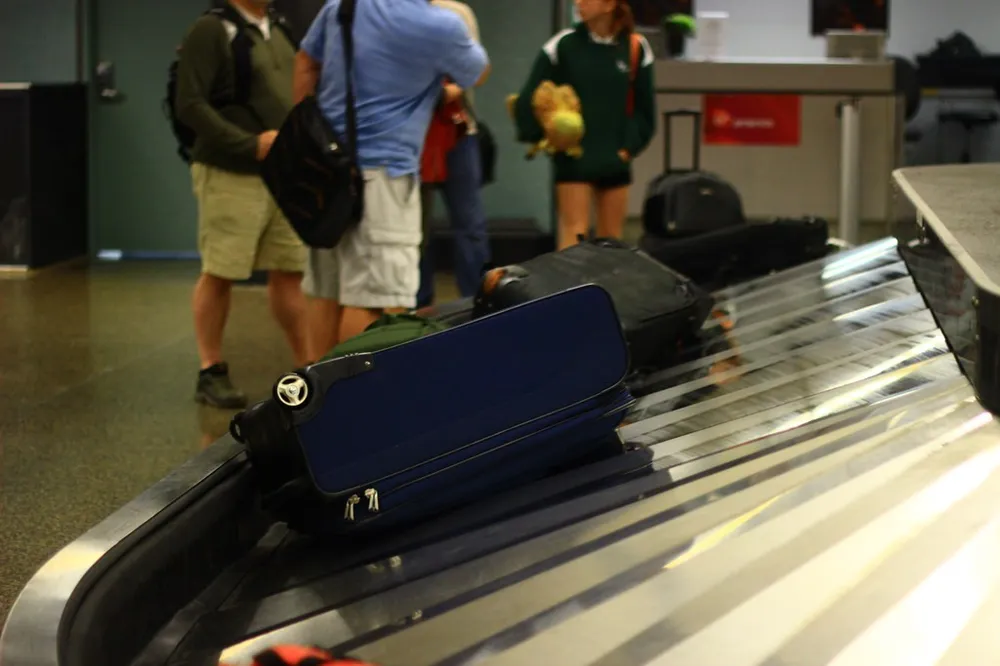
Most US airlines treat one ski bag plus one boot bag as a single checked item, charged like a normal checked bag as long as the set stays under a weight limit, usually 50 lb (23 kg). The details vary, and they change, so always check your airline's own page before you fly. Fees depend on your fare, status and credit card, so we don't list them here.
| Airline | What Counts as One Item | Weight and Other Notes |
|---|---|---|
| Alaska Airlines | One pair of skis with poles (or one snowboard) plus one boot/helmet bag | If the boot bag also holds clothing or other items, standard bag fees apply to it; Alaska says it waives oversize and overweight fees for ski equipment |
| American Airlines | One pair of skis (or one snowboard) and one equipment bag | Standard fees up to 50 lb and 126 in; overweight fee from 51 to 70 lb; an equipment bag over 50 lb and 62 in is charged as a separate bag; no lighters or torches for wax |
| Delta Air Lines | One ski/pole bag or snowboard bag, plus one boot bag per person | Excess-weight fee if the combined weight is over 50 lb; items over 115 linear inches are not accepted; gear must be in a protective case made for it |
| United Airlines | Ski bag and boot bag count as one checked bag (reported) | Overweight fees if the set is over 50 lb |
| Southwest Airlines | Up to two bags with skis, poles and boots count as one item (reported) | Overweight fees above 50 lb combined |
| JetBlue | Skis, poles and boots count as one bag; boots must be in a boot bag (reported) | Overweight fees above 50 lb combined |
Alaska, American and Delta rules are from each airline's sporting equipment page; United, Southwest and JetBlue are as reported by AwardWallet in 2026. Last checked November 2026. Low-cost and international airlines often charge a separate sports equipment fee, so check before you book. TSA does not allow ski poles in carry-on bags, so they must be checked.
How to Pack a Ski Bag for a Flight
- Photograph your gear before packing, in case you need to file a damage claim.
- Strap the skis together base to base with ski straps, and secure the brakes with a strap or brake retainers so they don't snag the bag.
- Pad the bindings and tips with soft clothing: jackets, pants and fleece fill gaps and stop the skis moving.
- Lay poles alongside the skis and strap them in so baskets don't punch through the fabric.
- Keep heavy or hard items out of the ski bag unless it's designed for them. Helmets travel better in a boot bag.
- Weigh the bag with a luggage scale. Double bags packed with boots and clothes can reach 50 lb quickly.
- Tighten compression straps, lock or clip the zippers if you like, and add a luggage tag with your phone number inside and out.
- Remove old airline tags so the bag isn't misrouted.
Leave lighters and torches at home (American Airlines specifically bans those used for ski wax), and check your airline's rules before packing a waxing and tuning kit or other tools.
If Your Skis Arrive Damaged or Late
Open the bag at baggage claim or the oversize belt before you leave the airport. If anything is damaged or missing, report it at the airline's baggage office straight away and get a written report or file reference, then follow the airline's claim process. Keep your photos, receipts and bag tags. Policies on sporting equipment differ; Delta, for example, requires it to be packed in a protective case designed for the equipment, which is one more reason to use a proper padded bag. If skis are delayed, ask the airline what it covers for rentals while you wait, and keep the receipts.
Ski Boots: Carry On or Check?
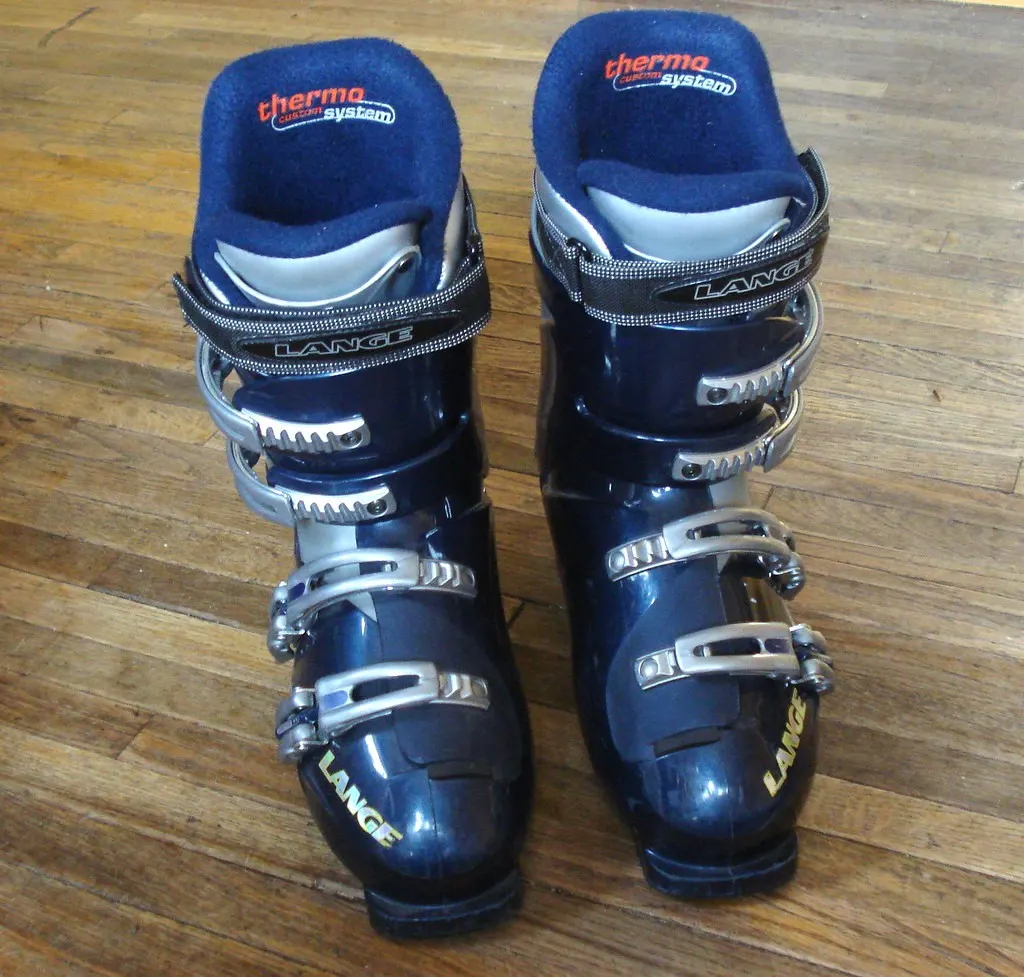
Many skiers carry their boots on board. Skis can be rented anywhere, but boots that fit your feet, especially with custom liners or footbeds, are hard to replace if a bag goes missing. A boot backpack such as the Thule RoundTrip boot backpack or Athalon Everything Boot Bag holds boots, helmet, goggles and gloves, and many fit within carry-on size limits; check your airline's dimensions. Wear or carry your boots, and check the ski bag with clothing as padding.
Alternatives: Renting, Shipping and Driving
You don't always have to fly with skis. Renting or demoing at the resort saves baggage hassle and lets you try new skis, while still bringing your own boots. Shipping skis ahead with a luggage-shipping service or a parcel carrier avoids airport handling; a hard case or well-padded bag is wise, and timing and cost vary by route. For road trips, a sleeve is enough inside the car, or carry skis outside on a ski and snowboard rack.
Caring for and Storing Your Ski Bag
After a trip, empty the bag fully and let it dry open, since melted snow and wet clothing can cause mildew and rust edges. Brush grit out of zippers and wipe the wheels. Store it in a dry place, rolled or flat as the maker suggests. Between seasons, it's a good place to store skis once they're cleaned and waxed, with the edges dry to prevent rust. For the rest of your trip prep, see our ski trip packing list and how to plan a ski trip.
Frequently Asked Questions
Does a ski bag count as a checked bag?
On most US airlines, one ski bag plus one boot bag counts as a single checked bag, subject to a combined weight limit (often 50 lb). Rules vary by airline and fare, so check your airline's sporting equipment page before you fly.
What size ski bag do I need?
Choose a bag a few centimeters longer than your longest skis, ideally no more than about 15 cm longer. Too long and the skis slide around; too short and they won't fit at all.
Do I need a padded ski bag for flying?
Yes. Checked bags are stacked and thrown, and a padded bag protects edges, tips and bindings far better than an unpadded sleeve. Unpadded sleeves are fine for car trips and storage.
Can I put clothes in my ski bag?
Usually yes, and jackets and pants make good padding around bindings. Some airlines limit what may go in a ski bag or charge a normal bag fee if the boot bag contains clothing, so read the policy and watch the weight limit.
Can I carry ski poles on a plane?
No. TSA does not allow ski poles in carry-on bags, so pack them in your checked ski bag.
Should I carry on my ski boots?
Many skiers do, because boots fitted to your feet are the hardest gear to replace if a bag is delayed. A boot backpack sized for carry-on makes this easier; check your airline's carry-on size limit.
Is a hard ski case better than a soft bag?
A hard case gives the most crush protection and suits shipping or rough handling. Soft padded bags are lighter, easier to store and can hold boots and clothes, so most travelers choose a soft roller.