Biking Guides: Mountain, BMX and Beyond (2026)
Choose the right bike for your terrain, size it properly, carry it to the trail and keep training through winter.
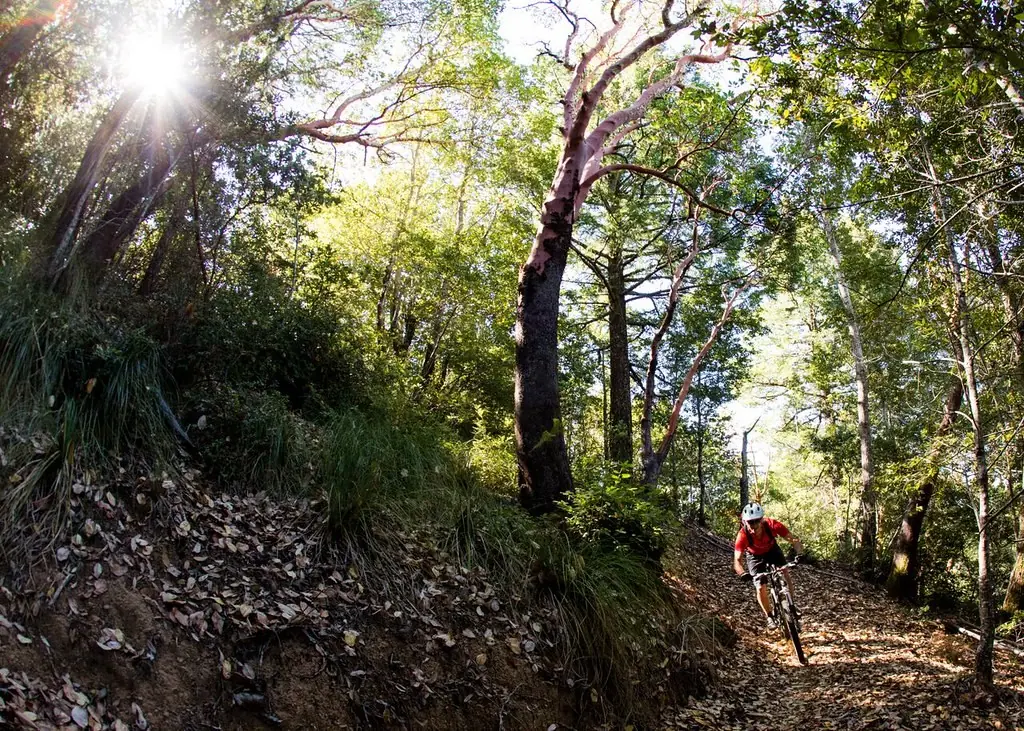
Match the Bike to the Riding
Most buying regrets come from choosing a bike for the riding you imagine rather than the riding you'll do. Start with terrain, then budget, then fit.
| Bike | Built For | Key Choice | Start Here |
|---|---|---|---|
| Hardtail mountain bike | Trails, gravel, all-round off-road | Fork travel, wheel size | Hardtail MTBs |
| Full-suspension mountain bike | Rough, rooty, rocky trails | Travel and intended use | Full-suspension MTBs |
| Electric mountain bike | Longer climbs, more trail time | Motor class, battery, weight | E-MTBs |
| BMX | Parks, street, dirt jumps, racing | Freestyle or race, frame size | BMX bikes |
| Road, gravel or cyclocross | Pavement and mixed surfaces | Tire clearance, gearing | Gravel bikes |
| Cruiser or single-speed | Easy rides and city errands | Comfort, simplicity | Cruiser bikes |
Comparing families? Mountain bike vs road bike and BMX vs mountain bike set them side by side.
Browse Every Biking Guide
- Buying guideBest Hardtail Mountain Bikes
- Buying guideBest Mountain Bike Helmets
- Buying guideBest Mountain Bike Pedals
- Buying guideBest Mountain Bike Shoes
- Buying guideBest Mountain Bike Tires
- Buying guideBest BMX Bikes
Road, Gravel & Everyday Riding
8 guides- Buying guideBest Bike Panniers
- Buying guideBest Cruiser Bikes
- Buying guideBest Cyclocross Bikes
- Buying guideBest Electric Bikes
- Buying guideBest Gravel Bikes
- Buying guideBest Single Speed Bikes
- How-to & infoBike Buying Guide
- ComparisonTrek vs Specialized
Bike Racks
2 guides- Buying guideBest Garage Bike Racks
- Buying guideBest Hitch Bike Rack
Indoor Trainers
1 guide- Buying guideBest Bike Trainer
Get the Size Right
Frame size affects comfort, control and injury risk more than almost any component. Brands size frames differently, so treat any chart as a starting point and check the maker's geometry. Use the mountain bike size chart for MTBs and the BMX size chart for BMX, where top tube length matters more than wheel size.
Essential Gear for New Riders
- Helmet. Bike helmets sold in the US must meet the CPSC safety standard. Trail riders can choose a half-shell or step up to a full-face helmet for downhill and bike parks. Start with mountain bike helmets.
- Gloves and pads. Full-finger gloves improve grip and protect hands in a fall. Knee pads are worth it on technical trails.
- Pedals and shoes. Flat pedals with grippy shoes are the easiest way to start. See mountain bike pedals and mountain bike shoes.
- Trailside repair kit. Carry a pump, spare tube or plug kit and a multi-tool. Check tire pressure before every ride.
Getting Bikes to the Trail
The best rack depends on your vehicle and how many bikes you carry. Hitch platform racks are the easiest to load and the most popular choice for regular riders, covered in hitch bike racks. Cars without a hitch can use trunk racks or roof racks. Pickups suit truck bed racks, and heavy e-bikes need a rack rated for their weight, covered in e-bike racks. At home, garage bike racks free up floor space.
Riding Through the Off-Season
An indoor trainer keeps your fitness through winter and bad weather. Wheel-on trainers are the budget entry point, while direct-drive and smart trainers feel more realistic and connect to training apps. Compare them in bike trainers, smart bike trainers and direct drive vs wheel-on.
Learn the Skills
Confidence on the trail comes from a handful of skills: body position, braking, cornering and lifting the front wheel. Start with how to bunny hop and how to manual. Keep the bike running with brake adjustment and chain cleaning.
Frequently Asked Questions
What type of bike should a beginner buy?
Buy for the riding you'll actually do most. Paved paths and commuting suit a hybrid, cruiser or road bike. Dirt trails suit a hardtail mountain bike. Skateparks and pump tracks suit a BMX. Our bike buying guide walks through each option.
Is a hardtail or full-suspension mountain bike better for beginners?
A hardtail is usually lighter, simpler and cheaper to maintain, which suits many beginners on smooth to moderate trails. Full suspension adds comfort and control on rough, technical terrain. See our hardtail vs full suspension comparison.
Which bike rack is best for my car?
Hitch racks are the easiest to load and suit vehicles with a receiver hitch. Trunk racks fit many cars without a hitch. Roof racks keep the rear clear but need a roof bar system. Truck owners can use tailgate pads or bed-mount racks.