Best Gravel Bikes for Roads, Trails and Everything Between (2026)
The gravel bikes worth test riding from major brands, how gravel bikes compare with mountain and road bikes, and what to look for.
Why Gravel Bikes Are So Popular
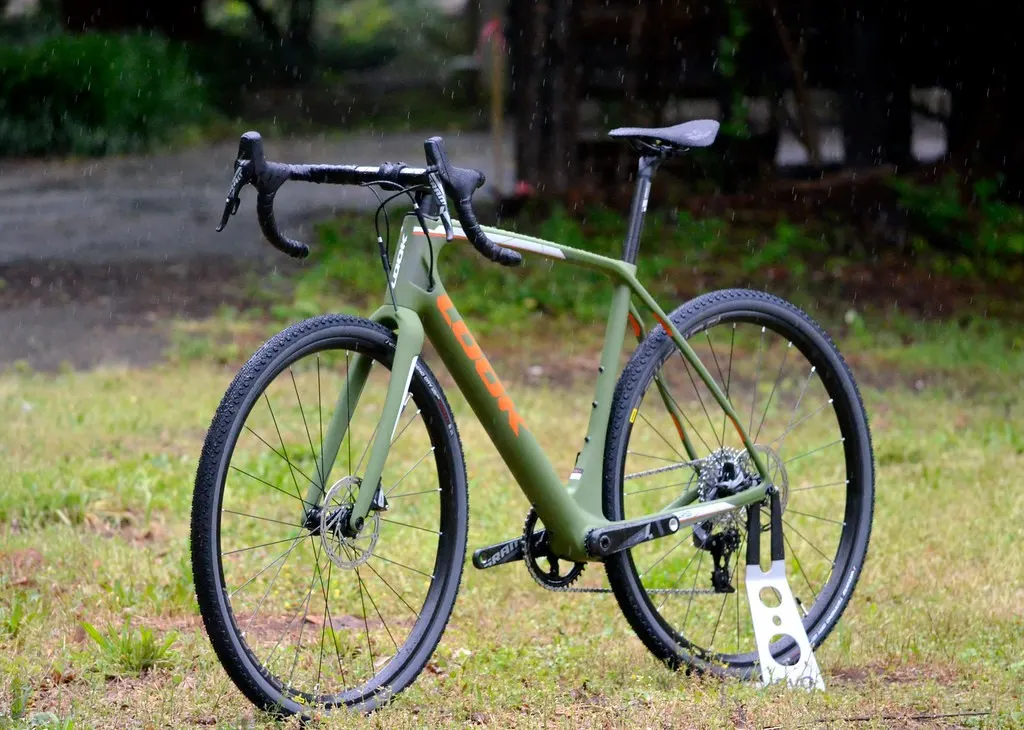
Gravel bikes are the do-it-all bikes of modern cycling. They take the drop handlebars and efficiency of a road bike, add wider tires, more stable handling and plenty of mounts, and become comfortable on pavement, gravel roads, canal paths and smooth dirt trails. One bike can commute during the week, explore back roads at the weekend and load up for a bikepacking trip. Like most performance bikes, the best gravel bikes are sold through bike shops and brand websites, so this guide focuses on the models worth test riding.
Gravel Bikes Worth Knowing
| Bike | Frame Options | Why It Stands Out |
|---|---|---|
| Canyon Grail | Aluminum and carbon | Direct-to-consumer value, wide range of builds |
| Cannondale Topstone | Aluminum and carbon | Popular all-rounder; some versions add rear suspension |
| Specialized Diverge | Aluminum and carbon | Future Shock front suspension for comfort |
| Trek Checkpoint | Aluminum and carbon | Built for long rides with lots of mounts |
| Giant Revolt | Aluminum and carbon | Widely available through Giant's dealer network |
| Salsa Warbird and Journeyer | Various | Adventure and bikepacking-focused gravel brand |
| Marin Gestalt | Aluminum | Affordable, versatile entry gravel bike |
| Kona Rove | Steel and aluminum | Durable, adventure-ready |
Model names, builds and prices change each year. Check each brand's current range.
The Bikes in More Detail
Canyon Grail
Canyon sells direct to consumers, which often means more components for the money. The Grail comes in aluminum and carbon versions, with builds for racing, adventure and everyday riding. Buying direct means home assembly and online support rather than a local dealer.
Cannondale Topstone
The Topstone is one of the most popular gravel bikes. The aluminum versions are known for value, while some carbon versions use a small amount of rear suspension built into the frame for comfort on rough roads.
Specialized Diverge
The Diverge uses Specialized's Future Shock, a small suspension system in the head tube that takes the sting out of washboard gravel. It comes in aluminum and carbon builds and has generous tire clearance.
Trek Checkpoint
Trek's Checkpoint is built for long days and bikepacking, with lots of mounts for bags, racks and fenders and stable handling. It comes in aluminum and carbon versions.
Giant Revolt
The Revolt is Giant's main gravel bike, with aluminum and carbon versions. Giant's large dealer network makes test rides and servicing easy.
Salsa Warbird and Journeyer
Salsa is an adventure-focused brand. The Warbird is aimed at fast gravel riding and racing, while the Journeyer is built for touring and bikepacking.
Marin Gestalt and Kona Rove
Both are affordable, versatile gravel bikes from brands with mountain bike roots. They're good options for first-time gravel riders who want a durable bike for commuting and weekend adventures.
Gravel vs Mountain vs Road Bike
| Road Bike | Gravel Bike | Mountain Bike | |
|---|---|---|---|
| Handlebars | Drop | Drop, often flared | Flat or riser |
| Tire width | About 25–32mm | About 38–50mm | About 2.2–2.6 inches |
| Suspension | None | Usually none, some light suspension | Front or full |
| Best terrain | Pavement | Pavement, gravel, light trails | Technical trails |
| Speed on pavement | Fastest | Fast | Slower |
Thinking about a mountain bike instead? See mountain bike vs road bike and types of mountain bikes.
How to Choose a Gravel Bike
Frame Material
Aluminum offers the best value and is tough enough for daily use. Carbon is lighter and can be more comfortable. Steel and titanium are durable and comfortable, popular for touring and bikepacking.
Tire Clearance
Look for clearance for at least 40mm tires, and more if you'll ride rough gravel or want to fit 650b wheels with wide tires. More clearance gives you more options later.
Gearing
Gravel bikes need low gears for steep, loose climbs. 1x drivetrains are simple and popular; 2x drivetrains give closer gear steps for road riding. Look for a wide range if you'll carry luggage.
Brakes
Disc brakes are standard. Hydraulic discs offer the best power and control; mechanical discs are cheaper and easy to fix on the road.
Mounts
Count the bottle mounts and check for rack, fender and top tube bag mounts if you plan to commute or bikepack. See bike panniers.
Geometry
Race-focused gravel bikes are lower and longer for speed; adventure models are more upright and stable for long days. Test ride to find what suits you.
Gravel Riding Tips
- Run lower tire pressure than on the road for grip and comfort; tubeless setups help prevent pinch flats.
- Carry a pump, spare tube, tire plugs and a multi-tool.
- Stay relaxed on loose surfaces and let the bike move under you.
- Plan water and food stops; gravel routes can be remote.
More Bike Guides
Into racing? Compare cyclocross bikes. Not sure which bike type you need? Read the bike buying guide or compare brands with Trek vs Specialized. New to road-style bikes? See entry-level road bikes.
Frequently Asked Questions
What is a gravel bike?
A gravel bike is a drop-bar bike designed for mixed surfaces: pavement, gravel roads, dirt paths and light trails. It has wider tires than a road bike, more stable geometry and mounts for bags, racks and fenders.
Gravel bike vs mountain bike: which should I get?
Choose a gravel bike for speed and efficiency on roads and gravel, with occasional light trails. Choose a mountain bike for rough, technical singletrack, steep descents and rocky terrain, where suspension and wide knobby tires matter.
Can a gravel bike be used on the road?
Yes. Gravel bikes are a little slower than road bikes on pavement because of their wider tires, but swapping to slicker tires makes them quick, comfortable road bikes.
What tire width is best for a gravel bike?
Around 40mm to 45mm suits most mixed riding. Narrower tires roll faster on pavement and smooth gravel; wider tires, 45mm to 50mm and up, add comfort and grip on rough surfaces. Check your frame's clearance.
Are aluminum gravel bikes good?
Yes. Aluminum gravel bikes offer excellent value and durability. Carbon frames are lighter and can be more comfortable but cost more.
Do gravel bikes need suspension?
Most don't. Wide tires at lower pressure provide plenty of comfort. Some gravel bikes add a short-travel suspension fork or a compliant frame design for rough routes.