BMX Guides: Bikes, Sizing and First Tricks (2026)
What BMX means, which bike suits park, street or racing, and how to size it for kids and adults.
Freestyle or Race?
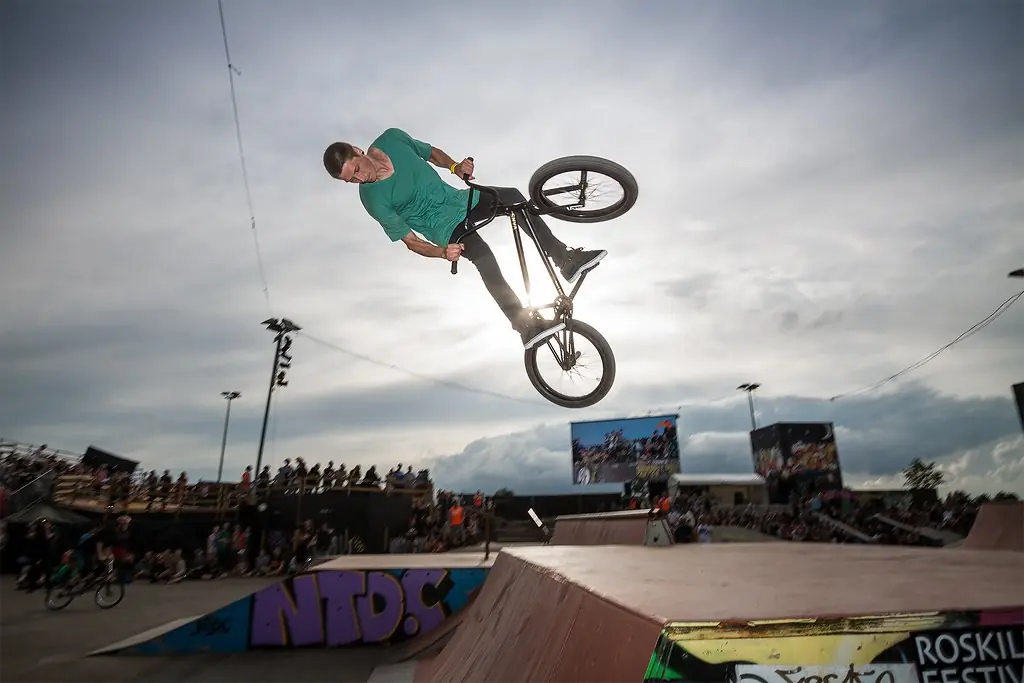
BMX bikes look alike, but they're built for different jobs. Freestyle bikes are strong and maneuverable for parks, street and dirt jumps. Race bikes are lighter, with geometry made for sprinting around a track. What does BMX stand for? covers the sport's roots, and what is BMX racing? explains the race format.
| Freestyle BMX | Race BMX | |
|---|---|---|
| Riding | Skatepark, street, dirt jumps | BMX tracks with gate starts |
| Build | Heavier, stronger parts | Lighter frame and wheels |
| Extras | Pegs, gyro brakes on some bikes | Clipless pedals common |
| Guide | BMX bikes | Race BMX bikes |
All BMX Guides
Buying Guides
1- Buying guideBest BMX Bikes
Size It by Top Tube
For 20-inch BMX bikes, frame size is described by top tube length, not wheel size. Kids' bikes use smaller wheels. Use the BMX bike size chart, and see kids' BMX bikes for younger riders.
First Tricks and Skills
Start with balance and control: track stands, pumping and manuals. Then add bunny hops and small jumps. BMX tricks for beginners lays out a progression, and BMX pegs explains when pegs help. Wondering whether BMX is right for you? Compare it with mountain biking and skateboarding.
Frequently Asked Questions
What does BMX stand for?
BMX stands for bicycle motocross. The sport grew from kids racing bikes on dirt tracks styled after motocross courses. Our guide covers the full history.
What size BMX should an adult ride?
Most adults ride a 20-inch BMX and choose the frame by top tube length, which roughly tracks rider height. Larger 24-inch and 26-inch BMX-style bikes suit taller riders who want a cruiser feel. See the BMX size chart.
Is BMX good for beginners?
Yes. BMX bikes are simple, tough and well suited to learning bike handling. Start with balance, pumping and manuals before jumps and tricks, and always wear a helmet.