What Does BMX Stand For? The Meaning and the Story Behind It (2026)
Three letters, one big sport: what BMX means, how kids in 1970s California started it and how it reached the Olympics.
BMX Stands for Bicycle Motocross
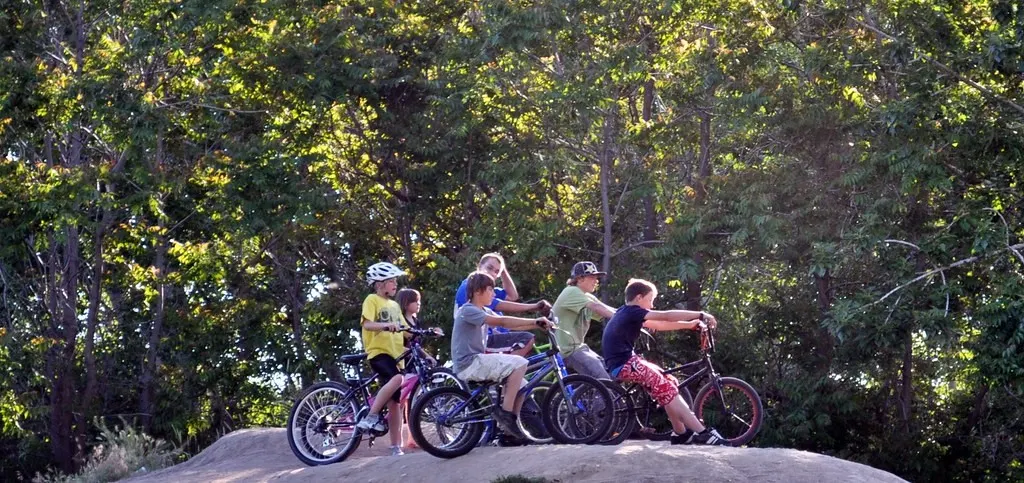
BMX is short for bicycle motocross. The "X" stands for "cross", the same way it does in motocross. The name comes from the sport's roots: kids racing bicycles on dirt tracks, imitating the motorcycle motocross riders they admired. Today, BMX covers both racing and freestyle, and both are Olympic sports.
BMX at a Glance
| Fact | Detail |
|---|---|
| Full name | Bicycle motocross |
| Where it started | Southern California, USA |
| When it started | Early 1970s |
| Standard wheel size | 20 inches |
| Olympic debut (racing) | Beijing 2008 |
| Olympic debut (freestyle park) | Tokyo 2020 (held in 2021) |
How BMX Began
In the early 1970s, kids in Southern California started racing their bikes on homemade dirt tracks, copying the jumps and berms of motocross. Many rode Schwinn Sting-Rays, popular bikes of the era with small wheels and high-rise handlebars.
The 1971 motorcycle documentary On Any Sunday helped spread the idea. Its opening scene shows kids riding Sting-Rays off-road, and it's widely credited with inspiring the movement nationwide.
BMX Timeline
| Year | Milestone |
|---|---|
| Early 1970s | Kids in Southern California begin racing bikes on dirt tracks |
| 1971 | On Any Sunday features kids riding bikes off-road |
| Mid-1970s | Manufacturers start building bikes made for BMX |
| 1974 | The National Bicycle League (NBL) is founded |
| 1977 | The American Bicycle Association (ABA) is organized |
| 1981 | The International BMX Federation is founded |
| 1982 | The first BMX world championships are held |
| 1993 | BMX becomes part of cycling's world governing body, the UCI |
| 2008 | BMX racing debuts at the Beijing Olympics |
| 2021 | BMX freestyle park debuts at the Tokyo 2020 Olympics |
BMX Racing vs Freestyle
BMX Racing
Riders sprint from a starting gate down a ramp and race around a dirt track with jumps, rollers and banked turns. Races are short and explosive, usually well under a minute.
BMX Freestyle
Freestyle grew in the 1980s as riders began doing tricks rather than racing. It now includes several styles:
- Park: tricks on ramps and bowls in skateparks.
- Street: riding rails, ledges and stairs in urban spaces.
- Dirt: big jumps and tricks on dirt jump lines.
- Flatland: balance and spinning tricks on smooth, flat ground.
- Vert: riding a large half-pipe and launching high above the coping.
What Makes a BMX Bike Different?
| Feature | Why |
|---|---|
| 20-inch wheels | Small, strong and quick to accelerate |
| Single gear | Simple, light and tough |
| Small, strong frame | Easy to throw around for jumps and tricks |
| No suspension | Direct feel and lower weight |
| Pegs (freestyle) | For grinds and stall tricks |
| Gyro/detangler (some freestyle) | Lets the bars spin without tangling brake cables |
BMX Today
BMX is ridden worldwide, from local tracks and skateparks to the X Games and the Olympics. It's popular with kids as a first "action" bike, and many riders carry their skills into mountain biking, especially dirt jumping.
Want to Get Started?
See the best BMX bikes and our BMX hub. Prefer bigger wheels and trails? Read types of mountain bikes. Always wear a helmet; see certified helmets.
Frequently Asked Questions
What does BMX stand for?
BMX stands for bicycle motocross. The X is shorthand for 'cross', as in motocross.
When did BMX start?
BMX began in the early 1970s in Southern California, when kids started racing bicycles on dirt tracks, copying motocross riders.
When did BMX become an Olympic sport?
BMX racing debuted at the 2008 Beijing Olympics. BMX freestyle (park) was added at the Tokyo 2020 Games, held in 2021.
What size wheels does a BMX bike have?
Standard BMX bikes use 20-inch wheels. Larger 24-inch 'cruiser' BMX bikes are also popular, especially with taller riders.
What's the difference between BMX racing and freestyle?
Racing is a sprint around a dirt track with jumps and banked turns. Freestyle is about tricks, ridden in skateparks, on dirt jumps, on flat ground or on street obstacles.