Types of Mountain Bikes Explained, From XC to Downhill (2026)
Cross-country, trail, enduro, downhill and more: what each type of mountain bike is built for and which one fits your riding.
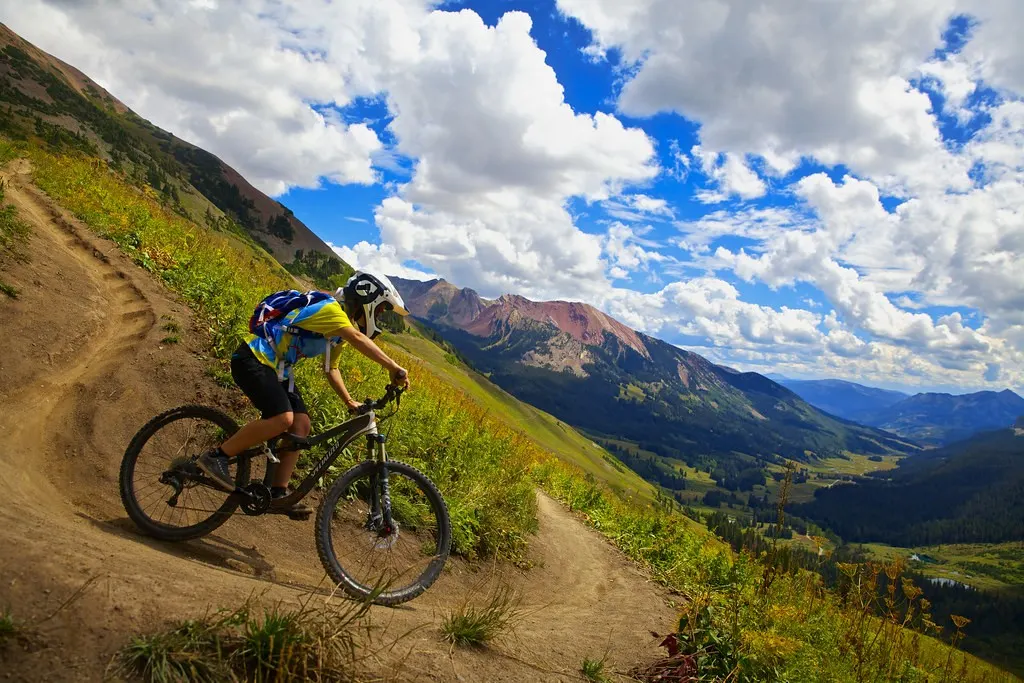
Mountain Bikes Come in Different Types
Mountain bikes are grouped by the kind of riding they're built for. The biggest differences are suspension travel, geometry (especially head angle) and weight. Cross-country bikes are light and efficient for climbing; downhill bikes are heavy and slack for steep descents. Most riders end up on a trail bike, which balances both. Here are the main types, from shortest to longest travel, plus a few specialty bikes.
Mountain Bike Types at a Glance
| Type | Typical Travel | Head Angle | Best For |
|---|---|---|---|
| Cross-country (XC) | About 100–120mm | About 67–69° | Racing, fast climbing |
| Trail | About 120–150mm | About 65–67° | All-round riding |
| Enduro / all-mountain | About 150–180mm | About 63–65° | Steep, rough descents |
| Downhill (DH) | About 180–200mm+ | About 63° or slacker | Bike parks, racing |
| Dirt jump | About 80–100mm fork | Varies | Jumps, pump tracks |
| Fat bike | Often rigid or short travel | Varies | Snow and sand |
Ranges are typical and overlap; brands define categories differently.
Cross-Country (XC) Bikes
XC bikes are the lightest mountain bikes, built for efficient pedaling and fast climbing. They have short travel, steeper geometry and fast-rolling tires. They suit racers and riders who cover long distances on smoother trails.
Trail Bikes
Trail bikes are the most popular type. With moderate travel and balanced geometry, they climb well and descend confidently on most trails. If you're not sure what you need, a trail bike is usually the answer. See full-suspension bikes for trail options.
Enduro and All-Mountain Bikes
Enduro bikes have more travel and slacker head angles for steep, technical descents, but can still pedal back up. They're named after enduro racing, where timed descents are linked by untimed climbs.
Downhill Bikes
Downhill bikes have the most travel, often dual-crown forks and very slack geometry. They're heavy and built purely for descending at bike parks with chairlifts or shuttles. Riders wear full-face helmets and body armor; see full-face helmets.
Dirt Jump Bikes
Dirt jumpers are small, strong hardtails with short-travel forks and low saddles, built for jumps, pump tracks and skateparks. They share a lot with BMX bikes.
Fat Bikes
Fat bikes use very wide tires at low pressure to float over snow and sand. They're popular for winter riding.
Electric Mountain Bikes
E-MTBs add a motor that assists your pedaling. They come in most of the categories above, from short-travel trail bikes to long-travel enduro bikes. See electric mountain bikes.
Hardtail vs Full Suspension
| Hardtail | Full Suspension | |
|---|---|---|
| Suspension | Front only | Front and rear |
| Weight | Lighter | Heavier |
| Cost | Lower | Higher |
| Maintenance | Simpler | More parts to service |
| Rough terrain | Less comfortable | More control and comfort |
Compare picks: hardtail mountain bikes.
Wheel Sizes
- 29-inch: rolls over obstacles easily and holds speed; common on XC and trail bikes.
- 27.5-inch: quicker handling; popular with smaller riders and for playful bikes.
- Mixed ("mullet"): 29-inch front, 27.5-inch rear, common on enduro and downhill bikes.
- 26-inch: mostly on dirt jumpers and older bikes.
Which Type Should You Choose?
| If You Mostly… | Choose |
|---|---|
| Ride long distances and like climbing | Cross-country |
| Ride a mix of local trails | Trail |
| Seek out steep, technical descents | Enduro |
| Ride lift-served bike parks | Downhill |
| Hit jumps and pump tracks | Dirt jump |
| Ride in snow or sand | Fat bike |
Next, find your size with our mountain bike size chart, or compare with road riding in mountain bike vs road bike.
Frequently Asked Questions
What type of mountain bike is best for beginners?
A trail bike, either a hardtail or a short-to-mid-travel full-suspension bike, suits most beginners. It handles a wide range of trails without being too heavy or specialized.
What's the difference between trail and enduro bikes?
Enduro bikes have more suspension travel (about 150 to 180mm) and slacker geometry for steep, rough descents. Trail bikes (about 120 to 150mm) balance climbing and descending.
Can you ride a downhill bike uphill?
Not easily. Downhill bikes are heavy, with long travel and geometry made for descending. They're meant for lift-served bike parks or shuttle runs.
What is a fat bike?
A mountain bike with very wide tires, often around 4 inches or more, for riding on snow and sand.
Is a hardtail a type of mountain bike?
Hardtail describes the suspension (front only), not the riding style. You can find hardtail cross-country, trail and dirt jump bikes.