Paddle Boarding Guides: Boards, Sizing and Skills (2026)
Choose a stand-up paddle board, size it for your weight, pick a paddle and pump, and learn to stand up on day one.
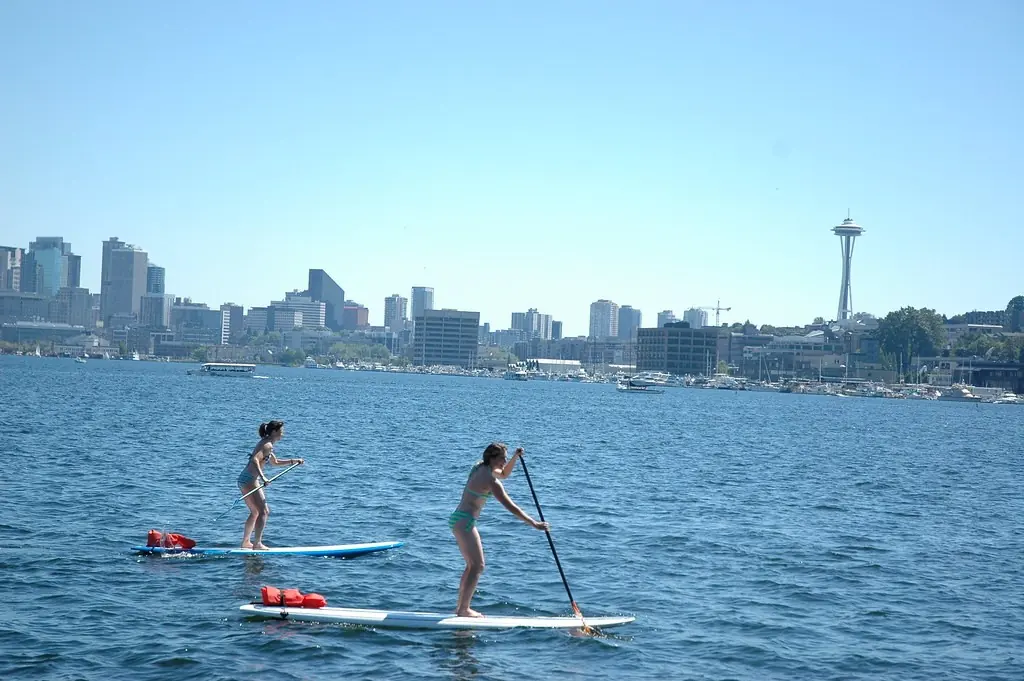
Start With the Right Board
Most first-time buyers are best served by an inflatable all-round board. It's stable, forgiving and easy to store. Read inflatable vs hard paddle boards if you're unsure, then compare beginner paddle boards and inflatable SUPs.
| Board Shape | Use | Feel |
|---|---|---|
| All-round | Flatwater, small waves, yoga | Wide and stable |
| Touring | Distance paddling | Longer, pointed nose, tracks straight |
| Fishing | Angling from the board | Extra width and mounting points |
| Surf | Riding waves | Shorter, more maneuverable |
All Paddle Boarding Guides
Buying Guides
7- Buying guideBest Hard Paddle Boards
- Buying guideBest Inflatable Paddle Boards
- Buying guideBest Paddle Boards for Beginners
- Buying guideBest Paddle Boards with Seat
- Buying guideBest Paddle Board Pumps
- Buying guideBest Fishing SUPs
- Buying guideBest SUP Paddles
How-To Guides & Explainers
5- How-to & infoPaddle Board Accessories
- How-to & infoBenefits of Paddle Boarding
- How-to & infoPaddle Board Size Chart
- How-to & infoPaddle Board Yoga
- How-to & infoHow to Paddle Board: Beginner's Guide
Comparisons
2- ComparisonInflatable vs Hard Paddle Board
- ComparisonKayak vs Paddle Board
Size, Paddle and Pump
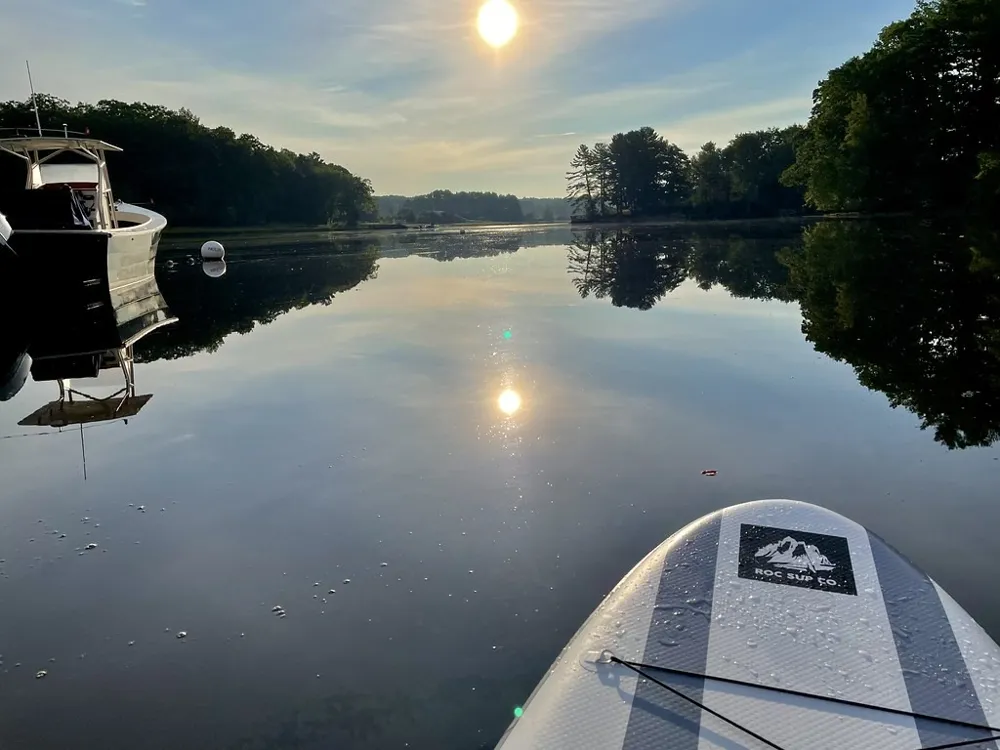
Use the paddle board size chart to match board volume and width to your weight. A light, adjustable paddle makes a bigger difference than most people expect; see SUP paddles. Inflatables need high pressure to feel stiff, and a good pump saves a lot of effort. Paddle board pumps compares manual and electric options.
Your First Session
Start on calm, shallow water with little wind. Kneel first, then stand with feet hip-width apart and eyes on the horizon. How to paddle board covers stance, strokes and getting back on. Wear a life jacket and a leash suited to your water. Torn between a board and a boat? Read kayak vs paddle board.
Ways to Paddle Board
| Style | What It Involves |
|---|---|
| Recreational flatwater | Cruising lakes, bays and calm rivers |
| Touring | Longer distances on narrower, faster boards |
| SUP yoga and fitness | Workouts on wide, stable boards |
| SUP surfing | Riding waves on shorter boards |
| Fishing | Angling from wide, stable boards with mounts |
| Racing | Long, narrow boards built for speed |
| River SUP | Moving water and rapids; needs specific skills and gear |
Yoga and Fitness on the Water
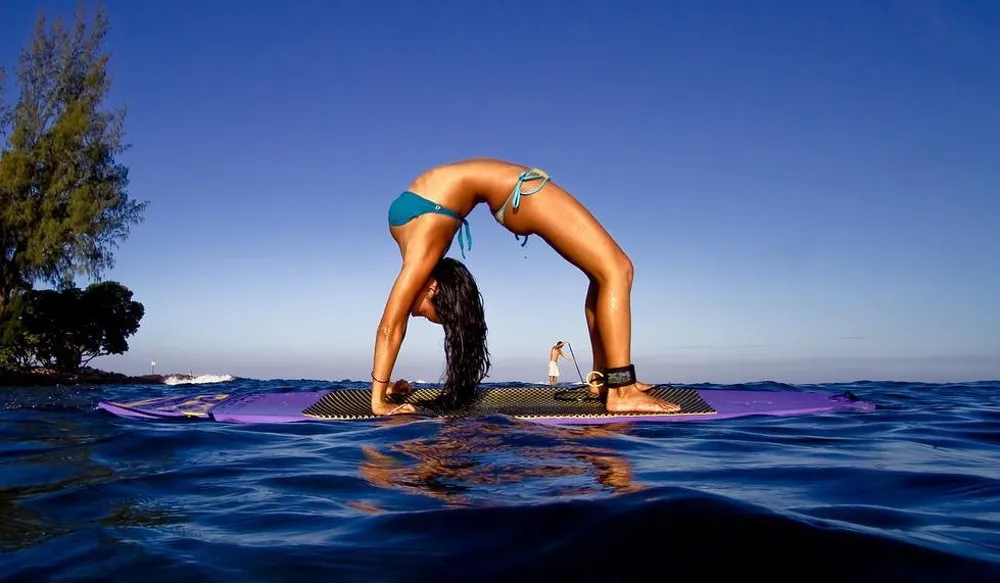
Try paddle board yoga, and see what research says about the benefits of paddle boarding.
Safety Essentials
- Life jacket: wear one. In the US, the Coast Guard treats paddle boards used outside swimming, surfing or bathing areas as vessels, which brings life jacket and other requirements. Check local rules.
- Leash: a leash keeps the board close if you fall. In rivers and moving water, paddlers use quick-release waist leashes rather than ankle leashes.
- Wind: offshore wind can push you away from shore. Check forecasts and start upwind.
- Cold water: dress for the water temperature, not the air. See wetsuit vs drysuit.
- Tell someone where you're going and paddle with a friend when you can.
Gear Checklist
Board, paddle, pump (for inflatables), leash, life jacket, whistle, water, sun protection and a dry bag for your phone and keys. See pumps, paddles and the dry bag tips in our kayak camping list. For leash types, deck bags, anchors, repair kits and the gear US rules require, use our full paddle board accessories checklist.
Frequently Asked Questions
What size paddle board do I need?
Board volume and width should match your weight and experience. Wider, thicker all-round boards are more stable for beginners and heavier riders. Our paddle board size chart explains the numbers.
Are inflatable paddle boards any good?
Yes. Quality inflatable SUPs inflated to the recommended pressure feel firm and suit most recreational paddling, and they store and travel easily. Hard boards glide a little better and suit surfing and racing.
How long should a SUP paddle be?
A common starting point is a paddle several inches taller than you for flatwater, adjusted for style. Adjustable paddles let you fine-tune the length.
Do I need a life jacket on a paddle board?
It's strongly recommended, and in many places it's required. In the US, the Coast Guard treats paddle boards used outside swimming, surfing or bathing areas as vessels. Check local rules.
Is paddle boarding a good workout?
Yes. Balancing works your legs and core, and paddling works your back, shoulders and arms. Pace and conditions decide how hard it is.