Mountain Biking Guides: Bikes, Parts and Skills (2026)
Choose a mountain bike, size it, upgrade the parts that matter and build the skills that make trails fun.
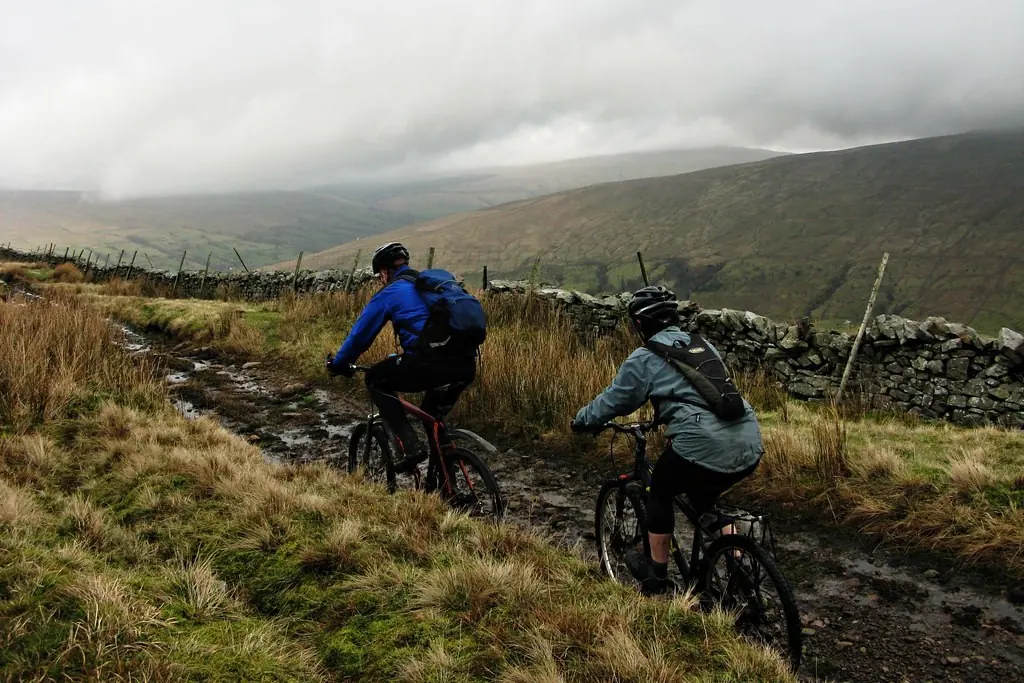
Choose the Right Kind of Mountain Bike
Mountain bikes range from light cross-country race bikes to heavy downhill machines. Most riders are best served by a trail bike, either hardtail or full suspension. Read types of mountain bikes first, then hardtail vs full suspension.
| Category | Typical Use | Guide |
|---|---|---|
| Hardtail | Trail riding, budget-friendly, low maintenance | Hardtails |
| Full suspension | Rough and technical trails | Full suspension |
| Electric MTB | More climbing, longer days | E-MTBs |
| Fat bike | Snow and sand | Fat bikes |
| Value picks | First mountain bike | Under $1,000 |
All Mountain Biking Guides
Buying Guides
5- Buying guideBest Hardtail Mountain Bikes
- Buying guideBest Mountain Bike Helmets
- Buying guideBest Mountain Bike Pedals
- Buying guideBest Mountain Bike Shoes
- Buying guideBest Mountain Bike Tires
Upgrades That Make the Biggest Difference
Tires, contact points and fit matter more than shiny components. Good tires at the right pressure improve grip and comfort. Pedals, grips and handlebars change how the bike feels under you. A dropper post lets you lower the saddle for descents without stopping.
Protective Gear
Every rider needs a helmet that meets the CPSC standard. Trail riders often add gloves and knee pads. For bike parks and downhill, consider a full-face helmet. Compare options in mountain bike helmets.
Build Your Skills
Most trail confidence comes from a balanced "ready" position: weight centered, elbows and knees bent, eyes ahead. From there, learn to lift the front wheel with the manual and clear obstacles with the bunny hop.
Frequently Asked Questions
What size mountain bike do I need?
Frame size depends mainly on your height and inseam, but sizing varies by brand. Use our mountain bike size chart as a starting point and check the maker's geometry chart.
What are the main types of mountain bikes?
Common categories are cross-country, trail, enduro and downhill, plus fat bikes and electric mountain bikes. They differ mainly in suspension travel, geometry and weight. Our types of mountain bikes guide explains each.
What tire pressure should I run on a mountain bike?
It depends on rider weight, tire size, tire casing, terrain and whether you run tubes or tubeless. Lower pressures add grip and comfort, but too low risks rim damage. Our tire pressure guide shows how to find your number.