Cheap Mountain Bikes Under $500 That Can Handle Dirt (2026)
Four budget mountain bikes listed under $500 when we checked in November 2026, what this tier can and can't do, and the specs worth paying attention to.
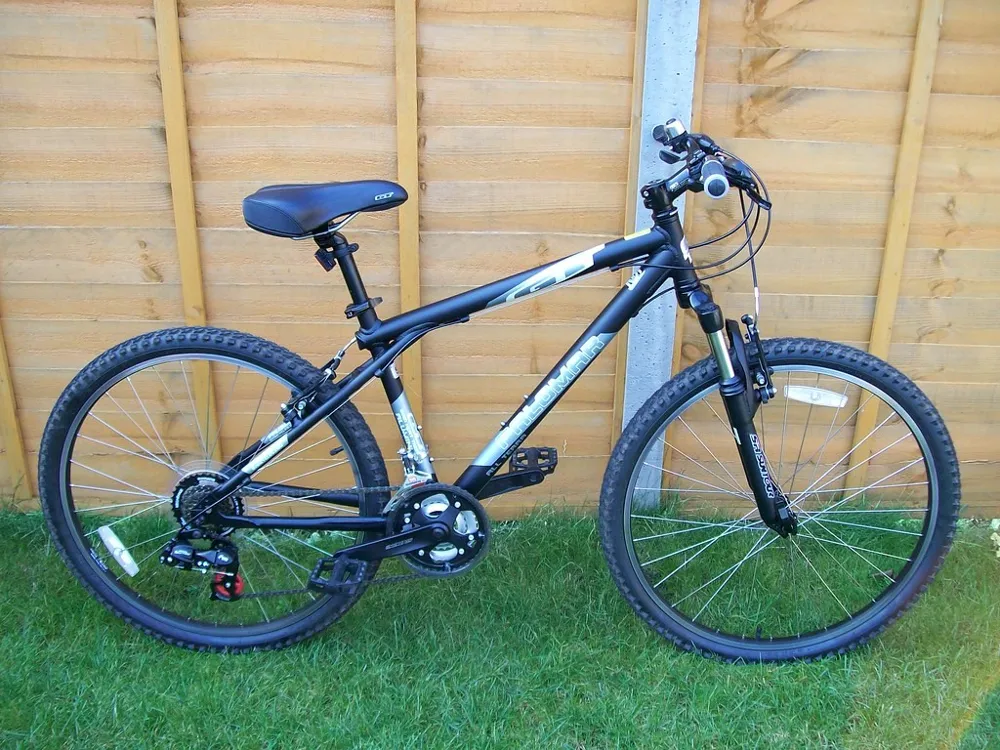
What to Expect From a Mountain Bike at This Budget
"Cheap mountain bike" covers everything from toy-grade bikes to surprisingly capable aluminum hardtails, and the difference matters once you leave the pavement. At this budget, the realistic target is a hardtail (front suspension only) with an aluminum frame, mechanical disc brakes, wide knobby tires and a frame size that actually fits you. A bike like that handles bike paths, gravel roads, fire roads and easy singletrack well. It won't feel like a bike-shop trail bike: expect more weight, a fork that bounces more than it controls, and shifting that needs the odd adjustment.
All the bikes below were listed under $500 when we checked (November 2026). Prices change by size, color and season, so check the listing. If you can stretch your budget, mountain bikes under $1,000 bring hydraulic brakes and better forks. Wondering whether a big-box bike is good enough at all? Are Walmart mountain bikes good covers that question in depth.
Mongoose Grafton
Best all-round budget hardtail
- Aluminum frame, 2.3-inch knobby tires
- Mechanical disc brakes
- 21-speed trigger shifters
Mongoose Flatrock
Best for teens and smaller riders
- Aluminum hardtail, sloping top tube
- 24-, 26- and 29-inch versions
- Specs vary by size; check the listing
Mongoose Malus
Best for snow, sand and loose dirt
- 26 x 4.0-inch fat tires
- Mechanical discs with 160 mm rotors
- Simple 1x7 drivetrain
Cheap Mountain Bikes Compared
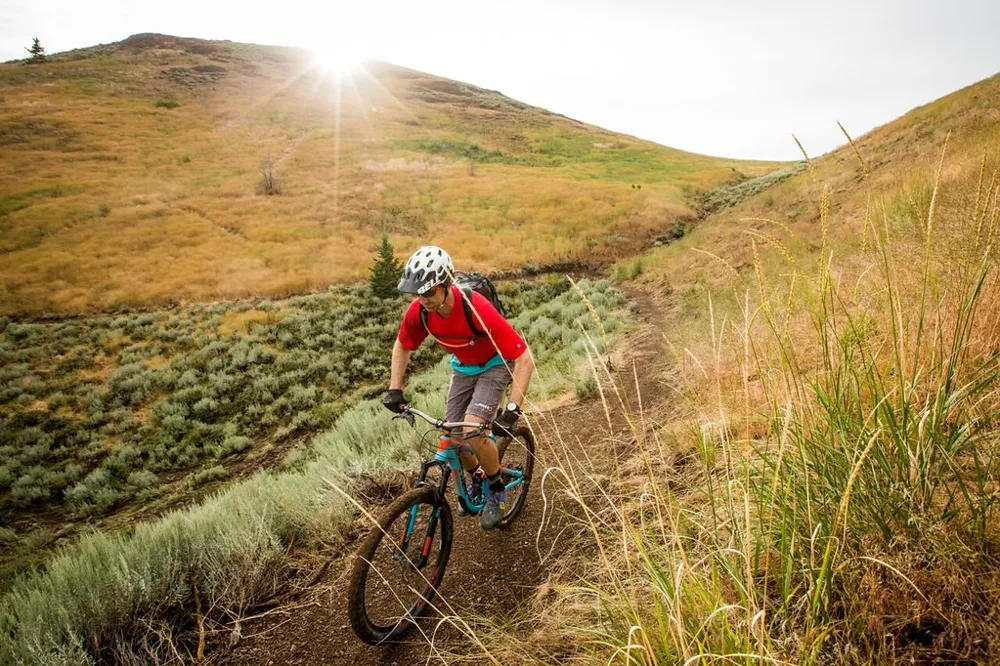
Specs come from the maker's page or the retail listing. Parts can change between sizes and model years, so confirm the details for the exact size you order.
| Bike | Frame | Wheels and Tires | Fork | Gears | Brakes | Best For |
|---|---|---|---|---|---|---|
| Mongoose Grafton | Aluminum hardtail | 24, 26, 27.5 or 29 in; 2.3 in knobby | Element suspension, 70 mm (27.5 in) | 3x7, 21-speed, trigger | Mechanical disc | Paths and easy trails |
| Mongoose Malus | Steel fat bike | 26 in; 4.0 in fat tires | Rigid | 1x7 | Mechanical disc, 160 mm rotors | Snow, sand, loose dirt |
| Mongoose Flatrock | Aluminum hardtail | 24, 26 or 29 in | Suspension, 60–70 mm | 7- or 21-speed, twist | V-brakes or mechanical disc, by size | Teens and smaller adults |
| Ozark Trail Ridge | Aluminum hardtail | 29 in; 2.35 in | SR Suntour coil, 100 mm | 1x9 | Mechanical disc, 160 mm rotors | Walmart shoppers wanting 1x gearing |
The Best Cheap Mountain Bikes
1. Mongoose Grafton
The Grafton covers the basics a budget trail bike needs. Mongoose lists an aluminum hardtail frame with an internal headset, an Element suspension fork (70 mm of travel on the 27.5-inch version), aluminum mechanical disc brakes, a 21-speed drivetrain with trigger shifters and a 42/34/24T crank, double-wall aluminum rims and 2.3-inch knobby tires. It comes in several wheel sizes, from 24-inch for younger riders up to 27.5 and 29 inches, and Mongoose lists the 26-inch version for riders about 5'4" to 6'2". Mongoose describes it as an entry point for new riders exploring trails, which is a fair summary.
Good to Know
- Disc brakes and wide tires on every size listed
- Several wheel sizes to suit different heights
Watch Out For
- Short-travel fork without damping adjustment
- Three chainrings mean more shifting to manage
2. Mongoose Malus
A different take on a cheap mountain bike: skip suspension entirely and let 26 x 4.0-inch fat tires soak up the bumps. Mongoose lists a steel fat bike frame with a rigid fork, mechanical disc brakes with 160 mm rotors and a 1x7 drivetrain with a Shimano Tourney rear derailleur and a 32T alloy crank. The Amazon listing gives an 18-inch frame for riders 5'4" to 6'2" and a weight of about 43 pounds. Mongoose pitches it for sand, snow, mud and loose trails, where wide tires float and grip in a way narrow tires can't.
Good to Know
- No fork or shock to maintain
- One chainring keeps shifting simple
Watch Out For
- Heavy, and slow on pavement
- Shifter type differs between listings; check the one you buy
3. Mongoose Flatrock
The Flatrock is an aluminum hardtail with a sloping top tube, sold in 24-, 26- and 29-inch versions, so it suits teens and smaller adults as well as full-size riders. The specs change by size, which is worth knowing. The 29-inch version at Academy lists an Element fork with 70 mm of travel, mechanical disc brakes, a 21-speed Shimano drivetrain with twist shifters, 2.3-inch tires and a weight of about 37 pounds. The 24-inch version on Walmart.com lists a 14.5-inch frame, a 60 mm steel fork, 7 speeds and V-brakes.
Good to Know
- Easy step-over frame
- Sizes from teen to adult
Watch Out For
- Smaller sizes use rim brakes
- Twist shifters are less precise than triggers
4. Ozark Trail Ridge
Walmart's own-brand 29er isn't sold on Amazon, but it's one of the better-specified bikes at this tier. It has an aluminum frame with internal cable routing and ports for a dropper post, a 100 mm SR Suntour coil fork with preload adjustment but no damping adjustment, a 1x9 drivetrain with an 11-42T cassette, mechanical disc brakes with 160 mm rotors and 29 x 2.35-inch tires. Mountain Bike Action found a loose headset and under-torqued bolts on its review bike, so a full check before the first ride matters. Our Walmart mountain bike guide covers the Ridge and its siblings in more detail.
Good to Know
- 1x9 gearing and a 100 mm fork
- Dropper-post ready
Watch Out For
- Store assembly quality varies
- Walmart only
What to Avoid at This Price
- Cheap full suspension: a dual-suspension bike at this price spends a large share of its budget on a rear shock and pivots. The result is usually a heavier bike with springs that bounce rather than damp, plus weaker brakes and shifting than a hardtail at the same price. Most budget guides agree: buy the better hardtail. See hardtail vs full suspension for the full comparison.
- One-size-fits-all listings: a bike sold only by wheel size, with no frame size or rider-height range, is a fit gamble for adults.
- Heavy steel frames on suspension bikes: steel is fine on a rigid fat bike, but a steel frame plus a cheap fork and shock adds a lot of weight.
- Rim brakes for trail riding: fine on paths, but weaker in wet and muddy conditions.
- Unbranded parts: components without a recognizable name are harder to adjust, replace and find support for.
- "Mountain-style" bikes not meant for dirt: check the owner's manual for intended use. Many entry bikes are rated for paved roads and gravel paths, not trails or jumps.
What to Prioritize on a Cheap Mountain Bike
Budget bikes trade off almost everything, so put your money where it matters most. In rough order:
Frame Fit and Material
A bike that fits will ride better than a poorly sized bike with nicer parts. Look for listings that give a frame size and rider-height range, and for more than one frame size per model. Aluminum is lighter than the high-tensile steel used on many of the cheapest bikes. Geometry matters too: a slacker head angle and shorter stem make a bike steadier on descents, but at this budget most bikes use a more upright, path-friendly shape.
Brakes: Mechanical Disc vs Rim
| Rim (V-Brake) | Mechanical Disc | Hydraulic Disc | |
|---|---|---|---|
| How it works | Pads squeeze the wheel rim | Cable pulls pads onto a rotor at the hub | Fluid pushes pads onto a rotor |
| Wet and mud | Weakest | Consistent | Consistent |
| Lever effort | Moderate | Moderate to firm | Light |
| Upkeep | Pad and cable adjustment; wears rims | Cable and pad adjustment | Occasional bleed |
| Found at this budget? | Yes, on smaller and cheapest bikes | Yes, most common | Rarely |
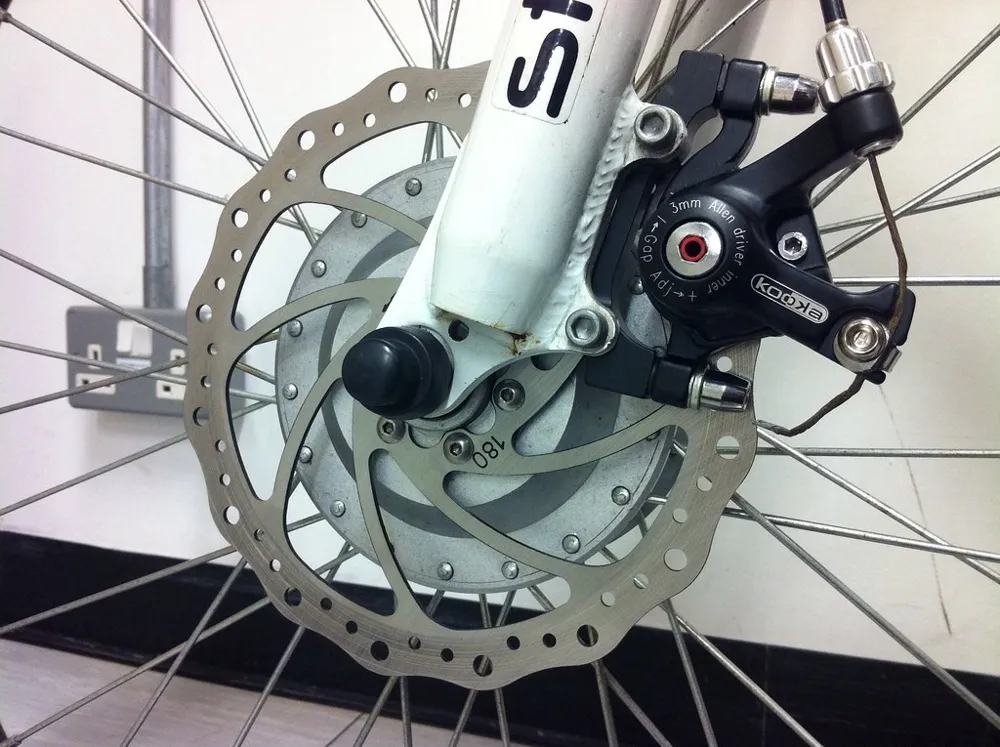
Mechanical discs are the sensible target here. They're easy to adjust at home and keep working when rims are wet or slightly bent. For a walkthrough, see how to adjust bike brakes.
Fork Quality
Most forks at this price are coil-sprung with little or no damping, and travel tends to run from about 60 to 100 mm. That's enough to take the edge off roots and potholes, not to control big hits. A lockout helps on pavement and climbs. A rigid fork with fat tires, like the Malus, is a valid alternative: less to go wrong and less weight up front.
Tire Width
Wider knobby tires (around 2.25 to 2.35 inches on standard bikes) add grip and cushion and make a budget bike feel more capable than any other single spec. Narrow, semi-slick tires are a sign the bike is meant for pavement. Running the right pressure helps too; see MTB tire pressure.
Gearing
Most bikes here use a 3x7 or 3x8 setup with three chainrings, which gives plenty of range but more overlapping gears to manage. A 1x drivetrain with a single chainring, like the Ridge's 1x9, is simpler and drops the chain less. Trigger shifters are more precise than twist-grip shifters. New to shifting? Read how to shift gears on a bike.
Wheel Size and Frame Size
Adult mountain bikes use 27.5-inch or 29-inch wheels, with 26-inch still common on budget models and fat bikes. Bigger wheels roll over obstacles more easily and hold speed; smaller wheels feel quicker to turn and can suit shorter riders. More on that in mountain bike wheel sizes.
Wheel size isn't frame size, though. Budget listings often sell a model in one frame size per wheel size, so check the listed rider-height range against your own height and inseam. When you're between sizes, the smaller frame is usually easier to handle for a new rider. Use our mountain bike size chart to check before you order.
| Rider | Typical Wheel Size | What to Check |
|---|---|---|
| Kids about 4'0" to 4'9" | 24 in | Standover clearance and hand reach to the brakes |
| Teens and smaller adults | 26 or 27.5 in | Listed rider height; small frame available? |
| Average to tall adults | 27.5 or 29 in | Frame size and rider-height range on the listing |
Cheap Mountain Bikes for Kids and Teens
Budget bikes make the most sense for growing riders, who may need a bigger size within a year or two. A 24-inch bike typically suits kids about 4'0" to 4'9", and riders from about 4'9" usually move to 26-inch wheels or an adult extra-small frame, then check standover clearance rather than age labels. Light weight matters even more for kids, since a heavy bike is hard for a small rider to control. Choose short-reach brake levers and trigger shifters where you can, and remember that some smaller sizes use rim brakes. Our kids mountain bikes guide covers youth-specific picks, and smaller adults can also compare women's mountain bikes.
Assembly and Safety Check Before the First Ride
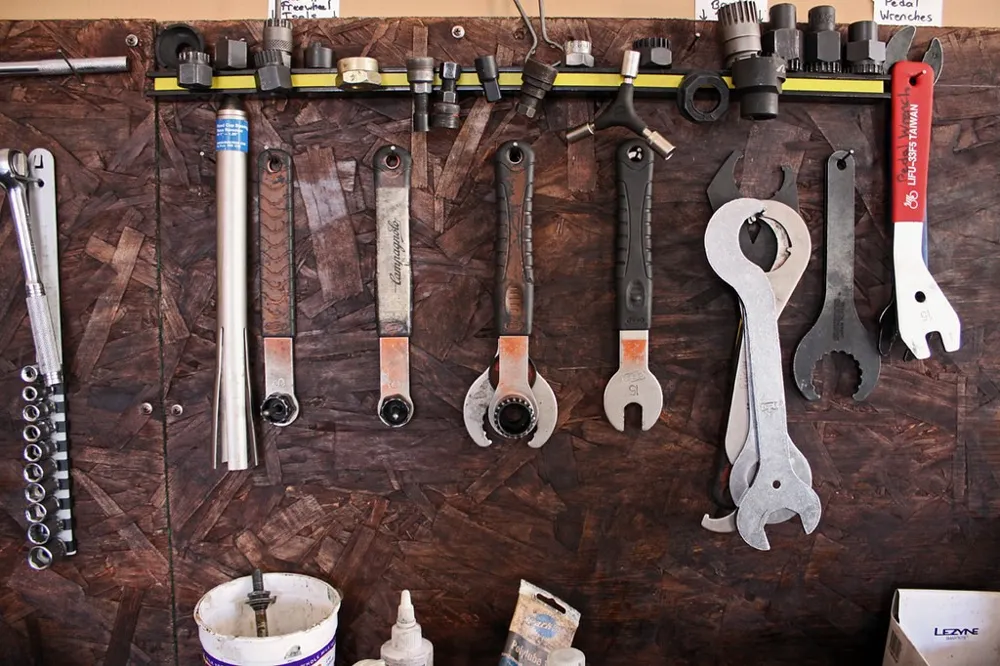
Most bikes at this price ship partly assembled or are finished by store staff, and that's where problems start. In the US, bicycles must meet the Consumer Product Safety Commission's bicycle requirements (16 CFR part 1512), but the rules can't guarantee a bike was put together correctly. Before you ride:
- Install the front wheel and fork the right way round, with the disc caliper on the correct side.
- Close quick releases firmly or tighten thru-axles.
- Check the headset for play by holding the front brake and rocking the bike.
- Tighten stem, handlebar, seatpost and crank bolts to the torque values in the manual.
- Thread pedals in fully. The left pedal is reverse-threaded.
- Squeeze both brakes hard; they should feel firm and stop the wheel well before the lever hits the bar.
- Inflate tires to the sidewall range and run through every gear.
The full checklist, with what to look for at each step, is in our Walmart mountain bike safety check. A bike multi-tool and a floor pump cover most of it. If anything about the brakes or steering seems wrong, have a bike shop inspect it. This is general guidance, not a substitute for a professional inspection.
Upgrades Worth Making
Spend on the parts you touch and the parts that meet the ground. Leave the expensive systems alone.
| Upgrade | Worth It? | Why |
|---|---|---|
| Tires | Yes | The biggest change in grip and control for the money |
| Flat pedals | Yes | Stock nylon pedals are often slippery |
| Grips and saddle | Yes | Cheap comfort gains |
| Brake pads | Often | Better pads can improve rim and mechanical disc braking |
| Dropper post | Only if the frame has the ports | Lowers the saddle for descents; check seatpost diameter |
| Fork, wheels or drivetrain | Rarely | Usually costs more than moving up to a better bike |
Don't forget the gear that isn't on the bike: a mountain bike helmet, gloves and, for anything rocky, knee pads.
Where to Buy: Online, Big-Box, Bike Shop or Used
- Online (Amazon and maker sites): wide choice and home delivery, but you assemble and tune the bike yourself or pay a shop to do it. Read the size chart and check who the seller is.
- Big-box stores: easy returns and you can see the bike first, but store assembly varies. Check it over before riding.
- Bike shops: entry models from brands like Trek and Specialized often start above this budget, but shops sometimes discount previous-year bikes, and you get fitting and a professional build. See hardtail mountain bikes for shop models.
- Used: a used bike from a known brand can bring hydraulic brakes and a better fork for similar money. Check for frame cracks, a worn chain and cassette, a leaky or sticky fork and play in the headset and wheels, and test ride it.
Still deciding what kind of bike you need? Start with types of mountain bikes, compare fat bikes if you ride snow or sand, or browse mountain bike brands. For more guides, visit our mountain biking hub.
Frequently Asked Questions
Can you get a good mountain bike under $500?
You can get a decent one for paths, gravel and easy trails. Look for an aluminum hardtail in your size with disc brakes and wide knobby tires, and expect a heavier bike with a basic fork.
Is a cheap full-suspension mountain bike worth it?
Usually not. At this budget the money spent on a rear shock and pivots comes out of the brakes, fork and drivetrain, so a hardtail is normally the better bike for the same money.
Are mechanical disc brakes better than rim brakes?
For dirt riding, generally yes. Discs keep working when rims are wet or muddy and aren't affected by a slightly bent rim, though mechanical discs still need occasional cable and pad adjustment.
Can I ride real mountain bike trails on a bike under $500?
Smooth singletrack, fire roads and easy green or blue trails are realistic on a well-assembled hardtail. Big drops, jumps, bike parks and rough rocky descents are beyond what most bikes at this tier are designed for.
How heavy is a cheap mountain bike?
Heavier than shop bikes. The listings for the bikes here give weights from about 37 to 43 pounds, and a steel frame or fat tires add more.
Do these bikes stay under $500?
Prices change often and vary by size and color. These bikes were listed under $500 when we checked in November 2026, so check the current listing before you buy.
Should I buy a used mountain bike instead?
A used bike from a known brand can get you hydraulic brakes and a better fork for similar money. Inspect the frame, fork and drivetrain closely and test ride it first.