Best Bike Saddles: Find the Seat That Fits You (2026)
Four very different saddles, from classic leather to race-light, and how to choose by sit bone width, riding position and padding.
Why Your Saddle Matters
An uncomfortable saddle can ruin a ride faster than any climb. The good news is that comfort usually comes down to fit, not price or padding. The right saddle supports your sit bones, relieves pressure on soft tissue and suits your riding position. Upright riders sit back on their sit bones, while road and mountain riders lean forward and need a narrower, flatter shape. Here are four saddles for different riders and bikes.
WTB Volt
Best for mountain bikes
- Medium padding
- Contoured shape
- 3 widths, 3 rail options
Ergon SMC
Best pressure relief
- Orthopedic padding
- Pronounced relief channel
- Trail and all-mountain
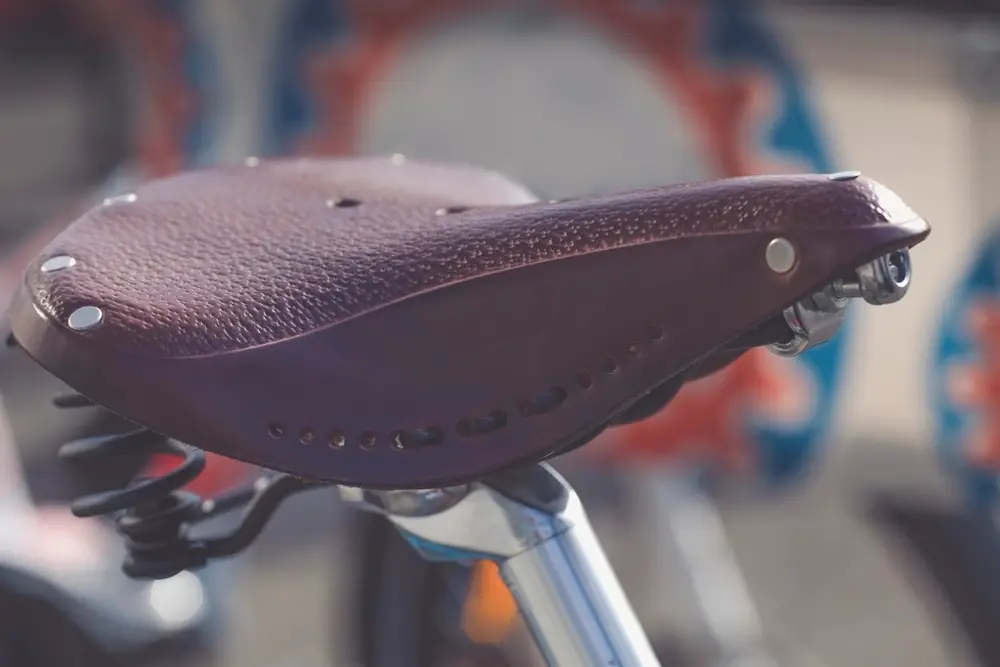
Brooks B17
Best classic leather
- Leather top
- Steel rails
- Touring and commuting
Bike Saddles Compared
| Saddle | Style | Highlights | Best For |
|---|---|---|---|
| WTB Volt | Trail | Medium padding, 3 widths, 3 rail options | Mountain and gravel |
| Ergon SMC | Trail | Orthopedic padding, pronounced relief channel | Riders with numbness |
| Brooks B17 | Touring | Leather, steel rails | Touring and commuting |
| Selle Italia SLR Boost Superflow | Road race | 218 g, short nose, Superflow cutout | Performance road riders |
The Best Bike Saddles
1. WTB Volt
The Volt is a staple mountain bike saddle with medium padding and a contoured shape. It comes in three widths and three rail options, so you can match it to your sit bones and budget.
Good to Know
- Multiple widths
- Versatile shape
Watch Out For
- Check width before ordering
2. Ergon SMC
Ergon designs the SMC around pressure relief, with orthopedic padding and a pronounced relief channel down the middle. It's aimed at trail and all-mountain riding and is a common choice for riders who get numb on other saddles.
Good to Know
- Strong pressure relief
- Trail-friendly shape
Watch Out For
- Pick the size that matches your sit bones
3. Brooks B17
A classic leather saddle on steel rails, long favored by touring cyclists and commuters. The leather shapes itself to the rider over time, so expect a break-in period.
Good to Know
- Shapes to you over time
- Timeless look
Watch Out For
- Needs breaking in
- Keep it dry and care for the leather
4. Selle Italia SLR Boost Superflow
A lightweight road racing saddle at a listed 218 g, with a short "Boost" nose and a Superflow cutout for pressure relief. Selle Italia uses its ID Match system for sizing; this model is size L3.
Good to Know
- Light
- Short nose for aggressive positions
Watch Out For
- Firm; not for casual upright riding
How to Choose a Bike Saddle
Width
Your saddle should be wide enough to support your sit bones. Upright riders need a wider saddle; forward-leaning riders need a narrower one because the pelvis rotates forward.
Shape and Cutouts
Flat saddles let you move around; curved (wave) saddles lock you into one spot. Cutouts and relief channels reduce soft-tissue pressure.
Padding
More padding isn't always better. Cruiser and comfort riders often like plush saddles, while longer rides usually feel better on firmer support plus padded shorts.
Rails
Steel and chromoly rails are durable and affordable; titanium and carbon save weight. Check rail compatibility with your seatpost clamp.
Saddle Types by Riding Style
| Riding Style | Position | Typical Saddle |
|---|---|---|
| Cruiser and comfort | Upright | Wide, plush, sometimes sprung |
| Commuting and touring | Moderate | Medium width, leather or firm foam |
| Mountain and gravel | Forward, moving a lot | Medium width, durable cover, rounded back |
| Road racing | Aggressive | Narrow, firm, often short-nosed |
Setup Tips
- Set height so your knee is slightly bent at the bottom of the pedal stroke.
- Start with the saddle level, then make small tilt changes.
- Adjust fore-aft position before swapping saddles.
- Wear padded shorts on longer rides.
- Persistent numbness or pain? Consider a professional bike fit.
Comfort also depends on bike size; see the mountain bike size chart and the bike buying guide. Upright riders may like cruiser bikes, and cycling gloves help on long rides.
Frequently Asked Questions
How do I know what saddle width I need?
Measure your sit bone width (many bike shops can do it, or sit on corrugated cardboard) and choose a width that supports your sit bones in your riding position.
Is more padding more comfortable?
Not always. Too much padding can increase pressure in soft tissue on longer rides. Upright riders usually want more padding than riders in an aggressive position.
What is a cutout or relief channel for?
It reduces pressure on soft tissue, which helps prevent numbness for many riders.
How long does it take to get used to a new saddle?
Give it a few rides. If you still have numbness or sharp pain, adjust height, tilt and position, or try another shape.
Do I need to break in a leather saddle?
Classic leather saddles like the Brooks B17 typically need a break-in period as the leather shapes to you.