Snorkeling and Scuba Guides: Gear and First Steps (2026)
Find a mask that seals, choose the right snorkel and fins, understand scuba gear and learn what certification involves.
Snorkel or Scuba?
Snorkeling needs only a mask, snorkel and fins, and you can start on your first beach day. Scuba diving opens up deeper water but requires training. Snorkeling vs scuba diving and scuba vs freediving explain the differences.
| Gear | Snorkeling | Scuba |
|---|---|---|
| Mask | Snorkel masks | Same, often low volume |
| Breathing | Dry or semi-dry snorkel | Regulator |
| Fins | Snorkel fins | Scuba fins |
| Buoyancy | Snorkel vest | BCD |
| Exposure | Rash guard or wetsuit | Wetsuit or drysuit |
Snorkeling Basics
- Fit the mask: press it to your face without the strap and breathe in gently through your nose; it should stay put.
- Practice in shallow water: float face down and breathe slowly and deeply through the snorkel.
- Kick from the hips with long, relaxed fin strokes; keep your arms still.
- Clear water from the snorkel with a sharp exhale, or lift your head and empty it.
The full walkthrough is in how to snorkel. Wear glasses? See prescription snorkel masks, or start with a snorkel set. Families can compare kids' snorkel sets, and lap swimmers training with a center-mount tube should see our swim snorkel guide.
Safety Essentials
| Rule | Why |
|---|---|
| Never snorkel or dive alone | A buddy can help if you cramp, tire or get into trouble |
| Check currents, waves and weather | Currents can carry you away from shore |
| Use flotation if you're unsure | A snorkel vest lets you rest at the surface |
| Protect your back from the sun | A rash guard prevents burns while you float face down |
| Know your limits | Stay within your swimming ability and training |
For scuba-specific risks and how divers reduce them, see is scuba diving dangerous? Caves and caverns need their own training; our cave diving guide explains why.
Protect the Reef
- Don't touch, stand on or kick coral; keep fins up and away from the bottom.
- Look but don't chase, feed or handle marine life.
- Follow marine park rules, including any sunscreen rules.
All Snorkeling and Scuba Guides
Buying Guides
22- Buying guideBest Full Face Snorkel Masks
- Buying guideBest Kids Snorkel Set
- Buying guideBest Scuba Diving Fins
- Buying guideBest Scuba Diving in Florida
- Buying guideBest Scuba Diving in the Caribbean
- Buying guideBest Snorkel Sets
- Buying guideBest Snorkeling in the Florida Keys
- Buying guideBest Swim Snorkel
- Buying guideBest Underwater Cameras for Scuba
- Buying guideBest Waterproof Watches
- Buying guideBest Dive Knives
- Buying guideBest Freediving Fins
- Buying guideBest Prescription Snorkel Masks
- Buying guideBest Snorkel Fins
- Buying guideBest Snorkel Vests
- Buying guideBest Dive Computer
- Buying guideBest Drysuit
- Buying guideBest Scuba BCDs
- Buying guideBest Scuba Regulator
- Buying guideBest Snorkel Mask
- Buying guideBest Spearguns
- Buying guideBest Wetsuit
How-To Guides & Explainers
17- How-to & infoBest Places to Snorkel in the World
- How-to & infoCave Diving
- How-to & infoHow Deep Can You Scuba Dive?
- How-to & infoHow to Become a Scuba Instructor
- How-to & infoHow to Freedive
- How-to & infoHow to Get Scuba Certified
- How-to & infoHow to Snorkel
- How-to & infoIs Scuba Diving Dangerous?
- How-to & infoScuba Diving Equipment List
- How-to & infoWhat Is Scuba Diving?
- How-to & infoWhat Is the Bends?
- How-to & infoBest Scuba Diving Destinations
- How-to & infoBest Snorkeling in Florida
- How-to & infoBest Snorkeling in the Caribbean
- How-to & infoHow Does a Snorkel Work?
- How-to & infoHow to Spear Fish
- How-to & infoWhat Do You Wear Under a Wetsuit?
Comparisons
4- ComparisonDry vs Semi Dry Snorkel
- ComparisonScuba Diving vs Freediving
- ComparisonSnorkeling vs Scuba Diving
- ComparisonWetsuit vs Drysuit
Getting Started With Scuba
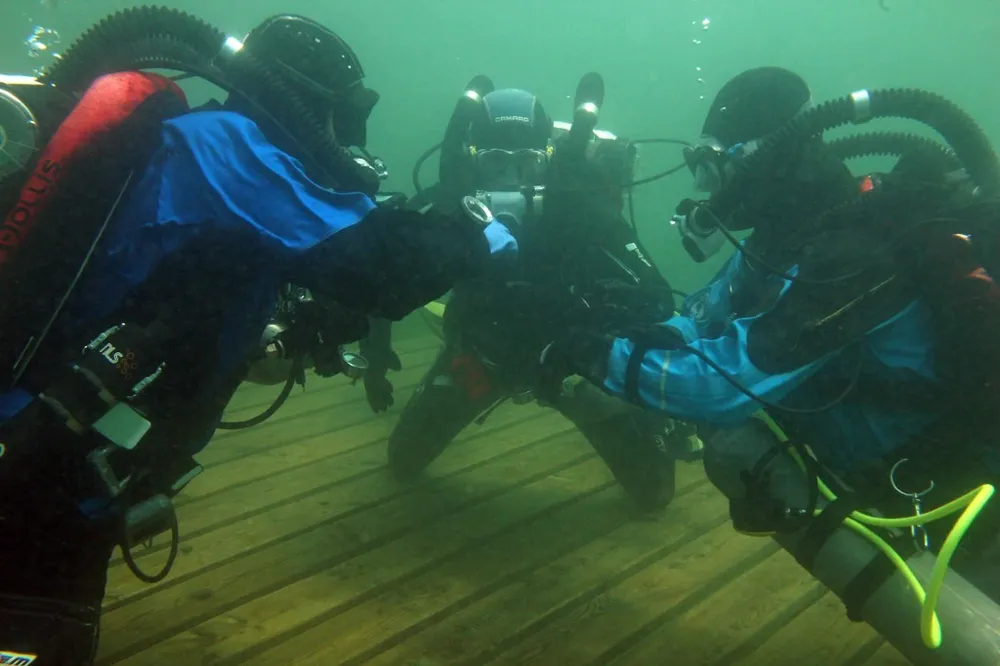
Scuba training is offered by recognized agencies through local dive shops and resorts. Courses usually combine theory, pool or confined-water practice and open-water dives. How to get scuba certified explains the usual path, and the scuba equipment list shows what to buy and what to rent at first. A dive computer is often one of the first purchases. Wondering about depth? See how deep you can scuba dive. Want to teach? Here's how to become a scuba instructor, from Divemaster to the instructor exam.
Freediving and Spearfishing
Freediving means diving on a single breath. It needs training in breath-hold safety and should never be done alone; see how to freedive. Freedivers usually use long-bladed fins; see freediving fins. Spearfishing builds on freediving skills and comes with local rules; see how to spearfish.
Curious about the science? See how a snorkel works and why snorkels can't be longer.
Where to Go
Clear, calm, protected water makes the best first snorkel. Our guides to the best places to snorkel in the world, Florida, the Florida Keys and the Caribbean collect well-known spots, and best scuba diving destinations covers dive trips, with a regional guide to the best scuba diving in the Caribbean. Always check local conditions and marine park rules before you go.
Frequently Asked Questions
What is the difference between snorkeling and scuba diving?
Snorkelers float at the surface and breathe through a snorkel. Scuba divers carry a breathing gas supply and descend below the surface, which requires training and certification. Our snorkeling vs scuba diving guide compares them.
Are full-face snorkel masks safe?
Some full-face designs have raised safety concerns, particularly about carbon dioxide build-up and difficulty clearing the mask. Many experienced snorkelers prefer a traditional mask and snorkel. If you use one, choose a design with separate breathing channels and stay within your swimming ability.
How do I stop my snorkel mask from fogging?
Clean a new mask lens to remove factory residue, then use an anti-fog solution before each swim. Keep the mask on your face rather than your forehead between swims.
Do you need to be a strong swimmer to snorkel?
You should be comfortable in the water. A snorkel vest adds flotation and lets you rest, but it doesn't replace swimming ability.
Can you snorkel if you wear glasses?
Yes. Prescription snorkel masks with corrective lenses are available, and some people snorkel in contact lenses.