Best Scuba Diving Destinations in the World (2026)
From coral-packed reefs to WWII wrecks and shark-filled channels, here are ten dive destinations to put on your list.
Choosing a Dive Destination
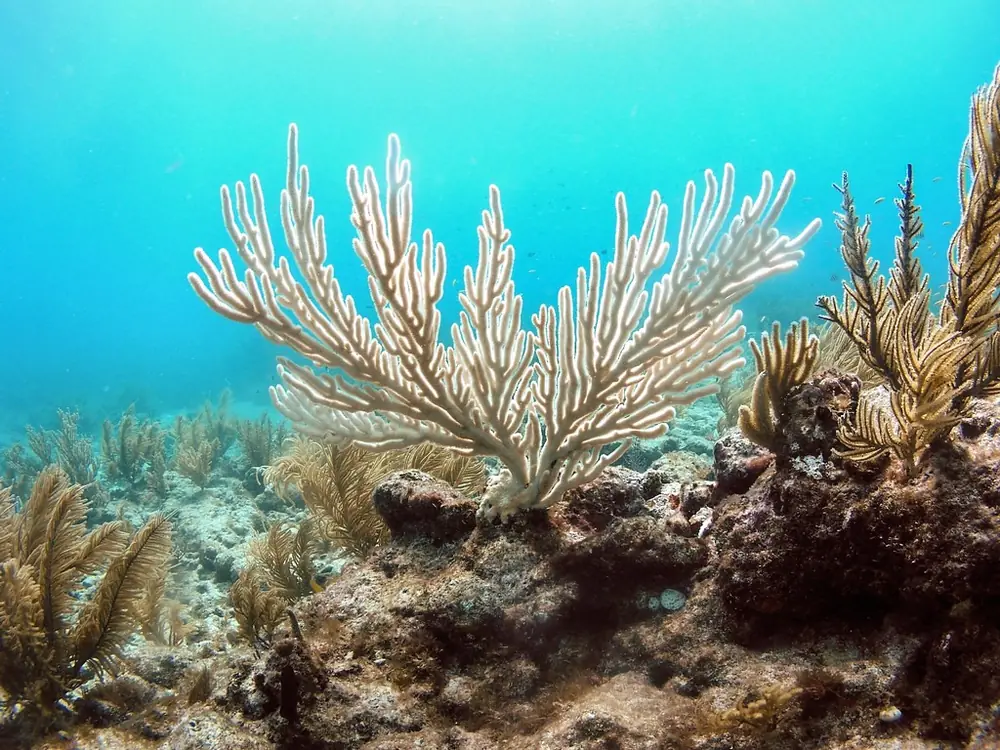
The "best" dive destination depends on what you want: colorful reefs, big animals like sharks and manta rays, historic wrecks or easy shore diving. Your certification level matters too, since some sites have strong currents or depth and are only suited to experienced divers. Here are ten destinations divers rave about. Newly certified? Our guide to the best scuba diving destinations for beginners focuses on calm, shallow, warm spots. Check local dive operators for seasons and conditions before booking.
Destinations at a Glance
| Destination | Known For | Level |
|---|---|---|
| Raja Ampat, Indonesia | Extraordinary reef biodiversity | All levels (some currents) |
| Great Barrier Reef, Australia | World's largest coral reef system | All levels |
| Red Sea, Egypt | Reefs and the SS Thistlegorm wreck | All levels |
| Palau | Walls, channels, sharks | Intermediate to advanced |
| Galápagos, Ecuador | Hammerheads and big animals | Advanced |
| Bonaire | Easy shore diving, marine park | Beginner friendly |
| Cozumel, Mexico | Drift diving, clear water | Beginner to intermediate |
| Chuuk (Truk) Lagoon, Micronesia | WWII shipwrecks | Intermediate to advanced |
| Maldives | Manta rays and whale sharks | All levels |
| Silfra, Iceland | Diving between tectonic plates | Drysuit certification |
1. Raja Ampat, Indonesia
In the heart of the Coral Triangle, Raja Ampat is renowned for its marine biodiversity, with dense coral reefs and huge numbers of fish species. Some sites have strong currents.
2. Great Barrier Reef, Australia
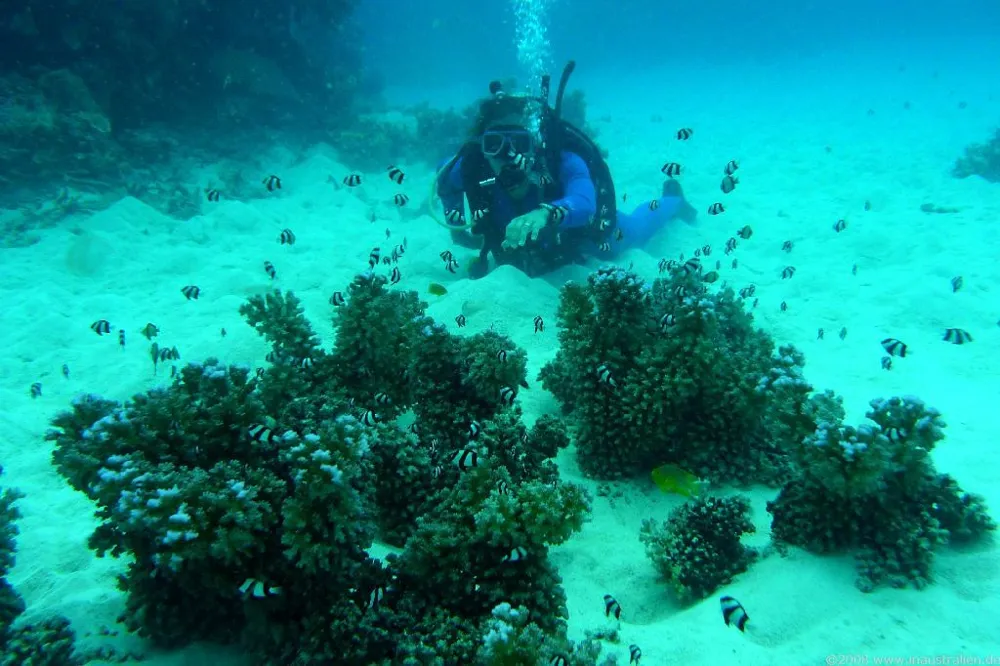
The world's largest coral reef system stretches along the coast of Queensland. Day trips and liveaboards reach reefs suited to every level.
3. Red Sea, Egypt
Warm water, colorful reefs and famous wrecks, including the WWII SS Thistlegorm, make the Red Sea a classic dive destination. Ras Mohammed National Park is a highlight.
4. Palau
Palau is known for dramatic walls, channels and big marine life, with famous sites like Blue Corner. Currents make many sites better for experienced divers.
5. Galápagos Islands, Ecuador
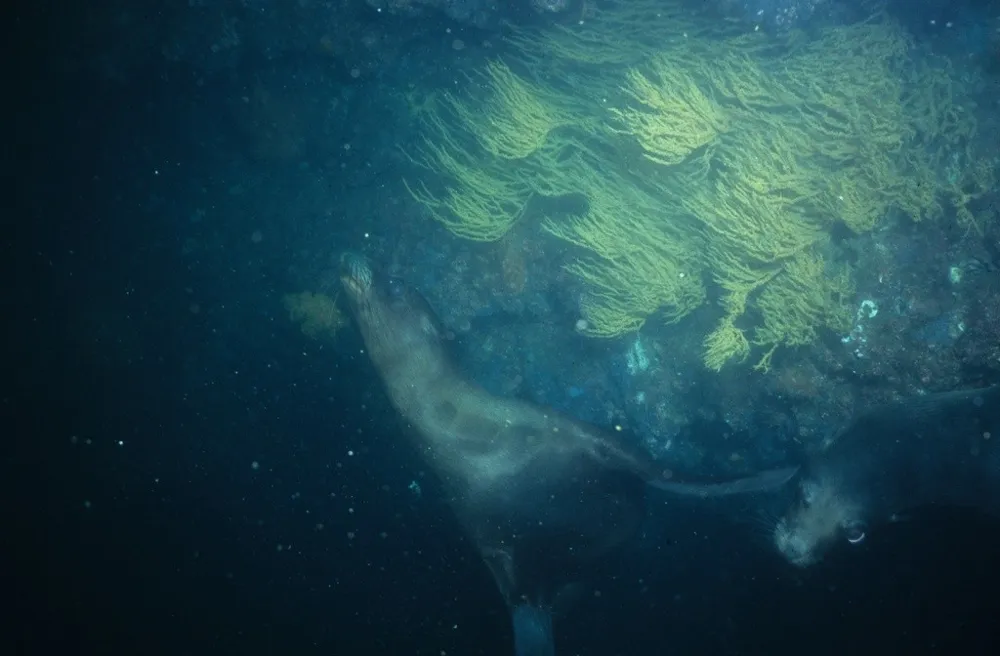
The Galápagos is famous for big animal encounters, including schooling hammerhead sharks at remote sites. Cold currents and strong water movement mean many sites are for advanced divers.
6. Bonaire
Bonaire's protected marine park and many marked shore sites make it one of the best places for easy, independent shore diving.
7. Cozumel, Mexico
Part of the Mesoamerican Reef, Cozumel is known for gentle drift dives along reefs with very clear water.
8. Chuuk (Truk) Lagoon, Micronesia
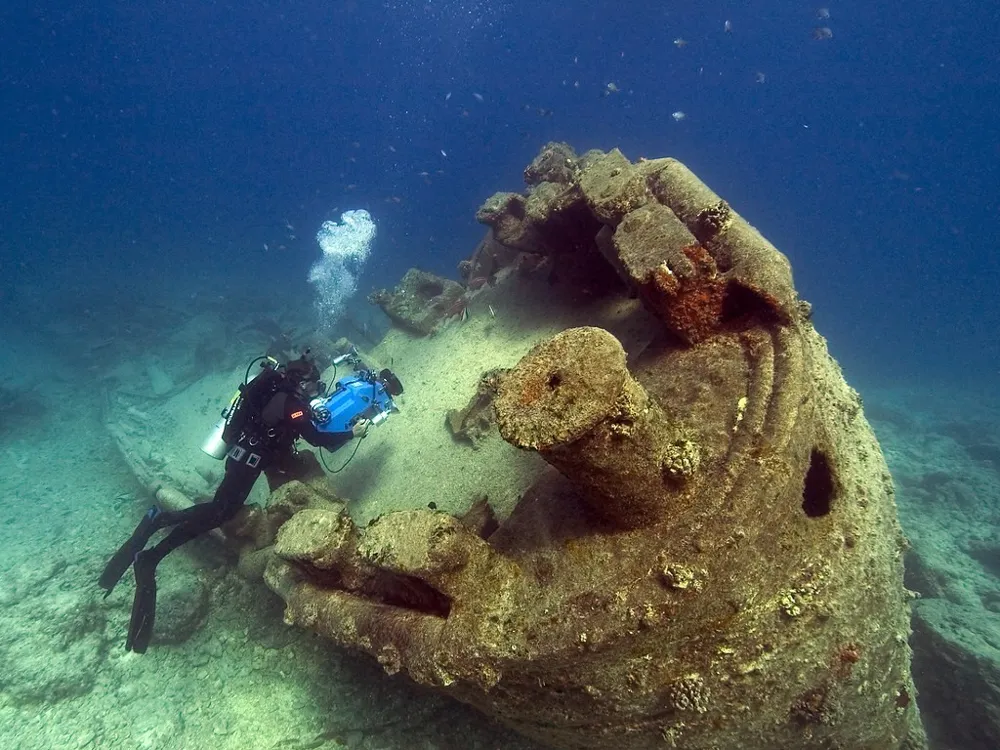
A wreck diver's dream, Chuuk Lagoon holds many Japanese ships and aircraft sunk during World War II. Depth and penetration on some wrecks require advanced training. Closer to home for US divers, the purpose-sunk warships in our guide to scuba diving in Florida offer big-wreck diving too.
9. Maldives
The Maldives' atolls offer reefs, channels and seasonal encounters with manta rays and whale sharks, often from liveaboards.
10. Silfra, Iceland
In Thingvellir National Park, divers and snorkelers float in very clear, cold water in a fissure between the North American and Eurasian tectonic plates. Diving requires drysuit certification. For cold-water kelp diving closer to home, see our guide to scuba diving in California.
Planning Tips
- Match sites to your certification and experience.
- Check seasons for visibility, water temperature and marine life.
- Consider dive insurance.
- Follow your agency's guidelines on flying after diving.
- Respect marine parks: don't touch coral or wildlife.
Liveaboard or Land-Based?
| Liveaboard | Land-Based Resort | |
|---|---|---|
| Dives per day | Often several | Usually one to three |
| Remote sites | Reaches far-off reefs | Limited to sites near shore |
| Non-divers | Less to do | More activities |
| Best for | Dedicated divers | Beginners, families and mixed groups |
Fees and Rules
Many marine parks charge entry or reef fees and set rules on gloves, touching and fish feeding. Some sites require a minimum certification level or number of logged dives. Check with the dive operator before you book. For flying home, Divers Alert Network recommends at least 12 hours after a single no-decompression dive and 18 hours after multiple dive days.
Gear for the Trip
Scubapro Seawing Nova
A popular dive fin with an articulated blade and a bungee strap.
Check Price on AmazonGoPro HERO13 Black
A popular action camera for capturing your dives (check depth rating and housing needs).
Check Price on AmazonGetting started? See how to get scuba certified, the equipment list, scuba vs freediving, how deep you can scuba dive and underwater cameras. Heading to the Caribbean? See the best scuba diving in the Caribbean.
Frequently Asked Questions
What is the best place in the world to scuba dive?
It depends on what you want to see. Raja Ampat is famous for marine biodiversity, Chuuk Lagoon for wrecks and the Galápagos for big animals.
Where should beginner divers go?
Places with calm, clear, warm water and good shore diving, like Bonaire and parts of the Red Sea and Cozumel, suit beginners.
Do I need to be certified to dive these places?
Yes, for scuba. Some destinations require advanced certification and experience for certain sites.
When is the best time to go?
Seasons vary widely by destination. Check local dive operators for water conditions, visibility and marine life seasons.
What is the Coral Triangle?
A region in Southeast Asia and the western Pacific known for exceptional coral and fish diversity, including Raja Ampat.
Is a liveaboard better than a dive resort?
Liveaboards reach remote sites and fit in more dives; land-based resorts suit beginners and groups with non-divers.