Longboarding and Surfskating Guides (2026)
Cruising, carving, dancing, downhill and surf-style skating, plus the boards and parts each style needs.
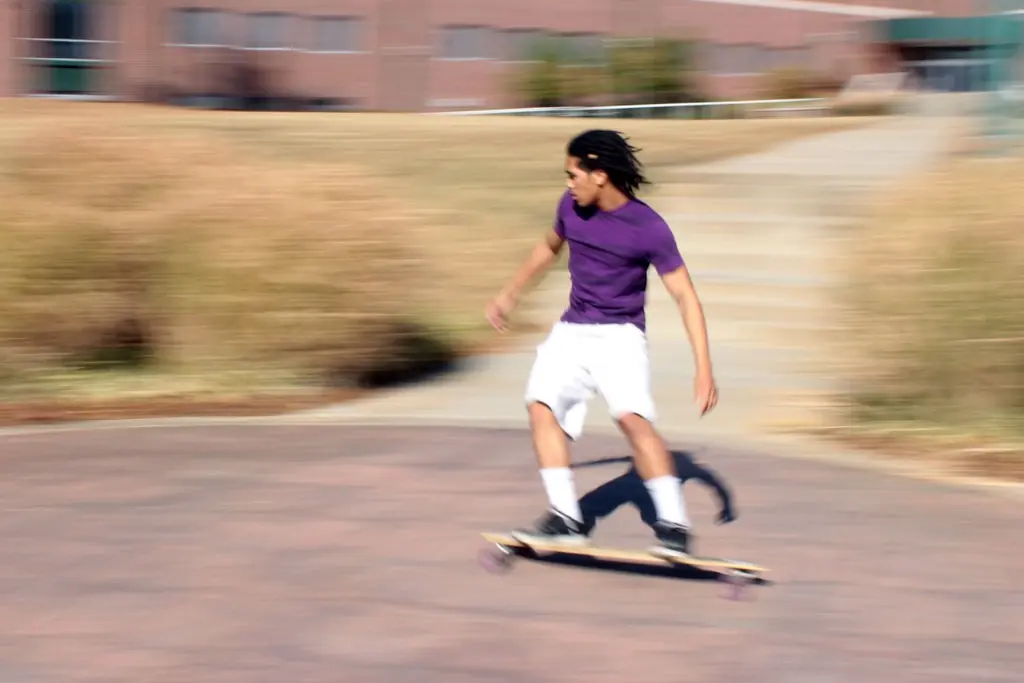
Which Board Fits Your Riding?
"Longboarding" covers several styles, and each pulls the board design in a different direction.
| Style | Typical Board | Guide |
|---|---|---|
| Cruising and commuting | Drop-through or pintail, soft wheels | Beginner longboards |
| Carving | Flexible deck, responsive trucks | How to carve |
| Dancing | Long, flat deck with kicktails | Longboard dancing |
| Freeride and downhill | Stiff, low deck, slide-friendly wheels | Downhill longboards |
| Surf-style pumping | Surfskate with a pivoting front truck | Surfskates |
| Short trips | Penny or nickel board | Penny boards |
All Longboarding and Surfskating Guides
Buying Guides
9- Buying guideBest Electric Skateboard
- Buying guideBest Longboard Wheels
- Buying guideBest Longboards
- Buying guideBest Longboards for Beginners
- Buying guideBest Penny Boards
- Buying guideBest Surfskates
- Buying guideBest Downhill Longboards
- Buying guideBest Longboard Trucks
- ReviewShark Wheels Review
How-To Guides & Explainers
12- How-to & infoHow to Longboard: Beginner's Guide
- How-to & infoLongboard Tricks
- How-to & infoWhat Is a Surfskate?
- How-to & infoHow to Slide on a Longboard
- How-to & infoHow to Stop on a Longboard
- How-to & infoHow to Surfskate
- How-to & infoLongboard Dancing
- How-to & infoLongboard Size Guide
- How-to & infoHow to Carve on a Longboard
- How-to & infoPenny Board Tricks
- How-to & infoSpeed Wobble Skateboard
- How-to & infoTypes of Longboards
Comparisons
5- ComparisonLongboard vs Skateboard
- ComparisonCarver vs Yow Surfskate
- ComparisonDrop Through vs Top Mount Longboard
- ComparisonLongboard vs Cruiser
- ComparisonNickel Board vs Penny Board
Know Your Deck Mounts
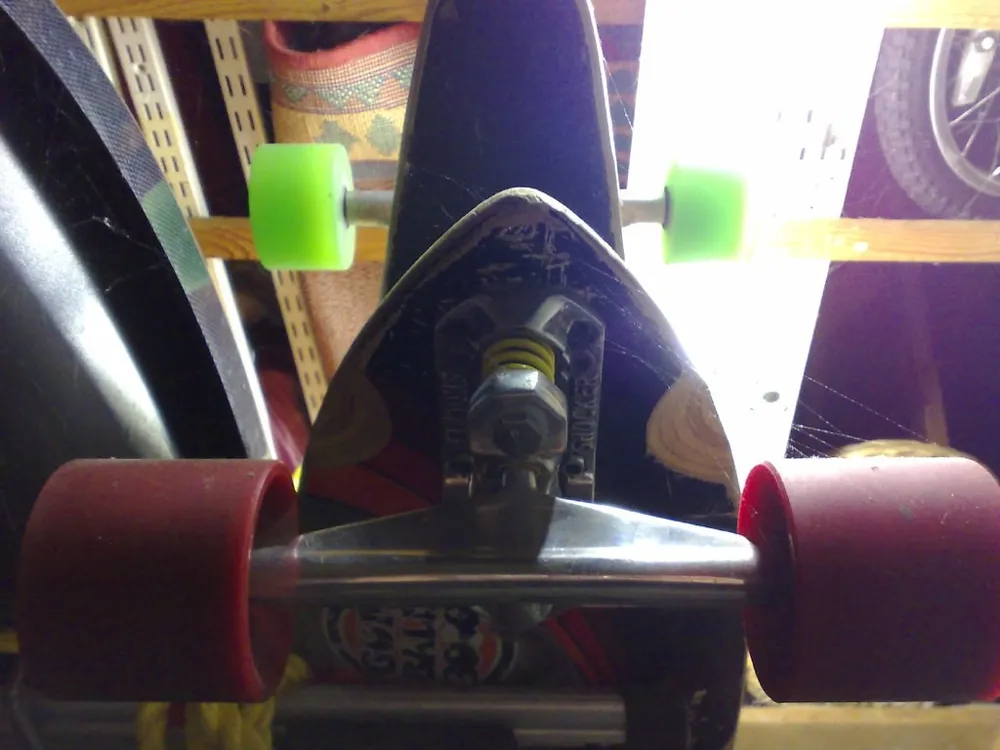
How the trucks attach to the deck changes how a board rides. Top-mount boards sit higher and turn more sharply. Drop-through boards sit lower, which makes pushing easier and feels more stable at speed. Drop-through vs top-mount explains the trade-off, and types of longboards covers the other shapes.
Wheels and Trucks Shape the Ride
Longboard wheels are usually larger and softer than skateboard wheels, so they roll over rough pavement. Softer wheels grip, and harder wheels slide. Truck geometry controls how quickly the board turns. See longboard wheels and longboard trucks.
Control Your Speed
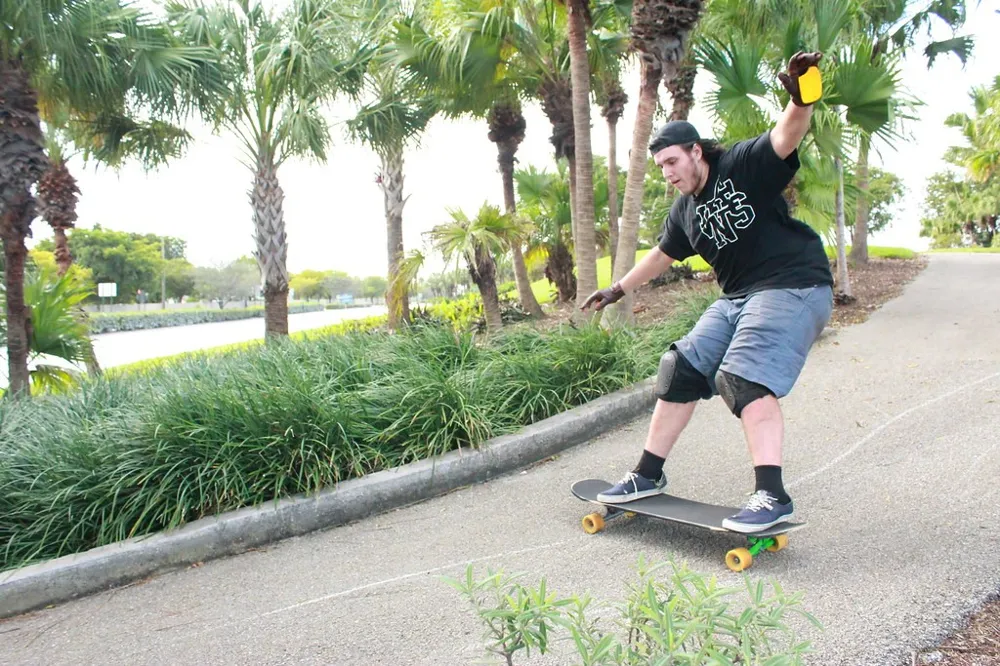
Learn to stop before you learn to go fast. Foot braking comes first, then carving to scrub speed, then slides. How to stop on a longboard and how to slide cover each method. If the board starts shaking at speed, read speed wobbles. Wear a helmet, and add slide gloves for freeride.
Longboarding Styles
| Style | What It Involves |
|---|---|
| Cruising and commuting | Relaxed rides and getting around town |
| Carving | Flowing, surf-like turns; see how to carve |
| Dancing and freestyle | Cross-steps and spins on long decks; see longboard dancing and longboard tricks |
| Freeride | Slides and controlled speed on hills; see how to slide |
| Downhill | High-speed racing and riding; see downhill longboards |
| Surfskating | Pumping and carving with surf-style trucks; see what is a surfskate |
Safety Gear for Longboarding
- A certified helmet every ride; full-face for downhill.
- Slide gloves for hills and sliding.
- Knee and elbow pads while learning.
- Flat, grippy shoes for foot braking.
See speed wobbles before riding hills.
Frequently Asked Questions
Is a longboard good for beginners?
Yes. Longboards are longer and usually have bigger, softer wheels than standard skateboards, which makes them more stable for cruising and carving. They aren't designed for most flip tricks.
What is the difference between a longboard and a surfskate?
A surfskate uses a special front truck that pivots much further than a normal truck, so you can pump for speed and carve tightly like on a wave. A longboard turns more gently and is better for distance and speed.
What size longboard should I get?
It depends on the riding style. Shorter boards suit tight carving and city riding, longer boards suit stability, dancing and downhill. Our longboard size guide covers length and width.
Is longboarding easier than skateboarding?
For cruising, usually yes. Longboards are longer, more stable and use soft wheels that roll over cracks, so most beginners feel comfortable faster. Skateboards are better for tricks.
Can you learn tricks on a longboard?
Yes, depending on the board: dancer decks suit footwork tricks, freeride boards suit slides, and kicktail longboards allow kickturns and some basic tricks.