How to Longboard: Your First Rides, Step by Step (2026)
From finding your stance to stopping with confidence, this guide covers everything you need for your first week on a longboard.
Before You Start
Longboarding is one of the easiest board sports to pick up. A longboard's long, stable deck and big, soft wheels forgive a lot of mistakes. Still, the first sessions go better with the right board, the right gear and the right place to practice.
Choose a Beginner-Friendly Longboard
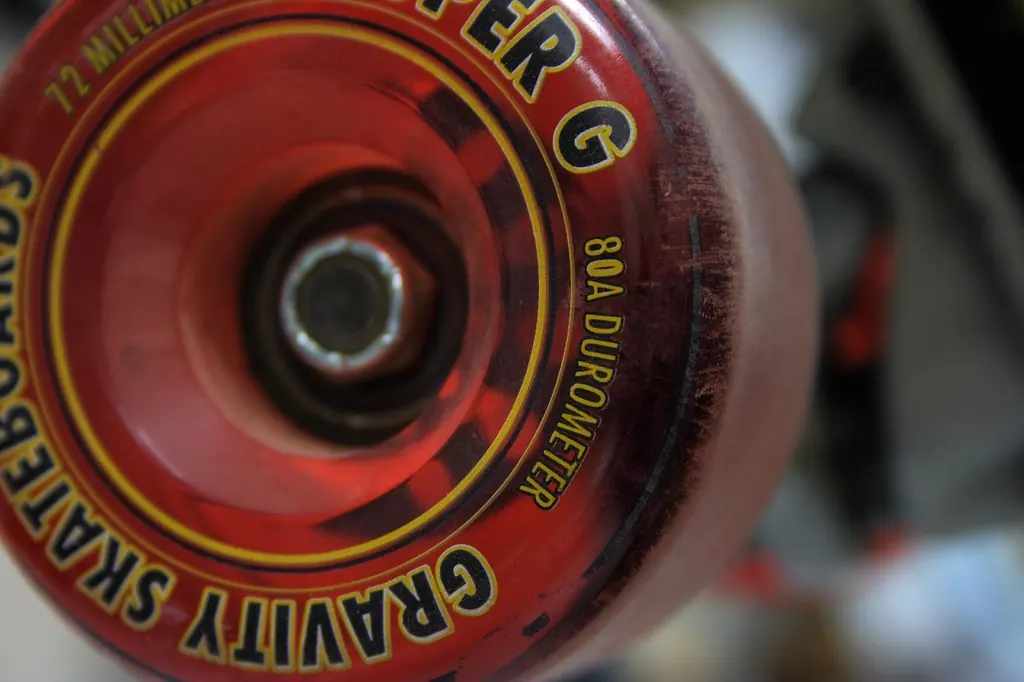
Look for a board that sits low to the ground, such as a drop-through or drop-down design, because a low deck is easier to push and more stable. Big, soft wheels roll over cracks and pebbles. A deck in the middle of the length range is a good all-rounder. See the best longboards for beginners and types of longboards.
Wear the Right Gear
- Helmet: certified to the CPSC bike standard or ASTM F1492, worn every ride.
- Wrist guards: the most common beginner injury comes from reaching out to catch a fall.
- Knee and elbow pads: worth it for the first few weeks.
- Flat, grippy shoes: never sandals or flip-flops.
Find a Safe Practice Spot
Start on smooth, flat, empty ground: an empty parking lot, a quiet basketball court or a smooth path with no traffic. Avoid hills until you can stop reliably.
Step 1: Find Your Stance
Riders are either regular (left foot forward) or goofy (right foot forward). To find yours, stand still and have someone gently nudge you from behind; the foot you step forward with usually goes at the front. You can also notice which foot you lead with when sliding on a smooth floor in socks. Read goofy vs regular for more.
Stand on the board on grass or carpet first. Place your front foot just behind the front truck bolts, angled slightly forward. Place your back foot near the tail, roughly shoulder-width apart, turned more sideways. Bend your knees and keep your weight centered.
Step 2: Push and Roll
- Put your front foot on the board, pointing mostly forward.
- Bend your front knee and keep your weight over that foot.
- Push off the ground with your back foot in short, smooth strokes.
- Once you're rolling, turn your front foot sideways and place your back foot on the board.
- Look ahead, not down at your feet.
Practice gliding in a straight line, then switch to pushing with your other foot occasionally to build balance. If you naturally push with your front foot instead, read about pushing mongo.
Step 3: Turn and Carve
Longboards turn when you lean. Pressing your toes down tilts the deck and turns the board toward your toe side (a frontside turn). Pressing your heels turns toward your heel side (a backside turn). Lead with your eyes and shoulders, keep your knees bent and lean gradually.
Once gentle turns feel natural, link them into smooth S-shaped carves. Carving is fun, and it's also how you control speed on gentle slopes. How to carve on a longboard goes deeper.
Truck tightness matters. Loose trucks turn easily but can feel twitchy. Tight trucks feel stable but resist turning. If the board feels hard to steer or wobbly, adjust the kingpin nut a quarter turn at a time.
Step 4: Learn to Stop
Learn to stop before you learn to go fast. There are three beginner-friendly ways:
| Method | When to Use | How |
|---|---|---|
| Run-out | Very slow speeds | Step off and run a few steps to slow down |
| Foot brake | Low to moderate speeds | Keep weight on the front leg, lower the back foot and drag its sole flat on the ground with gradually increasing pressure |
| Carving | Gentle slopes | Make wide S-turns to bleed off speed |
Practice foot braking on flat ground until it's automatic. Sliding is a more advanced stopping method for later; see how to stop on a longboard and how to slide.
Step 5: Learn to Fall
Everyone falls. When you feel it coming, bend your knees and get low, then try to roll onto your side or shoulder instead of landing on straight arms. Practice stepping off the board at low speed so it becomes instinctive. See how to fall on a skateboard.
Speed Wobbles: What They Are and How to Avoid Them
A speed wobble is when the board starts shaking side to side at speed. It usually happens when you go faster than you're comfortable with, stiffen up, lean back or have very loose trucks. To prevent it, stay relaxed, keep your knees bent, keep more weight on your front foot and never ride faster than you can stop. If it starts, crouch, shift weight forward and slow down gradually. Read speed wobbles for more.
Check Your Board Before Every Ride
A one-minute check prevents most equipment surprises:
- Spin each wheel. It should roll freely without grinding.
- Check that the axle nuts are snug, but not so tight that the wheels can't spin.
- Wiggle the trucks. Mounting bolts should be tight with no play.
- Look for cracks in the deck, especially around the truck holes.
- Make sure the griptape isn't peeling at the edges.
Pumping: Gaining Speed Without Pushing
Pumping uses rhythmic carving to build speed on flat ground. Compress your legs as you start a turn, then extend them as you come out of it, pushing the board into each carve. It takes practice, but it's a fun skill that saves energy on longer rides and is the basis of surfskating. Start with gentle, wide carves before trying to generate real speed.
Riding Safely Around Others
- Know your local rules. Some cities restrict boards on sidewalks, roads or bike lanes.
- Ride on the right and pass on the left, and slow down around pedestrians.
- Avoid riding at night unless you have lights and reflective clothing.
- Scan for gravel, wet leaves, manhole covers and cracks, which can stop small wheels.
- Never hold onto moving vehicles.
Longboarding Styles to Explore
| Style | What It Involves | Typical Board |
|---|---|---|
| Cruising and commuting | Getting around town smoothly | Drop-through or pintail |
| Carving | Flowing turns and pumping | Flexible deck, responsive trucks |
| Dancing | Footwork and steps while rolling | Long, flat deck with kicktails |
| Freeride | Slides and controlled drifts | Symmetrical deck, slide-friendly wheels |
| Downhill | High-speed hill riding | Stiff, low deck; full safety gear |
Freeride and downhill need slide gloves, a full-face helmet and proper instruction or experienced riders to learn with.
A Simple First-Week Plan
| Session | Focus |
|---|---|
| 1 | Stance, balance on the spot, short pushes and glides |
| 2 | Longer pushes, gentle frontside and backside turns |
| 3 | Linking turns, first foot-brake attempts |
| 4 | Foot braking from a slow roll, carving S-turns |
| 5 | Riding around obstacles, switching push foot |
| 6–7 | Very gentle slope, only once foot braking is reliable |
Keep sessions short and stop when you get tired. Most falls happen at the end of a session.
Common Beginner Mistakes
- Locked knees: stiff legs make the board feel unstable. Stay bent and relaxed.
- Leaning back: weight on the back foot makes the board shoot forward. Stay centered or slightly forward.
- Looking down: look where you want to go.
- Hills too early: learn to stop on the flat first.
- Skipping the helmet: even slow falls can cause head injuries.
Where to Go Next
Once you're comfortable cruising, try different styles. Longboard dancing adds footwork on long, flat decks. Freeride and downhill involve sliding and speed, which call for more gear and practice. Still deciding on a board? Compare longboard vs skateboard and longboard vs cruiser.
Frequently Asked Questions
How long does it take to learn to longboard?
Most people can push, cruise and turn gently within a few sessions on flat ground. Confident foot braking and carving usually take a few weeks of regular practice. Hills and slides take longer.
Is longboarding easier than skateboarding?
For cruising, yes. A longboard's larger deck and soft wheels feel more stable. Skateboarding tricks take much longer to learn.
Should I push with my front or back foot?
Most riders keep the front foot on the board and push with the back foot. Pushing with the front foot (mongo) works but is less stable at speed.
What do I do if my longboard starts wobbling?
Stay calm, bend your knees, put more weight on your front foot and slow down gradually. Don't stiffen up or make sharp turns. Tighter trucks can help while you learn.
Do I need a helmet to longboard?
Yes. Wear a certified helmet every ride, even on flat ground. Wrist guards and knee pads are smart while you learn.