Best Skateboards for Beginners: Start on the Right Board (2026)
A good first board is a real pro-style complete in the right width. Here are five beginner-friendly options and how to size them.
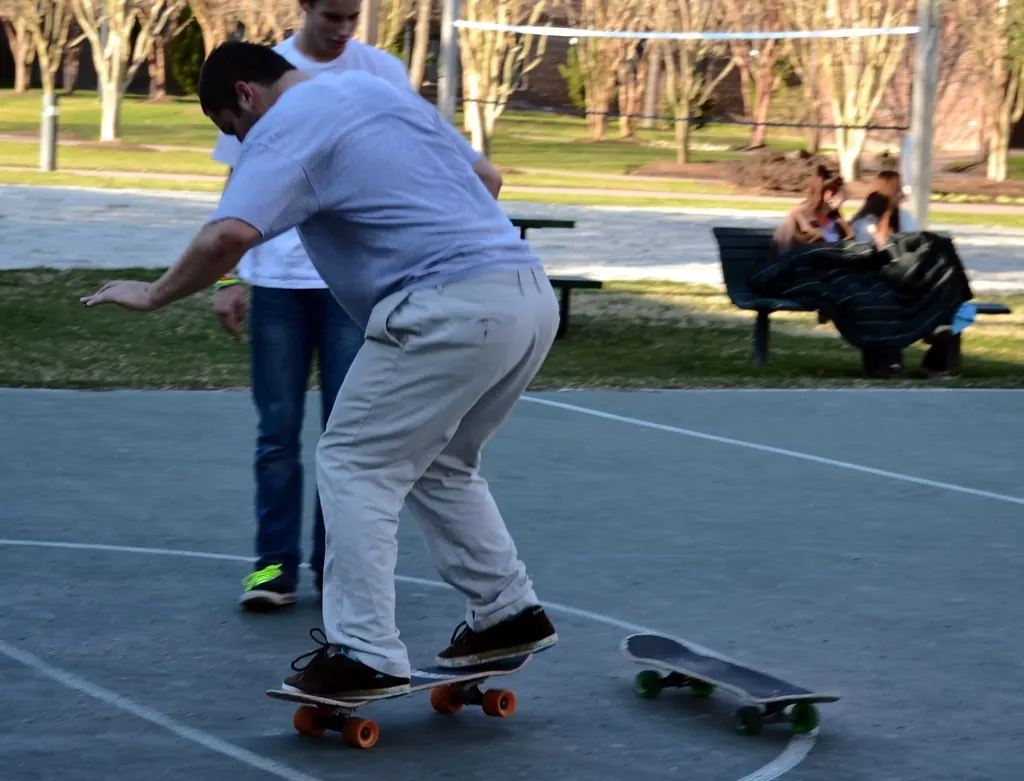
Quick Answer: What Makes a Good First Skateboard?
The best skateboard for a beginner isn't the most expensive one. It's a complete from a real skate brand, in a width that suits your feet, with wheels that match the ground you'll ride on. Get those three things right and learning gets much easier.
These five boards cover the common starting points: a standard trick board for adults and teens, a park-focused option, a kids' board, a budget blank and a cruiser for people who mainly want to ride around.
Santa Cruz Complete Skateboard
Best overall for most beginners
- Pro-brand complete, ready to ride
- Sold in common adult widths
- Medium concave that feels predictable
Birdhouse Complete Skateboard
Best for learning tricks at the park
- 7-ply maple deck
- Wide range of widths from about 7.75" to 8.5"
- Hard street wheels for smooth concrete
Birdhouse Beginner Complete (7.5")
Best for kids
- Narrow 7.5" deck for smaller feet
- Complete and ready to ride
- Beginner-focused setup
Beginner Skateboards Compared
| Board | Type | Best For | Ride Surface |
|---|---|---|---|
| Santa Cruz Complete | Standard popsicle complete | Teens and adults learning the basics | Streets and skateparks |
| Birdhouse Complete | Standard popsicle complete | Learning tricks at the park | Smooth concrete |
| Birdhouse Beginner Complete (7.5") | Kids' complete | Children with smaller feet | Driveways, paths, small parks |
| CCS Complete | Budget complete | Tight budgets, first board to wear in | Skateparks and smooth ground |
| Landyachtz Dinghy | Cruiser | Riding around town | Rough streets and bike paths |
The Best Skateboards for Beginners, Reviewed
1. Santa Cruz Complete Skateboard
Santa Cruz is one of the oldest skateboard brands, and its factory completes are a common first board in skate shops. They come fully assembled with trucks, wheels and bearings, so you can ride straight out of the box. Completes are sold in several widths, which makes it easy to match the board to your shoe size.
Some Santa Cruz completes use a birch deck rather than maple. Birch is a little less snappy for ollies, but it's perfectly fine for learning to push, turn and ride. If you plan to focus on tricks, check the listing for a maple deck.
Good to Know
- Recognized skate brand, assembled and ready
- Several widths to choose from
- Graphics and shapes for most tastes
Watch Out For
- Some models use birch rather than maple
- Check wheel hardness if you'll ride rough streets
2. Birdhouse Complete Skateboard
Birdhouse, the brand co-founded by Tony Hawk, makes completes with 7-ply maple decks in widths from roughly 7.75" to 8.5". Maple gives more pop than cheaper woods, which helps once you start learning ollies. The hard wheels that typically come on these boards are made for smooth skatepark concrete and help the board slide on ledges.
That same wheel hardness makes the ride rougher on cracked sidewalks. If most of your skating happens on the street, consider swapping to softer wheels later.
Good to Know
- Maple deck with good pop
- Wide size range
- Well suited to skateparks
Watch Out For
- Hard wheels feel rough on bumpy pavement
3. Birdhouse Beginner Complete (7.5")
Children struggle on adult boards because a full-width deck is too wide for small feet. Birdhouse's beginner completes include narrower sizes such as 7.5", which suit many kids roughly 9 to 12 and smaller-footed teens. It arrives assembled, so it's ready to ride.
Very young children may need an even narrower deck. Check the skateboard size chart before ordering, and plan to move up a size as your child grows.
Good to Know
- Narrow deck for small feet
- Complete and ready to ride
- From an established skate brand
Watch Out For
- Kids grow out of the width
- Too narrow for most adults
4. CCS Complete Skateboard
CCS completes skip the pro-brand price but keep a maple deck and standard skate components. They come in a wide range of widths, which makes them a practical first board you won't mind scuffing up. Many skaters wear out their first deck quickly anyway.
Good to Know
- Lower cost than graphic decks
- Wide choice of widths
- Real skate components
Watch Out For
- Plain looks
- Concave can feel flatter than pro decks
5. Landyachtz Dinghy Cruiser
If you mainly want to ride to class, the shop or the beach, a cruiser is easier than a trick board. The Dinghy is a compact cruiser with a kicktail and soft wheels that roll over cracks and pebbles. It's still small enough to carry, and you can learn basic kick turns and curb hops on it.
Good to Know
- Soft wheels for rough streets
- Compact and portable
- Kicktail for quick turns
Watch Out For
- Not designed for flip tricks
- Shorter wheelbase feels twitchy at speed
How to Choose Your First Skateboard
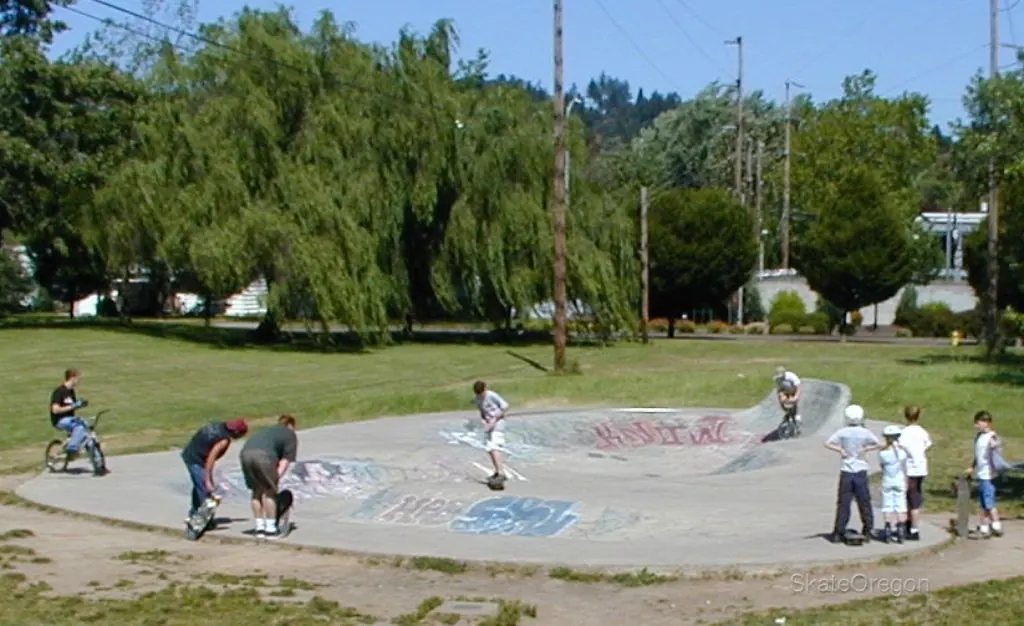
Pick a Complete From a Skate Brand
Toy-store boards often use plastic trucks, low-grade wheels and decks that warp or snap. They feel slow and unstable, which makes learning harder. A complete from a skateboard brand uses the same kinds of parts experienced skaters ride. Read the skateboard anatomy guide if the part names are new to you.
Choose the Right Deck Width
Deck width matters more than length for most beginners. Wider decks feel more stable, and narrower decks flip more easily. Use your shoe size as the starting point:
| Rider | Typical Deck Width |
|---|---|
| Kids, about ages 6 to 8 | Around 7.0" |
| Kids, about ages 9 to 12 | Around 7.25"–7.5" |
| Teens and adults, US shoe 7–9 | Around 7.75"–8.0" |
| Adults, US shoe 9–11 | Around 8.0"–8.25" |
| Adults, US shoe 11 and up | Around 8.25"–8.5"+ |
These are common starting points, not strict rules. The full skateboard size chart covers more detail.
Match the Wheels to Where You'll Ride
Wheel hardness is measured on the durometer A scale. Softer wheels, around 78A to 87A, grip well and roll over rough pavement. Harder wheels, around 95A to 101A, are faster on smooth concrete and slide more easily. Most trick-board completes ship with hard wheels, so if you'll mostly ride streets and paths, a softer set makes a big difference. See hard vs soft skateboard wheels.
Diameter matters too. Smaller wheels, around 50mm to 54mm, are light and quick for street tricks. Larger wheels roll further and handle cracks better.
Don't Overthink Bearings and Trucks
Any skate-brand complete will have usable bearings and trucks. The bigger factor is keeping them clean and setting the trucks to the right tightness. Loose trucks turn easily but can wobble. Tight trucks feel stable but resist turning. Start in the middle and adjust; see how tight skateboard trucks should be.
Trick Board or Cruiser?
Choose a standard double-kick board if you want to learn ollies, flip tricks and skatepark skating. Choose a cruiser if you mostly want to get around. If you want stability for longer rides, a longboard may suit you better; compare them in longboard vs skateboard.
Complete or Custom: Beginner Setups That Work
A complete is the easiest start, but some skaters prefer to choose each part at a skate shop. If you go custom, these combinations are reliable starting points. Any reputable deck, truck and wheel brand works; what matters is that the sizes match.
| Setup | Deck | Trucks | Wheels | Good For |
|---|---|---|---|---|
| Street and park | About 8.0" | Mid-height, sized to an 8.0" deck | About 52–54mm, hard (99A–101A) | Learning ollies and flatground tricks |
| All-round | About 8.25" | Mid-height, sized to an 8.25" deck | About 54mm, medium-hard (95A–99A) | Parks, curbs and some street riding |
| Bigger feet or transition | About 8.5" | Mid to high, sized to an 8.5" deck | About 54–56mm, hard | Mini ramps, bowls and stable landings |
| Street cruising | About 8.25"–8.5" | Mid to high, with risers if needed | About 56–60mm, soft (78A–87A) | Rough pavement and getting around |
Truck makers list which axle width suits each deck width. If you fit soft, larger wheels, you may need risers to stop the wheels touching the deck in turns; see what risers do and wheel bite.
Types of Skateboards Beginners Should Know
- Standard skateboard (popsicle): double kicktail, made for tricks and skateparks. The boards above are mostly this type.
- Cruiser: often one kicktail and soft wheels, made for getting around. See cruiser skateboards.
- Mini cruiser: small plastic boards, such as penny boards, that are easy to carry but twitchy for beginners.
- Longboard: long and stable for cruising and carving, not flip tricks.
- Electric skateboard: motorized and fast. Learn on a regular board first.
Types of skateboards explains each in more detail.
Common Mistakes When Buying a First Skateboard
- Buying a toy board. Plastic trucks and hard, cheap wheels make learning harder and break quickly.
- Choosing the wrong width. A deck that's too narrow feels unstable; one that's far too wide feels heavy and hard to flip.
- Ignoring the wheels. Hard park wheels on rough streets feel slow and noisy, and small stones can stop them dead.
- Skipping the helmet budget. Set aside money for a helmet and wrist guards when you buy the board.
- Buying a longboard for tricks, or a trick board for commuting. Match the board to what you want to do first.
Looking After Your First Board
A little care keeps a beginner board rolling well. Check that the truck nuts and hardware are tight before each session, keep the board dry and wipe off dirt so it doesn't get into the bearings. If the board starts to feel slow, cleaning the bearings usually fixes it; see how to clean skateboard bearings. Griptape loses grip as it fills with dirt, so clean your griptape occasionally. Expect a heavily skated deck to wear at the tail and nose over time.
Safety Gear to Buy With Your Board
Falls are part of learning. A helmet certified to ASTM F1492 (the skateboarding standard) or the CPSC bike standard protects against the most serious injuries. Wrist guards protect against the most common ones, because people instinctively put a hand out when they fall. Pads help on ramps. See the best skateboard helmets and skateboard safety gear.
Your First Sessions
Start on smooth, flat ground away from traffic. Work out whether you ride goofy or regular, then practice standing, pushing and stopping before anything else. Learn how to turn and how to fall, then move on to the ollie. The learn to skateboard guide walks through each step.
Frequently Asked Questions
What size skateboard should a beginner get?
Most adults start between 8.0" and 8.25" wide. Riders with big feet (US 11 and up) often prefer 8.25" to 8.5". Kids need narrower decks: around 7.0" for ages 6 to 8 and 7.25" to 7.5" for ages 9 to 12.
Is a complete skateboard or a custom build better for beginners?
A complete from a skate brand is the simpler choice. Everything is matched and assembled, and you can swap parts later once you know your preferences.
Should a beginner get soft or hard wheels?
It depends on where you'll ride. Soft wheels (around 78A to 87A) roll over cracks and pebbles on streets and paths. Hard wheels (around 95A to 101A) suit smooth skateparks and make slides and tricks easier.
Are cheap department-store skateboards OK to learn on?
Usually not. Many use plastic or low-grade parts, weak decks and poor bearings, which make the board feel slow and unpredictable. A basic complete from a skate brand is a better investment.
What protective gear does a beginner need?
A certified helmet first, then wrist guards. Knee and elbow pads are worth adding for ramps and bowls.