How to Ollie on a Skateboard, Step by Step (2026)
The ollie is the foundation of almost every street trick. Here's how to learn it, from foot placement to landing, plus fixes for common problems.
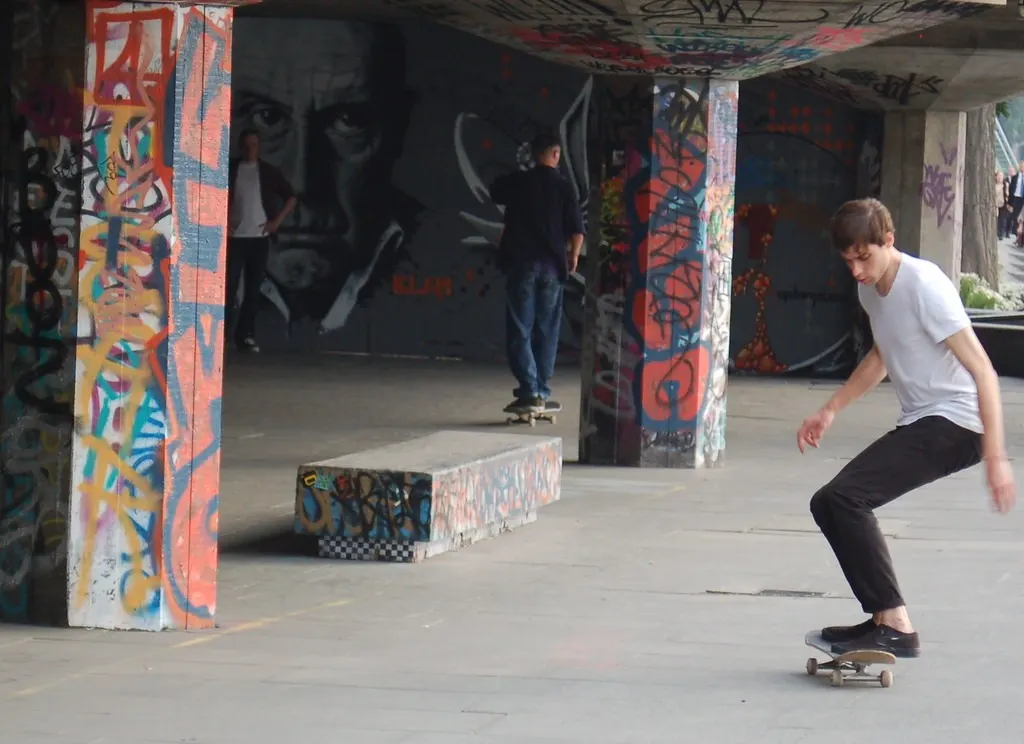
What Is an Ollie?
An ollie is a jump where you and your skateboard leave the ground together without your hands touching the board. You pop the tail down, slide your front foot up the board and lift your knees so the board rises with you. It's the base of most street tricks: kickflips, shuvits, grinds and getting onto curbs all start with an ollie. Before you start, make sure you can ride comfortably, turn and stop. If you're new, see how to skateboard.
What You Need
- A standard popsicle skateboard; see skateboards for beginners.
- Skate shoes with flat, grippy soles; see skate shoes.
- A helmet and wrist guards.
- Grass or carpet for your first attempts, then a smooth, flat surface.
Step 1: Foot Position
Place your back foot on the tail with the ball of your foot near the middle of the tail. Put your front foot just behind the front bolts, roughly in the middle of the board, angled slightly. Keep your shoulders lined up with the board and look forward. If you're unsure which foot goes forward, read goofy vs regular.
| Foot | Position |
|---|---|
| Back foot | Ball of the foot on the middle of the tail |
| Front foot | Just behind the front bolts, centered |
| Shoulders | Parallel to the board |
Step 2: Crouch
Bend your knees and crouch down, keeping your weight centered over the board. The lower you crouch, the more spring you'll have.
Step 3: Pop the Tail
Snap the tail down hard with your back foot so it strikes the ground. At the same moment, jump up off both feet. The pop is a quick, sharp motion, not a slow push.
Step 4: Slide Your Front Foot
As the board pops up, drag the side of your front shoe up the griptape toward the nose. This slide is what lifts the front of the board and levels it out. It's the hardest part of the ollie and takes the most practice.
Step 5: Lift Your Knees and Level Out
Pull your knees up toward your chest so the board can rise. As the nose comes up, push your front foot forward and down slightly to level the board in the air. Your back foot should rise with the tail.
Step 6: Land
Land with both feet over the bolts and your knees bent to absorb the impact. Landing on the bolts reduces the risk of snapping your board. Keep your weight centered and roll away.
Common Problems and Fixes
| Problem | Likely Cause | Fix |
|---|---|---|
| Board doesn't leave the ground | Weak pop or no front-foot slide | Snap the tail harder and drag the front foot up |
| Only the nose comes up | Front foot not leveling the board | Push the front foot forward at the top |
| Board shoots out in front | Weight too far back | Keep your weight centered over the board |
| Ollie turns sideways | Shoulders rotating or off-center pop | Keep shoulders parallel; pop from the middle of the tail |
| Landing stiff or falling | Straight legs | Bend your knees on landing |
| Feet land off the bolts | Uneven jump | Jump straight up and watch the board |
Practice Progression
- Practice the motion stationary on grass or carpet.
- Try stationary ollies on smooth concrete, holding a rail or friend for balance.
- Ollie while rolling slowly.
- Ollie over a line, then a stick, then a small object.
- Ollie up a low curb.
Safety Tips
- Wear a helmet; wrist guards help prevent the most common skate injuries.
- Learn how to fall: roll rather than landing on straight arms. See how to fall on a skateboard.
- Practice away from traffic and pedestrians.
- Take breaks when tired.
What to Learn Next
Once your ollie is consistent, try the pop shove-it, the kickflip and ollieing onto a low ledge. Compare ollie vs nollie and see our full list of skateboard tricks for beginners.
Frequently Asked Questions
How long does it take to learn to ollie?
It depends on practice time and comfort on the board. Some skaters land small ollies within days; for others it takes several weeks. Short, regular sessions help most.
Why does my board not go up when I ollie?
Usually the front foot isn't sliding up the board, or you're not jumping high enough. Pop the tail sharply, slide the side of your front shoe up toward the nose and lift your knees.
Should I learn to ollie standing still or rolling?
Start standing still on grass or carpet to learn the motion, then try it rolling slowly on smooth concrete. Rolling ollies feel easier once you have the timing.
Why does my ollie go sideways?
Your shoulders may be turning or your back foot may be off-center on the tail. Keep your shoulders parallel to the board and pop from the middle of the tail.
How do I ollie higher?
Crouch lower, pop harder, slide your front foot further up the board and pull your knees up toward your chest. Height comes with practice and confidence.