Best Skate Shoes for Grip, Board Feel and Durability (2026)
Six proven skate shoes and a plain guide to suede, vulcanized soles, cupsoles and cushioning.
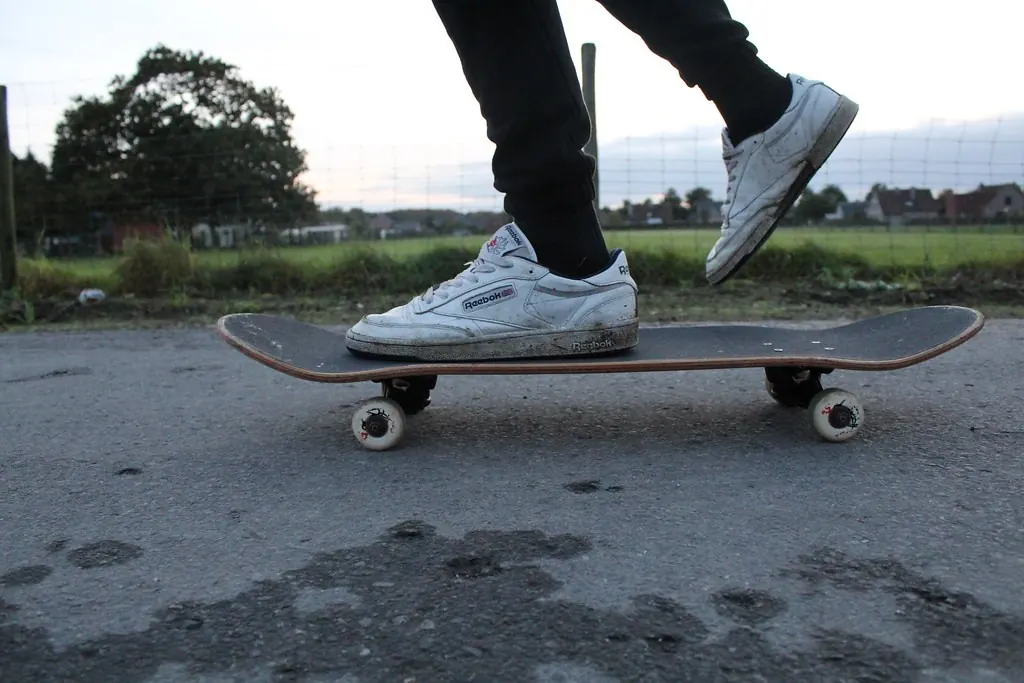
What Makes a Good Skate Shoe?
Skate shoes have a hard job. They need a flat, grippy sole for control, enough flexibility to feel the board, an upper that survives griptape and enough cushioning for landings. Every shoe balances those needs differently. The six below are long-running models from skate brands, chosen to cover board feel, durability and impact protection.
Vans Old Skool
Best all-round skate shoe
- Suede and canvas upper
- Vulcanized sole with waffle tread
- Classic low-top shape
Nike SB Zoom Blazer Low Pro GT
Best for board feel
- Suede upper
- Vulcanized construction
- Zoom Air unit in the heel
adidas Tyshawn
Best for impact protection
- Cupsole construction
- Suede upper
- Cushioned midsole for big landings
Skate Shoes Compared
| Shoe | Sole Type | Upper | Strength |
|---|---|---|---|
| Vans Old Skool | Vulcanized | Suede and canvas | All-round grip and feel |
| Nike SB Zoom Blazer Low Pro GT | Vulcanized | Suede | Board feel with some heel cushioning |
| adidas Tyshawn | Cupsole | Suede | Impact protection |
| New Balance Numeric 306 | Vulcanized | Suede with rubber reinforcement | Durability in the ollie area |
| DC Court Graffik | Cupsole | Leather or suede | Comfort and durability |
| Nike SB Heritage Vulc | Vulcanized | Check listing | Lower-cost Nike SB option |
The Best Skate Shoes
1. Vans Old Skool
The Old Skool is one of the most recognizable skate shoes ever made, with a suede and canvas upper and Vans' waffle-tread vulcanized sole for grip. Vans also sells a skate-specific version with extra reinforcement and cushioning; check which version a listing is for. It's a low-top that balances board feel and durability, which is why so many skaters treat it as their default shoe.
Check Price on Amazon2. Nike SB Zoom Blazer Low Pro GT
This low-profile Nike SB model pairs a suede upper with a vulcanized sole for close board feel. A Zoom Air unit in the heel adds cushioning where landings hit hardest. It suits street skaters who want a slim shoe without giving up all impact protection.
Check Price on Amazon3. adidas Tyshawn
The current version on Amazon is the Tyshawn II.
The Tyshawn is a cupsole shoe with a suede upper and a cushioned midsole. Cupsoles are stitched or glued around a thicker sole unit, which gives more support and protection. That makes the Tyshawn a good choice for skaters jumping gaps and stairs, at the cost of a little board feel.
Check Price on Amazon4. New Balance Numeric 306
The 306 is a vulcanized shoe with a suede upper and an extra rubber layer around the ollie area, which helps it resist griptape wear. It's a durable choice for both street and transition skating.
Check Price on Amazon5. DC Court Graffik
The Court Graffik is a long-running DC skate shoe with a cupsole and a padded collar and tongue. It's a comfortable, sturdy choice for everyday skating and for skaters who want more cushioning than a thin vulc shoe.
Check Price on Amazon6. Nike SB Heritage Vulc
The Heritage Vulc is a simpler, lower-cost Nike SB shoe with a vulcanized sole for board feel. It's a reasonable entry point for newer skaters; check the listing for upper material, since canvas versions wear faster than suede.
Check Price on AmazonHow to Choose Skate Shoes
Vulcanized vs Cupsole
Vulcanized ("vulc") shoes have a thin rubber sole bonded to the upper with heat. They're flexible and grippy, and they give the best board feel, but offer less impact protection. Cupsole shoes have a thicker, pre-formed sole that the upper sits inside. They're more supportive and protective but feel stiffer at first.
| Vulcanized | Cupsole | |
|---|---|---|
| Board feel | High | Moderate |
| Impact protection | Lower | Higher |
| Break-in time | Short | Longer |
| Best for | Street, flatground, technical tricks | Stairs, gaps, big drops |
Upper Material
Suede is the most durable common material against griptape. Canvas is lighter and cheaper but wears through faster. Some shoes add rubber or other reinforcement in the ollie area, where griptape does the most damage.
Fit and Cushioning
Skate shoes should fit snugly without pinching, because a loose shoe moves on the board. Check the insole, too: a thicker or better insole can make a vulc shoe far more comfortable. If your feet hurt after skating, see why your feet hurt when you skate.
Low, Mid or High
Low-tops give the most freedom of movement. Mids and highs protect your ankles from board hits, but they don't prevent sprains.
Skate Shoes by Skating Style
| Style | What Matters Most | Typical Choice |
|---|---|---|
| Technical street and flatground | Board feel, flexibility | Low-top vulc with suede |
| Stairs, gaps and big drops | Impact protection, heel support | Cupsole with a cushioned insole |
| Transition, bowls and ramps | Grip, durability, support | Vulc or cupsole, often mid-top |
| Cruising and longboarding | Comfort, grip | Any flat-soled skate shoe |
| Beginners | Durability and comfort | Suede vulc or a light cupsole |
Sizing and Fit
Skate shoes should feel snug through the midfoot with a little space at the toes. A loose shoe slides around on the griptape and makes the board harder to control. Sizing differs between brands, and even between models from the same brand, so check reviews for notes on width and length. If you have wide feet, look for models described as wide or roomy, or try a cupsole, which is often less narrow than a slim vulc.
Insoles and Heel Protection
Many vulc shoes come with thin insoles, which keeps the shoe light but offers little cushioning. Upgrading to a thicker skate insole adds comfort and helps protect against heel bruises from hard landings. If you skate stairs or big gaps, look for shoes with an air unit or thicker foam in the heel, or add a heel-cup insole.
Breaking In New Skate Shoes
Vulc shoes usually feel good within a session or two. Cupsoles can feel stiff for longer. Wear new shoes around the house or for easy cruising before a big session, and bend the sole by hand to speed things up. Avoid skating a brand-new pair on your most important day at the park.
Why Not Just Skate in Running Shoes?
Running shoes have soft, thick, curved soles made for forward motion. On a skateboard, that means less grip, less board feel and an unstable platform. Their mesh uppers also tear quickly against griptape. Any flat-soled canvas or leather shoe is better than a running shoe if you don't have skate shoes yet.
Skate Shoe Brands at a Glance
Skate shoes come from two kinds of companies: long-time skate brands such as Vans, DC, Emerica, Etnies, Lakai and Globe, and large sportswear brands with skate lines, such as Nike SB, adidas Skateboarding, New Balance Numeric and Converse CONS. Both make excellent shoes. Many skaters choose based on fit, since lasts and widths differ between brands.
Making Skate Shoes Last Longer
Every skater wears through shoes, but you can slow it down. Rotate between two pairs, let wet shoes dry naturally away from heat, patch holes early with shoe glue and keep your griptape from getting too coarse at the edges. Our guide to making skate shoes last longer has more tips, and how to lace skate shoes shows lacing that reduces wear.
Not sure you need skate-specific shoes yet? Read do you need skate shoes to skateboard? Comparing brands? See DC vs Vans and are Vans good for skateboarding?
Frequently Asked Questions
Do you need skate shoes to skateboard?
You can skate in any flat, closed shoe, but skate shoes grip the board better, protect your feet and last much longer against griptape. Running shoes have thick, soft soles that reduce board feel.
Are vulc or cupsole shoes better for skating?
Vulcanized shoes are thinner and flexible, giving more board feel. Cupsoles are thicker and more supportive, giving more protection on big impacts. Street skaters often prefer vulc; skaters jumping stairs often prefer cupsoles.
Is suede or canvas better for skate shoes?
Suede is more durable against griptape, so it usually lasts longer. Canvas is lighter and breaks in fast but wears through sooner.
How long do skate shoes last?
It depends on how often you skate and how much you flick. Regular street skaters can wear through the ollie area within weeks, while occasional skaters may get months out of a pair.