Where to Scuba Dive in the Caribbean: Walls, Wrecks and Sharks (2026)
Warm water, easy shore dives, deep walls and famous wrecks. Here's where to dive in the Caribbean, which sites suit your certification and when to go.
Why Scuba Dive in the Caribbean?
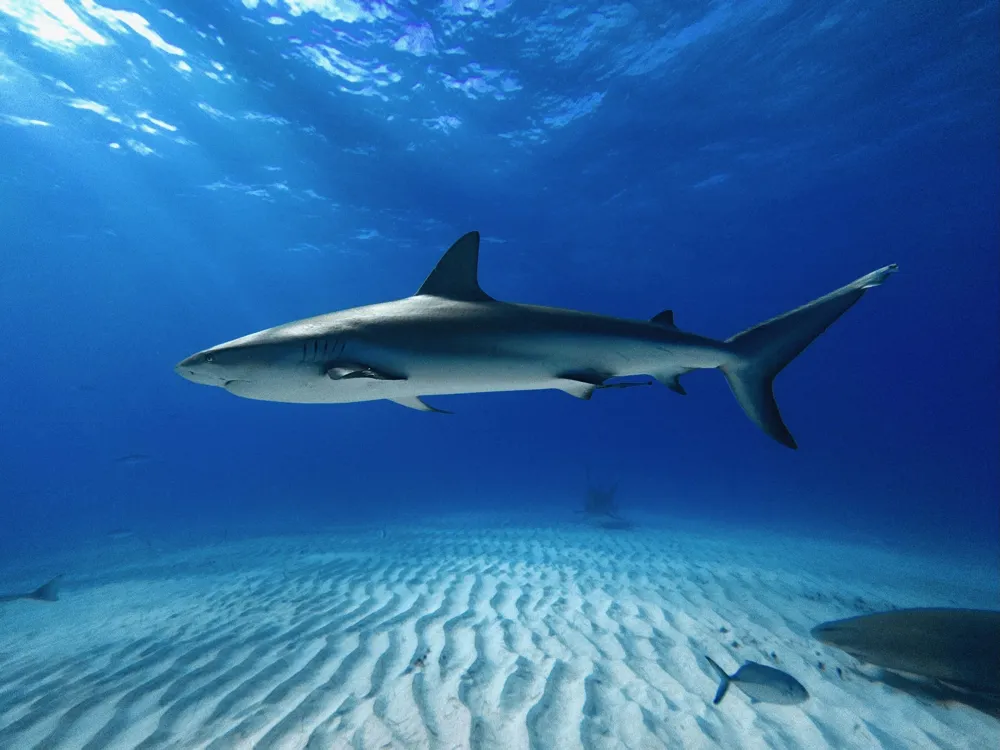
The Caribbean packs a lot of dive variety into short flights from North America: shore dives you can do on your own schedule, drift dives along long reefs, walls that drop far beyond recreational depth, shark dives, and wrecks sunk on purpose as artificial reefs. Water is warm all year, and many islands have protected marine parks.
This guide covers the islands most divers search for and what each one does best. If you plan to stay at the surface, see our separate guide to the best snorkeling in the Caribbean. For dive trips beyond the region, see our best scuba diving destinations in the world.
Caribbean Dive Destinations at a Glance
| Destination | Best For | Signature Dives | Level |
|---|---|---|---|
| Bonaire | Shore diving | 1000 Steps, Karpata, Hilma Hooker | All levels (wreck: Advanced) |
| Cozumel, Mexico | Drift dives | Southern marine park reefs, swim-throughs | All levels |
| Belize | Atolls and the Blue Hole | Great Blue Hole, Half Moon Caye, Turneffe | Blue Hole: Advanced |
| Cayman Islands | Walls and easy wrecks | Bloody Bay Wall, USS Kittiwake, Stingray City | All levels |
| Bahamas | Sharks and blue holes | Nassau shark dives, Tiger Beach, Bimini | Varies by dive |
| Roatán, Honduras | Reefs and wrecks | Hole in the Wall, El Aguila wreck | All levels |
| Turks and Caicos | Walls and whales | Providenciales walls, Turks Island Passage | All levels |
| Curaçao | Calm shore and boat dives | Mushroom Forest, Superior Producer | Beginner-friendly |
| Saba and St. Eustatius | Pinnacles and quiet reefs | Diamond Rock, Man O' War Shoals | Guided diving |
| Grenada | Wrecks and sculptures | Bianca C, Molinere sculpture park | Bianca C: deep/technical |
| St. Lucia | Walls under the Pitons | Anse Chastanet, Lesleen M | All levels |
| Dominica | Volcanic walls | Scott's Head, L'Abym | All levels |
| Jamaica | Caverns and marine parks | Throne Room, SS Kathryn | All levels |
| Cuba | Untouched reefs | Jardines de la Reina, María la Gorda | Varies by dive |
| St. Croix and Puerto Rico | U.S. territory diving | Cane Bay Wall, Desecheo Island | All levels |
"Level" is a general guide. Each dive operator sets its own requirements, so confirm before you book.
1. Bonaire
Bonaire is the Caribbean's shore-diving capital. The whole coastline is part of the Bonaire National Marine Park, and divers can drive between roadside sites, gear up at the water's edge and swim out to the reef. Explorersweb counts about 85 dive sites, many of them around the uninhabited islet of Klein Bonaire.
- Signature sites: 1000 Steps, Karpata and Bari Reef for reef life, and the Hilma Hooker cargo wreck, which lies at about 30 meters (100 feet). PADI says the wreck needs Advanced Open Water.
- Rules: the marine park's nature fee is mandatory for divers, you must do an orientation dive when you arrive, and gloves and knee pads are banned. STINAPA, the park manager, also asks divers to follow its coral-disease "stoplight" map. The east coast is for advanced divers with an experienced guide.
- Why go: unlimited, self-paced diving and calm west-coast conditions make Bonaire a favorite for new and experienced divers alike.
2. Cozumel, Mexico
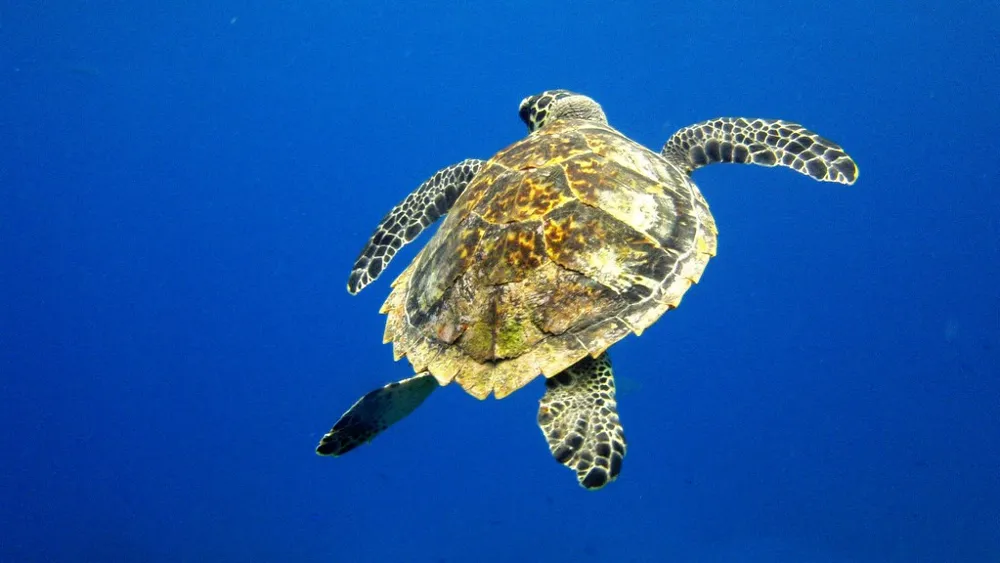
Cozumel sits on the Mesoamerican Reef, and its southern reefs are protected as a marine park. PADI counts more than 45 dive sites, and most dives are drift dives: you drop in, let the current carry you along the reef and the boat picks you up at the end. Expect swim-throughs, nurse sharks, eagle rays, turtles, moray eels and the splendid toadfish.
Cozumel works for beginners and advanced divers alike, and diving runs year-round. Drift diving is a skill in itself, so newer divers should tell the operator their experience and stay close to the guide.
3. Belize
Belize's barrier reef system is a UNESCO World Heritage Site, and most dive trips focus on its three offshore atolls: Lighthouse Reef, Turneffe and Glover's Reef.
The Great Blue Hole
PADI describes the Blue Hole as a sinkhole about 300 meters (984 feet) across and about 122 meters (400 feet) deep. Guided dives go to about 40 meters (131 feet) to see the limestone stalactites on its walls, so PADI says it is not a beginner dive: complete Advanced Open Water or the Deep Diver specialty first. Inside the hole there is little coral or fish life, but you may see reef sharks. It sits about 70 kilometers (44 miles) offshore, roughly 3 hours by boat from Ambergris Caye, and day trips usually add two reef dives.
Half Moon Caye, Turneffe and Glover's Reef
Half Moon Caye, also on Lighthouse Reef, has a wall with swim-throughs, nurse sharks and turtles. Turneffe mixes mangroves, shallow gardens and The Elbow, where currents meet. Glover's Reef has coral pinnacles and a sandy platform with stingrays and garden eels. PADI notes that whale sharks visit Belize from about April to June.
4. Cayman Islands
The Cayman Islands are one of the easiest places in the region to learn and to keep diving. On Grand Cayman's west side, around Seven Mile Beach, National Geographic notes that the reef starts about 100 feet from shore in calm, shallow water.
- USS Kittiwake: a former U.S. Navy ship about 250 feet long, sunk as an artificial reef off Seven Mile Beach. It rests at about 64 feet (19 meters), with its top about 15 feet (4 meters) below the surface, so it suits most levels.
- Bloody Bay Wall, Little Cayman: one of the Caribbean's best-known walls, starting in shallow water and dropping far beyond recreational depth.
- Stingray City: a shallow sandbar off Grand Cayman where stingrays gather. Divers and snorkelers both visit.
- Cayman Brac: home to a former warship sunk in 1996 and renamed the MV Captain Keith Tibbetts.
5. The Bahamas
The Bahamas sit in the Atlantic, but they're usually grouped with the Caribbean region for dive travel. The islands are best known for shark diving, blue holes and wrecks, with water around 75°F (24°C) in winter and 85°F (29°C) in summer according to SSI.
Nassau Scuba Diving
Nassau, on New Providence, is the easiest base. SSI highlights shark-feed dives with Caribbean reef sharks near Stuart Cove, walls that drop thousands of feet into the Tongue of the Ocean, the Ray of Hope freighter sunk as an artificial reef, and the "James Bond wrecks," props from Thunderball and Never Say Never Again. Shallow, calm reefs such as Periwinkle Reef suit beginners, and visibility often exceeds 100 feet (30 meters).
Tiger Beach and Grand Bahama
Tiger Beach, about two hours by boat north of Grand Bahama, is a sandy site around 40 feet (12 meters) deep where divers see Caribbean reef sharks and tiger sharks. National Geographic says high season runs from December to April. Shark dives are run by specialist operators with strict briefings, so follow every instruction.
Bimini and the Out Islands
Bimini is known for open-water hammerhead dives and the shallow SS Sapona wreck, which suits newly certified divers. Eleuthera and Harbour Island offer drift dives such as Current Cut, and Long Island's Dean's Blue Hole is famous as a freediving venue.
6. Roatán and the Bay Islands, Honduras
Roatán, in Honduras's Bay Islands, sits on the Mesoamerican Reef and is one of the region's most popular dive bases. PADI highlights Hole in the Wall, which suits beginners, and the El Aguila wreck with its neighboring reef for more experienced divers. Nearby Guanaja is quieter, with sites such as Black Rock Canyon and the Jado Trader wreck. Roatán is reached by air or by ferry from La Ceiba.
7. Turks and Caicos
Turks and Caicos is known for wall diving: reef walls off Providenciales drop steeply into deep water. PADI notes that the Turks Island Passage, a deep trench between the island groups, is part of the humpback whale migration from about January to March. Salt Cay is home to the HMS Endymion wreck. Expect nurse sharks, turtles and dolphins.
8. Curaçao
Curaçao, Bonaire's neighbor, offers a similar mix of shore and boat diving with generally low current, which makes it beginner-friendly. PADI highlights the Mushroom Forest, a boat dive among mushroom-shaped coral heads, and the Superior Producer wreck. Barracuda and grouper are common on its reefs.
9. Saba and St. Eustatius
Saba is a tiny volcanic island where diving is managed through official dive centers with guides, which helps protect its reefs. Highlights include Diamond Rock, Man O' War Shoals and deep pinnacles that rise from the seabed. PADI lists frogfish, batfish and octopus, with turtles and the occasional hammerhead or humpback.
Neighboring St. Eustatius (Statia) is quieter still. Scuba Diving magazine counts 36 official sites in its protected marine park, including old lava formations and the large Charles Brown wreck.
10. Grenada
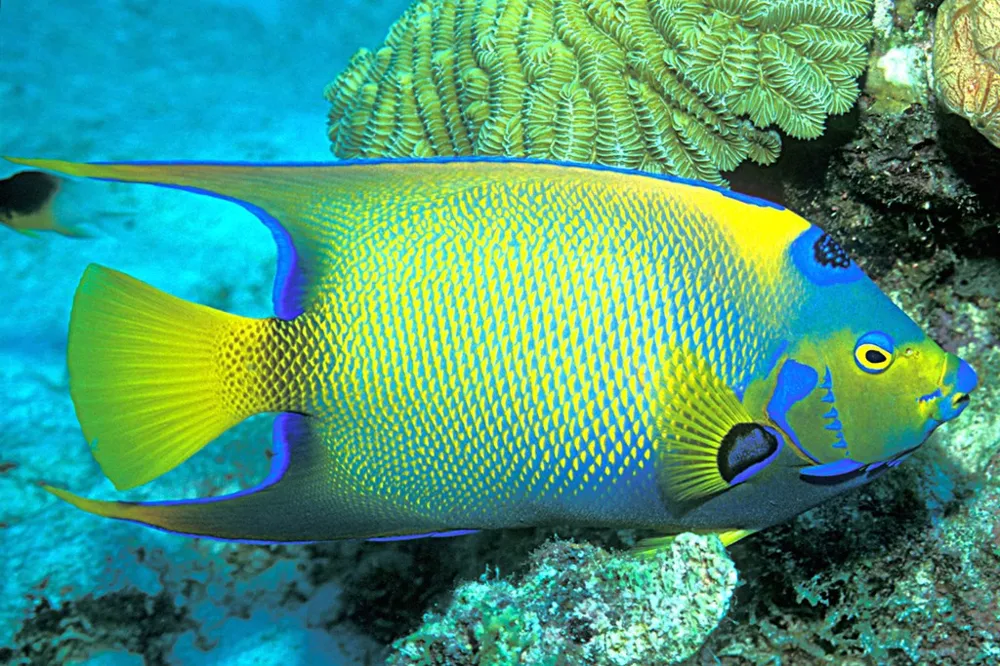
Grenada is the Caribbean's wreck-diving standout. The Bianca C, a cruise liner about 600 feet (183 meters) long that burned and sank in 1961, lies at roughly 100 to 165 feet (30 to 50 meters). PADI says it is for deep and technical divers. Other wrecks include the MV Shakem and MV Veronika.
The Molinere Underwater Sculpture Park, on the west coast, opened in 2006 with more than 75 concrete sculptures, and it is accessible to snorkelers as well as divers. Reefs such as Fisherman's Paradise add octopus, eagle rays and nurse sharks. Carriacou, part of Grenada, offers quieter sites such as Sisters Rocks.
11. St. Lucia
St. Lucia's best diving is around Soufrière, inside the Soufrière Marine Management Area beneath the Pitons. Popular sites include Anse Chastanet Reef, the Keyhole Pinnacles and walls at the base of Petit Piton, plus the Lesleen M and Daini Koyomaru wrecks; the Daini Koyomaru was sunk to create a reef. PADI puts visibility at about 50 to 100 feet (15 to 30 meters).
12. Dominica
Dominica is a volcanic island with dramatic underwater terrain: walls, craters, pinnacles, boulder fields and thermal springs. Explorersweb highlights wall diving at Scott's Head Marine Reserve, where a near-vertical wall drops about 30 meters, along with Cabrits National Park and Salisbury. The island is also known for sperm whale encounters offshore, which need a permit.
13. Jamaica
PADI says Jamaica has more than 100 dive sites. Montego Bay became the country's first marine park in 1992, and Negril and Ocho Rios are among its oldest protected areas.
- The Throne Room: a cavern that enters at about 12 meters (40 feet) and exits at about 21 meters (70 feet), suitable from beginner level.
- SS Kathryn (Ocho Rios): a former WWII minesweeper sunk as an artificial reef, with caverns nearby. PADI lists it for Advanced Open Water divers.
- Montego Bay: a beginner-friendly plane wreck at about 18 meters (60 feet).
- Port Royal: remains of a city sunk by a 1692 earthquake. Diving needs special permission, which approved operators arrange.
14. Cuba
Cuba's reefs see fewer divers than most of the region. Jardines de la Reina, a marine park off the south coast where commercial fishing is banned, is known for sharks, including reef, silky and hammerhead sharks, and is reached only by multi-day liveaboard. World Nomads says trips are limited, so book well ahead.
Other areas include María la Gorda in the far west, with around 50 sites of walls, swim-throughs and caves; Punta Francés on Isla de la Juventud; Cayo Largo; and shore diving onto a wall at the Bay of Pigs. PADI training isn't offered in Cuba, so get certified before you go.
For U.S. travelers: U.S. rules allow travel to Cuba only under authorized categories, and some categories were narrowed again in 2026. Check the U.S. State Department and the Treasury Department's OFAC guidance before you plan. This is not legal advice.
15. St. Croix and Puerto Rico
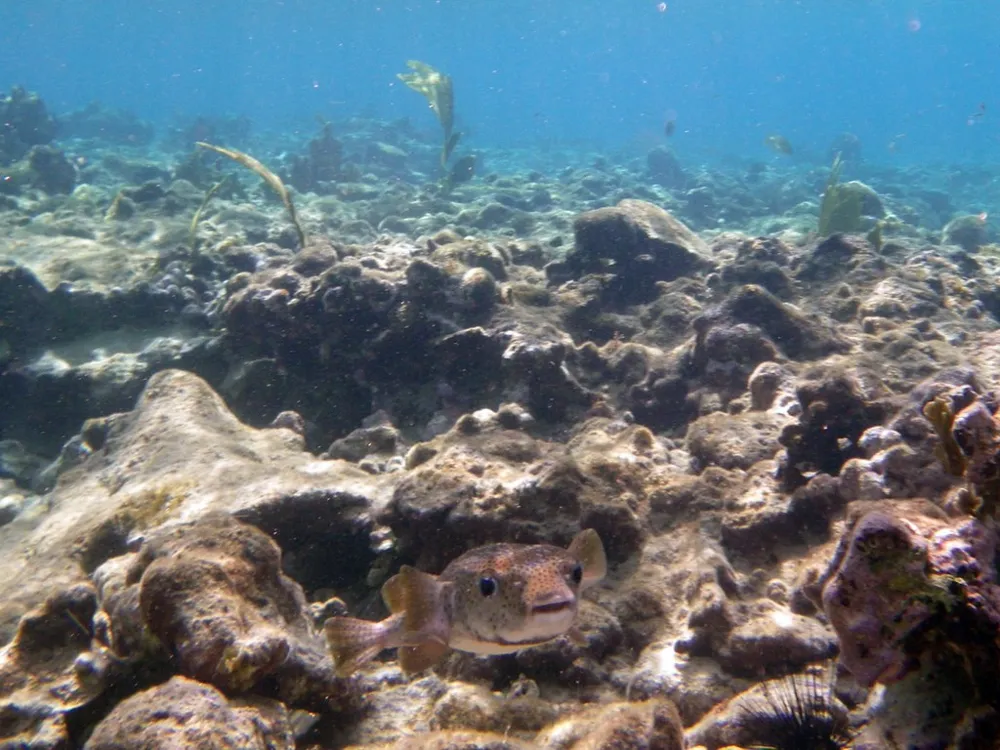
Both are U.S. territories. On St. Croix in the U.S. Virgin Islands, the Cane Bay Wall is a shore dive to a deep drop-off, Butler Bay has wrecks for shore and boat divers, and the Frederiksted Pier is a popular night dive with seahorses, octopus and frogfish.
In Puerto Rico, the west coast has the best diving: Crash Boat Beach is an easy shore dive, the Desecheo Island marine reserve offers clear offshore reefs, and the south-west coast near Guánica and La Parguera has walls with turtles and moray eels. Scuba Diving magazine says the drier months there run from about December to May.
More Caribbean Dive Spots Worth a Look
- Aruba: the Antilla wreck at about 18 meters (60 feet), with reef, wreck and drift sites. Aruba sits south of the main hurricane belt.
- Dominican Republic: Bayahibe's reefs and wrecks, including the beginner-friendly Atlantic Princess and the deeper Saint George, and humpback whales on Silver Bank from about January to April.
- Tobago: fast drift diving and Kelleston Drain's huge brain coral. Explorersweb notes the water can be choppy from November to January.
- Providencia, Colombia: clear water and reefs, with the dry season from about December to April.
- Little Corn Island, Nicaragua: a laid-back island with coral gardens and eagle rays.
Best Caribbean Dives by Experience Level
| Your Level | Good Choices | Why |
|---|---|---|
| Learning to dive | Grand Cayman, Bonaire, Curaçao | Calm, shallow reefs close to shore and many dive schools |
| New Open Water diver | Bonaire, Kittiwake, Roatán, Nassau's shallow reefs | Easy conditions within 18 m (60 ft) |
| Comfortable in current | Cozumel, Tobago, Eleuthera | Drift diving |
| Advanced Open Water or Deep | Great Blue Hole, Hilma Hooker, Bloody Bay Wall | Dives that reach 30–40 m (100–130 ft) |
| Technical | Bianca C, Grenada | Deep wreck beyond recreational limits |
New to diving? Start with how to get scuba certified, and see how deep you can scuba dive for the depth limit of each certification level.
When to Dive the Caribbean
- Year-round diving: water stays warm through the year, and PADI says Cozumel and Aruba are good in any month.
- Dry season: roughly December to April is the most popular time, with calmer weather.
- Hurricane season: June to November in the Atlantic. Storms can cancel dives and flights, so consider travel insurance and flexible bookings.
- Wildlife seasons: humpbacks in Turks and Caicos and the Dominican Republic from about January to April, whale sharks in Belize from about April to June, and peak tiger shark season at Tiger Beach from about December to April.
Liveaboard or Dive Resort?
| Liveaboard | Dive Resort | |
|---|---|---|
| Dives per day | PADI says three to four is typical | Usually one to three |
| Remote sites | Reaches places like Jardines de la Reina | Sites near the island |
| Non-divers | Little to do | Beaches and other activities |
| Learning to dive | Better once certified | Courses on site |
Marine Park Rules and Fees
Many Caribbean marine parks charge divers a fee and set rules on gloves, touching, feeding fish and anchoring. Bonaire requires a nature fee, an orientation dive and no gloves; Saba requires guided diving through official dive centers; and Port Royal in Jamaica needs special permission. Several islands also restrict sunscreens with certain chemicals, so pack a mineral sunscreen or a rash guard. Fees and rules change, so check the park or your dive operator before you go.
Dive Safety and Planning
- Dive within your training. Respect the depth limit of your certification, and don't let a famous site push you past it.
- Refresh your skills with a check-out dive if you haven't dived in a while.
- Get dive insurance and know where the nearest hyperbaric chamber is. Read about decompression sickness before a heavy dive week.
- Plan your flight home. Divers Alert Network (DAN) recommends at least 12 hours after a single no-decompression dive and at least 18 hours after multiple dives or multiple days of diving.
- Follow shark-dive briefings exactly, and stay with your guide in current.
This guide is general information, not medical advice. Talk to a doctor if you have a health condition that could affect diving.
Gear for the Trip
Most Caribbean dive shops rent tanks, weights, BCDs and regulators. Many divers still bring a mask that fits and their own computer. See our scuba diving equipment list, plus guides to dive computers, scuba fins and underwater cameras.
Shearwater Peregrine
Shearwater's recreational dive computer, with a large color screen, a simple two-button interface and 316 stainless steel buttons. A dive computer tracks your depth and no-decompression time, which matters on multi-dive days.
Check Price on AmazonCressi Big Eyes Evolution
A mask made with Cressi's High Seal Silicone and raked, inverted-teardrop lenses that improve downward visibility. Cressi markets it for scuba, snorkeling and freediving.
Check Price on AmazonFrequently Asked Questions
Where is the best scuba diving in the Caribbean?
It depends on what you want. Bonaire is famous for easy shore diving, Cozumel for drift dives, Belize for the Great Blue Hole and its atolls, the Bahamas for sharks and Little Cayman for wall diving.
What is the best Caribbean island for beginner divers?
Bonaire, Grand Cayman's west side and Curaçao are popular with new divers because they have calm, clear water and reefs close to shore. Cozumel also suits beginners, but its dives are usually drifts in current.
When is the best time to scuba dive in the Caribbean?
You can dive year-round. The drier months, roughly December to April, are the most popular, and the Atlantic hurricane season runs from June to November.
What certification do I need to dive in the Caribbean?
Most reef dives need Open Water certification. Deeper sites, such as the Great Blue Hole at about 40 meters (130 feet) or the Hilma Hooker wreck in Bonaire, call for Advanced Open Water or Deep Diver training.
Is scuba diving good in Nassau?
Yes. Nassau is known for shark dives, walls that drop into the Tongue of the Ocean and wrecks that include props from two James Bond films.
Can Americans scuba dive in Cuba?
U.S. rules limit travel to Cuba to authorized categories, and those rules were tightened again in 2026. Check the U.S. State Department and Treasury (OFAC) guidance before you plan a dive trip.
Is the Bahamas in the Caribbean?
Geographically, the Bahamas lie in the Atlantic Ocean, but they are usually grouped with the Caribbean region for travel and diving.
How deep is the Great Blue Hole in Belize?
PADI puts it at about 122 meters (400 feet) deep and about 300 meters across. Guided recreational dives go to about 40 meters (131 feet).