Best Snorkeling in the Caribbean: 10 Islands and Reefs (2026)
Warm, clear water and easy reefs make the Caribbean a snorkeler's dream. Here are ten of the best places to go.
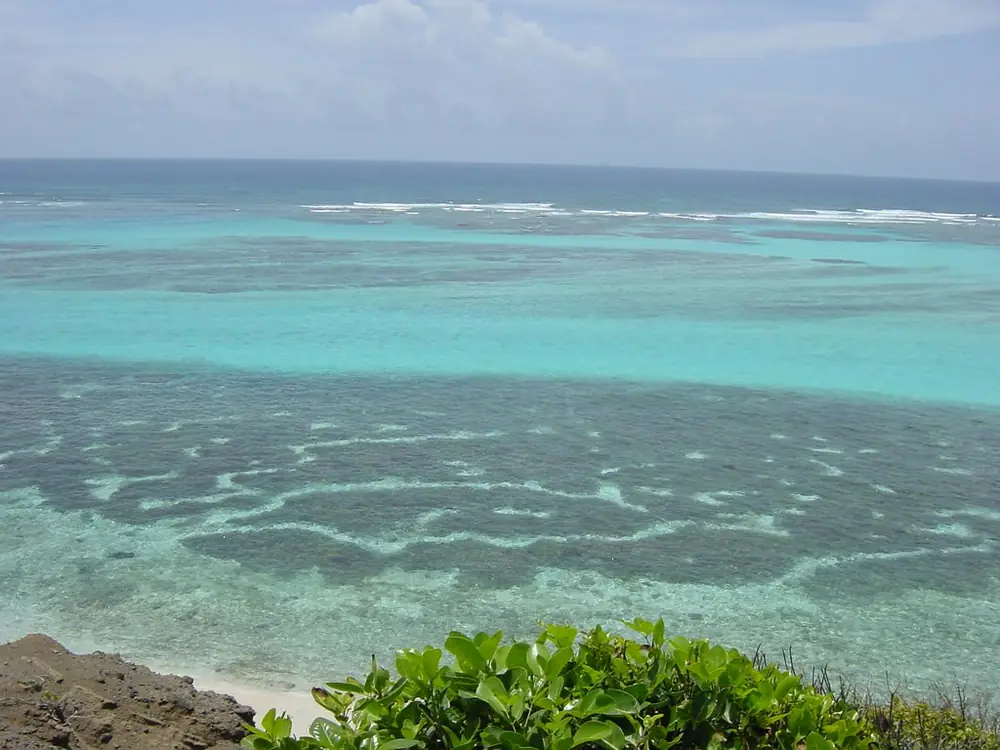
Why Snorkel in the Caribbean?
The Caribbean's warm, clear water and shallow reefs make it one of the easiest places in the world to snorkel. Many islands offer reefs right off the beach, protected marine parks and gentle conditions for beginners. Conditions vary by island and season, so check local advice and marine park rules before you go.
Caribbean Snorkeling at a Glance
| Spot | Island / Country | Highlights | Access |
|---|---|---|---|
| Bonaire National Marine Park | Bonaire | Shore reefs, Klein Bonaire | Shore and boat |
| Stingray City | Grand Cayman | Many stingrays in shallow water | Boat |
| Trunk Bay | St. John, USVI | Underwater snorkel trail | Shore |
| Buck Island Reef | St. Croix, USVI | Protected reef, many fish species | Boat |
| Curaçao Underwater Park | Curaçao | Protected reefs, wrecks | Shore and boat |
| Hol Chan Marine Reserve | Belize | Barrier reef, Shark Ray Alley | Boat |
| Cozumel | Mexico | Mesoamerican reef, clear water | Boat and shore |
| Smith's Reef and Bight Reef | Providenciales, Turks and Caicos | Easy reefs near Grace Bay | Shore |
| Buccoo Reef | Tobago | Shallow reef | Boat |
| Cane Bay | St. Croix, USVI | Reef and wall near shore | Shore |
1. Bonaire National Marine Park
Bonaire is famous for shore snorkeling and diving: you can wade from the beach to the reef at many marked sites. The reefs around the small island of Klein Bonaire are especially well regarded.
2. Stingray City, Grand Cayman
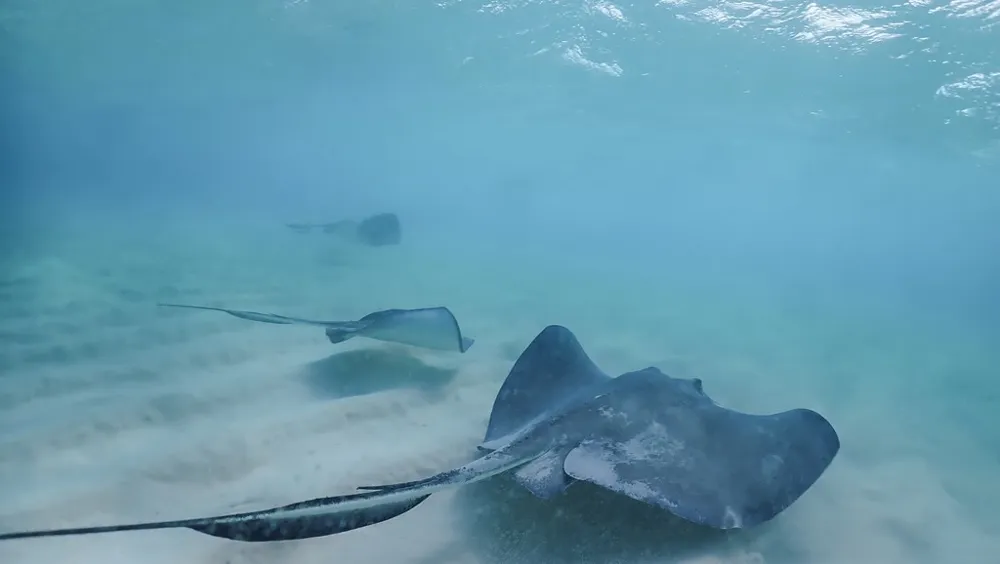
A sandbar site about 13 feet (4 meters) deep where snorkelers meet many stingrays in clear water. Follow your guide's instructions on how to behave around the rays.
3. Trunk Bay, St. John (U.S. Virgin Islands)
Trunk Bay has a self-guided underwater snorkel trail of roughly 670 feet, with signs identifying corals and marine life, plus beach facilities. It's a great introduction for beginners.
4. Buck Island Reef, St. Croix (U.S. Virgin Islands)
About two miles off St. Croix's north shore, Buck Island's reef is strictly protected by the U.S. National Park Service and home to more than 250 fish species.
5. Curaçao Underwater Marine Park
Protected reefs stretch about 12 miles (20 km) along Curaçao's southern coast, with coral gardens, plenty of fish and shipwrecks.
6. Hol Chan Marine Reserve, Belize
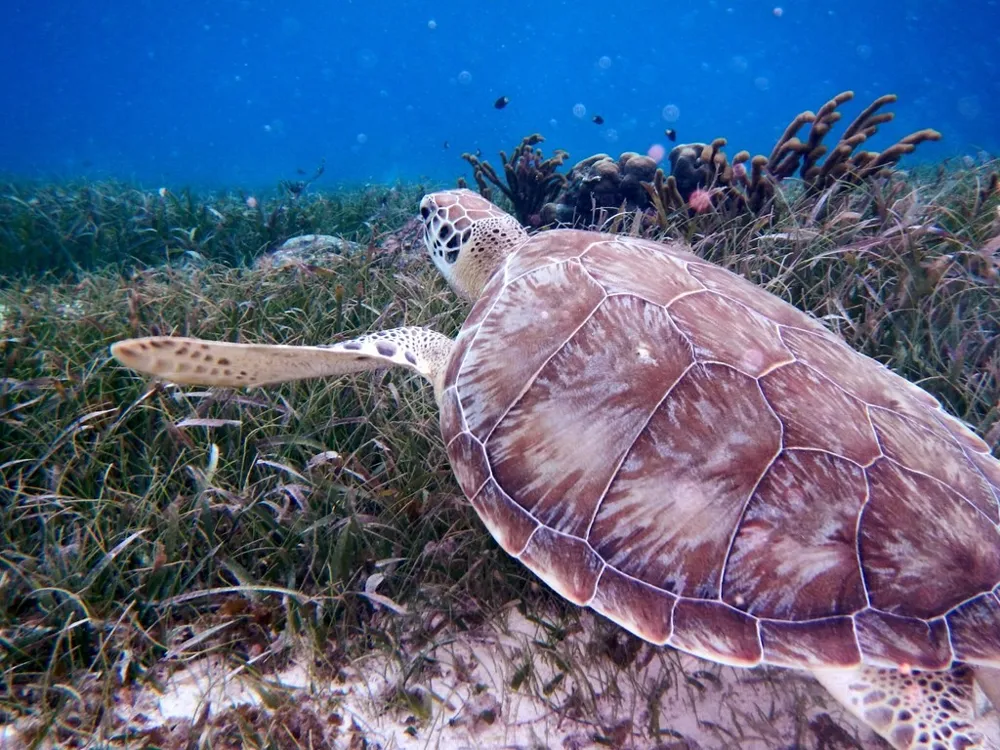
Near Ambergris Caye, Hol Chan protects a section of the Belize Barrier Reef. Trips often include Shark Ray Alley, known for nurse sharks and rays.
7. Cozumel, Mexico
Cozumel's reefs are part of the Mesoamerican Reef system, known for very clear water. Many snorkel trips run from the island, and there are shore spots too.
8. Smith's Reef and Bight Reef, Turks and Caicos
Two easy reefs off Grace Bay on Providenciales, reachable from the shore, with coral gardens close to the beach.
9. Buccoo Reef, Tobago
Shallow, sunlit water and a large reef area make Buccoo Reef a classic Tobago snorkel trip, usually by boat.
10. Cane Bay, St. Croix
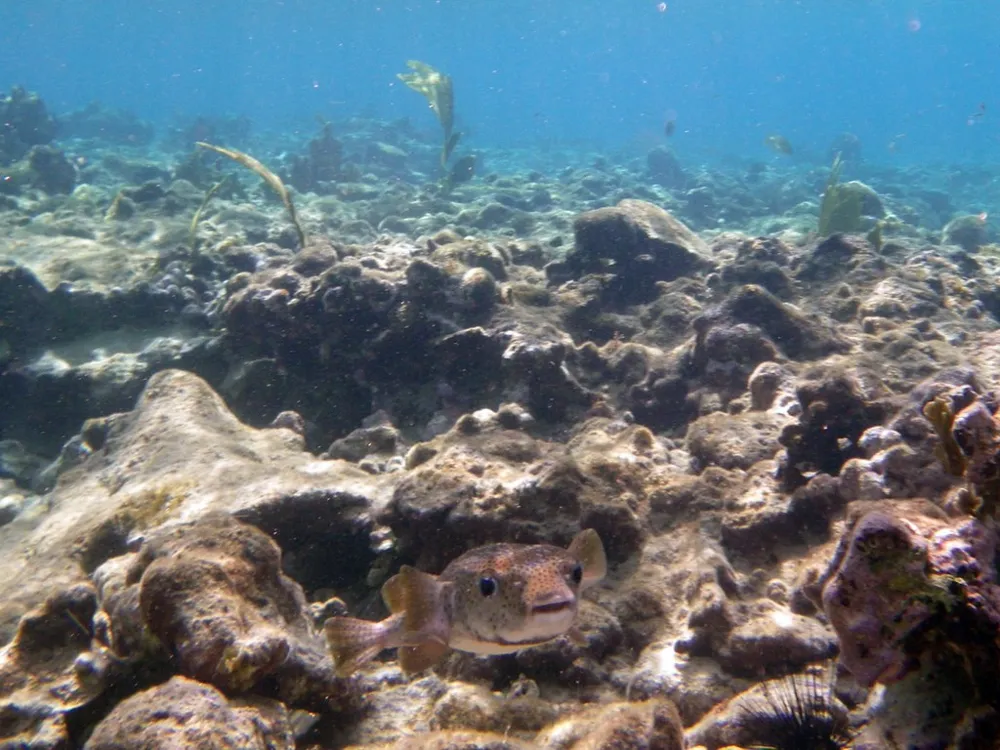
From Cane Bay beach on St. Croix's north shore, snorkelers can swim out to reef and the edge of the Cane Bay Wall, where the bottom drops to deep water.
Caribbean Snorkeling Tips
- Use reef-safe sunscreen and a rash guard.
- Never touch or stand on coral.
- Check marine park fees and rules.
- Watch for boat traffic and currents.
- Hurricane season runs from June to November; plan accordingly.
Sunscreen Rules and Park Fees
- Sunscreen bans: some islands restrict sunscreens with reef-harming ingredients. The U.S. Virgin Islands banned sunscreens containing oxybenzone, octinoxate and octocrylene in 2020, and Bonaire banned oxybenzone and octinoxate in 2021. Check local rules and pack mineral sunscreen or a rash guard; see our reef-safe sunscreen guide for what to look for on the label.
- Marine park fees: some parks charge snorkelers, such as Bonaire's nature fee. Fees support reef protection.
- Protected areas: many reserves ban gloves, fishing and touching marine life.
Pack These
Cressi Palau SAF Set
A travel-friendly snorkel set with short adjustable fins.
Check Price on AmazonCressi Supernova Dry
A dry snorkel whose float closes when submerged, with a splash guard.
Check Price on AmazonSee more: snorkeling in Florida, the best places to snorkel in the world, how to snorkel, scuba diving destinations and the best scuba diving in the Caribbean.
Frequently Asked Questions
Which Caribbean island has the best snorkeling?
Bonaire is famous for easy shore snorkeling in a protected marine park, but many islands offer superb reefs.
Where can I snorkel from the beach in the Caribbean?
Bonaire, Curaçao, Trunk Bay on St. John and Grace Bay's reefs in Turks and Caicos are all popular shore options.
What is Stingray City?
A shallow sandbar site off Grand Cayman, about 13 feet deep, where snorkelers meet many stingrays.
When is the best time to snorkel the Caribbean?
Many travelers prefer the drier months, roughly December to April. Hurricane season runs from June to November.
Is Caribbean snorkeling good for beginners?
Yes. Many sites are shallow and calm, and Trunk Bay even has an underwater trail with signs.
Do Caribbean islands ban some sunscreens?
Some do. The U.S. Virgin Islands and Bonaire restrict sunscreens with certain reef-harming ingredients. Check local rules before you go.