Where to Scuba Dive in Florida, From Keys Wrecks to Cavern Springs (2026)
Florida has a coral reef, a trail of sunken warships, a famous shore dive under a bridge and freshwater springs that stay at 72°F all year. Here's where to dive them, region by region, and what to know before you go.
Florida Scuba Diving at a Glance
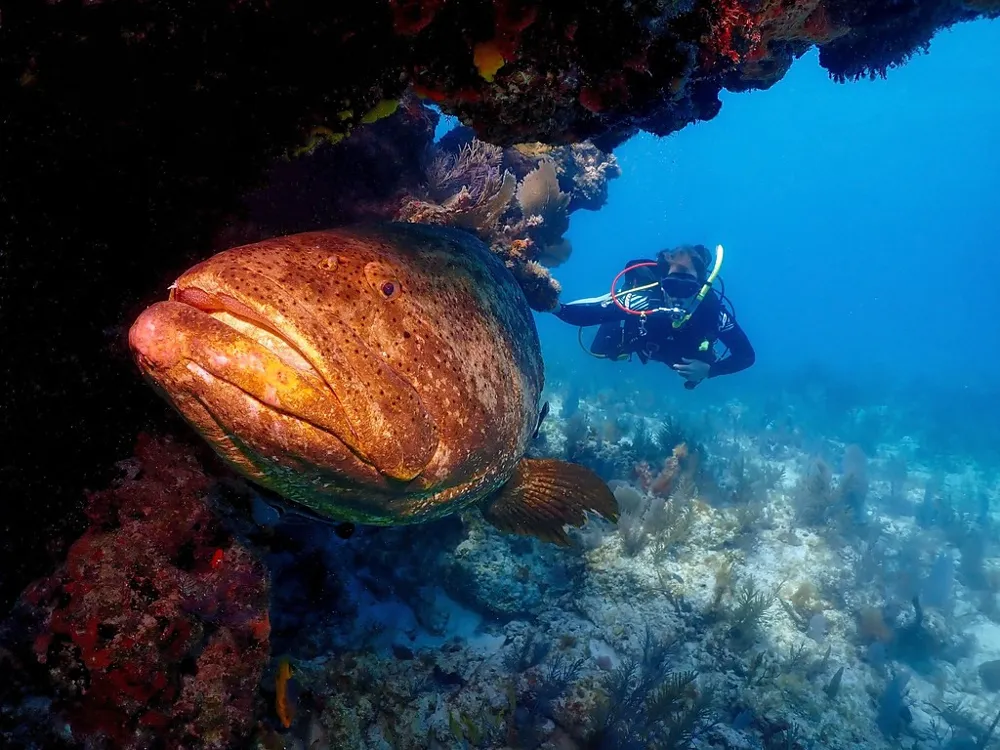
Florida pairs a coral reef tract with a long list of ships sunk on purpose as artificial reefs, plus inland springs where the water stays clear and cool all year. Most visitors split the state into six dive regions: the Keys, Palm Beach County, Fort Lauderdale and Broward County, Miami, the springs of North Central Florida, and the Gulf Coast and Panhandle.
This page covers scuba sites. If you're snorkeling, see our best snorkeling in Florida list and the reef-by-reef Florida Keys snorkeling guide. Depths below come from official agencies or reputable dive publications; wrecks settle and storms move things, so treat them as approximate.
| Site | Region | Type | Approx. Depth | Level |
|---|---|---|---|---|
| Benwood | Key Largo | Wreck | 25–45 ft | Beginner |
| Spiegel Grove | Key Largo | Wreck (510 ft ship) | Bottom about 130 ft | Advanced |
| Duane | Key Largo | Wreck | Bottom about 120 ft | Advanced |
| Eagle | Islamorada | Wreck | About 80–110 ft | Advanced |
| Thunderbolt | Marathon | Wreck | About 75–120 ft | Advanced |
| Vandenberg | Key West | Wreck (about 523 ft ship) | Top about 40–50 ft, bottom about 140 ft | Advanced |
| Blue Heron Bridge | Palm Beach County | Shore dive | Average about 15 ft, max about 25 ft | All levels |
| SS Copenhagen | Lauderdale-by-the-Sea | Historic wreck | 15–30 ft | Beginner |
| Ginnie Springs | High Springs | Spring, cavern, cave | Ballroom basin about 15 ft | Open water to cave |
| Devil's Den | Williston | Underground spring | Open water only, no cave entry | Open water |
| USS Oriskany | Pensacola | Wreck (911 ft carrier) | Island top 84 ft, bottom 212 ft | Advanced to technical |
| Dry Tortugas | 70 miles west of Key West | Reef and wrecks | Windjammer wreck about 20 ft | All levels |
How Scuba Diving in Florida Works
Florida's diving falls into three kinds of trips, and knowing which one you're booking helps you plan gear, certification and timing:
- Reef dives: the Keys reef runs offshore on the Atlantic side, and reef lines continue north past Miami, Fort Lauderdale and Palm Beach. Most reef dives are short boat rides, with a few true beach dives in Broward and Palm Beach counties.
- Wreck dives: Florida sinks retired ships as artificial reefs, and many of the state's best-known dives, from the Spiegel Grove to the Oriskany, are purpose-sunk warships. Others are historic wrecks protected as underwater preserves, where the rule is look but don't take.
- Spring dives: inland, limestone springs pour out clear groundwater that stays near 72°F. Open basins suit open water divers; caverns and caves beyond them need specialist training (see our cave diving guide).
Along the southeast coast the Gulf Stream runs close to shore, so many Palm Beach and Broward boat dives are drift dives: the boat drops you up-current and follows your surface marker. If you haven't drift dived before, say so when you book. On the Gulf side, visibility and water temperature vary more with season and weather.
New to diving? Start with how to get scuba certified, and check our list of the best scuba diving destinations for beginners.
Florida Keys Scuba Diving: Reef and Wreck Trail
The Keys sit beside what NOAA calls North America's only coral barrier reef, protected by the Florida Keys National Marine Sanctuary. For divers, the sanctuary's Shipwreck Trail links historic and purpose-sunk wrecks from Key Largo to Key West, each with mooring buoys and an underwater guide. NOAA notes that sites range from easy shallow dives to dives of 100 feet or more with swift currents, and that disturbing or removing artifacts is prohibited.
Key Largo
Key Largo has the most dive operators and the widest range of sites. Molasses Reef has more than 30 dive sites, with depths PADI gives as roughly 6 to 90 feet, and the bronze Christ of the Abyss statue sits in about 25 feet of water at Key Largo Dry Rocks. Shallow historic wrecks include the Benwood, a freighter lost in a collision in 1942 that now lies in 25 to 45 feet between French Reef and Dixie Shoals, and the City of Washington on Elbow Reef in about 25 feet.
The headline deep dive is the Spiegel Grove, a 510-foot Navy landing ship dock. It sank prematurely on May 17, 2002, ended up on its side, and was pushed upright by Hurricane Dennis on July 9, 2005. PADI lists it in about 130 feet of water. Nearby, the Coast Guard cutters Duane and Bibb lie about a mile south of Molasses Reef; NOAA gives the Duane's depth as about 120 feet, and the Bibb rests on its side slightly deeper. These are advanced dives, often in current.
Islamorada and Marathon
Off Islamorada, the Eagle, a 269-foot freighter sunk as an artificial reef on December 19, 1985, lies on its starboard side in about 110 feet, with the port rail at about 80 feet, three miles northeast of Alligator Reef Light. Shallower history sits at the San Pedro, a Spanish treasure-fleet ship lost in a 1733 hurricane, now in about 18 feet a mile south of Indian Key. Off Marathon, the Thunderbolt, scuttled on March 3, 1986, sits in about 120 feet, with its wheelhouse near 75 feet. Sombrero Reef offers shallower reef diving in the Middle Keys.
Lower Keys and Key West
Looe Key, off Big Pine Key, is the Lower Keys' classic spur-and-groove reef, and the Adolphus Busch Sr., a 210-foot freighter sunk on December 5, 1998, lies nearby in about 115 feet. Off Key West, the Vandenberg, a ship of roughly 523 feet, was sunk on May 27, 2009, about seven miles south of Key West. DAN puts the bottom at about 140 feet, and the Keys tourism board says the superstructure was trimmed to leave about 40 to 45 feet of clearance from the surface, so the upper decks are reachable on a shallower profile. For an easier wreck, NOAA lists the Amesbury in under 30 feet, five miles west of Key West.
Dry Tortugas
About 70 miles west of Key West, Dry Tortugas National Park is reached by ferry, seaplane or private boat. The National Park Service highlights the Windjammer, a steel-hulled sailing ship wrecked in the early 1900s in about 20 feet of water, plus coral heads and pilings around Fort Jefferson. Scuba diving here usually means a liveaboard or your own boat. To stop or moor in the Tortugas North Ecological Reserve you need a free sanctuary entry permit requested at least 72 hours ahead, and anchoring there is prohibited.
Snorkeling the same reefs? Our Florida Keys snorkeling guide covers Pennekamp, Looe Key and Key West reef trips in detail.
Palm Beach and Jupiter Diving
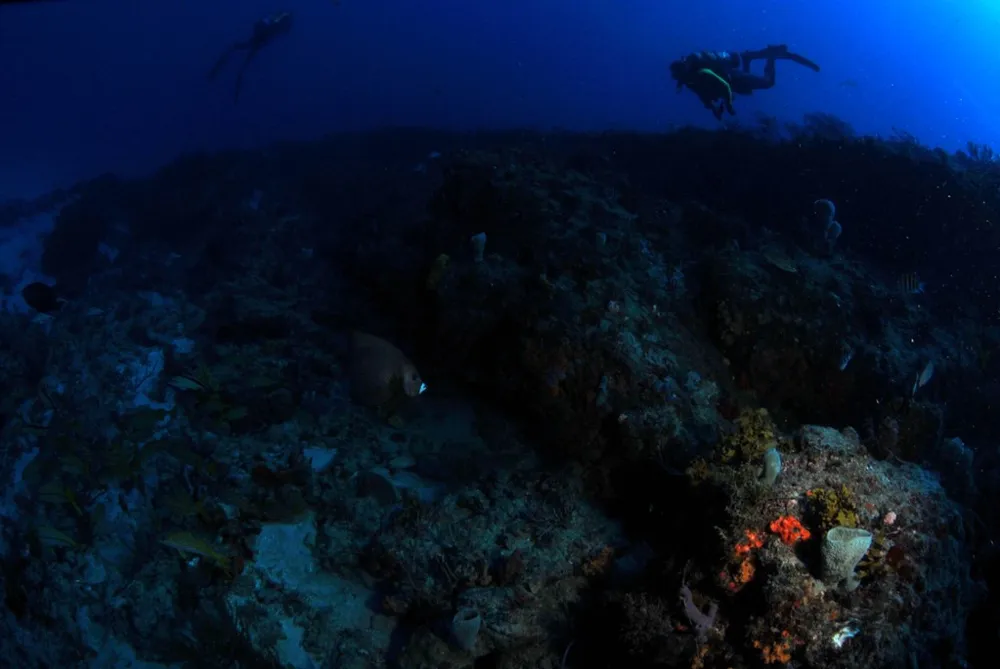
Palm Beach County is where the Gulf Stream swings closest to Florida's coast, so its boat dives are mostly drifts over reef ledges and wrecks, with some of the state's best big-animal encounters.
- Blue Heron Bridge (Phil Foster Park, Riviera Beach): one of the best-known shore dives in the US. DAN describes average depths of about 15 feet and a maximum of about 25, with an 800-foot snorkel trail of reef modules. Dive around slack high tide, when currents are calmest and visibility is best. It is known for small, unusual creatures such as seahorses, frogfish, octopuses and batfish. The park closes at sunset, so night dives run through local dive shops.
- The Corridor Wreck Trek: a deep drift across several wrecks north of Palm Beach Inlet, including the Ana Cecilia, a 170-foot freighter sitting upright at about 85 feet, plus the Mizpah and Amaryllis.
- Breakers Reef: a north-south reef at about 50 to 65 feet, with a shallower west ledge and frequent sea turtles in spring and summer.
- 1000 Mermaids: an artificial reef of cast sculptures in about 45 feet south of the Port of Palm Beach, a project that aims to place 1,000 statues over time.
- Jupiter shark dives: the county tourism board says lemon sharks pass sites such as Area 51 (60 to 90 feet) from about December to March. Goliath grouper gather on wrecks in late summer, roughly August and September.
Fort Lauderdale and Broward County Diving
Greater Fort Lauderdale combines reef lines close to shore with one of Florida's largest artificial-reef programs. The local tourism board says Broward County has placed more than 76 artificial reefs over about 20 years, and gives ocean temperatures from about 72°F in winter to 80°F in summer.
- Beach diving: at Lauderdale-by-the-Sea and Hollywood, the first reef line sits roughly 100 yards offshore, a short swim from the beach. Tow a dive flag.
- SS Copenhagen: a 325-foot steamship that ran aground in 1900 about three-quarters of a mile off Lauderdale-by-the-Sea. It lies in 15 to 30 feet and became a State Underwater Archaeological Preserve in 1994, which makes it a good first wreck dive.
- Shipwreck Park, Pompano Beach: centered on the 324-foot Lady Luck, sunk in July 2016 about a mile from the Pompano Beach fishing pier.
- Wreck Trek: a drift dive that can link the Jay Scutti, Tracy and Mercy Jesus wrecks on one tank when the current cooperates.
- Captain Dan: a 175-foot former Coast Guard tender with its wheelhouse top at about 70 feet and deck at about 90 feet.
- Tenneco Towers: PADI describes five decommissioned oil platforms sunk off Hallandale Beach in 1985, three at about 60 to 130 feet and two around 200 feet for technical divers.
Miami and Biscayne National Park
Miami's dive sites sit off Key Biscayne and Miami Beach, with Biscayne National Park to the south. Greater Miami's tourism board lists a mix of easy and deep sites:
- Neptune Memorial Reef: a sculpted underwater memorial reef in about 45 feet, rated for novices.
- Emerald Reef: a natural patch reef about a mile east of Key Biscayne in about 25 feet.
- DEMA Trader: a 165-foot freighter sunk in December 2003 as an artificial reef, in about 80 feet.
- Sheri-Lynn: a 235-foot freighter about three miles off Key Biscayne, in about 90 feet and rated advanced.
- Half Moon: a 154-foot former racing yacht in about 10 feet near Key Biscayne, now a protected underwater preserve.
Biscayne National Park's Maritime Heritage Trail has six mapped wrecks, from the Arratoon Apcar (1878) to the Mandalay (1966), plus the Fowey Rocks Lighthouse. The park says the Erl King, Alicia and Lugano are best for scuba (the Lugano lies in about 25 feet on Long Reef), while the Mandalay suits snorkelers. All sites are boat-access only and have mooring buoys.
Florida Springs and Cavern Diving
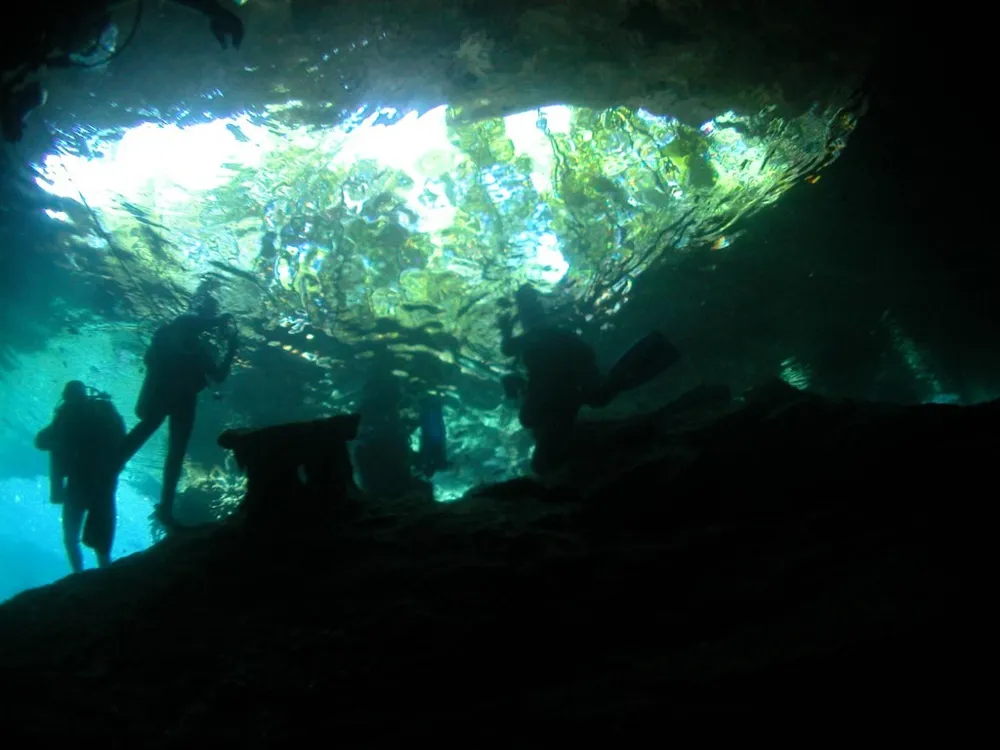
North Central Florida's springs draw divers for clear water, limestone formations and fossils. The water stays near 72°F all year, which feels cool on a long dive, so many divers wear a thicker wetsuit than they would in the summer ocean. Each spring has its own rules, and all of them separate open water areas from cavern and cave zones.
- Ginnie Springs (High Springs): the Ginnie Ballroom is a bowl-shaped basin more than 100 feet across and about 15 feet deep, and the Devil's Spring System (Devil's Eye, Devil's Ear and Devil Spring) and a Santa Fe River drift are also on site. Only certified cave divers may enter caves, intro-to-cave and above requires divers to be at least 18, and solo diving isn't allowed.
- Devil's Den (Williston): a prehistoric spring inside a dry cave. Open water certification or higher is required, and there is "absolutely no cave entry," with no doubles, reels, rebreathers or sidemount for recreational divers.
- Blue Grotto (Williston): another sinkhole spring near Devil's Den. Recreational divers stay in the open basin and upper cavern, and the lower cavern is for cave-certified divers.
- Peacock Springs State Park (Live Oak): more than 30,000 feet of passages have been documented. Open water divers are limited to Orange Grove Sink, while cavern and cave diving is open to certified teams. Proof of certification is required and dive parties need at least two divers.
- Madison Blue Spring State Park: cave diving requires specialized training, divers must work in pairs, and dives must end an hour before dark.
- Alexander Springs (Ocala National Forest): the only spot in the national forest where scuba diving is allowed, with a wide open-water spring pool at 72°F. It's the nearest of these spring dives to Orlando.
- Rainbow River (Dunnellon): a gentle freshwater drift dive that PADI lists with a maximum depth of about 25 feet. It is a state aquatic preserve, so check current access rules with the park or launch site.
Without cave training, stay in the open basin or the daylight zone your site allows, and never pass a warning sign. Our cave diving guide explains cavern vs cave courses and why untrained cave entry is so dangerous.
Crystal River and the Gulf Coast
Florida's Gulf Coast is better known for wildlife and shallow, warm water than for reefs, but it has some distinctive dives:
- Crystal River National Wildlife Refuge: the US Fish and Wildlife Service allows scuba at King Spring year-round. Scuba at Three Sisters Spring is permitted only from April 1 to November 14. From November 15 to March 31, the manatee sanctuaries are closed to all activity, and divers must stay in the marked "keyhole" or outside the sanctuaries. Most manatee encounters are snorkel tours; see snorkeling in Florida.
- Tampa Bay, Clearwater and St. Petersburg: Pinellas County runs 14 offshore and 29 inshore artificial reefs. The county says many divers rate the Pinellas II reef, with a steel barge, the Coast Guard cutter Blackthorn and the tug Sheridan, as the best wreck dive in West Central Florida.
- Venice fossil diving: divers hunt fossil shark teeth off Venice Beach. PADI describes a shore dive with a fossil layer in about 18 to 35 feet, reached by swimming roughly 450 to 750 feet out from the beach.
Panhandle Diving: Pensacola, Destin and Panama City Beach
The Panhandle's star is the USS Oriskany, a 911-foot aircraft carrier sunk on May 17, 2006, about 22.5 nautical miles southeast of Pensacola Pass. FWC lists the top of the island at 84 feet, the bridge at 118 feet, the flight deck at about 145 to 150 feet and the bottom at 212 feet. FWC's dive guidance recommends advanced training beyond 100 feet, says going below 135 feet requires technical training and special equipment, and advises against entering the ship.
The Oriskany is one of 12 sites on the Florida Panhandle Shipwreck Trail, which the Florida Department of State announced in 2012 to link wrecks off Pensacola, Destin, Panama City and Port St. Joe. Escambia County lists depths for several of them:
| Wreck | Area | Depth (Where Listed) |
|---|---|---|
| USS Oriskany | Pensacola | 84–212 ft |
| YDT-14 | Pensacola | Upper structure 60 ft, waterline 100 ft |
| Three Coal Barges | Pensacola | Shallow water |
| Miss Louise | Destin | Shallow water |
| Black Bart | Panama City | 40–85 ft |
| USS Accokeek | Panama City | 100 ft |
| USS Chippewa | Panama City | 100 ft |
| Vamar | Port St. Joe | 25 ft |
Other trail wrecks include the San Pablo and Pete Tide II off Pensacola and the FAMI Tugs and USS Strength off Panama City. For an easy dive in Panama City Beach, the rock jetty at St. Andrews State Park acts as an artificial reef, with rays, octopus and sheepshead, and the park says it suits both beginners and advanced snorkelers. Divers use the jetties too, but plan around tides and boat traffic in the pass.
Best Florida Dive Sites by Experience Level
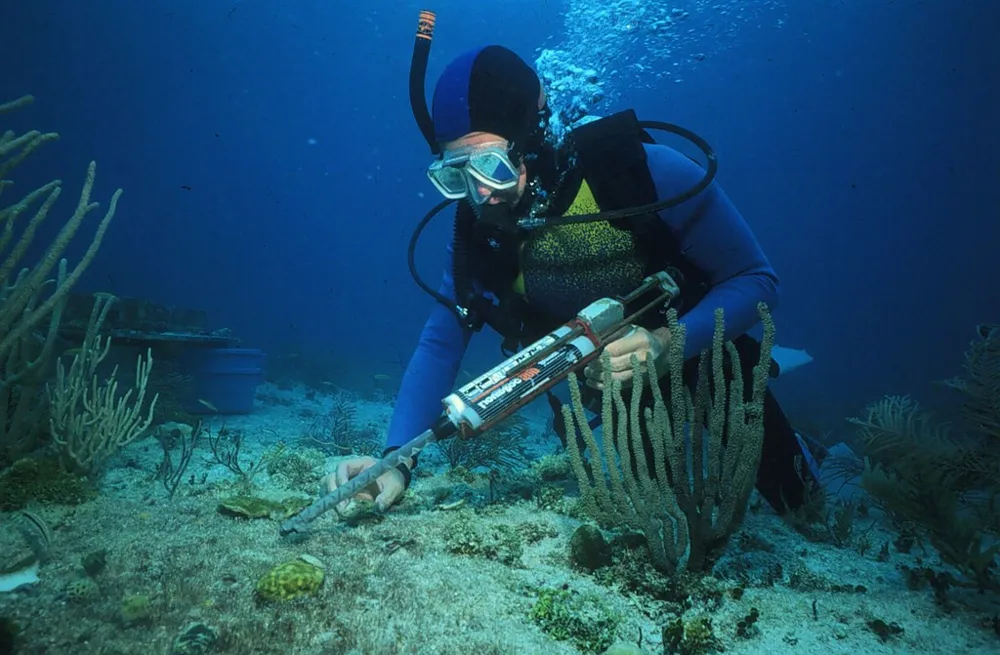
Florida's range runs from 15-foot shore dives to 200-foot technical wrecks, so match the site to your card and recent experience. Agency depth limits are in our guides to scuba certification levels and how deep you can scuba dive.
| Level | Good Florida Choices |
|---|---|
| New open water divers | Blue Heron Bridge at slack high tide, Benwood, Christ of the Abyss, Molasses Reef's shallower moorings, SS Copenhagen, Emerald Reef, Ginnie Ballroom, Alexander Springs, Devil's Den |
| Some experience, comfortable in current | Breakers Reef, Fort Lauderdale wreck drifts, Neptune Memorial Reef, the upper Vandenberg, Black Bart, Venice fossil dives |
| Advanced certification and deep experience | Spiegel Grove, Duane and Bibb, Eagle, Thunderbolt, Adolphus Busch Sr., the Corridor Wreck Trek, the Oriskany's island |
| Technical or cave training | The Oriskany's flight deck and below, Tenneco's deepest towers, cavern and cave zones in the springs |
A sensible approach: do your first deep Florida wreck with a guide, and do not go inside a wreck without wreck-penetration training.
Best Time to Scuba Dive in Florida
You can dive somewhere in Florida every month. What changes is water temperature, wind and which animals are around:
| Region | Main Season | Notes |
|---|---|---|
| Florida Keys | Year-round | Seas are often calmer in summer; winter cold fronts can bring wind and cooler water. |
| Palm Beach and Broward | Year-round | About 72–80°F off Fort Lauderdale; lemon sharks about December to March; goliath grouper in late summer. |
| Springs | Year-round | About 72°F all year; summer rains can tannin-stain rivers and reduce visibility. |
| Crystal River | November to March for manatees | Sanctuary closures run November 15 to March 31. |
| Panhandle | About mid-May to September | Off-season Gulf water can drop into the 50s and 60s°F, so a thick wetsuit or drysuit is needed. |
Atlantic hurricane season runs from June 1 to November 30, so build flexibility into summer and fall trips and watch the National Hurricane Center forecast. Spiny lobster season also shapes the calendar: the two-day sport season falls on the last consecutive Wednesday and Thursday of July, and the regular season runs from August 6 to March 31, so popular sites get busy then.
Florida Dive Rules and Permits
Florida's rules come from the state, counties, parks and the Keys sanctuary. These are the ones divers run into most often (last checked November 2026; this is general information, not legal advice, so confirm with the agencies linked from each site):
- Divers-down flag: Florida Statute 327.331 requires divers to stay within 300 feet of a divers-down flag in open water and within 100 feet in rivers, inlets and navigation channels. Boats must keep the same distances away. Flags must be at least 12 by 12 inches when shown from the water and 20 by 24 inches when flown from a boat.
- Artifacts: removing or disturbing artifacts is prohibited on the Keys Shipwreck Trail and in Florida's underwater archaeological preserves.
- Coral and sanctuary zones: use mooring buoys rather than anchoring on reef, keep fins off coral, and follow zone rules in the Keys sanctuary and Dry Tortugas.
- Spearfishing: FWC prohibits spearfishing in Monroe County from Long Key north to the Miami-Dade line, in waters under state park jurisdiction, within 100 yards of public swimming beaches and fishing piers, and in fresh water. See how to spearfish for technique and ask FWC about current species rules.
- Lobster: unless exempt, you need a saltwater fishing license and a lobster permit, and lobster harvest is prohibited in John Pennekamp Coral Reef State Park during the sport season.
- Springs: most springs check certification cards and many ban solo diving. Some, like Devil's Den, ban cave entry entirely for recreational divers.
Safety Tips for Diving Florida
- Dive your training: many famous Florida wrecks start below 100 feet. FWC's Oriskany guidance is good advice everywhere: base the plan on the least-trained diver, do the deepest part first, and add a longer safety stop.
- Carry a surface marker: on Gulf Stream drift dives the boat follows your surface marker buoy, and FWC recommends a visual signal device on offshore wrecks.
- Swim into the current first on moored dives so the swim back is easy, and check tide times for inlet and bridge sites like Blue Heron Bridge.
- Stay out of overhead environments unless you're trained for wreck penetration or cave diving.
- Plan your flight home: leave a surface interval before flying; see flying after scuba diving and learn the warning signs in what is the bends.
- Know who to call: in an emergency call 911 and contact DAN (Divers Alert Network), which runs a 24-hour emergency hotline.
More general advice is in our scuba diving tips for beginners and is scuba diving dangerous guides.
What to Pack for a Florida Dive Trip
Dive shops rent tanks, weights, BCDs and regulators, but your own mask, fins and computer fit better and travel easily. Add a 3 mm wetsuit for summer ocean dives, a thicker suit for the springs and winter, a surface marker buoy for drift dives, a dive light for wrecks and caverns, and a towable dive flag for beach dives. The full list is in our scuba diving equipment list.
1. Suunto D5
A color-screen, watch-style dive computer rated to 100 m water resistance, with optional wireless tank pressure. It's compact enough to wear as a watch on travel days.
Check Price on Amazon2. Cressi F1 Mask
A frameless, single-lens mask with a wide view that folds flat, easy to pack for a Keys or springs trip.
Check Price on Amazon3. Mares Avanti Quattro Plus
Open-heel scuba fins with a channeled blade and a bungee heel strap for quick on and off. Wear them with dive boots, which also help on rocky beach entries.
Check Price on AmazonCompare more gear: dive computers, scuba masks, scuba fins, wetsuits, dive lights and underwater cameras. Planning beyond Florida? See the best scuba diving in the Caribbean, scuba diving in California and the best scuba diving destinations worldwide.
Frequently Asked Questions
Where is the best scuba diving in Florida?
It depends on what you want to see. The Keys have the reef and wrecks such as the Spiegel Grove and Vandenberg, Palm Beach County has Blue Heron Bridge and drift dives near the Gulf Stream, the Panhandle has the USS Oriskany, and North Central Florida has freshwater springs.
Where can beginners scuba dive in Florida?
Good first dives include Blue Heron Bridge at slack high tide, shallow Keys reefs and wrecks such as the Benwood and Christ of the Abyss, the beach reef at Lauderdale-by-the-Sea, and open-water spring basins such as Ginnie Ballroom, Alexander Springs and Devil's Den.
Can you scuba dive in Florida's springs without cave certification?
Yes, in the open basins and wherever a site allows open water divers, such as Ginnie Ballroom or Orange Grove Sink at Peacock Springs. Cavern and cave areas need specialist training, and parks such as Devil's Den ban cave entry for recreational divers.
How deep is the USS Oriskany?
FWC lists the bottom at 212 feet, the top of the island at 84 feet and the flight deck at about 145 to 150 feet. FWC recommends advanced training beyond 100 feet and technical training below 135 feet.
When is the best time to scuba dive in Florida?
Florida can be dived year-round. South Florida and the Keys are warm most of the year, the springs stay near 72°F, and the Panhandle's main season runs from roughly mid-May to September. Hurricane season runs from June through November.
Do I need a dive flag to scuba dive in Florida?
Yes. Florida law requires a divers-down flag, and divers must stay within 300 feet of it in open water or within 100 feet in rivers, inlets and navigation channels. Charter boats fly one for their groups.
Can you spearfish while scuba diving in Florida?
In some places, but there are many closed areas. Spearfishing is prohibited in Monroe County from Long Key north to the Miami-Dade line, in state park waters and near swimming beaches and piers. Check FWC rules before you go.