The Best Snorkeling in the Florida Keys, Reef by Reef (2026)
North America's only coral barrier reef runs past the Keys. Here's where to snorkel it, from Key Largo's shallow reefs to the forts of Key West and the Dry Tortugas.
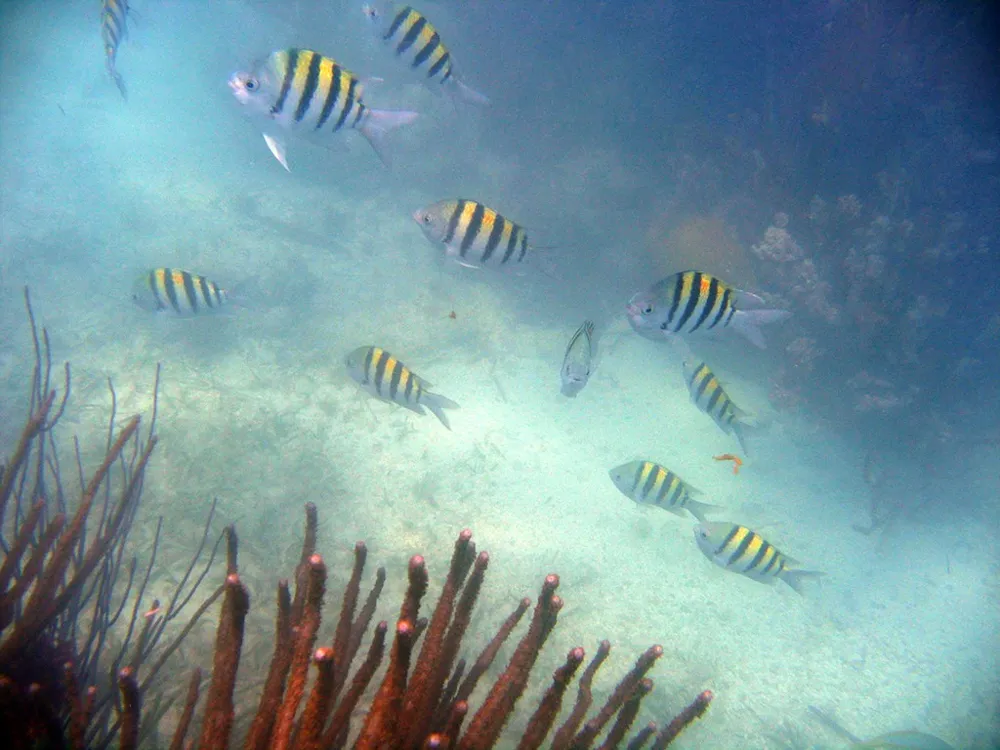
Florida Keys Snorkeling at a Glance
The Florida Keys sit beside what NOAA calls North America's only coral barrier reef. The Florida Keys National Marine Sanctuary, designated in 1990, now protects 4,539 square miles of water around the islands and more than 6,000 species of marine life. For snorkelers, the Keys split into four areas: Key Largo and Islamorada in the Upper Keys, Marathon in the Middle Keys, Big Pine Key and Looe Key in the Lower Keys, and Key West with the remote Dry Tortugas beyond it.
This guide goes deeper on the Keys than our statewide best snorkeling in Florida list. For reef diving rather than snorkeling, see scuba diving in Florida.
| Spot | Area | Access | Good For |
|---|---|---|---|
| John Pennekamp Coral Reef State Park | Key Largo | Shore and boat tours | Beginners, families, glass-bottom boat |
| Key Largo Dry Rocks (Christ of the Abyss) | Key Largo | Boat | The underwater statue |
| Grecian Rocks | Key Largo | Boat | Shallow reef, calmer choppy-day option |
| Molasses Reef | Key Largo | Boat | Spur-and-groove reef, bigger fish |
| French Reef and Pickles Reef | Key Largo | Boat | Ledges and swim-throughs; fewer boats |
| Alligator Reef | Islamorada | Boat | Lighthouse reef, schools of fish |
| Cheeca Rocks | Islamorada | Boat | Close-in patch reef for families |
| Sombrero Reef | Marathon | Boat | Spur-and-groove reef in shallow water |
| Looe Key | Lower Keys | Boat | Classic outer reef, larger marine life |
| Bahia Honda State Park | Lower Keys | Shore and tours to Looe Key | Shallow shore snorkeling |
| Fort Zachary Taylor | Key West | Shore | Easy beach snorkel over rocks |
| Sand Key | Key West | Boat | Lighthouse reef off Key West |
| Dry Tortugas National Park | About 70 miles west of Key West | Ferry, seaplane or private boat | Remote reefs, Fort Jefferson's moat wall |
Boat or Shore: How Snorkeling in the Keys Works
The outer reef runs parallel to the island chain, several miles offshore on the Atlantic side. That's why most of the famous Keys reefs, from Molasses to Looe Key, are boat trips. Between the islands and the outer reef sit shallower patch reefs such as Cheeca Rocks and Hen and Chickens, which are shorter rides and often calmer.
Shore snorkeling exists but is more modest: seagrass, rocks, small coral heads and reef fish rather than big spur-and-groove reefs. The best shore options are Pennekamp's beaches in Key Largo, Bahia Honda State Park in the Lower Keys, Fort Zachary Taylor in Key West and the beaches around Fort Jefferson in the Dry Tortugas.
Many of the best-known reefs are Sanctuary Preservation Areas, marked by yellow boundary buoys, with mooring buoys so boats don't anchor on coral. Fishing and collecting are banned inside them, which is part of why fish are so easy to see there.
Key Largo Snorkeling (Upper Keys)
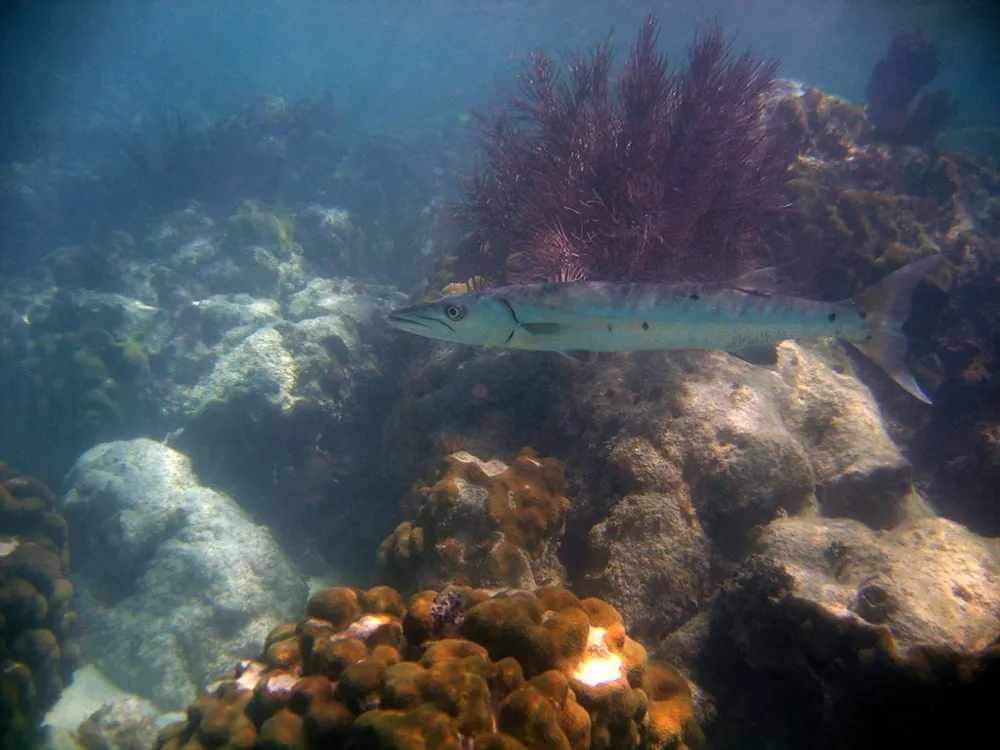
Key Largo is the first island you reach from the mainland and has the most snorkel sites within a short boat ride. Most trips visit two reefs, and the captain picks them on the day based on wind and current.
John Pennekamp Coral Reef State Park
Florida State Parks describes Pennekamp as the country's first undersea park. It covers about 70 square nautical miles at 102601 Overseas Highway. The park's concessionaire, which has operated there since 1963, runs snorkel trips and glass-bottom boat tours to the offshore reefs. For a first try, the park's beaches, such as Cannon Beach, offer shallow shore snorkeling over seagrass and small coral heads. The park also has a canoe and kayak launch.
Key Largo Dry Rocks and the Christ of the Abyss
The 9-foot bronze Christ of the Abyss (also called Christ of the Deep) was secured to the seabed on August 25, 1965, at Key Largo Dry Rocks, about 5 miles off Key Largo. It stands in less than 25 feet of water, so snorkelers can see it from the surface on a clear day. It's a casting of the Guido Galletti original placed in Italy in 1954. The surrounding reef is part of the Key Largo Dry Rocks–Grecian Rocks Sanctuary Preservation Area.
Grecian Rocks
A shallow patch reef close to Dry Rocks, with sections just 4–6 feet deep. Because it's protected, operators often use it when the outer reef is too rough, which makes it a good choice for families and nervous swimmers.
Molasses Reef
About 6 miles offshore, Molasses is a classic spur-and-groove reef with brain corals, sea fans and bigger animals such as nurse sharks, eagle rays and turtles. Some operators moor in about 25–30 feet of water, so it suits confident snorkelers, and it can be crowded and choppy on windy days.
French Reef and Pickles Reef
French Reef is known for ledges, swim-throughs and small caves that freedivers and advanced snorkelers enjoy; bring a small light for the overhangs. Pickles Reef, about 6 nautical miles offshore, is reported at roughly 10–25 feet deep and sees fewer boats than the better-known sites, so it's visited only on some trips when conditions allow.
Islamorada Snorkeling
Islamorada, south of Key Largo, has fewer operators but several excellent reefs, many of them shorter rides.
Alligator Reef
About 5 miles offshore, the reef is marked by a 136-foot iron lighthouse and takes its name from a U.S. Navy ship, the Alligator, that wrecked there. Fish gather in the lighthouse's shade and over the shallow reef; deeper water lies to the east. It's a Sanctuary Preservation Area where only catch-and-release trolling is allowed.
Cheeca Rocks
A patch reef about a mile offshore and one of the smallest preservation areas. Water here can look greener than on the outer reef, but it's often calm, with turtles, nurse sharks and plenty of reef fish, which makes it popular with families.
Hen and Chickens
Another patch reef roughly halfway between the island and the outer reef, noted for hard corals, sponges and interesting topography. Like Cheeca Rocks, it's one of the preservation areas where anchoring will still be allowed after the 2027 anchoring ban described below.
Marathon and the Middle Keys
Sombrero Reef
South of Marathon, Sombrero Reef is a roughly 30-acre spur-and-groove reef in about 6–25 feet of water, with coral formations rising up to 10 feet off the bottom. Several snorkel guides rank it among the best reefs in the Keys. It's a boat trip, usually by catamaran from Marathon. NOAA reported that coral restoration teams lost all of their planted coral at Sombrero Reef in the 2023 heat wave, so expect a reef in recovery.
Coffins Patch
Coffins Patch is a group of patch reefs off Marathon and a Sanctuary Preservation Area. Snorkel trips often combine two spots: The Stake, the shallower site that suits snorkelers, and The Donut, which is deeper and better for divers.
Looe Key and Bahia Honda (Lower Keys)
Looe Key
Looe Key sits about 6.3 miles south of Ramrod Key and a little more than 9 miles southwest of Bahia Honda State Park. NOAA describes it as a classic spur-and-groove reef covering 5.8 square miles, with a 374-acre Sanctuary Preservation Area. It's named after HMS Looe, which ran aground and sank on the reef in 1744. Parrotfish and surgeonfish gather on the north side and barracuda and jacks over the top of the reef. Being on the outer reef, it can have bigger swells than the Upper Keys patch reefs, so it's better for confident swimmers.
Bahia Honda State Park
Bahia Honda's nearshore water is about 4–6 feet deep, with small coral heads, tropical fish, queen conchs and spiny lobster. The park concession rents snorkel gear and runs a snorkel tour to Looe Key that's open to all ages. There are no lifeguards, so swim with a buddy, and stay away from the Bahia Honda Channel, where Florida State Parks warns currents can be very swift. Wind-stirred sand can reduce visibility, and collecting tropical fish is prohibited in the park.
Key West Snorkeling
Key West has more boat trips than reefs right off the island, but it's the base for some easy shore snorkeling and the Dry Tortugas.
Fort Zachary Taylor Historic State Park
The park's beach is Key West's best-known shore snorkel. Rocks just offshore act like a small reef and attract fish such as snapper and parrotfish, and lobsters hide in the gaps. The entry is rocky, so water shoes or fin booties help.
Higgs Beach
A simple place to start, with an easy entry from the beach. It's a good spot to test your mask and fins before a boat trip.
Sand Key and Other Reef Trips
Sand Key is a protected reef roughly 6–7 miles off Key West, marked by a red iron lighthouse dating to 1853, with spur-and-groove reef nearby. Rock Key and Eastern Dry Rocks are two more Sanctuary Preservation Areas off Key West. Conditions on these outer reefs change quickly with wind, waves and tide, so trips may switch sites.
Dry Tortugas National Park
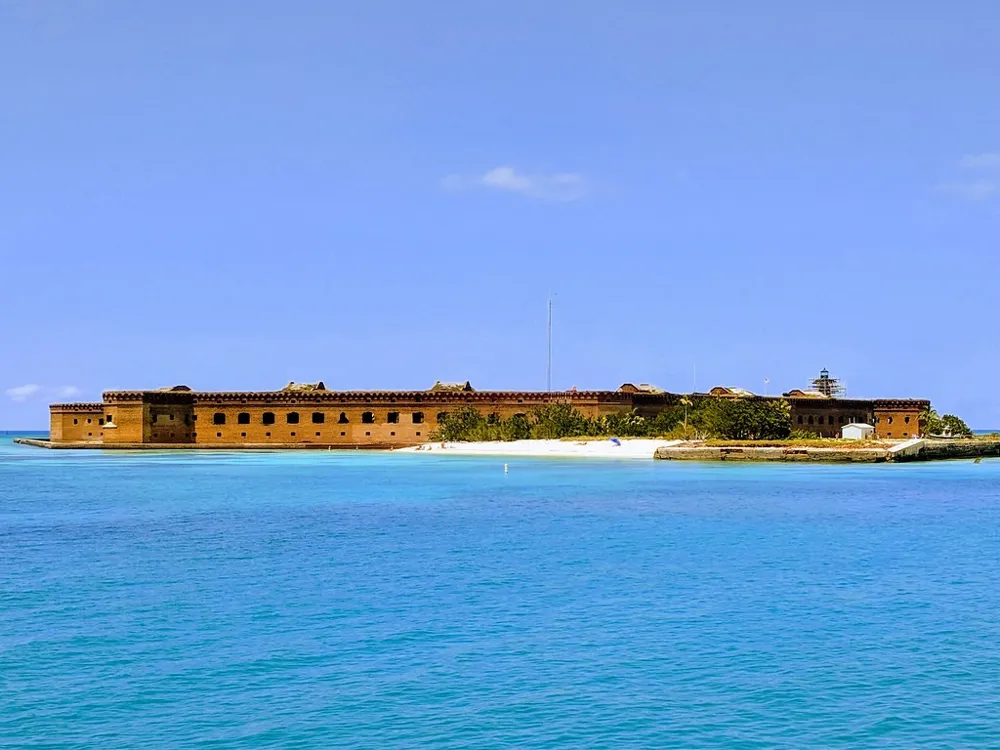
Almost 70 miles west of Key West, Dry Tortugas National Park covers 100 square miles, mostly open water with seven small islands; less than 1% of it is dry land. Garden Key holds Fort Jefferson, which the National Park Service calls the largest masonry fort in the Western Hemisphere.
You can reach the park only by boat or seaplane: the Yankee Freedom ferry runs day and camping trips, seaplane tours fly from Key West, or you can bring your own boat. Neither the ferry nor the seaplane can carry compressed-air tanks, so this is mainly a snorkeling trip unless you charter a dive boat.
Where to snorkel, according to the park:
- Outside the moat wall: swimming inside the moat is prohibited, but the outside of the wall has reef squid, hogfish and nurse sharks.
- Old coaling pier pilings: large grouper, tarpon and barracuda, with a drop-off into a dredged channel nearby.
- Little Africa reef, Loggerhead Key: protected, shallow and calm, and suitable for children in most conditions.
- Windjammer wreck: southwest of Loggerhead Key in 0–20 feet of water, shared by snorkelers and divers.
- Night snorkeling: if you camp on Garden Key, the beach on the west side of the fort is the best entry. Snorkel the area in daylight first and bring a strong light.
Outside the designated snorkel area you need a dive flag, and remote spots such as Pulaski Shoals are far from help, with strong currents. For more, see the park's snorkeling page and our Florida snorkeling overview.
Best Time to Snorkel the Florida Keys
You can snorkel the Keys all year, but conditions change by season:
| Season | Water | What to Expect |
|---|---|---|
| Spring (March–May) | Warming | A favorite with many snorkel guides: mild weather, warming water and before the hurricane season |
| Summer (June–August) | Mid-to-upper 80s °F | Warmest water and hot days; the Atlantic hurricane season starts June 1 |
| Fall (September–November) | Warm, cooling late | Still hurricane season, which officially ends November 30; watch the forecasts |
| Winter (December–February) | Mid-to-lower 70s °F | Outside hurricane season, with cooler water; a thin wetsuit helps |
Water temperatures follow Florida State Parks' figures for Bahia Honda. Whatever the season, wind matters most: on breezy days, boats switch to sheltered patch reefs or cancel. Book a morning trip if you can, leave a spare day, and snorkel near high tide at shore sites for clearer water.
How Florida Keys Snorkel Tours Work
Most visitors snorkel the outer reef on a half-day tour from Key Largo, Islamorada, Marathon, Big Pine Key or Key West. Typical trips visit one or two reefs, with a briefing on the way out.
- Gear: masks, snorkels, fins and flotation vests are usually included or available to rent. Bringing your own mask means a better fit.
- Site choice: the captain decides on the day. A trip booked for Molasses might go to Grecian Rocks if the outer reef is rough.
- Full-face masks: some Key Largo operators don't allow full-face or integrated snorkel masks, so check first (see our full-face mask safety notes).
- Seasickness: reef trips cross open water, so if you get seasick, take a motion-sickness remedy before you board.
- Beginners: some trips start with a shallow-water lesson, and crews hand out vests. Practice first with our how to snorkel guide.
- Snorkel or dive: many dive shops take snorkelers on the same boat as divers. If you're tempted to go deeper, see snorkeling vs scuba diving and how to get scuba certified.
Rules to Know in the Florida Keys
- Dive flag: Florida law (section 327.331) requires divers and snorkelers to display a divers-down flag or buoy, except in areas used only for swimming. Stay within 300 feet of it in open water and within 100 feet in rivers, inlets and channels. A flag shown from the water must be at least 12 by 12 inches; one flown from a boat at least 20 by 24 inches. Boats must slow down near a flag. The sanctuary also prohibits snorkeling without a dive flag. On a tour, the boat's flag covers you.
- Coral: touching or standing on living or dead coral is banned in preservation, conservation and restoration areas, and removing or damaging coral is banned throughout the sanctuary.
- No take in preservation areas: fishing and collecting any marine life is prohibited inside Sanctuary Preservation Areas (catch-and-release trolling is allowed at a few, such as Sand Key and Alligator Reef).
- No feeding fish: attracting or feeding fish, including sharks, is prohibited.
- Anchoring: boats may not anchor on living coral anywhere in the sanctuary. From 2027, anchoring will be banned in most preservation areas, except Hen and Chickens, Cheeca Rocks, Newfound Harbor Key, Eastern Dry Rocks, Rock Key and Sand Key; use mooring buoys.
- Parks: state and national parks set their own rules and fees, and the Dry Tortugas protects shipwrecks, artifacts, shells and coral, living or dead.
- Sunscreen: NOAA warns that some sunscreen ingredients can harm corals and suggests a rash guard to cut how much you need. "Reef safe" is a marketing term, not a regulated one, so check the ingredients (see our reef-safe sunscreen guide).
Rules last checked November 2026. This is general information, not legal advice; check the Florida Keys National Marine Sanctuary, Florida Fish and Wildlife Conservation Commission and park websites before you go.
Have the Reefs Recovered From 2023?
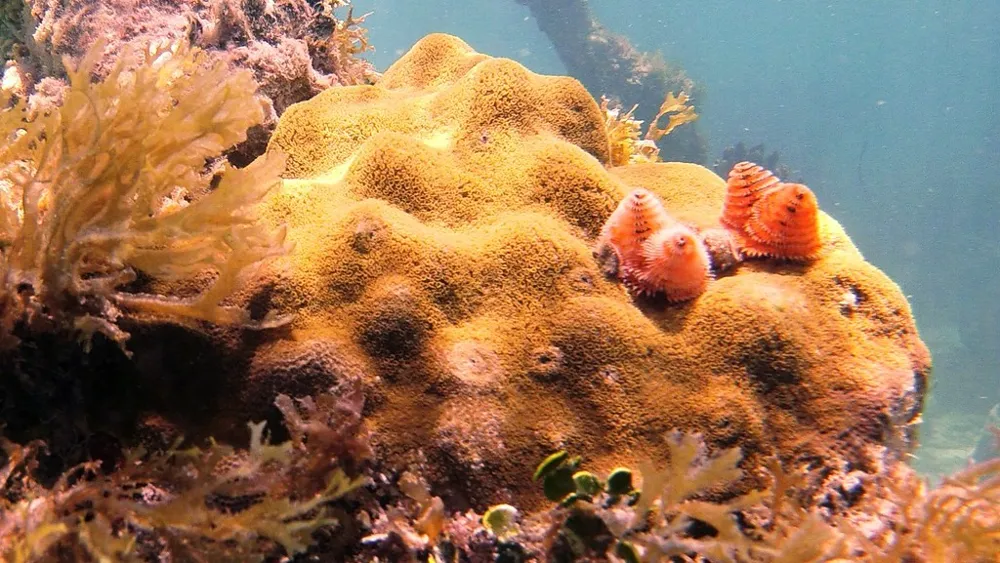
In summer 2023, a marine heat wave hit Florida's reef. Satellite water temperatures crossed the bleaching threshold in the Keys on June 14 and reached 92.48 °F (33.6 °C) on July 13, which NOAA described as the hottest water in the region since satellite records began in 1985. Bleaching ranged from partial to mass coral death, and restoration teams moved thousands of nursery corals into land-based tanks.
What that means for snorkelers: the reefs still have fish, sea fans, sponges and surviving corals, and restoration work continues. But some sites look different from older photos. Branching elkhorn and staghorn corals were already rare: in 2023 NOAA counted only about 150 genetically unique elkhorn and 300 staghorn corals left in Florida, and it moved fragments of each to land-based labs. Set your expectations and help by keeping your fins off the reef.
Safety Tips for Snorkeling the Keys
- Never snorkel alone. The Dry Tortugas park advises always using the buddy system.
- Wear a vest if you're unsure: a snorkel vest lets you rest at the surface, and most tours provide one.
- Watch currents: avoid channels such as the Bahia Honda Channel, and on boat trips swim into the current first so the return is easy.
- Look, don't touch: fire coral, jellyfish, sea urchins and lionfish spines can all sting.
- Protect your skin: the sun is strong on your back when you float face-down for an hour, so wear a rash guard.
- Check the weather: watch the wind forecast, and in hurricane season follow the National Hurricane Center.
More tips: snorkeling safety tips.
What to Pack for Keys Snorkeling
Tours lend gear, but your own mask fits better and a few extras make a long day on the water easier: a mask and snorkel, short travel fins, a rash guard, water shoes for rocky entries at Fort Zachary Taylor and Bahia Honda, a dive flag if you snorkel from shore, and an underwater camera if you want photos.
1. Cressi Palau SAF Set
A travel snorkel set with a mask, snorkel and short adjustable-strap fins that pack into a carry bag, handy for boat trips where space is tight.
Check Price on Amazon2. Cressi Snorkel Vest
An inflatable snorkel vest you top up by mouth to set your floating height. Useful for kids, nervous swimmers and anyone who wants to rest on the surface.
Check Price on Amazon3. O'Neill Basic Skins Rash Guard
A long-sleeve UPF rash guard that covers your back and arms, cutting how much sunscreen you need on the reef.
Check Price on AmazonCompare more gear: snorkel sets, snorkel masks, snorkel fins, rash guards and underwater cameras. Planning a bigger trip? See the best snorkeling in the US, snorkeling in the Caribbean and the best places to snorkel in the world.
Frequently Asked Questions
Where is the best snorkeling in the Florida Keys?
It depends on what you want. Key Largo has the most reef trips, including Pennekamp and the Christ of the Abyss statue; Looe Key and Sombrero Reef are classic spur-and-groove reefs; and the Dry Tortugas offer remote shore snorkeling around Fort Jefferson.
Is Key Largo or Key West better for snorkeling?
Key Largo has more reef sites a short boat ride away, including Pennekamp and Molasses Reef. Key West has easy shore snorkeling at Fort Zachary Taylor, boat trips to Sand Key and the ferry to Dry Tortugas.
Can you snorkel from shore in the Florida Keys?
Yes, at places such as Pennekamp's beaches, Bahia Honda State Park, Fort Zachary Taylor in Key West and around Fort Jefferson in the Dry Tortugas. The outer reef itself is miles offshore and needs a boat.
Do you need a dive flag to snorkel in the Florida Keys?
Yes. Florida law requires a divers-down flag where you snorkel, except in areas used only for swimming, and the Florida Keys National Marine Sanctuary prohibits snorkeling without one. Tour boats display a flag for their groups.
Can you touch the coral in the Keys?
No. Touching or standing on coral is prohibited in the sanctuary's protected zones, and damaging or taking coral is prohibited throughout the sanctuary. Float above it and keep your fins up.
Are full-face snorkel masks allowed on Keys tours?
Some Key Largo operators do not allow full-face or integrated snorkel masks. Check with your tour before you go, or bring a standard mask and snorkel.
What is the water temperature for snorkeling in the Keys?
Florida State Parks gives Bahia Honda's water as the mid-to-upper 80s °F in summer and the mid-to-lower 70s °F in winter, when a thin wetsuit can help.