How Dangerous Is Scuba Diving? An Honest Look at the Risks (2026)
Scuba diving has real risks, but research from DAN and dive-medicine journals shows most accidents follow a few preventable patterns. Here's what the numbers say and how divers lower the odds.
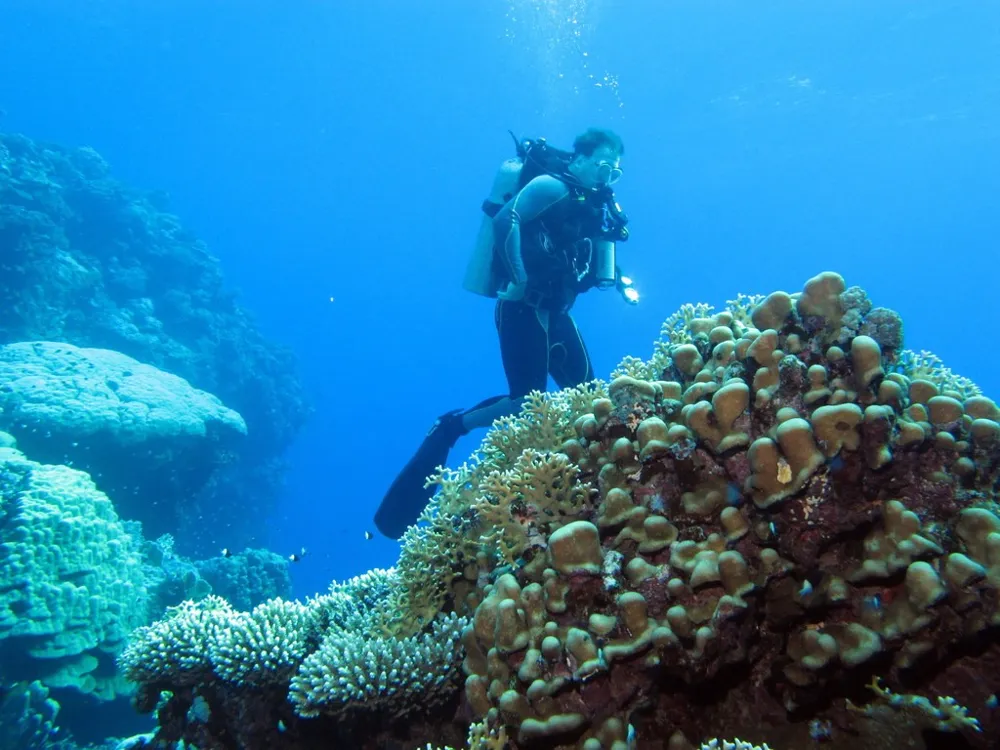
Is Scuba Diving Dangerous? The Short Answer
Scuba diving carries real but low risk for healthy, trained divers who stay within their limits. Breathing compressed gas underwater means mistakes can turn serious quickly, and deaths do happen every year. Yet published research from Divers Alert Network (DAN) and dive-medicine journals shows that most fatal accidents follow a handful of patterns: running low on air, uncontrolled ascents, getting trapped, and underlying heart disease. Most of those can be reduced with training, planning and an honest look at your health.
This page sums up what the research says. It is general information, not medical advice. If you have a health condition, get a dive medical from a physician before you dive.
How Risky Is Scuba Diving? What the Research Says
Diving risk is hard to measure because nobody knows exactly how many people dive or how often. Researchers estimate it from insurance members, club members and training records, so different studies give different rates. The figures below come from peer-reviewed or DAN-published sources and are best read as estimates.
| Measure | Reported figure | Source |
|---|---|---|
| US recreational diving deaths, 2006–2015 | 563 deaths in about 306 million dives, about 1.8 per million dives | Buzzacott et al., Public Health (2018) |
| US emergency room visits for scuba injuries | About 1,394 per year; about 80% treated and released | Buzzacott et al. (2018) |
| DAN members, 2000–2006 | 16.4 deaths per 100,000 divers per year | Vann & Lang, DAN fatalities workshop (2011) |
| British Sub-Aqua Club members, 2000–2006 | 14.4 deaths per 100,000 divers per year | Vann & Lang (2011) |
| Student divers, 1989–2008 | About 1.7 deaths per 100,000 students per year | Vann & Lang (2011) |
| US and Canadian fatalities recorded in 2015 | 67; four out of five were men and 90% were aged 40 or older | DAN Annual Diving Report (2017 edition) |
The same 2018 study concluded that, at about 1.8 deaths per million dives, mortality in recreational diving is "relatively low." It also found that only about one in every 10,000 emergency department visits in the US and Canada was scuba-related. Still, the yearly rates for experienced diver groups are not trivial, which is why training agencies and DAN put so much weight on prevention.
What Causes Most Scuba Diving Deaths?
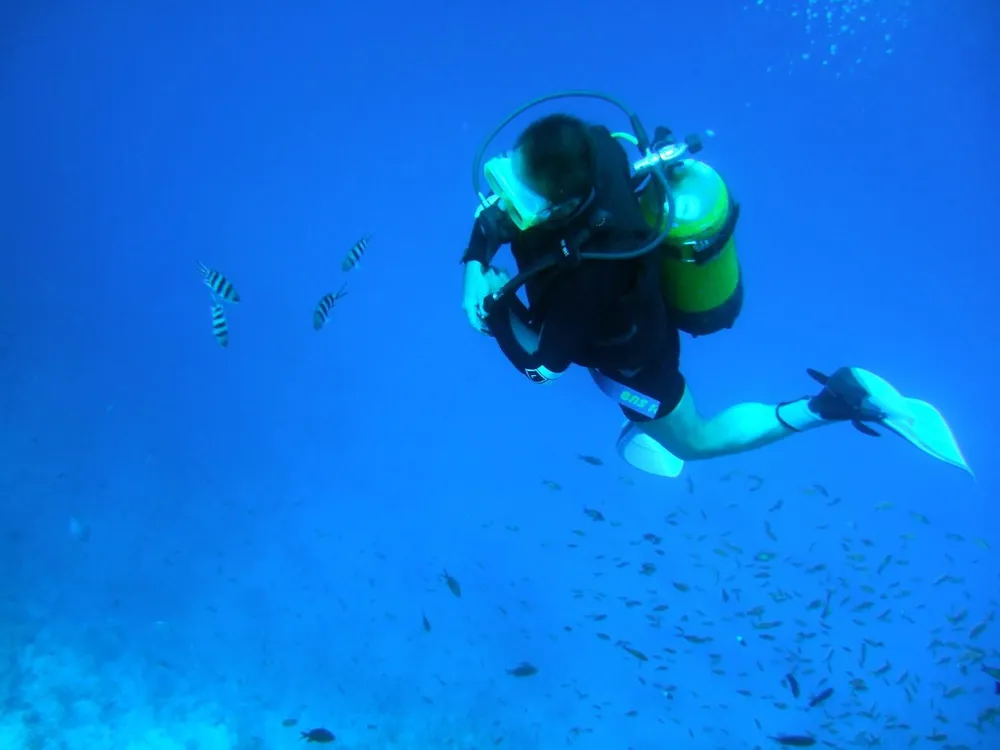
A DAN study of open-circuit recreational diving deaths, published by Denoble and colleagues in Undersea & Hyperbaric Medicine in 2008, traced each death back through a chain of events: the trigger that started the problem, the disabling agent that made it critical, and the disabling injury. Because one accident can involve several factors, the percentages overlap.
| Stage | Most common findings |
|---|---|
| Triggers | Insufficient gas 41%, entrapment 20%, equipment problems 15% |
| Disabling agents | Emergency ascent 55%, insufficient gas 27%, buoyancy trouble 13% |
| Disabling injuries | Asphyxia 33%, arterial gas embolism 29%, cardiac incidents 26% |
The pattern is clear: a diver runs low on air or gets caught on something, panics or bolts for the surface, and the rapid ascent or lack of air causes the fatal injury. A DAN Alert Diver article on the same study noted that running out of gas, entrapment and equipment trouble together account for about three-quarters of fatalities, and that most dive deaths stem from human factors rather than freak events.
Heart Health, Age and Fitness
Heart problems are the risk many new divers don't expect. The DAN fatalities workshop reported that about one-quarter of diving deaths were associated with cardiac events, mostly in older divers. In the Denoble study, cardiac incidents were linked to existing cardiovascular disease and to being over 40.
Diving can be physically demanding: carrying gear, swimming against a current, cold water and stress all load the heart. The workshop's consensus recommendations included medical screening for new divers and for established older divers, because people who were healthy when they trained can develop hidden heart disease years later. The CDC also notes that serious injury and death in diving are associated with poor physical conditioning, and recommends regular aerobic and strength training.
In practice, that means staying fit, being honest on your medical forms, and seeing a doctor if you are older, have risk factors such as high blood pressure or smoking, or notice chest pain or unusual breathlessness when you exert yourself.
The Main Dangers of Scuba Diving
Running Out of Air
Running low on breathing gas is the leading trigger in fatal accidents. Your air lasts less the deeper you go, because each breath at depth holds more gas. Divers prevent it by checking their pressure gauge or air-integrated dive computer often, agreeing a turn-around pressure with their buddy, and surfacing with a reserve. A buddy's alternate air source is the backup if something goes wrong.
Rapid Ascents and Lung Overexpansion
Air in your lungs expands as you rise. Holding your breath or shooting to the surface can overexpand the lungs and push gas into the bloodstream, causing an arterial gas embolism (AGE). The CDC calls AGE a medical emergency and says to suspect it in a diver who surfaces unconscious or loses consciousness within 10 minutes of surfacing. The rule every course teaches: breathe continuously and ascend slowly.
Decompression Sickness (The Bends)
Nitrogen absorbed at depth can form bubbles if you ascend too fast, stay too long or fly too soon after diving. DAN lists it among the three most common problems reported to its hotline. Read our full guide to what the bends is, its symptoms and how divers avoid it, and see how long to wait before flying after diving.
Nitrogen Narcosis and Oxygen Toxicity
Breathing air at depth can impair judgment, an effect the CDC says generally becomes noticeable from about 30 meters (100 feet). Breathing gas with too much oxygen for the depth can cause oxygen toxicity, which can lead to convulsions underwater. Both are reasons recreational diving stops at 40 meters; see how deep you can scuba dive for the limits by certification.
Entrapment and Overhead Environments
Entrapment triggered about one in five deaths in the Denoble study. Caves, wreck interiors, kelp, lines and fishing nets can all snag a diver. Recreational diving is open-water diving with a direct route to the surface; entering caves or wrecks needs specialist training. Our guide to cave diving explains why.
Equipment Problems
Regulators, inflators and gauges can fail if poorly maintained or misused. Rental gear should be checked before every dive, and owned gear serviced on the maker's schedule. Our guides to the best scuba regulators, BCDs and the full scuba diving equipment list cover what each piece does.
Water Conditions, Cold and Boats
Strong currents, surge, poor visibility and cold water add strain and make problems harder to fix. Boat traffic is a risk at the surface, which is why divers use surface marker buoys and dive flags. Check local conditions and dive within what you have trained for.
Marine Life
Sharks get the headlines, but PADI notes they cause very few deaths. DAN's hotline sees more marine envenomation from stings and spines, often while divers are entering or leaving the water or handling animals. Look, don't touch, and don't feed wildlife.
The Most Common Scuba Diving Injuries
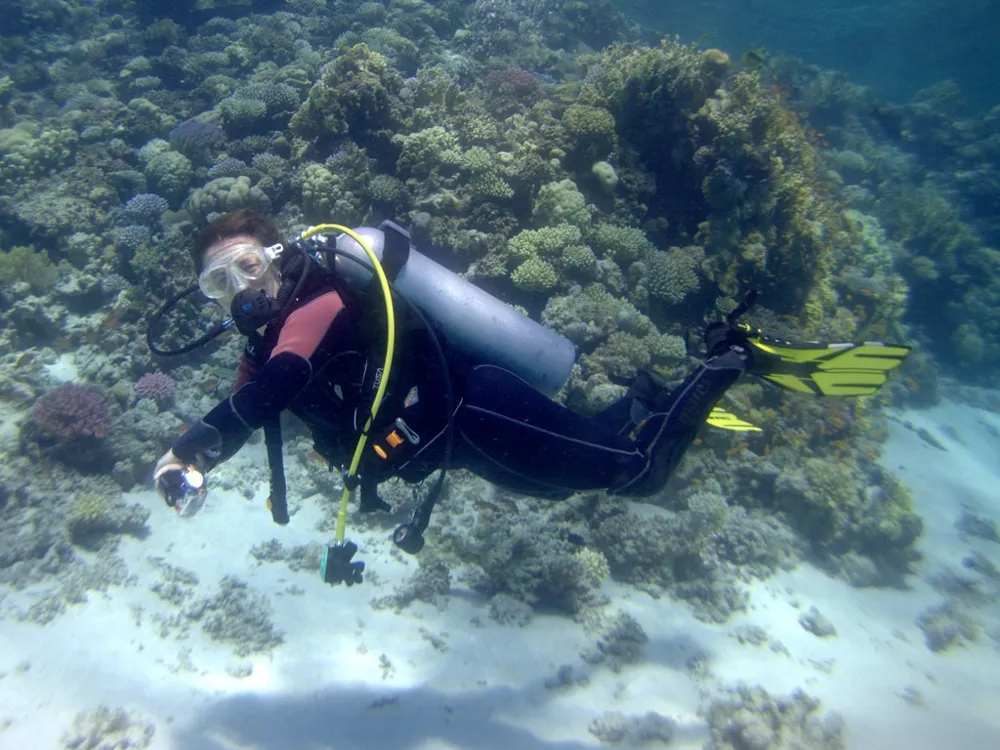
Most diving injuries are far less dramatic than the causes of death above. According to the CDC, middle ear barotrauma (ear squeeze on descent) is the most common injury in divers. DAN's 2015 data likewise found ear and sinus barotrauma the most common injury reported.
| Problem | What causes it | Main prevention |
|---|---|---|
| Ear and sinus barotrauma | Pressure not equalized on descent | Equalize early and often; don't force a descent |
| Decompression sickness | Exceeding depth and time limits, fast ascents, flying too soon | Follow your computer, ascend slowly, safety stops |
| Marine envenomation | Contact with stinging or spined animals | Avoid touching marine life; watch entries and exits |
| Seasickness, sunburn, dehydration | Boat travel and tropical sun | Hydrate, use sun protection, plan for motion sickness |
DAN's summary is simple: most diving injuries are preventable. If you have trouble clearing your ears, our guide on how to equalize your ears when diving covers the techniques.
Is Scuba Diving Dangerous for Beginners?
Learning to dive is one of the safer phases, because students dive shallow, in good conditions, under an instructor's supervision. The DAN workshop reported a mean of about 1.7 deaths per 100,000 student divers per year over 1989–2008, far below the yearly rates for certified diver groups in the same report.
The bigger risk for new divers tends to come later, when they dive without supervision before their skills are solid, push depth, or let long gaps pass without practice. Good habits from the start help: dive within your training, take a refresher after a long break, and build experience gradually. Our guides on how to get scuba certified, scuba certification levels and scuba diving tips for beginners cover the next steps.
How Scuba Compares With Snorkeling and Other Activities
Comparing activities is tricky, because rates are counted per participant, per year, per dive or per hour, and each sport's participation numbers are estimates. The DAN workshop did compare annual death rates directly: about 16.4 per 100,000 for DAN members, close to about 13 for jogging and about 16 for motor vehicle accidents. It described these as comparable, and within the range where UK safety regulators consider reducing risk desirable.
Snorkeling avoids the risks of breathing compressed gas at depth, such as lung overexpansion and the bends, but it has its own hazards, including currents, fatigue and breath-hold problems. See our snorkeling safety tips, and if you dive down on a breath-hold, read about shallow water blackout and the differences between scuba and freediving.
How to Make Scuba Diving Safer
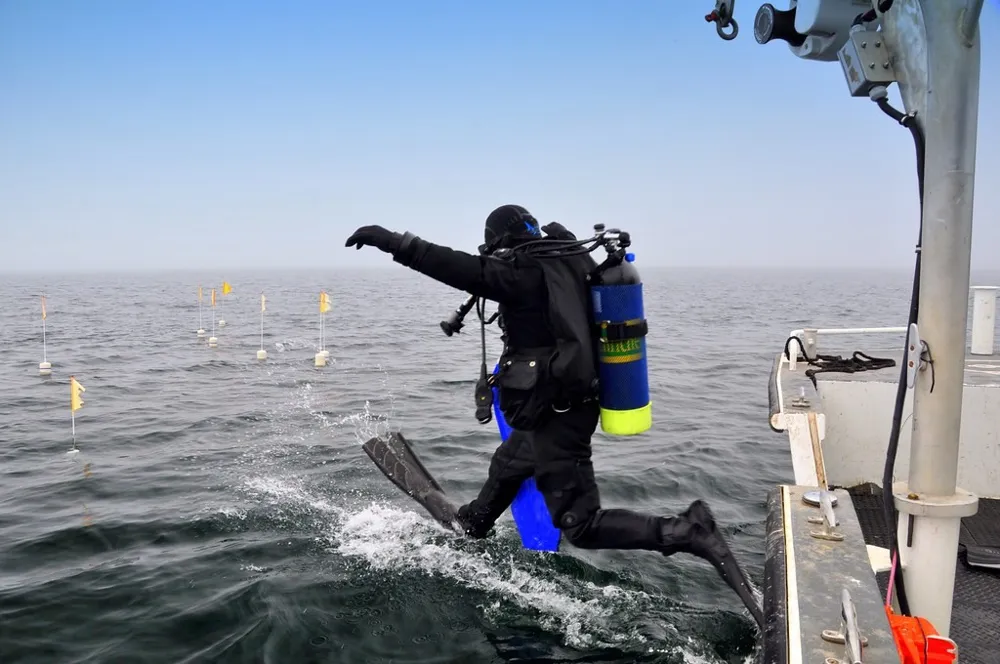
Almost every item below maps back to a cause in the research above.
- Get certified through a recognized agency and dive within your training and experience.
- Plan the dive and dive the plan: depth, time, turn-around air pressure, entry and exit points, and what to do if you get separated.
- Do a buddy check before every dive and stay close to your buddy underwater.
- Watch your air and surface with a reserve.
- Ascend slowly, never hold your breath, and make a safety stop.
- Follow your dive computer and stay within no-decompression limits.
- Stay out of overhead environments such as caves and wreck interiors without specialist training.
- Maintain your gear and check rental equipment before you use it.
- Keep fit, and don't dive when you're sick, congested, hungover or exhausted.
- Refresh your skills after a long break from diving.
- Carry dive accident insurance and know where the nearest emergency help is.
Who Should Not Scuba Dive?
Before any course, students complete the Diver Medical Participant Questionnaire, developed by the Diver Medical Screen Committee with the Undersea & Hyperbaric Medical Society (UHMS), DAN and DAN Europe. A "yes" to certain questions means you need a physician's evaluation and approval before diving. The questionnaire asks about:
- Age over 45 combined with risk factors such as smoking, high cholesterol, high blood pressure or a family history of early heart disease
- Heart, lung and blood conditions, including asthma, past chest or heart surgery and implanted devices
- Ear, sinus and eye problems, hearing loss and balance problems
- Seizures, fainting, migraines, stroke and head injuries
- Panic attacks, depression and other psychological conditions, plus substance use treatment
- Diabetes, back problems, hernias, digestive conditions and recent surgery
- Prescription medicines
The questionnaire also advises against diving while pregnant or trying to become pregnant. Some conditions can be managed with a doctor's input; others may rule diving out.
This is not medical advice. If you have a health condition, take medication or are unsure about any question, get a dive medical from a physician, ideally one familiar with dive medicine, before you dive. DAN also offers medical information for divers.
What to Do If Something Goes Wrong
Diving emergencies need fast, professional help. This is general guidance, not a substitute for first aid training or medical care.
- Stop diving if you or your buddy have symptoms such as joint pain, numbness, weakness, dizziness, confusion, chest pain or trouble breathing after a dive.
- Give emergency oxygen if you are trained and it is available, and keep the diver lying down and monitored.
- Call local emergency services for any serious symptoms or a diver who surfaced unconscious.
- Contact DAN. The CDC lists DAN's 24-hour emergency line as +1-919-684-9111 (collect calls accepted). Check DAN's website for regional numbers before you travel.
- Don't ignore mild symptoms. DAN warns that denial is arguably the worst "symptom" of decompression sickness; seek evaluation even if symptoms improve.
Before a trip, find out where the nearest hyperbaric chamber and medical facility are, and make sure your dive operator carries oxygen. For more on the sport as a whole, browse our snorkeling and diving guides.
Frequently Asked Questions
Is scuba diving safe for beginners?
Training is one of the safer phases of diving. A DAN workshop reported about 1.7 deaths per 100,000 student divers per year from 1989 to 2008, lower than the rates for certified diver groups in the same report.
How many people die scuba diving each year?
A 2018 study in Public Health counted 563 recreational diving deaths among US residents from 2006 to 2015, or about 1.8 deaths per million dives. Counts vary by year and by how each report defines a diving death.
What is the most common cause of death in scuba diving?
Drowning is the usual final cause on paper, but the trigger behind many deaths is running low on or out of breathing gas. Cardiac events are linked to about a quarter of diving deaths, mostly in older divers.
Is scuba diving more dangerous than skydiving?
Rates are measured in different ways (per dive, per jump, per participant), so direct comparisons are unreliable. A DAN workshop found diving's yearly death rate for experienced divers close to the rates for jogging and motor vehicle accidents.
Can you scuba dive if you can't swim?
You need basic swimming skills to get certified. PADI, for example, asks for a 200-meter or 200-yard swim with no time limit (or 300 with mask, fins and snorkel) and a 10-minute float or tread, so learn to swim first.
Do you need a medical to scuba dive?
Every student fills in a diver medical questionnaire. If you answer yes to certain questions, you need a physician's sign-off before diving, and some conditions rule diving out.
Are sharks a big danger to scuba divers?
Shark bites on divers are rare. Running out of air, rapid ascents, entrapment and heart problems are far more common factors in diving deaths.