Best Swim Snorkels: Center-Mount Picks for Better Laps (2026)
Front-mounted training snorkels from FINIS, TYR, Arena, Speedo and MP, plus how to pick the right fit, use caps and valves, and handle flip turns.
What a Swim Snorkel Is (and Isn't)
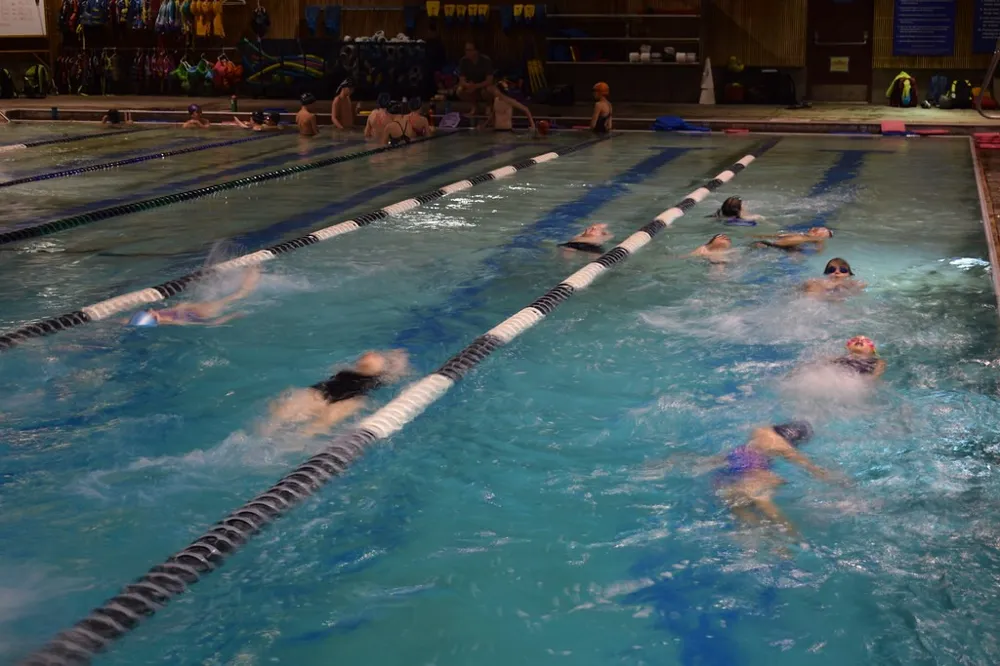
A swim snorkel, also called a center-mount or front-mounted snorkel, is a training tool for lap swimmers. The tube runs from your mouth straight up the middle of your face and over your forehead, held by a bracket or strap. You keep your face in the water and breathe without turning your head, so you can think only about your stroke.
It is not the side-mounted snorkel you use on a reef with a mask. Those are covered in our guides to snorkel sets and dry vs semi-dry snorkels, and the basic physics is in how a snorkel works. A swim snorkel is usually worn with swim goggles and a cap, and it is designed to stay stable while you move fast.
FINIS Swimmer's Snorkel
Best for most lap swimmers
- Center-mount with one-way purge valve
- Adjustable head bracket
- Works over a cap and goggles
FINIS Stability Snorkel
Best for fast and competitive swimmers
- No bracket: cushioned forehead rest
- Pivoting silicone mouthpiece
- Tube adjusts to five lengths
Arena Swim Snorkel III
Best with a purge valve and swivel strap
- One-way purge valve
- Silicone mouthpiece and headband
- Swivel headband to turn the tube aside
Swim Snorkels Compared
| Model | Mount | Purge Valve | Caps Included | Notable Features |
|---|---|---|---|---|
| FINIS Swimmer's Snorkel | Adjustable head bracket | Yes, one-way | No | Medical-grade silicone mouthpiece; about 21 in. long |
| FINIS Stability Snorkel | Bracketless forehead rest, dual strap | Not listed | No | Pivoting mouthpiece; five tube lengths |
| TYR Ultralite 2.0 | Sliding headpiece | Yes, one-way | Moderate and advanced | 175 g; removable mouthpiece |
| Arena Swim Snorkel III | Swivel center headband | Yes, one-way | No | PVC-free liquid silicone strap and mouthpiece |
| MP Focus Snorkel | Cushioned forehead bracket | Yes, bottom-mounted | No | Triangular tube; regular and small fits |
| Speedo Bullet Head | Padded headband | Not listed | No | Low-profile teardrop tube; removable mouthpiece |
| FINIS Freestyle Snorkel | Close-fitting front mount | Not listed | No | Shaped for freestyle and a low head position |
| Ameo Powerbreather | Two tubes along the sides of the head | Valved mouthpiece for exhaling | No | Inhale through tubes, exhale through mouthpiece |
Details are from maker and retailer listings. Designs change between versions, so check the current listing for valves, sizes and what's in the box.
The Best Swim Snorkels
1. FINIS Swimmer's Snorkel
The FINIS Swimmer's Snorkel is the classic center-mount design and a common first swim snorkel. It has a one-way purge valve for quick water release, an adjustable head bracket that can be worn with a swim cap or goggles, and a soft medical-grade silicone mouthpiece. Kiefer's listing gives about 21 inches and half a pound. The head strap adjusts to fit most heads, and FINIS also makes a junior version with a shorter tube. Replacement purge valves are sold separately.
Good to Know
- Purge valve makes clearing easy for beginners
- Bracket slides to set the tube angle
- Spare parts available
Watch Out For
- Some reviewers report the bracket latches wearing out over time
- Bracket can feel stiff until you adjust it
2. FINIS Stability Snorkel
The Stability Snorkel drops the hard bracket. A cushioned resting spot sits on the curve of your forehead and a dual silicone strap spreads pressure around your head. The tube curves close to your head, adjusts to five lengths, and FINIS says it's made for swimming at high speed with an elevated body position. The silicone mouthpiece pivots to the side so you can grab a drink or talk to a coach between reps. A Jr version is sold for ages 6 to 10.
Good to Know
- Low-profile and stable at speed
- No rigid bracket pressing on your head
- Pivoting mouthpiece for rest intervals
Watch Out For
- No purge valve listed, so you clear it by exhaling
- Two straps plus goggle straps can feel busy; tuck goggles under your cap
3. TYR Ultralite Snorkel 2.0
TYR lists the Ultralite 2.0 at 175 g, with a hydrodynamic tube, a sliding headpiece for positioning and DURAFIT silicone padding. It includes a one-way purge valve, a removable liquid silicone mouthpiece that's easy to clean, and release buttons on the back of the strap for quick adjustment. Moderate and advanced cardio training caps come in the box, so you can add breathing resistance without buying extras. It comes in one size.
Good to Know
- Two restrictor caps included
- Light and quick to adjust
- Mouthpiece removes for cleaning
Watch Out For
- Some reviews describe it without a purge valve; check the current listing
- Built for pool training, not ocean snorkeling
Amazon listed TYR's Ultralite Elite rather than the Ultralite 2.0 when we checked (November 2026), so look for the 2.0 at TYR or swim retailers.
4. Arena Swim Snorkel III
The Arena Swim Snorkel III has a one-way purge valve built into the body, a soft PVC-free liquid silicone mouthpiece and headband, and a quick-release clip to size the strap over a cap. Its uni-directional swivel headband lets you turn the tube aside to talk to your coach between drills. It's one size. Arena's Swim Snorkel Pro III is a separate model for advanced swimmers that comes with two mouthpieces (small and large) and two breath control caps rated at 50% and 70%.
Good to Know
- Purge valve and swivel head strap
- Silicone strap fits easily over a cap
- Pro III adds caps and a second mouthpiece
Watch Out For
- The Pro III and III are easy to mix up when ordering
- One size only
5. MP Michael Phelps Focus Snorkel
The Focus, from Aqua Sphere's MP line, uses a triangular, low-profile tube, a lightweight forehead bracket with integrated cushioning and a Comfo-Bite silicone mouthpiece shaped to reduce jaw fatigue. It has a bottom-mounted purge valve and comes in regular and small fits, which helps swimmers with narrower faces and teens.
Good to Know
- Two fit sizes
- Purge valve at the base of the tube
- Mouthpiece designed for comfort
Watch Out For
- Some reviewers find the bracket slides if not tightened well
The Focus listing was unavailable on Amazon when we checked (November 2026); check MP or swim retailers.
6. Speedo Bullet Head Snorkel
Speedo's Bullet Head is a minimalist design with a low-profile, teardrop-shaped tube meant to cut drag and keep your view clear. A padded TPR headband spreads pressure, notches on the tube help you set the same fit every time, and the silicone mouthpiece removes for cleaning. Speedo pitches it for freestyle and butterfly training in a neutral, face-down position.
Good to Know
- Slim tube and padded headband
- Repeatable fit with tube notches
- Removable mouthpiece
Watch Out For
- No purge valve listed
- Some buyers find the narrow tube restricts airflow
7. FINIS Freestyle Snorkel
FINIS calls the Freestyle Snorkel the first front-mounted snorkel designed specifically for freestylers. The tube fits closer to the face for a streamlined, stable fit with less resistance, and it lets you hold a lower head position. FINIS aims it at triathletes, sprinters and distance freestylers. The tube's shape gives clearance for flip turns, but it suits freestyle better than other strokes.
Good to Know
- Shaped for freestyle body position
- Close fit reduces wobble
Watch Out For
- Less suited to other strokes
- Lifting your head can dip the tube opening
8. Ameo Powerbreather
The Powerbreather works differently. Two parallel air tubes run up the sides of your head, and a central mouthpiece has a valve. You breathe in through the side tubes and out through the mouthpiece, so inhaled and exhaled air use separate channels. Restube, which now sells it, says valves and protectors keep water out of the tubes, the Twist Lock system adjusts to head widths up to 17.5 cm, and it's "not a diving device": it only works while the tube ends stay above the surface. Restube lists one current version; older Lap, Sport and Wave versions still turn up for sale.
Good to Know
- Tubes stay clear of your line of sight
- No exhaled air in the inhale tubes
Watch Out For
- Exhaling through the valve takes practice
- Tubes can hit your arms if set too low
Why Swimmers Train With a Snorkel
Each breath turn in freestyle can lift your head, drop your hips and pull your body off line. A swim snorkel removes that step so you can work on one thing at a time:
- Head and body position: with your face down and head still, it's easier to feel a straight line from head to hips and to keep your hips high.
- Stroke symmetry: swimmers who always breathe to one side often pull harder or cross over on that side. Without the breath you can compare both arms evenly.
- Drills and kick sets: catch drills, sculling and kick sets can be done face-down in a streamlined position instead of on a kickboard.
- Breathing muscles: an Aqua Sphere-sponsored article on US Masters Swimming's site argues that breathing steadily through a narrow tube makes the breathing muscles work harder. Restrictor caps add to that effect.
- Neck and shoulder relief: some retailers list swim snorkels as helpful for swimmers with neck or back issues, since you don't rotate to breathe. If you have an injury, ask a doctor or physical therapist before relying on that.
The evidence is still thin. A 2015 pilot study from the University of Granada (13 swimmers, front crawl in a swimming flume at 95% of 400 m pace) found no significant change in stroke rate or stroke length with a snorkel, and no significant difference in heart rate, lactate or effort. That fits how most coaches use them: as a tool for drills and focus, not a speed boost in itself.
Center-Mount vs Side-Mount Snorkels
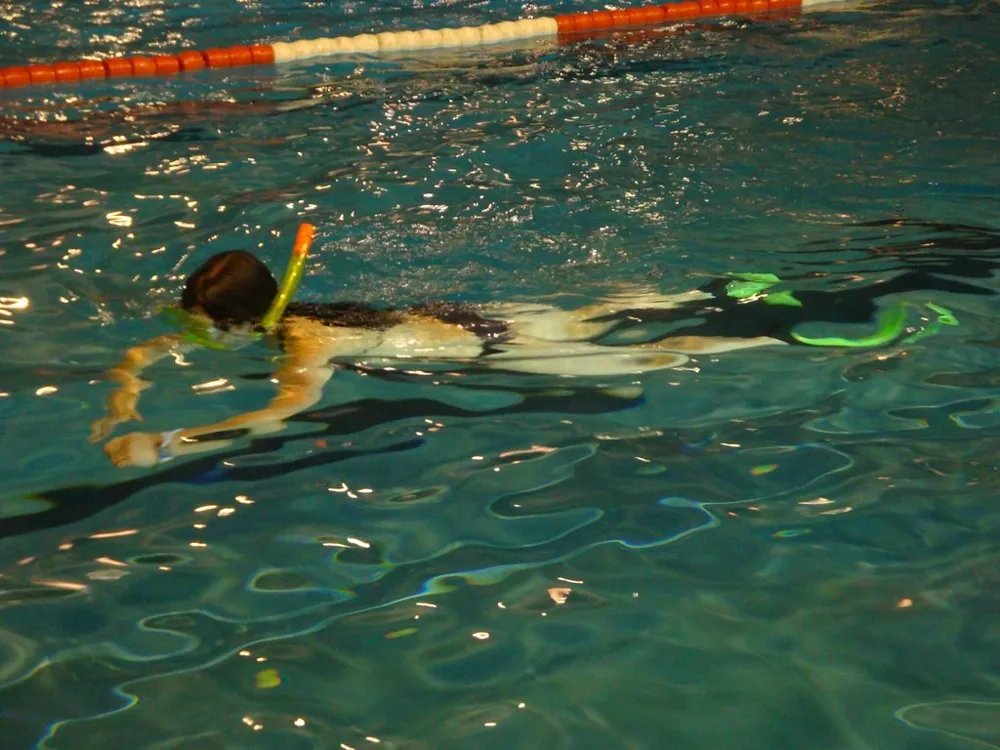
A side-mounted reef snorkel clips to a mask strap beside your head. That works for floating over a reef, but not for laps:
| Feature | Center-Mount Swim Snorkel | Side-Mount Reef Snorkel |
|---|---|---|
| Tube position | Up the middle of the face and over the forehead | Beside one ear, on the mask strap |
| Worn with | Goggles and a swim cap | A mask that covers the nose |
| Body rotation | Doesn't get in the way of either arm | Can hit the arm and pull the head to one side |
| Stability at speed | Designed to stay still as you swim fast | Tends to wobble and drag |
| Top of the tube | Usually open, sometimes with a cap | Often a splash guard or dry-top valve |
| Best use | Pool training and drills | Recreational snorkeling |
The one-line answer: use a center-mount for laps and a side-mount with a snorkel mask for reefs.
How to Choose a Swim Snorkel
Fit, Bracket and Head Strap
The tube should sit centered and stay still when you shake your head. Bracket designs (FINIS Swimmer's, MP Focus) hold the tube firmly and let you set the angle; bracketless designs (FINIS Stability) rest on your forehead with a strap and feel lighter. Look for a strap that tightens easily over a cap, and try one on if you can, since face shape changes the fit.
Purge Valve or None
A one-way purge valve near the mouthpiece lets water drain when you exhale. It's the easier choice for beginners and for flip turns. Valveless tubes are simpler and slimmer, but you have to blast water out yourself.
Tube Shape and Bore
Tubes that curve close to your head cut drag and keep the opening clear during turns. A very narrow tube can feel restrictive; a wider bore is easier to breathe through for long sets.
Mouthpiece
Soft silicone is the standard. Removable mouthpieces are easier to clean, and a pivoting or swivel design lets you rest between reps. Some brands include two sizes.
Cardio and Restrictor Caps
Caps fit over the top of the tube and narrow the opening. TYR includes moderate and advanced caps with the Ultralite 2.0, Arena's Pro III comes with 50% and 70% caps, and FINIS sells a Cardio Cap for its snorkels. Start without one, add resistance gradually and stop if you feel light-headed or dizzy.
Kids' and Junior Sizes
Adult tubes are often too long for children. FINIS sells a junior Swimmer's Snorkel and a Stability Snorkel Jr for ages 6 to 10, and the MP Focus comes in a small fit. Kids should use one only with a coach or adult watching. For holiday snorkeling, see our kids' snorkel sets instead.
Snorkels for Open Water and Triathlon
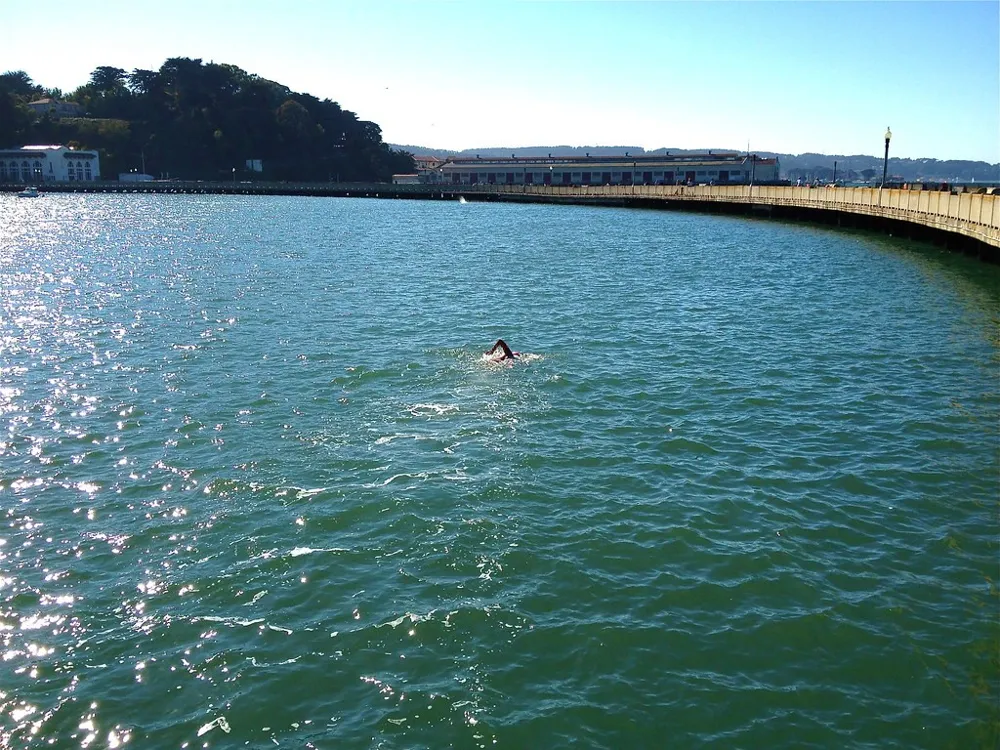
Most swim snorkels are designed for flat pool water. In open water, chop can wash over a short tube, and you can't sight forward without lifting your head. If you train in lakes or the sea:
- Choose a tube that sits higher or straighter, or a design built to keep waves out of the tubes, such as the Powerbreather.
- Pick a bright color so boats and other swimmers can see you, and tow a swim buoy.
- Use the snorkel for technique sets, then swim without it so you practise sighting and breathing in waves.
- Never swim alone in open water, and stay where lifeguards or a support kayak can see you.
For race day, check the rules. USA Triathlon's 2026 swim equipment clarifications say snorkels are not allowed at Elite, U23, Development and National Championship age-group races, World Triathlon qualifiers or USAT-sanctioned local events. They are allowed at sanctioned adaptive races and waves, and at local non-competitive races and waves if you confirm with race management and the lead official first. Rules change, so check the current document (last checked November 2026).
How to Use a Swim Snorkel
First Sessions
- Fit it on deck. Put on your cap and goggles, then the snorkel. Adjust the strap so the tube runs straight up the center of your face.
- Breathe standing in shallow water. Put your face in, breathe in through your mouth and out through the tube for a minute until it feels normal.
- Push and glide. Swim slowly for a short distance. Keep your head neutral and look at the bottom. If the top of the tube rises well above the surface, your head is too high.
- Build up. Start with short repeats and slower pace before adding speed or caps.
Breathing and Clearing Splash
Breathe in through your mouth only. You can exhale through the tube or your nose. Steady, relaxed breaths work better than big gulps. If water splashes in, exhale sharply through the tube (the blast method), or let the purge valve drain it as you breathe out. Hold the mouthpiece gently with your lips instead of biting, which helps prevent jaw fatigue.
Flip Turns
The tube fills when you turn underwater. Exhale gently through your nose during the flip (a nose clip helps), then as you push off, keep a little air to clear the tube before your first breath. An article on US Masters Swimming's site suggests the displacement method: exhale gently into the snorkel as you rise so it's clear when you surface. Open turns are fine while you learn.
Drills to Try
- Catch-up and single-arm freestyle with a still head
- Kick sets in streamline without a kickboard
- Front sculling to feel the water on your hands
- Steady aerobic sets focusing on hip position
Do part of each session without the snorkel so your normal breathing keeps pace with the technique you're building.
Pool and Race Rules
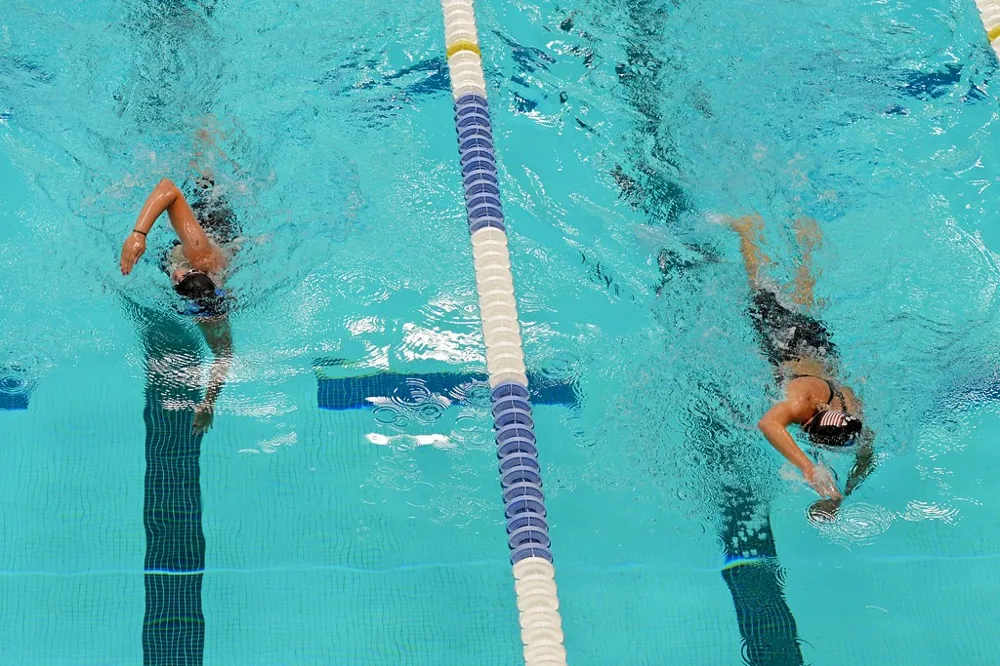
Pool policies vary. Oakland's public pools, for example, say you may bring your own fins, goggles and snorkel to lap swim. Conwy's leisure centres in Wales don't allow fins, masks or snorkels during casual swims, because they class them as specialist equipment and worry about reduced vision and collisions; they allow them only in programmed sessions. Ask the lifeguard before your first swim, and be extra aware of others in a shared lane, since a snorkel lets you swim face-down for longer without looking up.
Snorkels are training gear, not race gear; if you want one in a meet warm-up, ask the officials first.
Cleaning and Care
- Rinse after every swim in fresh water, inside and out, to wash off chlorine or salt.
- Dry it open and out of direct sun before you pack it, so the tube and mouthpiece don't grow mold.
- Wash it regularly. Remove the mouthpiece if you can and clean it with mild soap and warm water.
- Check moving parts. Brackets, strap clips and purge valves wear out. Many brands sell replacement valves, mouthpieces and straps.
- Don't share mouthpieces without cleaning them first.
Related Guides
- How Does a Snorkel Work?
- Dry vs Semi-Dry Snorkel
- Best Snorkel Sets
- Best Waterproof Watches for Swimming
- Shallow Water Blackout
- All Snorkeling and Diving Guides
Frequently Asked Questions
Is it good to swim laps with a snorkel?
For technique work, yes. Taking away the breath turn lets you hold a still, face-down head and watch your stroke, kick and body line. Most coaches use it for part of a session, not every lap, so you still practise normal breathing.
Do swim snorkels need a purge valve?
No, but it helps. A one-way purge valve near the mouthpiece lets water drain out when you exhale, which makes flip turns and first sessions easier. Valveless snorkels are lighter and simpler, but you clear them with a sharp blast of air.
Can you do flip turns with a swim snorkel?
Yes, with practice. Exhale gently through your nose (or wear a nose clip) as you turn, then blast or exhale through the tube as you push off so it's clear before your first breath. A purge valve and a tube that curves close to your head both help.
What is a cardio cap on a snorkel?
A cap that fits over the top of the tube and narrows the opening, so each breath takes more effort. TYR includes two caps with the Ultralite 2.0 and Arena includes 50% and 70% caps with the Swim Snorkel Pro III. Build up slowly and stop if you feel light-headed.
Can you use a swim snorkel in a triathlon?
Usually not in a race. USA Triathlon's 2026 equipment clarifications bar snorkels at most sanctioned races and allow them only at adaptive events and local non-competitive races or waves, after checking with race officials.
Are swim snorkels allowed in public pools?
It depends on the pool. Some allow your own snorkel during lap swim, while others ban snorkels, masks and fins outside specific sessions. Ask the lifeguard or check the posted lap-swim rules first.
Can you use a swim snorkel for reef snorkeling?
Not well. Swim snorkels are built for a moving, face-down swimmer in a pool and are usually worn with goggles, not a mask. For reef trips, use a mask and a side-mounted snorkel from our snorkel set guide.