Best Kids' Snorkel Sets for a Leak-Free First Reef (2026)
Kid-sized mask, snorkel and fin sets from dive brands, with sizing by age and shoe size, a 10-second mask fit test, and the flotation and supervision rules that matter most.
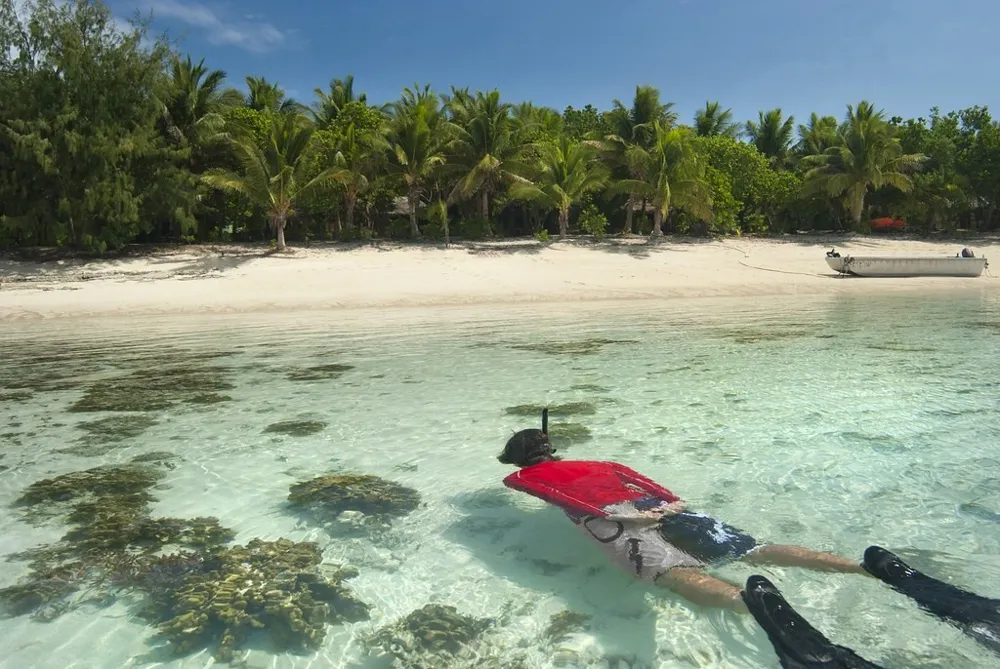
How to Choose a Kids' Snorkel Set
The best kids' snorkel set is the one whose mask seals on your child's face. Buy a junior-sized mask with a soft silicone skirt and tempered glass lenses, a short junior snorkel with a dry or semi-dry top and a purge valve, and short, flexible fins sized to the child's shoe size. Then add flotation that matches their swimming ability and practice in a pool before the trip.
The sets below are from established dive brands that sell junior sizes. This page focuses on kids; for adult sets see snorkel sets, and for individual pieces see snorkel masks and snorkel fins.
Cressi Rocks Pro Dry Set
Best for school-age kids
- Dry-top snorkel
- Tempered glass mask lenses
- Adjustable open-heel fins
U.S. Divers Dorado Jr Set
Best for growing feet
- Three fin sizes from kids' 9
- Bungee-strap open-heel fins
- Two-window mask and gear bag
HEAD Sea Pals Jr Set
Best for younger kids
- Dry splash-top snorkel
- Small/medium fits kids' shoe 9-13
- Creature-themed backpack bag
Kids' Snorkel Sets Compared
| Set | Includes | Snorkel Top | Fins | Listed Sizing |
|---|---|---|---|---|
| Cressi Rocks Pro Dry Set | Mask, snorkel, fins | Dry | Open-heel, adjustable | S/M and L/XL; one retailer lists ages 7–13 |
| U.S. Divers Dorado Jr Set | Mask, snorkel, fins, bag | Splash guard | Open-heel, bungee strap | S (kids' 9–13), M (1–4), L (5–8) |
| HEAD Sea Pals Jr Set | Mask, snorkel, fins, backpack | Dry splash-top | Open-heel, vented | S/M fits kids' shoe 9–13 |
| Cressi Mini Palau Set | Mask, snorkel, fins | Semi-dry | Short open-heel | XS/S (US 12–1), S/M (US 1–4) |
| Cressi Pegaso and Iguana | Mask, snorkel | Dry or semi-dry versions | None | Listed for ages 5–15 |
| Cressi Mini Light Fins | Fins only | n/a | Full-foot, floating | US 8–11 (ages 3–5), 11.5–13 (ages 5–7) |
Sizes and components vary by color and retailer, so check the size chart on the listing before ordering.
The Best Kids' Snorkel Sets
1. Cressi Rocks Pro Dry Set
A complete junior set from Italian dive brand Cressi with a kid-sized mask, a dry-top snorkel whose top valve is designed to keep water out when the child ducks under, and short-blade fins with an adjustable heel strap that can be loosened or tightened as feet grow. Retailer listings describe a hypoallergenic silicone skirt and tempered glass lenses. It comes in S/M and L/XL; one retailer lists it for ages 7 to 13 and another lists a wider range, so go by shoe size and face fit rather than age.
Good to Know
- Dry top helps kids who get splashed or dip under
- Glass lenses, silicone skirt
- Adjustable fins grow with the child
Watch Out For
- Age ranges differ between retailers
- Open-heel fins can rub bare feet on long swims
2. U.S. Divers Dorado Jr Set
The Dorado Jr set pairs a two-window mask with an anti-fog treatment and three-way adjustable buckles, a Seabreeze snorkel with a splash guard and one-way purge valve, and vented Proflex fins with bungee straps designed to adjust as children grow. Its three sizes are listed by shoe size: small (kids' 9–13), medium (1–4) and large (5–8), which makes it easy to match. Retailer listings for the newer Dorado Jr II mention a shatter-resistant polycarbonate lens, so check which version a listing sells. A gear bag is included.
Good to Know
- Clear shoe-size chart
- Bungee straps are quick for kids to put on
- Gear bag included
Watch Out For
- Polycarbonate lens scratches more easily than glass
- Splash guard is not a sealed dry top
3. HEAD Sea Pals Jr Set
Sold as HEAD by Mares, this set is styled for younger children with creature-themed gear and a backpack-style bag with a roll-top closure. The single-window, low-volume mask has a double feathered-edge silicone skirt and a nose pocket for equalizing. The snorkel has a dry splash-top, a one-way purge valve and a reservoir below the mouthpiece, and the vented open-heel fins have adjustable straps with thumb loops. The small/medium size is listed for kids' shoe sizes 9–13.
Good to Know
- Themes help reluctant kids want to wear it
- Dry splash-top snorkel
- Bag doubles as a backpack
Watch Out For
- Age guidance on listings is inconsistent with the shoe sizes
- Stock and themes change often
4. Cressi Mini Palau Set
A smaller version of Cressi's popular travel set. It combines the Estrella Jr mask (single tempered glass lens, low volume, transparent silicone skirt), a Top Jr snorkel with a semi-dry splash guard and purge valve, and Mini Palau short open-heel fins with a soft elastomer foot pocket that can be worn barefoot. Fins come in XS/S (US 12–1) and S/M (US 1–4), so it suits smaller kids who are ready for open-heel fins. Some retailers have stopped carrying it, so check availability.
Good to Know
- Short fins pack small for travel
- Glass lens and silicone skirt
- Fits smaller feet
Watch Out For
- Semi-dry snorkel lets water in if the child dips under
- Availability varies
5. Cressi Pegaso Mask and Iguana Snorkel
A mask-and-snorkel combo for families who already own fins or plan to rent them. The two-window Pegaso mask has a hypoallergenic silicone skirt and side buckles, and the Iguana snorkel comes in semi-dry and dry versions with a bottom purge valve and quick-release keeper. Retailer listings give a wide ages 5–15 range, so do the mask fit test below, especially for the youngest kids.
Good to Know
- Buy only the parts you need
- Dry or semi-dry snorkel options
- Several colors
Watch Out For
- No fins included
- One mask size covers a wide age range
6. Cressi Mini Light Kids Fins
Short, full-foot rubber fins sized for preschool and early-school feet: US 8–11 (listed for ages 3–5) and US 11.5–13 (ages 5–7). They float when not worn and have a heel tab for pulling them on. Full-foot pockets suit small children who struggle with straps, and pairing them with a separate junior mask and snorkel lets you size each piece individually.
Good to Know
- Sizes for the youngest snorkelers
- Fins float if kicked off
- No straps to adjust
Watch Out For
- Fins only
- Kids outgrow full-foot pockets quickly
Full-face masks for kids are left out of this list on purpose; see the full-face section below.
What Age Can Kids Start Snorkeling?
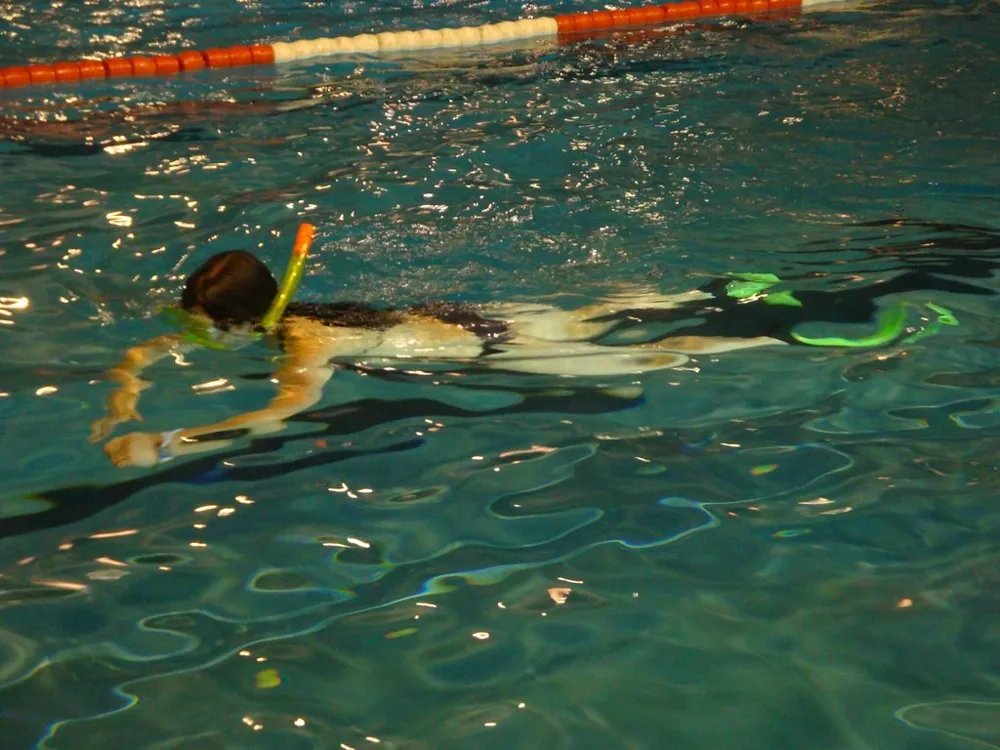
There is no official minimum age for recreational snorkeling. Dive retailers commonly suggest kids can start learning around age 5 or 6, and some families start younger in a pool or in very shallow water with full flotation. Readiness matters more than age:
- The child is relaxed with their face in the water and can float with help.
- They will wear a mask without panicking when water touches their face.
- They can breathe through a mouthpiece for a minute or two in a pool.
- They can tell you, or signal, when they want to stop.
Children under about 5 can still enjoy looking through a mask in a pool or at the water's edge. Swimming lessons build the skills that make snorkeling safer, so treat snorkeling as an add-on to swimming, not a replacement for it.
How to Size a Kids' Snorkel Mask
A leaking mask is the main reason kids give up, and adult masks rarely seal on small faces. Junior masks have a narrower frame, a smaller nose pocket and a shorter skirt.
The Mask Fit Test
- Tie back long hair and push the strap over the front of the lens, out of the way.
- Hold the mask gently on the child's face with no hair under the skirt.
- Ask them to breathe in gently through the nose and let go.
- If the mask stays on by suction for a few seconds, it seals. If it falls off or hisses, try another size or shape.
- Check the edges: the skirt should sit evenly around the forehead, temples and under the nose, with no gaps at the smile lines.
Then put the strap on above the ears, snug but not tight. Overtightening squashes the skirt and can make leaks worse. Wet hair, sunscreen on the skirt edge and loose hair strands are the usual causes of leaks on a mask that passed the test.
Sizing by Age and Face
| Typical Age | Mask | Snorkel | Fins |
|---|---|---|---|
| Around 3–5 | Smallest junior or toddler mask | Very short junior snorkel, or none yet | Full-foot, kids' shoe 8–11 |
| Around 5–8 | Junior mask | Junior dry or semi-dry | Full-foot or open-heel, kids' 9–13 or 11–1 |
| Around 8–12 | Junior mask; try small adult if it leaks | Junior snorkel | Open-heel, youth 1–4 or 3–6 |
| Teens | Small adult or narrow-fit mask | Adult snorkel if it feels comfortable | Adult small, by shoe size |
These are general starting points; faces and feet vary widely, so always confirm with the fit test and the maker's size chart. Kids who wear glasses can use corrective lenses on some junior masks; see prescription snorkel masks.
Glass or Plastic Lens?
Tempered glass resists scratches and stays clear longer. Polycarbonate lenses are lighter and shatter-resistant but scratch more easily. Either is fine for kids if you store the mask in a case. Treat new masks before the first use to stop fogging, as explained in how to snorkel.
Kids' Snorkels: Dry, Semi-Dry and Size
A child's snorkel should be shorter and lower-volume than an adult's. Every snorkel adds "dead space" where exhaled air is breathed back in, and the more dead space relative to a breath, the more carbon dioxide is rebreathed. The European snorkel standard EN 1972 reflects this with a smaller class for people with smaller lung capacity, such as children, limited to about 350 mm long and 150 cc of internal volume, compared with about 380 mm and 230 cc for the larger class. Junior snorkels are built to that smaller size.
| Type | How It Works | Good for Kids Who... |
|---|---|---|
| Dry | A float valve seals the top when it goes under | Duck under, play in small waves or panic when they get a mouthful of water |
| Semi-dry | A splash guard blocks most spray but doesn't seal | Stay at the surface in calm water |
| Classic (open) | Plain open tube | Older kids learning to clear a snorkel or start freediving |
For most beginners a dry or semi-dry junior snorkel with a purge valve and a soft, small mouthpiece is easiest. Teach kids to clear water with a sharp "too!" exhale either way, because even dry tops can let some water in. More detail is in dry vs semi-dry snorkels and how a snorkel works.
How to Size Fins for Kids
Kids' fins should be short and flexible. Small legs tire quickly with stiff or long blades, and short fins are easier to control near the bottom and other swimmers.
- Full-foot fins slip on like a shoe and suit small children and warm water. Choose the size that matches their shoe size, with no pinching at the toes or heel.
- Open-heel fins have an adjustable strap, so one pair covers a range of sizes. They can be worn barefoot or with thin neoprene socks or booties, which also prevents rubbing and protects feet on rocky entries.
- Don't buy several sizes up. Loose fins cause blisters and fall off; a fin that is too tight restricts circulation and cramps feet.
- Check fins after a short swim for red marks on the top of the foot or at the heel.
Teach kids to put fins on in knee-deep water or sitting at the edge, and to walk backward if they must walk in them. Adult fin options are in snorkel fins.
Flotation: Snorkel Vests vs Life Jackets
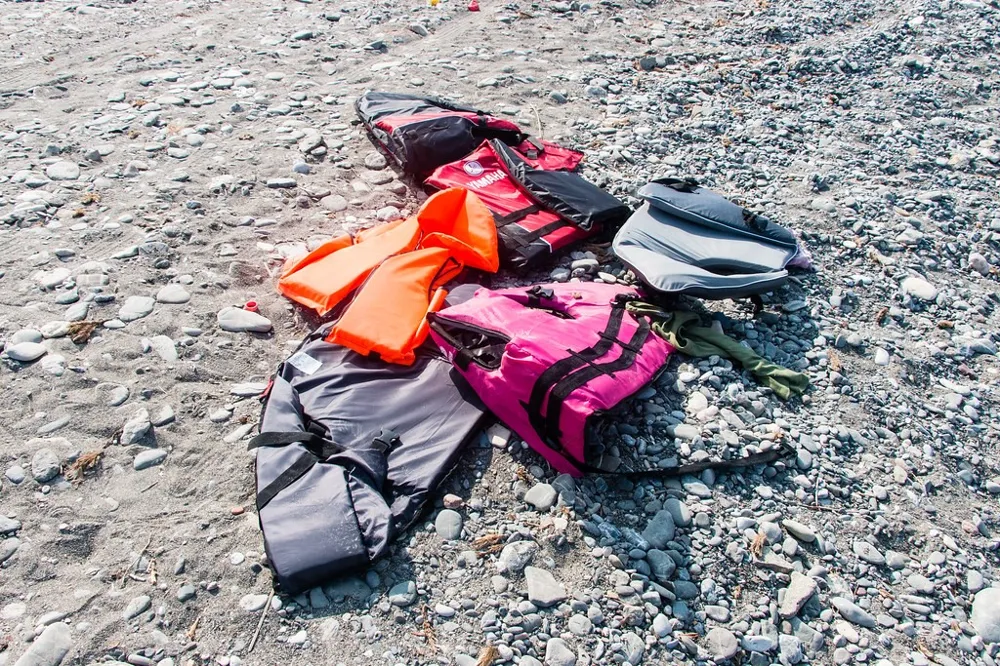
Flotation lets a child rest face-down and watch fish without working to stay up, but the type matters.
| Snorkel Vest | US Coast Guard Approved Life Jacket | |
|---|---|---|
| What it is | Inflatable buoyancy aid you top up by mouth | Approved flotation device sized by body weight |
| Best for | Confident swimmers who want help resting | Weak or non-swimmers and young children |
| Main limitation | Not a life jacket; can deflate or be under-inflated | Bulkier; keeps the child at the surface |
Safe Kids Worldwide advises choosing a US Coast Guard approved life jacket that matches the child's weight: infant jackets for about 8–30 lb, child jackets for 30–50 lb and youth jackets for 50–90 lb. Fasten everything, then lift the jacket by the shoulders; if it rides up to the chin or ears, it is too big or too loose. Water wings and inflatable rings are toys, not safety devices.
Most snorkel vests are buoyancy aids, not approved life jackets, so use one only for children who can already swim and will stay right next to an adult. Some tour operators supply their own vests or require them. For paddling trips, the same weight classes apply; see kids' kayaks and kayak PFDs. A wetsuit or shorty adds a little buoyancy and warmth, but it is not flotation either.
Are Full-Face Snorkel Masks Safe for Kids?
Full-face masks look easy because kids can breathe through the nose and mouth, and some brands sell junior sizes. They are also the most debated piece of snorkel gear. After several snorkeling deaths in Hawaii in 2018 that involved full-face masks, officials investigated possible issues such as carbon dioxide buildup and difficulty removing the mask; a direct link was not confirmed. Full-face masks are generally designed for surface snorkeling only and do not let the wearer pinch the nose to equalize.
For children the concerns are sharper: dead space matters more with smaller breaths, a poorly fitting mask can leak or flood, and a small child may not be able to pull it off quickly or tell you something is wrong. The conservative choice for kids is a traditional junior mask and snorkel. If you do use a full-face mask:
- Buy a reputable brand's kids' size with separate breathing and viewing chambers, and check the fit.
- Practice in a pool until the child can remove it alone, quickly.
- Keep sessions calm and short, at the surface only, within arm's reach.
- Stop at any sign of breathlessness, headache, dizziness or anxiety.
The full safety discussion and adult picks are in full-face snorkel masks.
Teaching Kids to Snorkel: Start in the Pool
A pool or bathtub session before the trip is the single biggest help. New gear on a new beach in moving water is a lot at once.
- Mask only: put the mask on at the side of the pool and look underwater while holding the edge. Let them see what a seal feels like.
- Snorkel on land: practice breathing through the mouthpiece with the face out of the water, then with the face in.
- Float face-down: with flotation on and a hand under their belly, let them float and breathe through the snorkel.
- Clear the snorkel: show them how to blow out water with a sharp exhale, and that it is fine to lift the head and take the mouthpiece out.
- Add fins: practice slow kicks from the hip, with straight-ish legs, along the wall.
- Agree on signals: thumbs up for "I'm OK", a flat hand waving for "something's wrong", and a tap on the head for "let's go back."
Keep the first sessions short and fun; dive toys or counting tiles on the pool floor work well. The full adult technique is in how to snorkel.
Supervision and Safety Rules
- Arm's reach: keep young children and weak swimmers within arm's reach, even with a life jacket. Safe Kids Worldwide notes that a life jacket does not replace supervision.
- One water watcher: give one adult the job of watching kids in the water, with no phone or reading.
- One child per adult in open water for beginners, and swim beside or slightly behind them.
- Choose calm conditions: no surf, no current, good visibility and water shallow enough for an adult to stand.
- Lifeguarded beaches or guided tours are best for first trips.
- Short sessions: kids lose heat fast. Get out at the first sign of shivering or blue lips, and consider a rash guard or shorty wetsuit.
- Bright colors on swimwear, vests or snorkel tops make kids easier to spot.
- No breath-hold games: don't let kids compete to stay under longer. More in snorkeling safety tips.
Hand signals and getting out of a current are covered in how to snorkel. This page is general guidance, not professional water-safety instruction; swim lessons from a qualified instructor are the best foundation.
Where to Snorkel With Kids
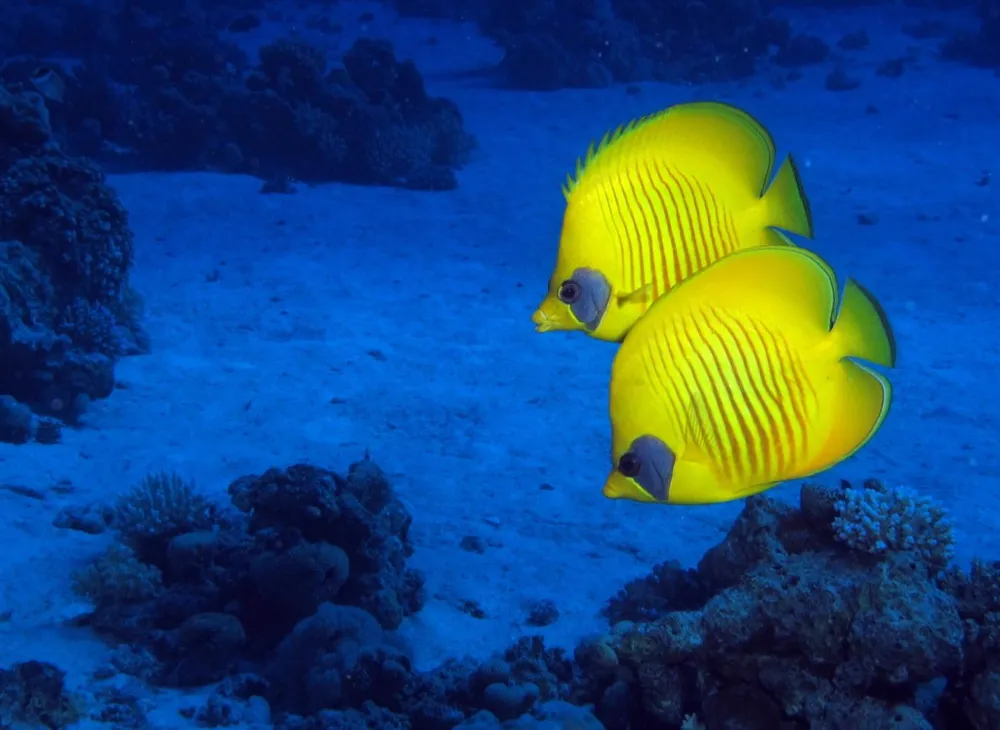
The best first spots have a sandy, shallow entry, calm protected water, fish within a short swim of shore and lifeguards or a guide nearby. Good options include:
- Protected bays and lagoons behind a reef or breakwater.
- Marine parks with roped swim areas and shallow seagrass or patch reef.
- Calm freshwater springs, where the water is clear and there are no waves, though it is often cooler.
- Guided snorkel tours that supply flotation and keep groups small.
Avoid boat channels, places with surf or currents, and long swims to an offshore reef. For ideas, see Florida snorkeling, the Florida Keys, the Caribbean and the world's best snorkel spots, and always check local conditions and rules on the day.
Sun Protection and Reef-Safe Sunscreen
Kids snorkeling face-down burn quickly on the back of the neck, shoulders and the backs of the legs. A long-sleeve rash guard or UPF swim shirt cuts the amount of sunscreen needed, and a shorty wetsuit adds warmth.
"Reef safe" and "reef friendly" are not regulated terms, so a label alone does not prove anything. Oxybenzone and octinoxate have been linked in studies to coral bleaching, and Hawaii bans the sale of sunscreens containing them. Mineral sunscreens with zinc oxide or titanium dioxide labeled "non-nano" are generally considered less likely to harm reefs, and lotions are better than sprays that drift onto sand. Some destinations have their own sunscreen rules, so check before you go. Keep sunscreen off the mask skirt to avoid leaks and stinging eyes.
Care and Storage
- Rinse in fresh water after every swim, including the purge valve and the dry-top valve.
- Dry in the shade; sun and heat age silicone and can discolor clear skirts.
- Store the mask in its hard case so the lens isn't scratched and the skirt isn't squashed in a beach bag.
- Use a mesh bag so gear drains and the set stays together.
- Check before each trip: look for torn mouthpieces, cracked straps and stiff buckles, and re-do the fit test, because kids outgrow masks and fins quickly.
Frequently Asked Questions
What age can a child start snorkeling?
Many dive retailers suggest kids can start learning around age 5 or 6, but swimming comfort matters more than age. A child should be relaxed in water, able to float face-down and happy to wear a mask before trying open water.
Can kids use an adult snorkel set?
Usually not. Adult masks tend to leak on small faces, adult mouthpieces are too big for small mouths, and adult snorkels have more internal volume than small lungs need. Buy a junior mask and snorkel even if the child can fit into small adult fins.
Are full-face snorkel masks safe for kids?
They have drawn safety concerns, including carbon dioxide buildup and difficulty removing them quickly. A traditional kids' mask and junior snorkel is the more conservative choice; if you do use one, choose a reputable brand's kids' size and supervise closely at the surface only.
Is a snorkel vest the same as a life jacket?
No. Most snorkel vests are buoyancy aids, not approved life jackets. For a child who is not a strong swimmer, use a properly fitted US Coast Guard approved life jacket sized for their weight.
Should kids get a dry or semi-dry snorkel?
A dry snorkel seals when the top goes under, which helps kids who duck under or get splashed by small waves. Semi-dry snorkels are simpler and still block most spray. Either works if it is a junior size with a purge valve.
How do I know if my child's snorkel mask fits?
Without the strap, hold the mask on the child's face and ask them to breathe in gently through the nose. If it stays on by suction, the skirt seals. If it drops off or air leaks in, try another size or shape.
How should kids' snorkel fins fit?
Snug but not tight, with no pinching or rubbing. Full-foot fins should fit like a shoe; open-heel fins should be tightened so the heel strap holds without digging in. Do not buy fins several sizes too big to grow into.