Best Kids Kayaks for a Safe First Paddle (2026)
Small, stable youth kayaks sized for kids, plus life jacket and supervision tips to make the first trips fun and safe.
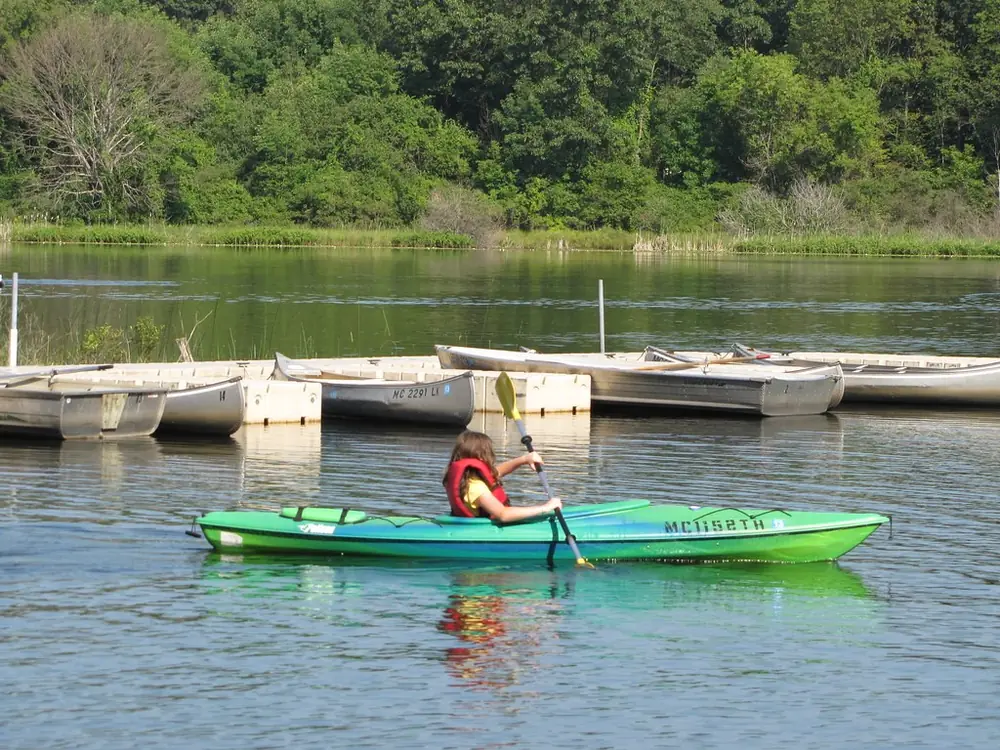
Choosing a Kayak for Kids
A good kids' kayak is short (around 6 feet), stable, light enough for a child to help carry and easy to get back onto. Sit-on-top designs with a swim-up deck are ideal. Check the weight capacity and add a properly fitted child life jacket. Very young children often start in a tandem with an adult; see tandem kayaks.
Pelican Solo
Best with paddle included
- 6 ft sit-on-top
- Twin tunnel hull for stability
- Paddle and safety flag included
Lifetime Dash 66
Best for growing kids
- 6'6" length
- 150 lb capacity
- Swim-up deck
Kids' Kayaks Compared
| Kayak | Length | Capacity | Features |
|---|---|---|---|
| Pelican Solo | 6 ft | Check listing | Twin tunnel hull, swim-up deck, paddle and flag |
| Lifetime Dash 66 | 6'6" | 150 lb | Swim-up deck, multiple footrest positions |
The Best Kids' Kayaks
1. Pelican Solo
A 6-foot sit-on-top youth kayak with a twin tunnel hull for stability, a swim-up deck with a handle at the stern for easy re-entry and molded carrying handles. It comes with a paddle and a safety flag.
Good to Know
- Paddle included
- Easy re-entry
Watch Out For
- Check the weight limit
2. Lifetime Dash 66
A 6'6" youth kayak with a 150 lb weight capacity, a patented swim-up deck with molded hand grips to help kids climb back on and multiple footrest positions for different sizes. A paddle is not included.
Check Price on AmazonLife Jackets for Kids
- Choose an approved child life jacket sized by weight.
- Look for a head support collar and a grab handle for younger kids.
- Check the fit: it shouldn't ride up over the chin when lifted by the shoulders.
Adult PFDs are covered in kayak PFDs.
Safety Tips for Parents
- Life jacket on, every time.
- Paddle on calm, shallow, warm water close to shore.
- Stay close and supervise at all times.
- Practice getting back on the kayak in shallow water.
- Avoid wind, currents and boat traffic.
- Bring water, sunscreen and hats.
Making It Fun
- Keep first trips short.
- Paddle to a beach or picnic spot.
- Play games like follow the leader.
- Let kids help plan and carry.
Dressing for the water? See what to wear kayaking. Family boat? See kayaks for beginners and kayaks for dogs.
Frequently Asked Questions
What age can a child kayak alone?
It depends on swimming ability, maturity and conditions. Many kids start in a tandem with an adult, then move to a youth kayak in calm, shallow water with close supervision.
Do kids need life jackets in kayaks?
Yes, always. Use a properly fitted, approved child life jacket.
Sit-on-top or sit-in for kids?
Sit-on-top kayaks are usually best for kids because they're stable and easy to climb back onto.
How big should a kids kayak be?
Youth kayaks are typically around 6 feet long. Check the weight capacity against your child's weight plus gear.
Can kids use an adult paddle?
A shorter, lighter paddle is easier for kids to control. Some youth kayaks include one.