Sit-In vs Sit-On-Top Kayak: How to Choose (2026)
Sit-on-tops are easy, stable and great in warm water. Sit-ins keep you drier and warmer. Here's how to decide.
The Short Answer
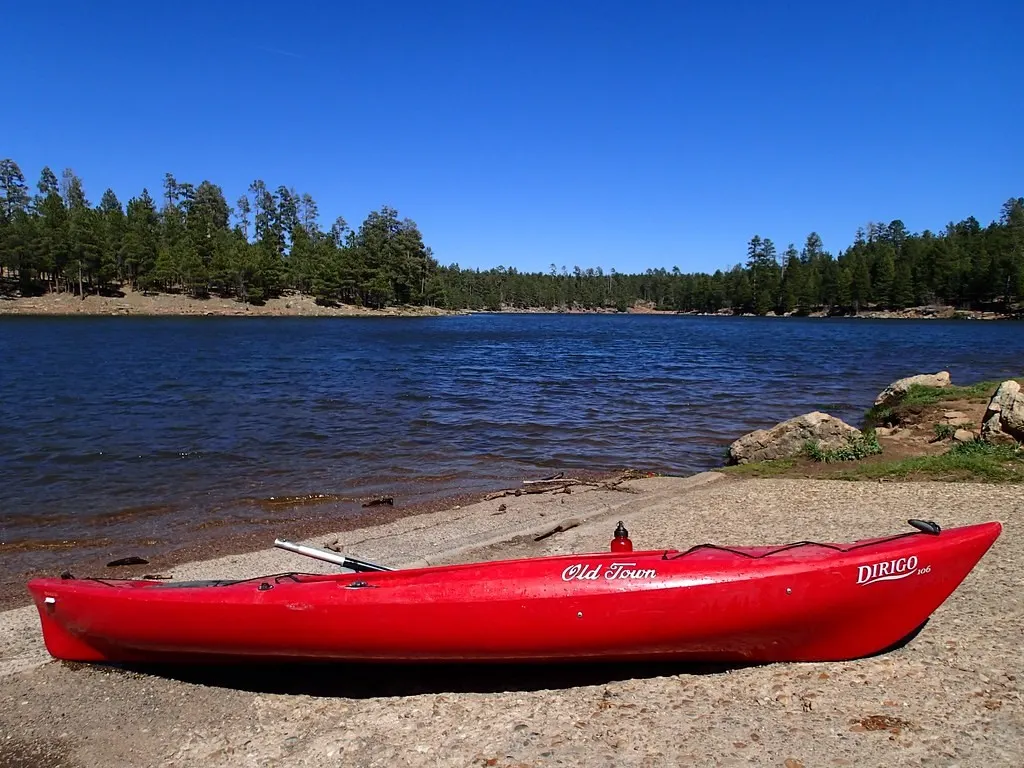
A sit-on-top kayak is easy to get on and off, very stable and great for warm water, beginners, fishing and swimming. A sit-in (sit-inside) kayak keeps you drier and warmer and is usually more efficient for longer trips and cooler water. Neither is better overall; it depends on where and how you paddle. More on the different kinds in types of kayaks.
Side-by-Side Comparison
| Sit-On-Top | Sit-In | |
|---|---|---|
| Getting on and off | Very easy | Takes practice |
| If you capsize | Climb back on | Harder re-entry; may need a pump |
| Staying dry | You'll get wet | Drier, especially with a spray skirt |
| Warmth | Best in warm weather | Better in cool weather |
| Stability | Very stable | Stable; varies by design |
| Efficiency | Often wider, slower | Often more efficient |
| Storage on board | Open deck, tank wells | Hatches and inside |
| Best for | Beginners, kids, fishing, swimming | Touring, cooler water, longer trips |
Why Choose a Sit-On-Top?
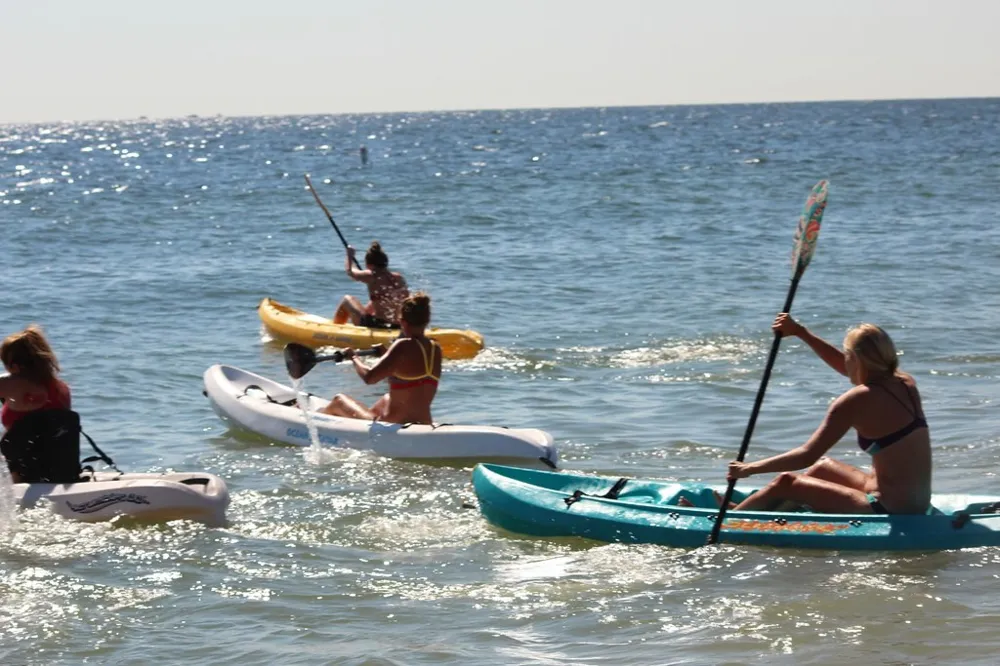
- Easy to get on and off, even from deep water.
- Self-bailing scupper holes drain water.
- No feeling of being trapped if you flip.
- Great for fishing, kids and dogs; see fishing kayaks and kayaks for dogs.
Why Choose a Sit-In?
- Keeps you drier and warmer.
- Lower center of gravity and better control with thigh contact.
- Often more efficient for longer distances.
- Covered storage in hatches keeps gear drier. Our parts of a kayak guide explains bulkheads, hatches and thigh braces.
Safety Differences
- Sit-on-tops have scupper holes that drain water, so they don't fill up if you flip; you just climb back on. They're forgiving for beginners in warm water.
- Sit-ins can fill with water if you capsize. You'll need to wet exit, empty the boat and re-enter with a paddle float, or learn to roll. Practice rescues in calm, shallow water.
- Cold water makes the difference bigger: sit-ins with a spray skirt keep you warmer, but any capsize in cold water is serious. Dress for immersion. See wetsuit vs drysuit.
Fishing
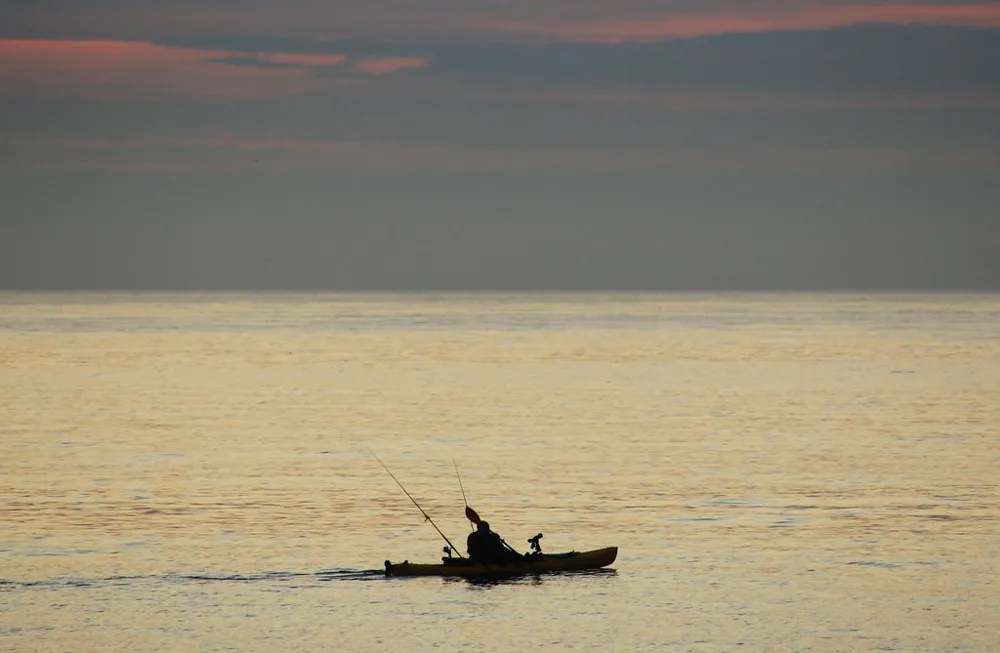
Sit-on-tops are popular for fishing because they're stable, easy to move around on and have space for rod holders and crates. Some anglers prefer sit-ins in cold weather for warmth. See kayak fishing tips.
Weight and Transport
Sit-on-tops are often heavier for their length because of their molded hull. Check the kayak's weight before buying if you'll be loading it alone. See kayak transport.
Examples
Pelican Argo 100X (Sit-In)
A recreational sit-inside kayak with Pelican's twin-arched multi-chine hull for stability and an Ergoform seat with an adjustable backrest.
Check Price on AmazonLifetime Tamarack 100 (Sit-On-Top)
A 10-foot sit-on-top with a stable flat bottom and multiple footrest positions.
Check Price on AmazonQuick Decision Guide
| If You… | Choose |
|---|---|
| Paddle in warm water and like to swim | Sit-on-top |
| Are a nervous beginner | Sit-on-top |
| Want to fish | Sit-on-top |
| Paddle in cool water or spring and fall | Sit-in |
| Want to cover distance | Sit-in |
Shopping? See sit-inside kayaks, kayaks for beginners, tandem kayaks and kids kayaks. Dressing for the water? See what to wear kayaking.
Frequently Asked Questions
Which is better for beginners, sit-in or sit-on-top?
Many beginners prefer sit-on-tops because they're stable, easy to get on and off and don't trap you if you flip.
Which kayak keeps you drier?
Sit-in kayaks keep your lower body drier, especially with a spray skirt.
Are sit-on-top kayaks safe?
Yes. They're self-bailing with scupper holes and easy to climb back onto after a capsize.
Which is faster?
Sit-in touring kayaks are usually faster and more efficient for distance. Recreational models of both types are similar.
Which is better for fishing?
Sit-on-tops are popular for fishing because of their deck space and stability.