Types of Kayaks Explained, From Recreational to Whitewater (2026)
Recreational, touring, fishing, whitewater and more: what each type of kayak is built for, with typical lengths and who it suits.
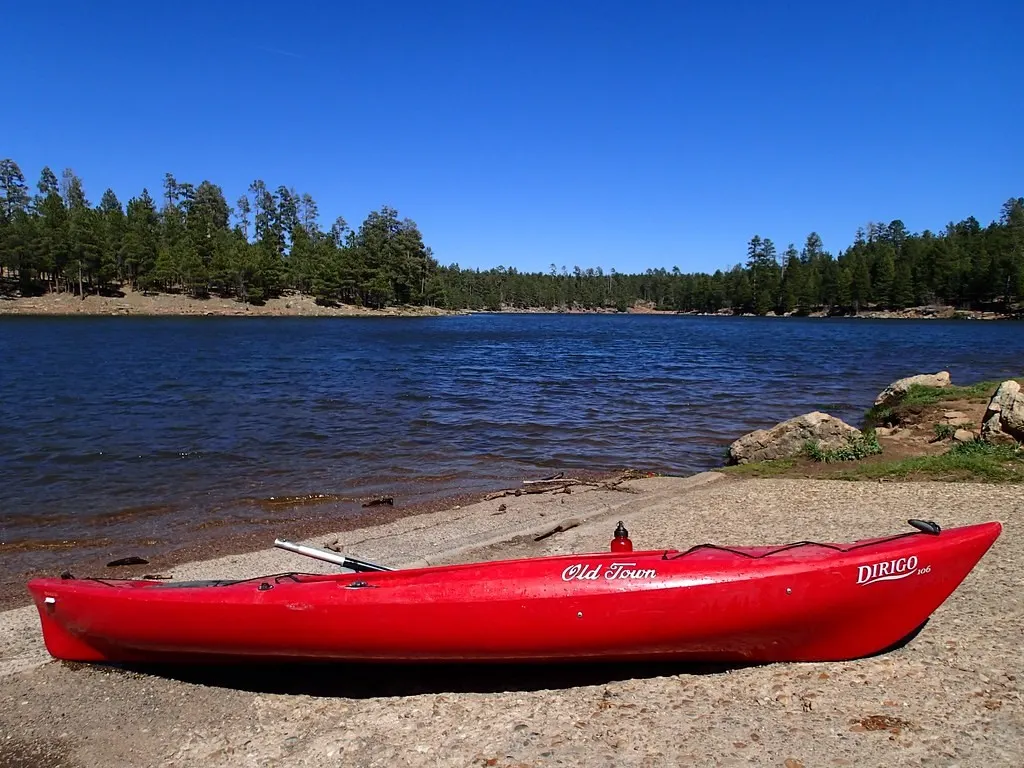
Kayaks Come in Many Shapes
Kayaks are designed for different water and different goals. A short, wide kayak feels stable on a calm lake; a long, narrow sea kayak glides across open water; a stubby whitewater kayak spins in rapids. Kayaks are also grouped by how you sit (sit-on-top or sit-inside) and how they're built (hard-shell, inflatable or folding). Here are the main types and who they suit.
Kayak Types at a Glance
| Type | Typical Length | Best For |
|---|---|---|
| Recreational | About 9–12 ft | Calm lakes, slow rivers, beginners |
| Sit-on-top | About 9–13 ft | Warm water, swimming, easy re-entry |
| Day touring | About 12–14 ft | Longer day trips |
| Sea / touring | About 14–18 ft+ | Open water, multi-day trips |
| Fishing | About 10–14 ft | Anglers; stable, lots of storage |
| Whitewater | About 6–9 ft | Rapids and river running |
| Inflatable | Varies | Storage, travel |
| Pedal | About 10–14 ft | Hands-free fishing and touring |
| Tandem | About 12–14 ft | Two paddlers |
Lengths are typical ranges and vary by brand.
Recreational Kayaks
Recreational kayaks are short and wide for stability, easy to turn and affordable. They're the most popular choice for beginners on calm water. See kayaks for beginners.
Sit-On-Top Kayaks
You sit on top of a sealed hull rather than inside a cockpit. They're easy to climb back onto after a swim, drain water through scupper holes and are ideal in warm weather. You'll get wetter than in a sit-inside.
Touring and Sea Kayaks
Longer and narrower, touring and sea kayaks are faster, track straighter and handle wind and waves better. Many have sealed bulkheads and hatches for gear, a rudder or skeg, and deck lines. They feel tippier at first but have good secondary stability once you're used to them.
Fishing Kayaks
Fishing kayaks are wide and stable, often enough to stand on, with rod holders, accessory tracks and storage for tackle. See fishing kayaks.
Whitewater Kayaks
Short, rockered and highly maneuverable, whitewater kayaks are built for rapids. Subtypes include river runners, creek boats and playboats. They're not good for flatwater touring, because they turn easily and don't track straight.
Inflatable Kayaks
Inflatables pack into a bag and fit in a car trunk or closet. Modern drop-stitch floors make better models surprisingly rigid. They're slower and catch more wind than hard-shells.
Folding Kayaks
Folding kayaks use a frame and skin or a folding plastic shell (such as origami-style designs) that packs into a box or bag. They're great for apartments and travel.
Pedal Kayaks
Pedal kayaks use a leg-powered drive so your hands stay free. They're popular with anglers. See pedal kayaks.
Tandem Kayaks
Two-person kayaks for couples, friends or a parent and child. See tandem kayaks.
Sit-On-Top vs Sit-Inside
| Sit-On-Top | Sit-Inside | |
|---|---|---|
| Re-entry after a capsize | Easy | Harder; needs practice |
| Staying dry | Wetter | Drier |
| Warmth | Best in warm weather | Better in cool weather (with a spray skirt) |
| Control | Less connected | Knee and thigh contact |
Kayak Materials
- Polyethylene (plastic): tough and affordable but heavy.
- Thermoformed plastic: lighter and stiffer than polyethylene.
- Composite (fiberglass, Kevlar, carbon): light and fast, more expensive.
- PVC and drop-stitch: used for inflatables.
Which Kayak Is Right for You?
| If You Want To… | Choose |
|---|---|
| Paddle calm water casually | Recreational or sit-on-top |
| Go on long trips or the ocean | Touring or sea kayak |
| Fish | Fishing or pedal kayak |
| Run rapids | Whitewater kayak |
| Save storage space | Inflatable or folding |
| Paddle with a partner | Tandem |
Still deciding between boats? Read canoe vs kayak, then size your paddle with the paddle length guide.
Frequently Asked Questions
What type of kayak is best for beginners?
A recreational kayak about 9 to 12 feet long, either sit-on-top or sit-inside, is the easiest to start with.
What is the difference between a recreational and touring kayak?
Recreational kayaks are shorter, wider and more stable for calm water. Touring kayaks are longer and narrower, faster and track straighter for longer trips.
What is a sit-on-top kayak?
A kayak with a sealed hull you sit on top of, rather than inside. It's easy to get on and off and self-bails through scupper holes.
Are inflatable kayaks any good?
Quality inflatables are stable, durable and easy to store and transport. They're slower than hard-shell kayaks and more affected by wind.
What length kayak do I need?
About 9 to 12 feet for recreation, 12 to 14 feet for day touring, and 14 to 18 feet or more for sea kayaking. Whitewater kayaks are usually under 9 feet.