Wetsuit vs Drysuit: Differences and When to Use Each (2026)
Both keep you warmer in cold water, but they work in completely different ways. Here's how to choose for your sport and water temperature.
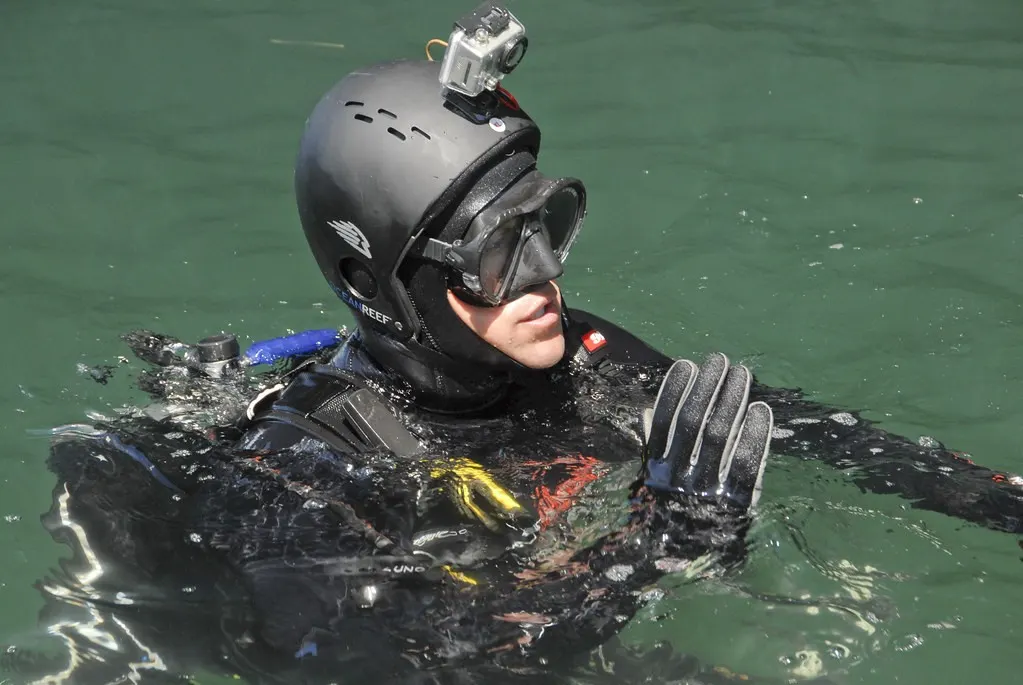
How Each Works
A wetsuit is made of neoprene and fits snugly. A thin layer of water gets in, your body warms it, and the neoprene insulates you. A drysuit is a waterproof shell with seals at the neck and wrists (and booties or ankle seals). It keeps water out, and you control warmth with layers underneath.
Quick Comparison
| Wetsuit | Drysuit | |
|---|---|---|
| Water contact | Thin layer inside | Stays dry inside |
| Warmth from | Neoprene thickness | Layers underneath |
| Fit | Skin-tight | Roomy for layers |
| Mobility | Very flexible | Less flexible |
| Cost | Lower | Higher |
| Maintenance | Rinse and dry | Care for seals and zipper |
| Best for | Surfing, swimming, warmer cold water | Cold-water paddling, diving, very cold conditions |
What Counts as Cold Water?
Paddling organizations define cold water differently. The American Canoe Association treats water below 60°F (16°C) as cold, and also flags conditions where air and water temperatures add up to less than 120°F (the "120 rule"). The US Coast Guard and the National Center for Cold Water Safety use 70°F (21°C). Sudden immersion can trigger a gasp reflex and cold shock even in water that doesn't feel very cold.
Suit by Water Temperature (Paddling)
This rough guide is adapted from paddling advice; adjust for air temperature, wind and how likely you are to swim.
| Water Temperature | Common Choice |
|---|---|
| Above 70°F (21°C) | Rash guard or swimwear; carry a paddling jacket |
| About 55–70°F (13–21°C) | Sleeveless (Farmer John/Jane) or full wetsuit |
| About 45–55°F (7–13°C) | Full 4/3 wetsuit or a drysuit |
| Below 45°F (7°C) | Drysuit with warm layers, plus hood, gloves and boots |
Wetsuit Thickness
Wetsuits are labeled with two numbers, like 3/2 or 4/3: the first is torso thickness in millimeters, the second is the arms and legs. Thicker is warmer but less flexible.
Drysuit Details
- Gaskets: latex or neoprene seals at the neck and wrists keep water out. Latex is common, so people with latex allergies need alternatives.
- Layers: a wicking base layer plus fleece under the drysuit; add more for colder days.
- Relief zipper: many drysuits have one for long days on the water.
- Care: rinse after use, keep zippers clean and lubricated, protect latex gaskets from sun and replace them when they crack.
Choose a Wetsuit If...
- You surf, bodyboard, swim or wakesurf.
- You want maximum flexibility.
- Water is cool rather than frigid, or you use thicker suits, boots and hoods.
See best wetsuits and what to wear under a wetsuit.
Choose a Drysuit If...
- You kayak, paddleboard or dive in cold water.
- Air and water temperatures are both cold.
- You want to stay dry and layer for warmth.
See best drysuits.
Kokatat Swift Entry Drysuit
A paddling drysuit from Kokatat. Check the listing for features and sizing.
Check Price on AmazonCold-Water Safety
- Dress for the water temperature, not just the air.
- Wear a life jacket for paddling.
- Paddle and dive with others and know local conditions.
Frequently Asked Questions
What's the difference between a wetsuit and a drysuit?
A wetsuit lets in a thin layer of water that your body warms, with neoprene insulating you. A drysuit seals water out, and you wear insulating layers underneath.
When should I use a drysuit?
In cold water and air, especially for paddling, diving or activities where you might be immersed in very cold water. Follow local cold-water guidance.
Are wetsuits good for surfing?
Yes. Wetsuits are the standard for surfing because they're flexible and close-fitting.
Is a drysuit warmer than a wetsuit?
Drysuits can be warmer in very cold conditions because you can add layers underneath, but warmth depends on what you wear inside.
Do drysuits need maintenance?
Yes. Seals and zippers need care and periodic replacement.