What to Wear Kayaking: A Simple Guide for Every Season (2026)
Dress for the water temperature, not the air. Here's what to wear kayaking in summer, spring and fall, and cold weather.

The Golden Rule: Dress for the Water
When kayaking, dress for the water temperature, not the air. Even on a warm day, falling into cold water can be dangerous. Wear quick-drying synthetic or wool fabrics, avoid cotton, protect yourself from the sun and always wear a life jacket. A common guideline paddlers use is that if the air and water temperatures added together are below about 120°F, wear a wetsuit or drysuit.
What to Wear by Condition
| Conditions | What to Wear |
|---|---|
| Warm air and water | Swimsuit or quick-dry shorts, rash guard or sun shirt, hat, sunglasses, water shoes |
| Cool water, mild air | Wetsuit or neoprene layers, splash jacket, quick-dry layers, booties |
| Cold water | Drysuit with warm base layers, neoprene gloves, hat and booties |
| Rain | Paddling jacket over quick-dry layers |
The Essentials
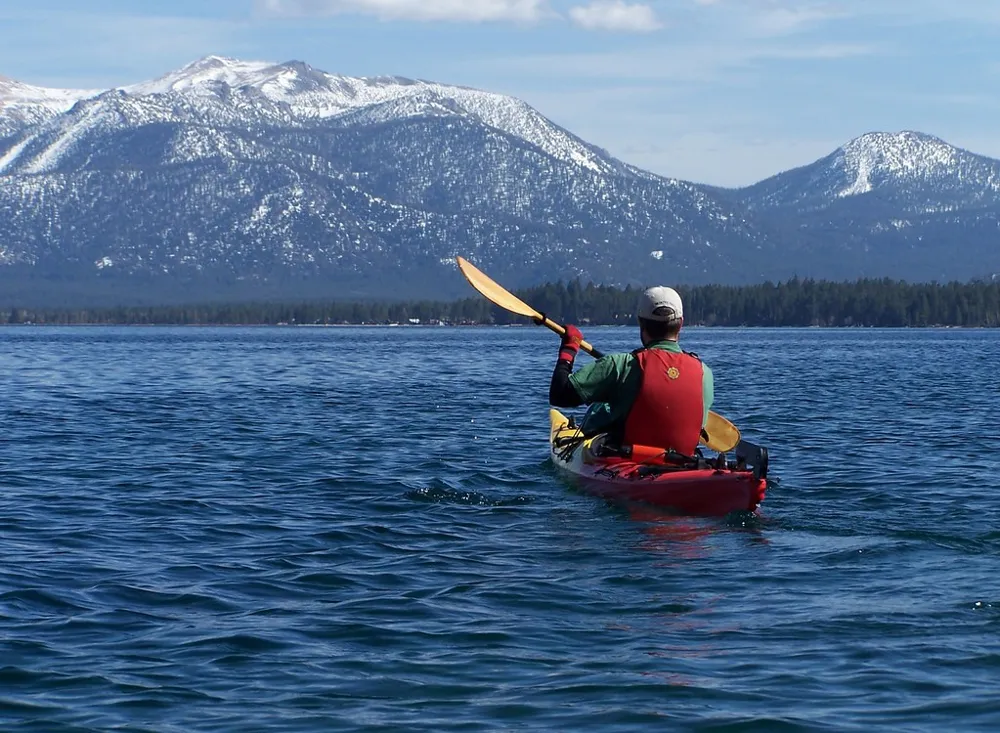
Life Jacket (PFD)
Wear an approved, properly fitted PFD every time. See kayak PFDs.
Base Layer
Synthetic or merino wool tops and bottoms wick moisture and stay warm when wet. Rash guards add sun protection; compare styles in our rash guard guide.
O'Neill Basic Skins Rash Guard
A long-sleeve UPF rash guard for sun protection on warm days.
Check Price on AmazonOuter Layer
A paddling or splash jacket blocks wind and spray. In cold water, a wetsuit or drysuit is essential.
NRS Endurance Paddling Jacket
A paddling jacket from NRS for wind and spray protection.
Check Price on AmazonFootwear
Choose water shoes, wetshoes or sandals with heel straps. Flip-flops come off easily.
Gloves
Paddling gloves prevent blisters and keep hands warm in cool weather.
Sun Protection
- A hat with a brim, ideally with a strap.
- Sunglasses with a retainer strap.
- Water-resistant sunscreen and lip balm.
Why Water Temperature Matters So Much
Water pulls heat from your body far faster than air (NRS notes it's some 25 times faster), so a warm day on cold water can still be dangerous if you capsize. Sudden immersion can cause cold shock. Choose clothing that will still protect you if you end up in the water, not just for the air temperature.
Immersion Clothing Options
| Option | How It Works | When to Use |
|---|---|---|
| Rash guard and quick-dry layers | Sun and splash protection | Warm water and air |
| Neoprene (Farmer John/Jane, tops, pants) | Traps a thin, warmed layer of water | Cool water |
| Splash top and pants over neoprene | Blocks wind and reduces evaporative cooling | Cool, windy days |
| Dry top and dry pants | Keeps water out; layer underneath | Cold water, frequent paddling |
| Drysuit | Fully sealed; layer underneath | Very cold water |
See wetsuit vs drysuit for temperature guidance.
Head, Hands and Feet

- Head: a sun hat in summer; a neoprene cap or hood in cold water.
- Hands: paddling gloves for blisters; neoprene gloves or pogies for cold.
- Feet: water shoes or neoprene booties protect from rocks and keep feet warmer.
What Not to Wear
- Cotton: stays wet and cold.
- Jeans: heavy and cold when wet.
- Flip-flops: easy to lose.
- Loose, dangly items: they can snag.
Pack These Too
- A dry bag with spare clothes.
- Water and snacks.
- A towel for after.
New to paddling? See kayaks for beginners and sit-in vs sit-on-top.
Frequently Asked Questions
What should I wear kayaking for the first time?
A life jacket, quick-drying synthetic clothes, sun protection and water shoes or sandals with straps. Avoid cotton.
Why shouldn't I wear cotton kayaking?
Cotton absorbs water, dries slowly and pulls heat from your body when wet.
What should I wear kayaking in cold water?
A wetsuit or drysuit with warm layers, plus a hat, gloves and booties. Dress for the water temperature.
Can I wear jeans kayaking?
It's not recommended. Denim is heavy and cold when wet.
Do I need special shoes for kayaking?
Water shoes, wetshoes or strapped sandals protect your feet and stay on in mud and water.