Best Freediving Fins for Efficient, Powerful Kicks (2026)
Four long-blade freediving fins, how plastic, fiberglass and carbon blades compare and how to choose stiffness and fit.
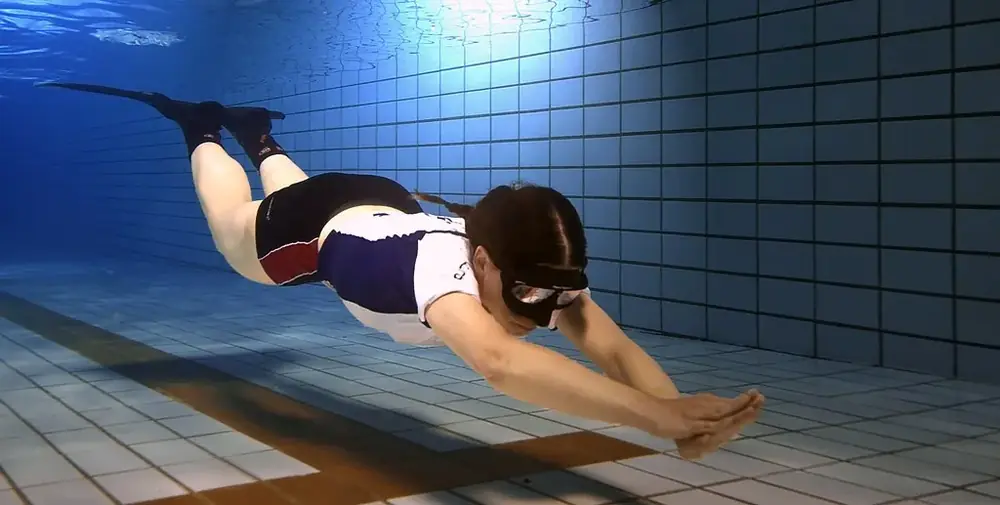
What Makes Freediving Fins Different?
Freediving fins have long blades and closed full-foot pockets. The long blade moves a lot of water with each slow kick, so you descend and ascend efficiently while using less oxygen, which is vital on a single breath. Blades come in plastic, fiberglass and carbon, and in different stiffnesses. Beginners usually start with plastic or modular blades; experienced divers often move to fiberglass or carbon. Here are four long-blade fins from Cressi, Mares and Seac. For scuba fins, see scuba diving fins.
Cressi Gara 3000 LD
Best for beginners
- Long, softer blade
- Less muscle effort
- Made in Italy
Mares Razor Pro
Best for spearfishing
- Long tapered elastomer blade
- Full foot
- Popular with freedivers
Cressi Gara Modular Impulse
Best upgradeable fin
- Interchangeable blades
- Upgrade blade later
- Freediving foot pocket
Freediving Fins Compared
| Fin | Blade | Best For |
|---|---|---|
| Cressi Gara 3000 LD | Long, soft plastic | Beginners, comfort |
| Mares Razor Pro | Long, tapered elastomer | Spearfishing |
| Cressi Gara Modular Impulse | Interchangeable | Upgrading over time |
| Seac Motus | Long, closed-shoe | Freediving and spearfishing |
The Best Freediving Fins
1. Cressi Gara 3000 LD
The Gara 3000 LD uses a long, softer blade that needs less muscle effort, making it comfortable and easy on the legs. Made in Italy, it's a classic first freediving fin.
Good to Know
- Easy on the legs
- Durable and affordable
Watch Out For
- Strong divers may want a stiffer blade
2. Mares Razor Pro
The Razor Pro is a full-foot, long-blade fin built for spearfishing and freediving, with a tapered elastomer blade.
Check Price on Amazon3. Cressi Gara Modular Impulse
Part of Cressi's Gara Modular family, the Impulse uses interchangeable blades, so you can start with one blade and upgrade later without replacing the foot pockets.
Check Price on Amazon4. Seac Motus
The Motus is a closed-shoe long free diving fin from Italian brand Seac, designed to be soft and powerful for freediving and spearfishing.
Check Price on AmazonBlade Materials
| Material | Pros | Cons |
|---|---|---|
| Plastic / polymer | Affordable, durable | Less efficient, heavier |
| Fiberglass | Responsive, good value for performance | Can chip or crack |
| Carbon | Most efficient and lively | Expensive, more fragile |
Blade Stiffness
- Soft: lighter divers, beginners, shallow diving and longer sessions.
- Medium: most recreational freedivers and spearfishers.
- Hard: strong, heavy divers and deep diving.
Foot Pocket Fit
Freediving fins use closed full-foot pockets, usually worn with thin neoprene socks for comfort and warmth. Your foot should feel snug with no heel lift. A poor fit wastes energy and causes cramps.
Freediving Kick Tips
- Kick from the hips with long, slow strokes.
- Keep knees mostly straight and ankles relaxed.
- Keep fins underwater; splashing wastes energy.
- Glide between kicks on the way down.
Freedive Safely
- Never freedive alone; always use a trained buddy.
- Take a freediving course to learn breathing and safety.
- Never hyperventilate before a dive.
- Use a dive float and flag in open water.
Pair your fins with a low-volume mask and snorkel; see snorkel sets and snorkel types.
Frequently Asked Questions
Why are freediving fins so long?
Long blades move more water with each slow, efficient kick, which saves oxygen and energy during breath-hold dives.
What blade material is best for freediving?
Plastic blades are affordable and durable, good for beginners. Fiberglass is more responsive. Carbon is the most efficient and expensive.
Should beginners use soft or stiff fins?
Softer blades are easier on the legs and suit beginners and lighter divers. Stiffer blades suit strong kickers and deep diving.
Can I use freediving fins for scuba?
They're awkward on crowded boats and reefs and not designed for the frog kick many scuba divers use. Most divers use shorter scuba fins.
How should freediving fins fit?
Snug full-foot pockets, usually with thin neoprene socks. Your foot shouldn't slide, and your toes shouldn't be crushed.