Are Walmart Mountain Bikes Good? Big-Box vs Bike Shop Bikes (2026)
Big-box mountain bikes can suit paths, casual riders and fast-growing kids. Here's where they cut corners, how to check one and when to buy something else.
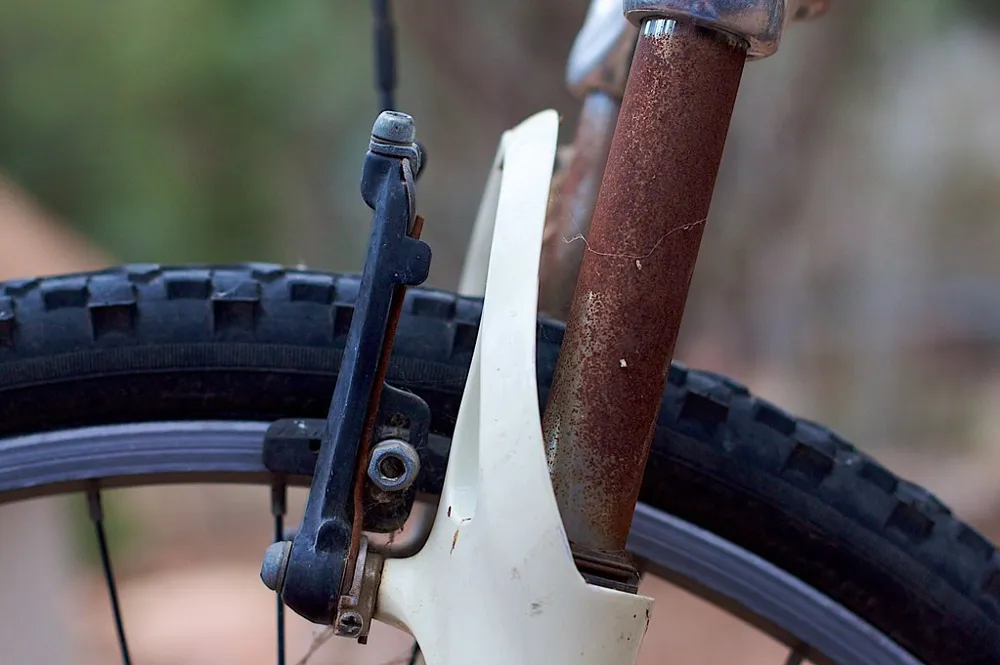
The Short Answer
Some are, for the right rider. A well-assembled Walmart mountain bike is fine for bike paths, gravel roads, neighborhood rides and easy trails, and for kids who will outgrow a bike in a year or two. The trade-offs are real, though: big-box bikes are usually heavier, use basic suspension forks and brakes, come in fewer sizes and are often assembled by store staff rather than bike mechanics. If you plan to ride rough singletrack, hit jumps or ride trails every week, a bike-shop or direct-to-consumer bike is usually the better buy. For ranked budget picks, including the Ozark Trail Ridge, see our cheap mountain bikes under $500 guide.
Whatever you buy, check it over before the first ride. Even a model that reviewers liked arrived with loose parts.
What Counts as a "Walmart Mountain Bike"?
"Walmart bike" has become shorthand for any cheap, mass-market bike, whether or not it came from Walmart. Some riders call the cheapest of them "BSOs," or "bike-shaped objects," a slang term rather than a defined category. In reality, Walmart sells a wide range, from basic kids' bikes to aluminum hardtails with 1x drivetrains, and Walmart.com also lists bikes from third-party marketplace sellers.
| Brand | What to Know |
|---|---|
| Ozark Trail | Walmart's own private brand. Its mountain bike line launched in 2023 with aluminum frames in three sizes and 24-, 27.5- and 29-inch wheels. |
| Mongoose | A long-running BMX and mountain bike brand owned by Pacific Cycle; sells big-box models and some higher-spec bikes online. |
| Schwinn | Also a Pacific Cycle brand; see are Schwinn bikes good for the full brand story. |
| Huffy | A familiar mass-market brand of kids' and adult bikes, including front- and dual-suspension mountain-style models. |
| Hyper Bicycles | Has a Walmart.com brand store with mountain, cruiser, kids' and electric bikes. |
| Kent | Kent Bicycles has its own section on Walmart.com; its Trouville hardtail featured in a Berm Peak video on big-box bikes. |
| Roadmaster | Another Pacific Cycle brand aimed at mass retailers. |
| Marketplace sellers | Bikes shipped by outside sellers. Check "sold and shipped by" before you buy, since returns and support can differ. |
Selection changes often, so check the current listing for frame material, sizes and component names rather than relying on the brand alone.
Big-Box vs Bike Shop: Key Differences
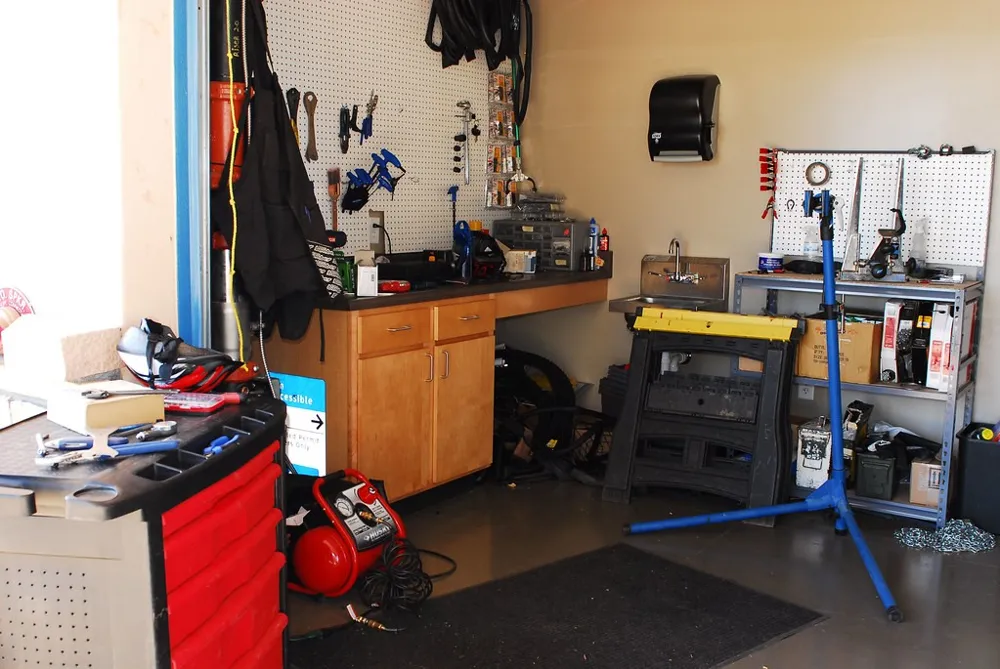
Mountain Bike Action, which reviews trail bikes, summed up the big-box trade-off as lower price, longer store hours and generous returns on one side, and mostly entry-level bikes, uneven build quality and no specialist service on the other.
| Typical Big-Box Mountain Bike | Typical Bike Shop Mountain Bike | |
|---|---|---|
| Frame | Steel on cheaper models, aluminum on better ones | Aluminum or carbon |
| Sizing | Often one size per wheel size, sold by rider height | Several frame sizes per model |
| Weight | Heavier | Lighter for the same type of bike |
| Fork | Basic coil fork, little or no damping adjustment | Coil or air fork with damping and lockout |
| Brakes | Rim brakes or mechanical discs | Usually hydraulic discs |
| Drivetrain | Entry-level or lesser-known parts | Recognizable Shimano or SRAM groups |
| Assembly | Finished in store, or by you at home | Built and adjusted by a mechanic |
| After the sale | Store returns; service elsewhere | Tune-ups, fitting and warranty help |
| Best for | Paths, casual riding, kids | Regular trail riding |
Price is the big-box advantage. If you already know the exact model and size you want, buying at a big store can make sense. If you want help choosing a type and size, a shop's advice and fitting are worth having; see the mountain bike size chart either way.
Where Low-Cost Mountain Bikes Cut Corners
- Weight: heavier frames, wheels and forks make climbing harder and the bike harder to lift and maneuver. Mountain Bike Action weighed a large Ozark Trail Ridge at about 33 pounds without pedals.
- Suspension forks: many cheap forks use springs with friction instead of a hydraulic damper, so they bounce rather than control the bump. On the Ridge, the 100mm SR Suntour fork has coil springs and preload adjusters but no damping adjustment.
- Cheap full suspension: a low-cost dual-suspension bike spends money on a rear shock and pivots that a hardtail at the same price can spend on better parts. Simpler is often better on a budget; see hardtail vs full suspension.
- Brakes: rim brakes and cable-operated discs work, but need more adjustment and give less power and control than hydraulic discs, especially on long, steep descents.
- Drivetrain: shifting tends to be slower and less precise, and parts wear sooner.
- Fit: a bike sold by wheel size alone may not fit an adult well. Walmart called the Ozark Trail line's choice of frame sizes a first for its bikes.
- Assembly: boxed bikes are partly built at the factory and finished in store or at home, which is where most problems start.
That said, the gap has narrowed. The 29-inch Ozark Trail Ridge has an aluminum frame, internal cable routing, ports for a dropper post, a 1x9 drivetrain and mechanical disc brakes with 160mm rotors, and Mountain Bike Action reported that nothing broke or bent during its testing.
When a Walmart Mountain Bike Makes Sense
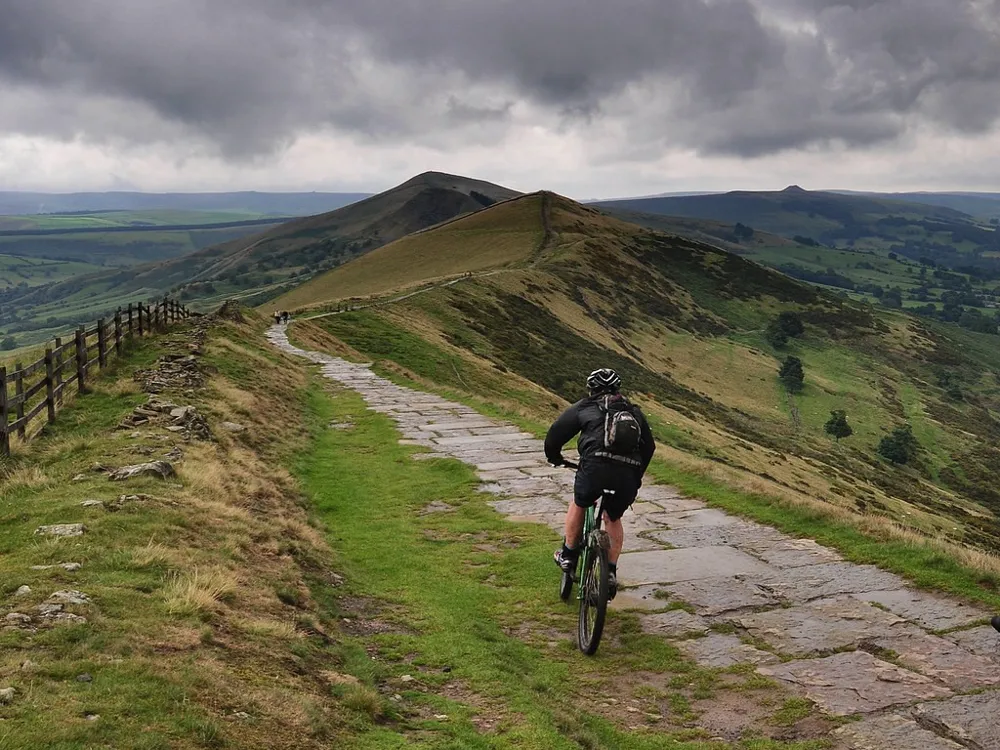
- Paths, parks and gravel roads: wide tires and upright bars suit mixed surfaces without needing trail-grade parts.
- Casual and occasional riders: if the bike will see a few rides a month, a heavier bike matters less.
- Kids who outgrow bikes fast: a 20- or 24-inch big-box bike can make sense for a child who will need a bigger size soon. For trail-riding kids, compare kids mountain bikes.
- Trying the sport: a well-checked aluminum hardtail can handle green and easy blue trails while you decide whether mountain biking is for you.
- A beater bike: for locking up in town or leaving at a cabin, a low-cost bike is less of a loss if stolen.
When to Choose Something Else
- Rough or technical trails: rocks, roots and steep descents demand stronger brakes and a fork that controls impacts.
- Jumps, drops and bike parks: most big-box bikes aren't designed for these loads. Check the owner's manual for the intended use, and look at trail, enduro and dirt jump bikes instead.
- Frequent riding: regular rides wear entry-level parts faster, and constant adjustments add up.
- Taller or shorter riders: if no listed size fits your height, a brand with more frame sizes will ride better.
- Daily commuting: a hybrid or commuter bike is usually lighter and more efficient on pavement than a cheap mountain bike.
Safety Check Before the First Ride
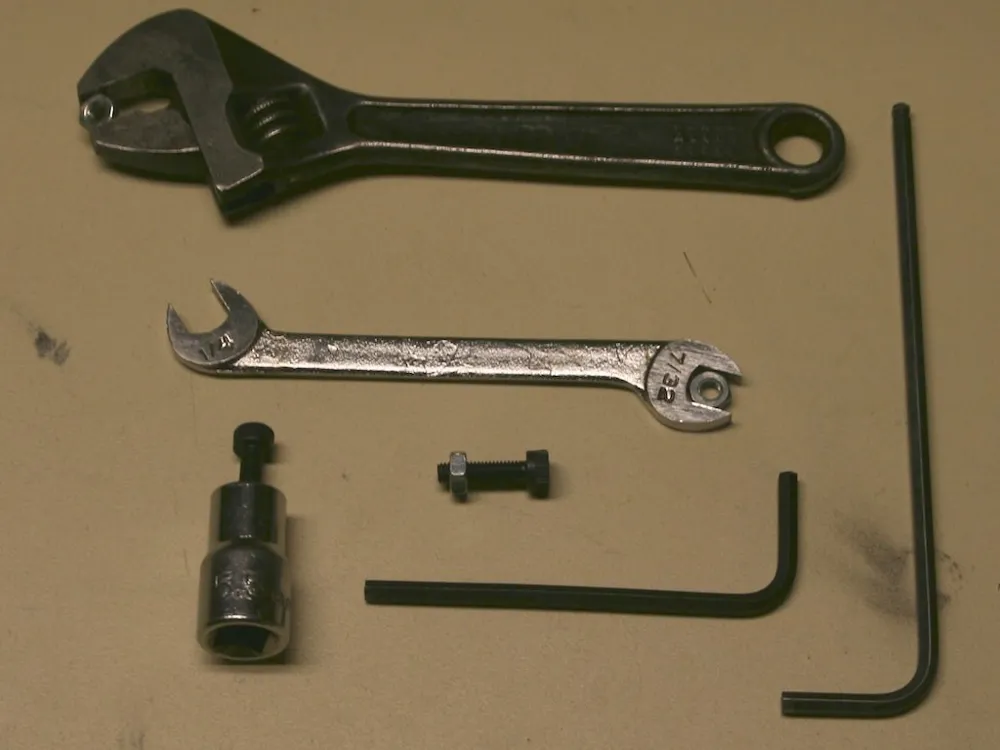
In the US, bicycles must meet the Consumer Product Safety Commission's bicycle requirements (16 CFR part 1512), which cover all bikes except track and one-of-a-kind bikes. The rules don't change how carefully a bike was put together, though. When Mountain Bike Action built an Ozark Trail Ridge, the headset was loose, both quick-release skewers needed tightening and several bolts weren't torqued to spec. Go through this list, or pay a bike shop to do it:
- Brakes: squeeze both levers hard. They should feel firm and stop well before touching the bar. Pads or calipers shouldn't rub. See how to adjust bike brakes.
- Quick releases and axles: each lever should close firmly, leaving an imprint on your palm, and the wheel shouldn't move when you pull on it.
- Front fork orientation: on disc-brake bikes, the brake caliper and fork should face the right way; boxed bikes are sometimes assembled with the fork reversed.
- Headset: hold the front brake and rock the bike back and forth. Any knocking or play means the headset needs adjusting.
- Handlebar and stem: straddle the front wheel and try to twist the bar. Nothing should slip, and the stem should line up with the wheel.
- Bolt torque: tighten stem, bar, seatpost, saddle, crank and brake bolts to the values in the manual or printed on the part, ideally with a torque wrench.
- Pedals: the left pedal is reverse-threaded. Thread both in fully so they can't loosen and damage the crank.
- Tires and wheels: inflate to the pressure on the sidewall (see MTB tire pressure), spin each wheel and check for wobbles or loose spokes.
- Shifting: run through every gear on a stand or with the rear wheel lifted. The chain shouldn't skip or fall off.
Brakes and steering are safety-critical. If you're not sure, a bike shop inspection costs far less than a crash. Wear a helmet every ride.
Is It Worth Upgrading?
Upgrade the parts you touch, not the expensive systems:
| Upgrade | Worth It? | Why |
|---|---|---|
| Tires | Yes | Grippier tires change how any bike feels on dirt |
| Flat pedals | Yes | Stock plastic pedals are often slippery |
| Grips and saddle | Yes | Low-cost comfort gains |
| Brake pads | Often | Better pads can improve stopping on rim and mechanical disc brakes |
| Fork | Rarely | Cost, plus compatibility issues with older or budget frames |
| Drivetrain or wheels | Rarely | Usually costs more than buying a better bike |
If you find yourself wanting a new fork, brakes and drivetrain, you've outgrown the bike. Sell it or keep it as a backup, and move to a trail-ready hardtail.
Better Alternatives to Consider
The next step up is a trail-oriented aluminum hardtail with several frame sizes, a fork with real damping and disc brakes. Bike-shop entry models such as the Trek Marlin and Specialized Rockhopper are covered in our best hardtail mountain bikes guide, and ranked picks are in best cheap mountain bikes and best mountain bikes under $1,000. A used bike from a known brand is another route; inspect the frame, fork and drivetrain carefully before buying.
Royce Union RHT
An aluminum hardtail with a front suspension fork, sold online in more than one frame size. Check the listing for the current build.
Good to Know
- Aluminum frame
- Front suspension
Watch Out For
- Ships partly assembled; check every bolt before riding
Mongoose Switchback Comp Expert
A trail-oriented Mongoose hardtail with front suspension and disc brakes, sold online. Mongoose lists its Switchback line with aluminum frames and trail geometry.
Good to Know
- Trail-focused hardtail design
- Established brand
Watch Out For
- Arrives partly assembled; have a shop check it if unsure
Park Tool Torque Wrench
A ratcheting click-type torque wrench with a 2–14 Nm range for tightening bolts on any boxed bike to the maker's specs.
Check Price on AmazonHow to Shop Smart for a Big-Box Mountain Bike
- Pick a frame size, not just a wheel size: look for listings with rider-height ranges and more than one size.
- Choose aluminum over steel for a lighter bike.
- Favor a good hardtail over a cheap full-suspension bike.
- Read the component list: named fork, brake and drivetrain parts are easier to service and replace.
- Prefer disc brakes if you'll ride in wet or hilly areas.
- Check who sells it and the return policy, especially for marketplace listings.
- Budget for a check-over: either your own time and tools or a shop safety inspection, plus a helmet and a pump.
Comparing other big-box gear? See are Walmart skateboards good. For the wider picture of what each bike does, start with our mountain biking guides.
Frequently Asked Questions
Are Walmart mountain bikes safe?
Bicycles sold in the US must meet the CPSC's federal bicycle requirements, whatever store sells them. The bigger risk is assembly: check the brakes, quick releases, headset and bolt tightness before the first ride, or have a bike shop do it.
Can you ride a Walmart mountain bike on trails?
Easy, smooth trails and fire roads are usually fine for a well-assembled bike. Rough, rocky trails, drops and jumps are where heavy frames, basic forks and weaker brakes reach their limits.
What is the best mountain bike brand at Walmart?
It depends on the model rather than the brand. Look for an aluminum frame, more than one frame size, disc brakes and recognizable drivetrain parts, and avoid cheap full-suspension designs.
Is the Ozark Trail mountain bike good?
Mountain Bike Action reviewed the 29-inch Ozark Trail Ridge and called it more capable than it expected, but found a loose headset and under-torqued bolts out of the box. Plan on a full bolt check before riding.
Why are Walmart bikes so heavy?
Many low-cost bikes use steel frames, heavier wheels and coil-sprung forks. Aluminum-framed models are lighter, but most big-box bikes still weigh more than bike-shop bikes.
Should I buy a Walmart bike or a used bike?
A used bike from a known bike-shop brand can offer better parts for similar money, but you need to inspect it carefully. A new big-box bike comes with a store return window and no hidden wear.
Is it worth upgrading a Walmart mountain bike?
Cheap upgrades like tires, pedals, grips and a saddle are worthwhile. Replacing the fork, drivetrain or wheels usually costs more than the bike is worth.