Best Mountain Bike Helmets for Every Kind of Trail (2026)
Eight proven MTB helmets, from budget trail lids to full-face downhill protection, plus safety standards, MIPS and fit.
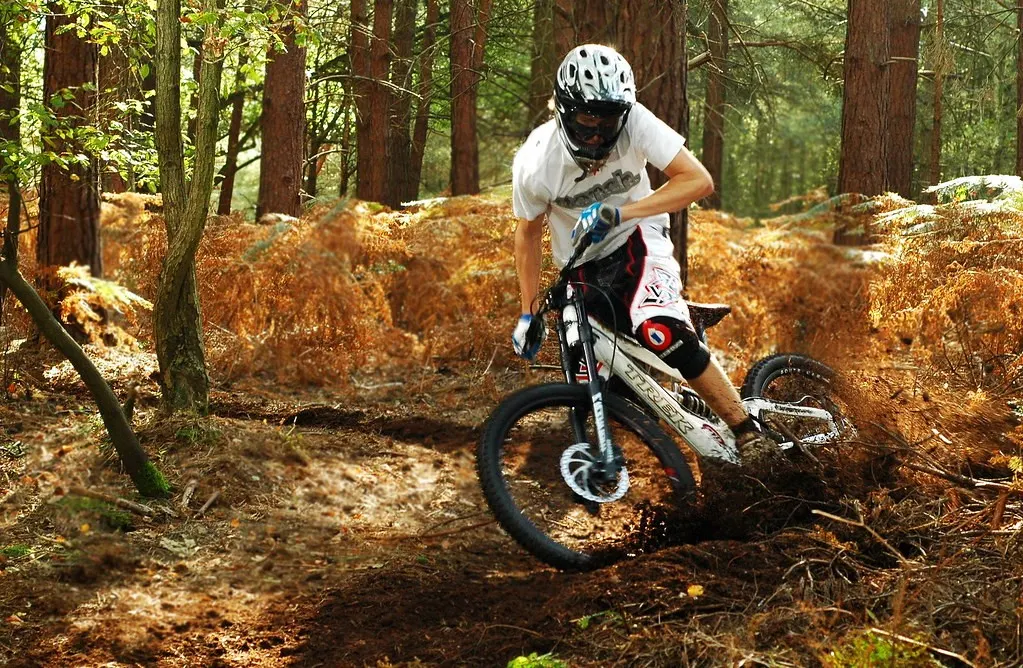
Why a Good MTB Helmet Matters
Mountain biking means roots, rocks, drops and trees, and falls are part of learning. A good mountain bike helmet covers more of your head than a road helmet, stays put on rough descents and keeps you cool on long climbs. The right style depends on how you ride: cross-country riders want light, airy helmets, trail riders want extra coverage and enduro and downhill riders may want a full-face. All the helmets below come from established helmet brands.
Fox Speedframe Pro
Best all-round trail helmet
- Trail-focused coverage
- MIPS rotational system
- Popular with trail riders
Giro Fixture MIPS
Best budget MIPS helmet
- MIPS at an entry price
- Universal adult fit (54–61 cm)
- Trail-style visor
Bell Super Air R MIPS
Best convertible helmet
- Removable chin bar
- MIPS
- Trail and enduro use
Mountain Bike Helmets Compared
| Helmet | Style | Rotational System | Best For |
|---|---|---|---|
| Fox Speedframe Pro | Half shell | MIPS | Trail riding |
| Giro Fixture MIPS | Half shell | MIPS | Budget trail riding |
| Bell Super Air R MIPS | Convertible | MIPS | Trail and enduro |
| Smith Forefront 3 | Half shell | MIPS | Trail, ventilation |
| Troy Lee Designs A3 Uno MIPS | Half shell | MIPS | Trail and enduro coverage |
| POC Tectal Race MIPS | Half shell | MIPS | Trail and all-mountain |
| Bell Sixer MIPS | Half shell | MIPS | Aggressive trail |
| Fox Proframe RS | Full face | Check listing | Enduro, bike park |
The Best Mountain Bike Helmets
1. Fox Speedframe Pro
The Speedframe Pro is a trail helmet from Fox, a major name in mountain bike gear. It offers deep coverage at the back and sides, an adjustable visor and a MIPS liner. It's a versatile choice for riders who split time between climbing and descending.
Good to Know
- Generous coverage
- MIPS
- Trail-focused design
Watch Out For
- Costs more than entry helmets
2. Giro Fixture MIPS
The Fixture brings a MIPS liner and trail-style visor to an entry-level price. It comes in a universal adult size (54–61 cm) with an adjustable fit system. For new riders, it's an easy way to get rotational protection without spending much.
Good to Know
- Affordable MIPS helmet
- Easy one-size fit
Watch Out For
- Less coverage than premium trail helmets
3. Bell Super Air R MIPS
The Super Air R is a convertible helmet: ride uphill with the chin bar off for ventilation, then clip it on for descents. It uses MIPS and suits enduro riders and trail riders who visit bike parks occasionally.
Check Price on Amazon4. Smith Forefront 3
Smith's Forefront is known for its use of Koroyd, a honeycomb-like material designed to absorb impacts while allowing airflow. The Forefront 3 adds MIPS and works well with goggles and Smith's eyewear.
Check Price on Amazon5. Troy Lee Designs A3 Uno MIPS
The A3 is a trail and enduro helmet with extended coverage and a MIPS liner. Troy Lee Designs is a long-established name in mountain bike and moto gear, and the A3 is one of its most popular half-shell helmets.
Check Price on Amazon6. POC Tectal Race MIPS
The Tectal Race is POC's trail and all-mountain helmet, with extended coverage and MIPS. POC is a Swedish brand focused on safety, and the Tectal is a common sight on trails.
Check Price on Amazon7. Bell Sixer MIPS
The Sixer is Bell's aggressive trail helmet, with deep coverage and a MIPS liner. It suits riders who descend hard but don't need a full-face.
Check Price on Amazon8. Fox Proframe RS
The Proframe RS is a lightweight full-face helmet built for enduro racing and bike parks. Full-face helmets protect the chin and jaw, which matters on fast, technical terrain. Check the listing for the certifications on the version you buy.
Check Price on AmazonTypes of Mountain Bike Helmets
| Type | Coverage | Best For |
|---|---|---|
| XC half shell | Standard, very ventilated | Cross-country, long climbs |
| Trail half shell | Extra coverage at back and sides | Most trail riding |
| Convertible | Half shell plus removable chin bar | Enduro, occasional bike park |
| Full face | Full head, chin and jaw | Downhill, bike parks, dirt jumps |
How to Choose a Mountain Bike Helmet
Safety Standards
In the US, bicycle helmets must meet the CPSC bicycle helmet standard. Downhill full-face helmets may also be certified to ASTM F1952, and European helmets to EN 1078. Check the label inside the helmet.
Rotational Protection
MIPS and similar systems are designed to reduce rotational forces in angled impacts. Most of the helmets above use MIPS. Rotational protection is an added feature, not a replacement for a good fit.
Fit
- Measure your head about an inch above your eyebrows.
- Choose the size from the maker's chart.
- Wear the helmet level, about two finger-widths above your eyebrows.
- Tighten the rear retention dial until it's snug but comfortable.
- Adjust the straps into a V under each ear and buckle with one finger of space under the chin.
Ventilation
More vents keep you cooler on climbs and in hot weather. XC helmets prioritize airflow; full-face helmets trade some airflow for protection.
Visor and Goggle Compatibility
An adjustable visor that moves up lets you store goggles on the helmet during climbs. Check that your glasses' arms fit comfortably with the retention system.
When to Replace Your Helmet
- After any crash where your head hit the ground.
- If the foam is cracked or compressed, or the shell is damaged.
- If the straps or buckle are worn.
- Following the maker's recommended replacement age.
More Protective Gear
Complete your setup with knee pads and gloves. Riding steep terrain? See full-face mountain bike helmets. Upgrading grip too? Read the best mountain bike tires.
Frequently Asked Questions
What is the difference between a mountain bike helmet and a road bike helmet?
Mountain bike helmets cover more of the back and sides of the head, usually have a visor to block sun and branches and are designed to work with goggles or glasses. Road helmets prioritize light weight, ventilation and aerodynamics.
Do I need a full-face helmet for mountain biking?
For most trail riding, a half-shell helmet is enough. Full-face helmets are recommended for downhill, bike parks and fast, technical enduro riding where face and jaw impacts are more likely. Convertible helmets let you remove the chin bar for climbs.
What does MIPS do?
MIPS is a low-friction layer inside the helmet designed to reduce rotational forces on the brain in angled impacts. Several brands use similar systems under other names.
How often should I replace my mountain bike helmet?
After any crash where your head hits the ground, even if the helmet looks fine, and when the foam, shell or straps are damaged. Many makers also suggest replacement every few years because materials age.
What safety standard should a mountain bike helmet meet?
In the US, bicycle helmets must meet the CPSC bicycle helmet standard. Full-face helmets for downhill riding may also be certified to ASTM F1952. In Europe, look for EN 1078.