Best Full Face Mountain Bike Helmets for Downhill and Enduro (2026)
Six full-face helmets for bike parks, downhill and enduro, plus what downhill certification means and how a full-face should fit.
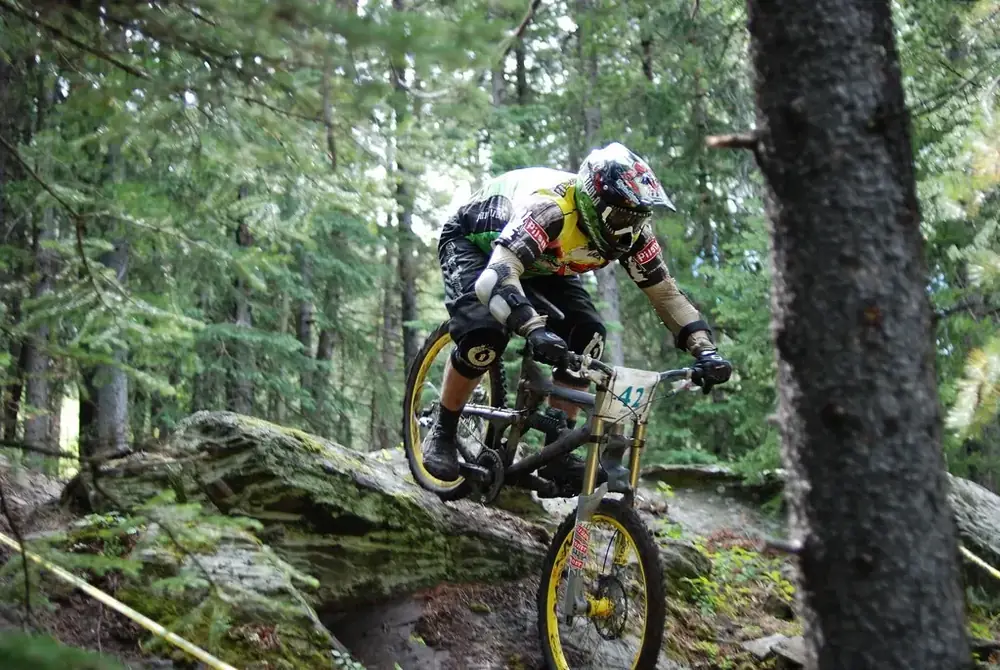
Why Wear a Full-Face Helmet?
A full-face mountain bike helmet adds a chin bar that protects your jaw, teeth and face, the areas a half-shell helmet leaves exposed. That matters at bike parks, on downhill runs and on fast, technical enduro trails where crashes tend to be harder. Downhill-rated helmets are tested to ASTM F1952, a stricter standard that includes chin bar testing. Lighter enduro full-faces focus on ventilation for pedaling. Below are six options from established brands. For half-shell trail helmets, see mountain bike helmets.
Bell Sanction 2
Best value full-face
- Built for bike park riding
- Removable, washable cheek pads
- From a long-running helmet brand
Fox Proframe RS
Best for enduro
- Lightweight full-face
- Built for pedaling and racing
- Well ventilated
Fly Racing Rayce
Best budget certified pick
- Listed ASTM F1952 downhill certified
- About 930 g (size M)
- CPSC and EN 1078 listed
Full-Face Helmets Compared
| Helmet | Type | Notes |
|---|---|---|
| Bell Sanction 2 | Bike park / downhill | Value pick, washable pads |
| Fox Proframe RS | Enduro | Lightweight, well vented |
| Fly Racing Rayce | Downhill / BMX | Listed ASTM F1952, about 930 g |
| Troy Lee Designs D4 Polyacrylite | Downhill | About 1150 g, 24 vents, EPP collarbone pads |
| Fox Rampage | Downhill | ABS shell, MIPS |
| Bell Super Air R MIPS | Convertible | Removable chin bar |
Specs are as listed at the time of writing. Check each listing for the certifications on the version you buy.
The Best Full-Face Mountain Bike Helmets
1. Bell Sanction 2
Bell designed the Sanction 2 as an accessible full-face for bike park riders of all ages. It uses ventilated padding and removable cheek pads that can be washed. It's a sensible first full-face for riders getting into lift-served riding.
Good to Know
- Good value
- Easy-to-clean padding
Watch Out For
- Heavier and warmer than enduro helmets
2. Fox Proframe RS
The Proframe RS is a lightweight full-face built for enduro racing, where you pedal uphill and race down. Its ventilation and low weight make it comfortable to wear for long rides.
Check Price on Amazon3. Fly Racing Rayce
The Rayce is listed as tested to ASTM F1952 (downhill), CPSC 1203 and EN 1078, with a poly-alloy shell and an EPS liner. Fly Racing lists it at about 930 g in size medium. It's a budget-friendly downhill-rated choice for bike parks and BMX.
Check Price on Amazon4. Troy Lee Designs D4 Polyacrylite
The D4 is Troy Lee Designs' downhill helmet. The Polyacrylite version weighs about 1150 g and has 24 vents, an EPP collarbone impact system and chin bar shock pads. It comes in three shell sizes for a closer fit.
Check Price on Amazon5. Fox Rampage
The Rampage is Fox's downhill full-face with an injection-molded ABS shell and MIPS. It's listed as meeting CE and CPSC standards.
Check Price on Amazon6. Bell Super Air R MIPS
The Super Air R is convertible: remove the chin bar for climbs and clip it on for descents. It's a good fit for trail and enduro riders who don't want to carry two helmets.
Check Price on AmazonHelmet Standards Explained
| Standard | What It Covers |
|---|---|
| CPSC 1203 | US bicycle helmet standard; required for bike helmets sold in the US |
| EN 1078 | European bicycle helmet standard |
| ASTM F1952 | Downhill mountain bike standard, including chin bar tests |
| ASTM F2032 | BMX helmet standard |
Rotational protection systems such as MIPS are designs, not certifications. They aim to reduce rotational forces in angled impacts.
How to Choose
Downhill vs Enduro vs Convertible
- Downhill: heavier, more protective, made for lift-served riding.
- Enduro: lighter and better vented for pedaling.
- Convertible: removable chin bar for long climbs.
Fit
- Measure your head circumference about 1 inch above your eyebrows.
- Choose the size from the maker's chart.
- The helmet should feel snug, with cheek pads pressing gently on your cheeks.
- Push the chin bar up and down; the helmet shouldn't shift much on your head.
Goggle Compatibility
Most full-face riders wear goggles. Check that your goggles fit the eye port and the strap stays in place.
Neck Brace Compatibility
If you wear a neck brace, check that the helmet's lower edge works with it.
Care and Replacement
- Replace a helmet after any significant impact.
- Clean pads with mild soap and let them air dry.
- Store away from heat, such as a hot car.
Heading to the bike park? See types of mountain bikes and full-suspension bikes.
Frequently Asked Questions
Do I need a full face helmet for mountain biking?
For downhill, bike parks, enduro racing and fast, technical trails, a full-face helmet is strongly recommended because it protects the chin and jaw. For cross-country and mellow trail riding, a half-shell helmet is usually enough.
What is ASTM F1952?
ASTM F1952 is a downhill mountain bike helmet standard. It includes higher impact tests and chin bar testing compared with basic bicycle helmet standards.
Are full face helmets hot?
They're warmer than half shells, but modern enduro full-faces have lots of vents. Convertible helmets with removable chin bars are another option for long climbs.
How should a full face helmet fit?
Snug all around with no pressure points, cheek pads firmly touching your cheeks, and the helmet shouldn't roll forward or back when you push on the chin bar.
When should I replace my helmet?
Replace it after any significant crash, even if it looks fine, and follow the maker's guidance on age.