The Best Mountain Bike Parks in the US and Canada (2026)
From Whistler and Mammoth to Highland, Spider Mountain and Ray's indoor park in Cleveland: where to ride lift-served laps, free jump lines and winter indoor trails, and how to plan your first bike park day.
What Is a Mountain Bike Park?
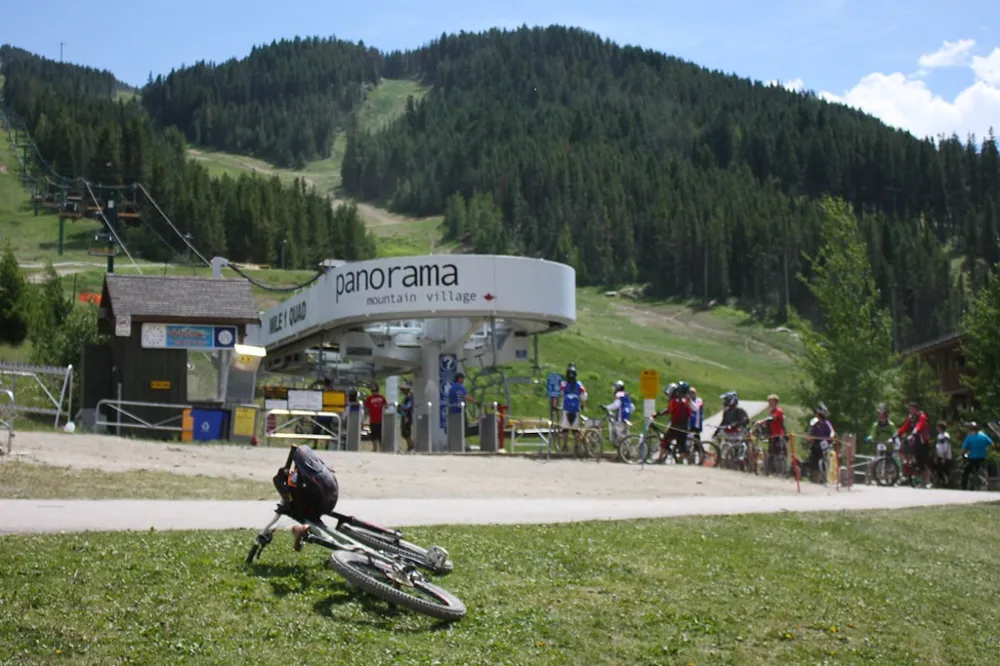
A mountain bike park is a trail area built mainly for riding downhill. At most parks, a chairlift, gondola or shuttle carries you and your bike to the top, and you ride purpose-built trails back down: smooth jump and flow trails with berms and tabletops, rocky technical lines, wooden features and drops. Because you don't spend the day climbing, you get far more descending, which makes bike parks one of the fastest ways to build skills like cornering and jumping.
Most US bike parks run at ski resorts in summer. Others are free public trail parks with jump lines and skills areas, and a few are indoor warehouses that let you ride through winter. This guide covers the best-known parks in each category, region by region, plus how trail ratings work and how to plan your first visit. Season dates, trail counts and rules change every year, so treat the details here as a starting point and check each park's official site before you travel (last checked November 2026).
Mountain Bike Parks at a Glance
| Park | Location | Type | Known For |
|---|---|---|---|
| Whistler Mountain Bike Park | Whistler, British Columbia | Lift-served | About 130 trails, 4,900+ ft of vertical |
| Mammoth Bike Park | Mammoth Lakes, California | Lift-served | 80+ miles of singletrack |
| Trestle Bike Park | Winter Park, Colorado | Lift-served | 40+ miles of downhill trails |
| Snowmass Bike Park | Snowmass Village, Colorado | Lift-served | 25+ miles; Gold-Level bike park |
| Deer Valley Bike Park | Park City, Utah | Lift-served | Large trail network; 2026 Fox US Open host |
| Highland Mountain Bike Park | Northfield, New Hampshire | Lift-served | Jumps, slopestyle and an indoor training center |
| Thunder Mountain Bike Park | Charlemont, Massachusetts | Lift-served | Rocky New England tech and jump lines |
| Mountain Creek Bike Park | Vernon, New Jersey | Lift-served | About 60 trails, freestyle and pro lines |
| Snowshoe Bike Park | Snowshoe, West Virginia | Lift-served | Hosted the 2019 UCI World Cup finals |
| Spider Mountain Bike Park | Burnet, Texas | Lift-served | Texas's lift-served park, open year-round |
| Windrock Bike Park | Oliver Springs, Tennessee | Shuttle-served | Steep, raw downhill trails |
| Duthie Hill Mountain Bike Park | Issaquah, Washington | Pedal-access public park | Freeride, jump lines and pump tracks |
| Ray's Indoor Mountain Bike Park | Cleveland, Ohio | Indoor | Winter riding since 2004 |
The full list below also covers Blue Mountain, Killington, Keystone, Angel Fire, Big Sky, Sun Valley, Northstar, Big Bear and Mike's Indoor Bike Park.
Lift-Served, Pedal and Indoor Parks
"Bike park" covers three quite different experiences. Knowing which one you want narrows the list quickly.
| Lift-Served Park | Pedal-Access Trail Park | Indoor Park | |
|---|---|---|---|
| How you get up | Chairlift, gondola or shuttle | Pedal or push up climbing trails | Short ramps and rollers |
| Typical terrain | Long descents, jump and flow trails, rock gardens, drops | Short jump lines, skills areas, pump tracks, cross-country loops | Pump tracks, jump lines, skinnies, foam pits |
| Season | Usually late spring to fall | Year-round where weather allows | Mostly winter, or year-round |
| Cost | Lift ticket or season pass | Often free or low-cost public parks | Session or day pass |
| Best bike | Full suspension, ideally a downhill or enduro bike | Trail bike, hardtail or dirt jumper | Dirt jumper, BMX or trail bike |
Lift-served parks are what most people mean by a bike park. Expect bigger speeds and repeated hard landings, so a full-suspension mountain bike is the norm and a full-face helmet is common. Pedal-access parks like Duthie Hill concentrate features in a small area, which makes them great for practicing jumps on a local trail bike. Indoor parks keep riders sharp through winter and are especially good for jump and pump-track progression. If you're unsure which bike suits which park, see types of mountain bikes.
How Bike Park Trails Are Rated
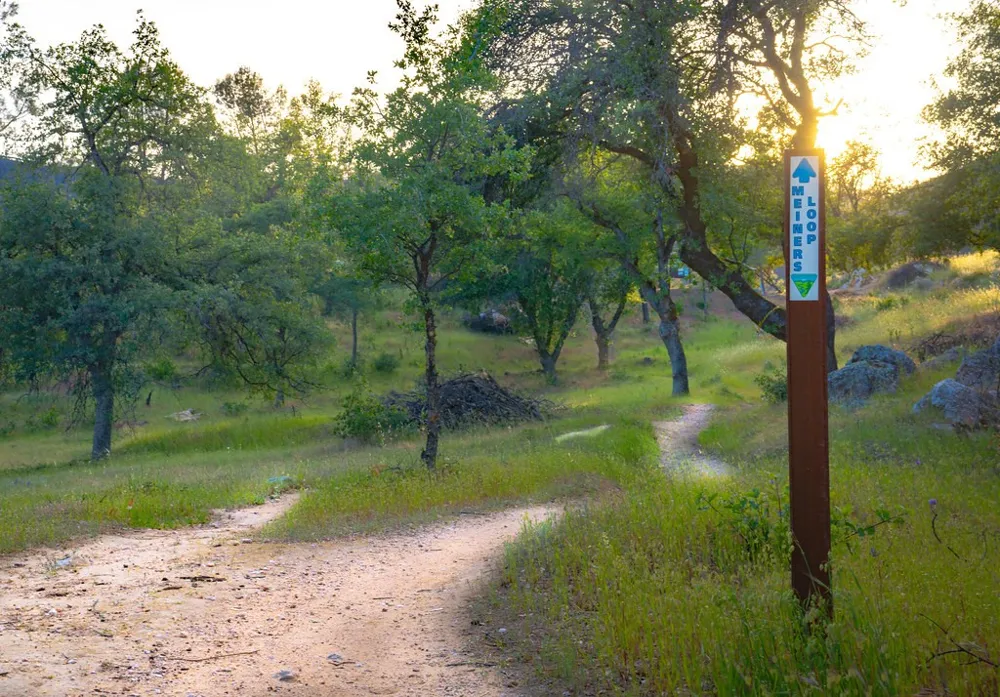
Most US parks use symbols based on the IMBA trail difficulty system. Bike parks then add their own labels for jump trails and expert-only lines.
| Symbol | Level | What to Expect at a Bike Park |
|---|---|---|
| Green circle | Easy | Wide, gentle flow trails and small rollable features |
| Blue square | Intermediate | Steeper trails, bigger berms, small drops and jumps |
| Black diamond | Advanced | Steep, rocky or rooty terrain, larger jumps and drops |
| Double black diamond | Expert | Mandatory drops, big gaps, very steep or loose terrain |
| Pro line | Pro only | Competition-level jumps and features |
Ratings are relative to the park, not universal. Blue Mountain in Pennsylvania notes that its ratings compare trails only with each other, and riders often find a blue in one region harder than a blue at home. Some parks also split ratings by trail style. Mountain Creek labels trails such as "Intermediate - Freestyle" for jump-focused lines, Whistler has pro-only trails, and Snowshoe publishes its own four-step scale from Easiest to Expert Only. A good rule: ride one or two greens first at any new park, then step up.
Northeast Bike Parks
Northeast parks are known for roots, rock and steep, short laps, and most sit within a few hours of Boston, New York or Philadelphia.
Highland Mountain Bike Park, New Hampshire
Location: Northfield, New Hampshire, near Tilton; Visit NH lists it as about 90 minutes from Boston. Type: lift-served downhill park. Skill level: green to double black.
Highland is run as a dedicated bike park rather than a ski resort with summer trails, and it has a big following for jumps and freeride. Reviews describe about 600 feet of vertical with raw, rooty New England tech, plus a slopestyle course and dirt jump areas. Its indoor training facility, about 9,100 square feet, has a foam pit, a resi ramp, jump parks and pump tracks, which helps with progression. Visit NH lists a full-service rental shop with more than 150 bikes, plus lessons and camps.
Thunder Mountain Bike Park, Massachusetts
Location: Berkshire East Mountain Resort, Charlemont, Massachusetts. Type: lift-served. Skill level: green to double black.
Thunder Mountain is served by a high-speed summit quad, with about 920 feet of vertical and around 30 trails according to a 2025 review in The Loam Wolf. It's known for technical, rocky trails and well-built jump lines, from a smooth blue flow trail to pro-level jumps. It's a strong pick for riders who already have their basics and want classic East Coast tech.
Mountain Creek Bike Park, New Jersey
Location: Vernon, New Jersey. Type: lift-served. Skill level: beginner to pro line.
Mountain Creek lists about 60 bike trails on Vernon Peak, served by its Cabriolet lift, with local reports citing more than 1,000 feet of vertical and dozens of jumps and features. Trails range from beginner to "Pro Line", with separate freestyle ratings for jump trails. The 2026 season opened on April 24 and has since wrapped for the year, with 2027 dates still to come. Helmets are mandatory for all downhill riders, and rentals, lessons and beginner packages are offered.
Blue Mountain Bike Park, Pennsylvania
Location: Palmerton, Pennsylvania, in the Poconos. Type: lift-served (chairlift). Skill level: green, blue and black.
Blue Mountain's downhill park offers trails with jumps and berms and a beginner trail used for lessons. Its rules are a useful model of what parks expect: helmets required for all riders, a full-face highly recommended on black trails, body armor strongly encouraged, and a full-suspension bike highly recommended. Bikes need at least front suspension, disc brakes and a saddle that lowers. Rentals of bikes, helmets and protective gear must be booked in advance, and riders under 18 need a parent or guardian to sign the release.
Killington Bike Park, Vermont
Location: Killington, Vermont. Type: lift-served. Skill level: beginner to expert.
Known as "The Beast of the East" in winter, Killington runs a large summer bike park served by three lifts, including the K-1 Express Gondola. Published guides cite roughly 30 or more miles of trails, with beginner terrain around Snowshed and steeper, more technical riding higher up; figures vary by source, so check the current trail map.
Southeast and Texas Bike Parks
Snowshoe Bike Park, West Virginia
Location: Snowshoe Mountain, West Virginia. Type: lift-served. Skill level: easiest to expert only.
Snowshoe is the Southeast's best-known lift park. It hosted the 2019 UCI Mountain Bike World Cup finals and USA Cycling mountain bike championships in 2017 and 2018. REI described the park as having nearly 40 trails, and the wider area has a large network of backcountry singletrack. West Virginia Tourism says the park generally opens in late May and runs into early October, with weekend-only operation early and late in the season. Bike park trails are downhill only, helmets are required, and the resort recommends a downhill-specific bike.
Windrock Bike Park, Tennessee
Location: Oliver Springs, Tennessee. Type: shuttle-served (no chairlift). Skill level: intermediate to expert.
Windrock uses shuttle trucks rather than a lift, and its trails drop roughly 1,100 feet each. It was designed with pro downhill racers Neko Mulally and Sean Leader and is known for steep, rugged, technical terrain and fast singletrack. Reviewers warn that it's not beginner-friendly and that its blues ride harder than blues elsewhere. A pass is required; check the park's site for shuttle days and camping.
Spider Mountain Bike Park, Texas
Location: Burnet, Texas, about 55 miles northwest of Austin near Lake Buchanan. Type: lift-served. Skill level: green to double black.
Spider Mountain opened in January 2019 as the first lift-accessed bike park in Texas and has been described as the state's only lift-served park. It has about 350 feet of vertical and roughly 20 trails, and it's open year-round. Texas Highways reports that the chairlift runs Friday to Sunday, with an uphill access path when the lift isn't running. Rentals include full-suspension bikes, helmets and body armor.
Rocky Mountain and Southwest Bike Parks
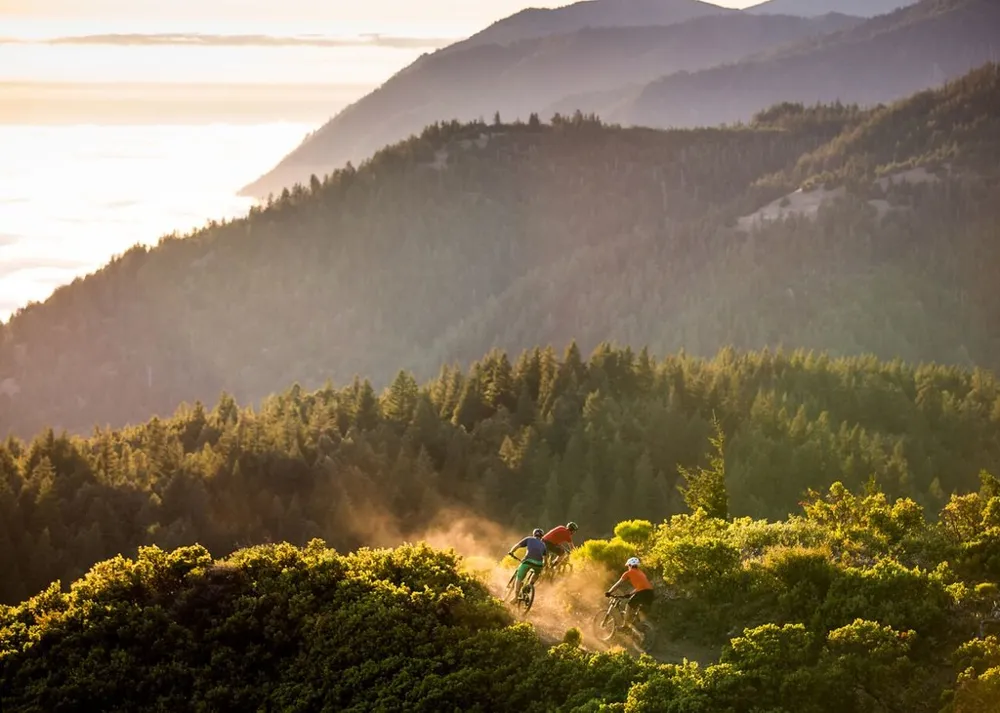
Colorado, Utah and the northern Rockies have the biggest concentration of large lift parks in the US. Expect high elevation, long descents and short summer seasons. If you're also planning a winter trip, many of these resorts appear in our Colorado ski resort guide.
Trestle Bike Park, Winter Park, Colorado
Type: lift-served. Skill level: beginner to pro.
Trestle has more than 40 miles of lift-served downhill trails and describes itself as the largest full-service downhill bike park in the US, with one of the largest rental fleets in North America. It's designed around progression, with large berms, technical zones and a beginner course, and it rents both downhill and enduro bikes.
Snowmass Bike Park, Colorado
Type: lift-served. Skill level: green to double black.
Snowmass has 25+ miles of lift-accessed freeride and technical trails and calls itself Colorado's only Gold-Level bike park. The Elk Camp Six-Pack reaches the top of the mountain, and the Elk Camp Gondola serves the Meadows learning area, with about 3,000 vertical feet of riding back to the base. E-bikes are not allowed on any Snowmass Mountain terrain.
Keystone Bike Park, Colorado
Type: lift-served. Skill level: easy to advanced experts only.
Keystone describes itself as one of Colorado's original bike parks and is known for steep, technical downhill trails, including expert routes through Paid in Full and a tall wooden corkscrew feature. Beginners have an easier route too.
Deer Valley Bike Park, Utah
Type: lift-served. Skill level: beginner to advanced.
Deer Valley's 2026 summer season opened on June 19, and the resort describes more than 100 miles of maintained trails. In September 2026 it hosted the Fox US Open of Mountain Biking for the first time, as the finale of the Monster Energy Pro Downhill Series. Women's ride series and kids' gravity camps are offered.
Angel Fire Bike Park, New Mexico
Type: lift-served. Skill level: green to expert.
New Mexico Magazine described Angel Fire as having about 31 trails over 60 miles with 2,000 vertical feet, and a season that typically runs from mid-May to mid-October, one of the longest in the country. It also reports that the resort hosted a World Cup round in 2005. Trail counts may have changed since that report, so check the current map.
Big Sky Bike Park, Montana
Type: lift-served. Skill level: intermediate to expert routes.
Big Sky's lift-served riding uses the Explorer Gondola, Swift Current 6 and Ramcharger 8, with signature intermediate-advanced and advanced-expert routes. Downhill lessons and private guided sessions are available.
Sun Valley Bike Park (Bald Mountain), Idaho
Type: lift-served (gondola). Skill level: intermediate to advanced.
Bikes load on the gondola at River Run, which climbs about 2,000 vertical feet in roughly eight minutes. Sun Valley says its lift-accessed terrain includes more than 3,100 vertical feet of flow trails and describes the route as America's longest purpose-built downhill trail. Bald Mountain trails are technical and rugged, so the resort recommends experience and good fitness; beginners are pointed to the gentler White Clouds trails near Sun Valley Village.
California and Pacific Northwest Bike Parks
Mammoth Bike Park, California
Location: Mammoth Lakes, California. Type: lift-served. Skill level: beginner (Discovery Zone) to pro.
Mammoth lists 80+ miles of singletrack. Its longest descent links three trails for almost 15 miles and 3,000 vertical feet. Riding is at high altitude, and some expert and pro-line trails require a full downhill bike. Helmets are required on all trails, and the resort recommends a full-face helmet, knee and elbow pads, gloves and eye protection. For 2026, rentals at the Mountain Center ran from April 18 to October 18, and the park has now closed for the season.
Northstar Bike Park, California
Location: Truckee, near Lake Tahoe. Type: lift-served. Skill level: beginner to double black.
Northstar, a Vail Resorts property, is famous for Livewire, a fast, flowy, irrigated jump trail. It also has a double-diamond Jump Park with 25–35 foot jumps, a skills zone and easier flow trails. The resort lists bike park access from age 9.
Summit and Snow Valley Bike Parks, Big Bear, California
Type: lift-served. Skill level: beginner to expert.
Big Bear Mountain Resort runs two parks: Summit Bike Park at Snow Summit, with 11 downhill trails and more than 10 miles of riding, and Snow Valley Bike Park in Running Springs, with 10 trails and more than 8 miles. Both typically run from May or June through October, and Class 1 e-bikes are allowed on their downhill trails.
Duthie Hill Mountain Bike Park, Washington
Location: Issaquah Plateau, east of Seattle. Type: pedal-access public park (no lift). Skill level: beginner to expert.
Duthie Hill is a King County park designed and built by the Evergreen Mountain Bike Alliance. King County lists 136 acres with about 6 miles of cross-country trails and nearly 2 miles of freeride trails, and all trails are one-way. Evergreen describes progressive jump and flow lines, three pump tracks and a practice area with drops, skinnies and small tables, making it one of the best-known public progression parks in the Northwest. Parking is limited, so arrive early on weekends.
Whistler Mountain Bike Park, Canada
If you ride bike parks for long, Whistler ends up on your list. It describes itself as the original lift-served downhill bike park, and its numbers set the benchmark: more than 4,900 vertical feet of lift-serviced trails and about 130 trails across four zones.
| Zone | Access | Best For |
|---|---|---|
| Fitzsimmons | Lifts from Whistler Village | All levels; home of A-Line |
| Garbanzo | Garbanzo Chair | Strong intermediates to experts |
| Creekside | Creekside Gondola | Advanced and expert rainforest descents |
| Peak | Peak Chair (separate ticket) | Advanced riders; Top of the World trail |
For 2026, the regular season ran from June 13 to September 7 and the fall season to October 12. Trails range from green to double black, plus a handful of pro-only lines. If it's your first trip, spend the first day in the Fitzsimmons zone on greens and blues; ratings there can feel harder than at smaller parks.
Indoor Mountain Bike Parks
Indoor parks are warehouses filled with wooden and dirt trails, pump tracks, jumps and skinnies. They let riders keep training through winter. Many have closed over the past few years, including Wheel Mill in Pittsburgh, Mega Cavern in Louisville and Lumberyard in Portland, and the North Shore Bike Park in British Columbia closed in 2025. Always confirm a park is operating before you travel.
Ray's Indoor Mountain Bike Park, Cleveland, Ohio
Location: 9801 Walford Ave., Cleveland, Ohio. Type: indoor, seasonal. Skill level: all levels.
Ray's is the best-known indoor mountain bike park in the US. Ray Petro opened it in 2004 in a Cleveland warehouse so riders could keep going through Ohio winters. It now includes pump tracks, a jump trail, foam pits, a BMX pool and a "natural" section of rocks and logs, and the trails are reworked each year. A second Ray's location in Milwaukee opened in 2010 and closed in 2016, but the Cleveland park is still running. In late 2026 its website said it was soon starting its 23rd season. Ray's runs in the colder months, typically from fall to spring; in 2024, for example, it closed for the season on May 5. Rental bikes and lessons are available. Check the official site for opening dates, hours and waivers.
Mike's Indoor Bike Park, Dayton, Ohio
Mike's opened in 2016 in downtown Dayton with about 50,000 square feet of indoor riding, including a pump track and foam pit, and was reported to be open year-round. It's smaller than Ray's but useful for riders in southern Ohio. Confirm current hours before going.
Indoor parks suit dirt jumpers, BMX bikes and short-travel trail bikes better than long-travel downhill bikes. Our BMX vs mountain bike guide explains the difference.
How to Plan a Bike Park Visit
- Pick terrain that matches your level. Count the green and blue trails, not the total. A huge park with few easy trails is a poor first choice.
- Decide whether to rent. Rental downhill or enduro bikes come set up for park riding and save wear on your own bike. Reserve ahead: Blue Mountain requires advance rentals, and Mammoth says reserving guarantees the right size.
- Check bike requirements. If you bring your own bike, expect rules such as working disc brakes, off-road tires and suspension. A full-suspension bike is strongly recommended at most lift parks.
- Book a lesson or beginner package. Many parks bundle a rental bike, lift ticket and lesson for first-timers, which is the fastest way to learn lift loading and park technique.
- Choose a pass. Options usually include day tickets, half-day or evening (twilight) tickets, multi-day packs and season passes. Some resort passes include summer perks, and buying online in advance is often cheaper; check each park's ticket page.
- Sign the waiver. Most parks require a signed release, and riders under 18 usually need a parent or guardian to sign.
- Check dates and conditions. Parks open in stages, often weekends only early and late in the season, and trails close for weather or maintenance. Look at the trail report the day you ride.
- Plan for altitude and weather. Western parks often sit above 8,000 feet. Bring water, sunscreen and a layer for afternoon storms.
Before the trip, set your tire pressure for park riding and check brakes and suspension. For getting your bike there, see hitch bike racks.
Bike Park Etiquette and Safety
Parks publish their own codes, and they share the same core rules. These points are adapted from Snowshoe's responsibility code and similar park rules:
- Ride in control and within your ability. Walk any feature you're unsure of; there's no shame in rolling around a drop.
- Inspect first. Ride a new trail slowly before hitting its jumps, since features change with weather, maintenance and traffic.
- The rider ahead has the right of way. Look uphill before entering a trail, and pass only when it's safe, calling out which side you're on.
- Don't stop in blind spots, landings or below jumps. Move fully off the trail to rest or regroup.
- Stay on marked, open trails and obey closures. Bike park trails are downhill only; never ride up them.
- Stop and help if you're involved in or see a crash, and alert patrol or staff.
- No alcohol or drugs while riding.
- Lift etiquette: follow the attendants' loading instructions, and keep your bike secure on the carrier.
Tired riders make more mistakes, so plan your last lap before you're worn out. Learning to bunny hop and manual on flat ground makes park jumps and rollers far easier. Bike park riding carries a real risk of injury; this guide is not a substitute for professional instruction.
Gear for Bike Park Days
Every park listed requires a helmet. For lift-served riding, most riders add more:
| Gear | Why It Matters | Guide |
|---|---|---|
| Full-face helmet | Chin and face protection at park speeds | Full-face helmets |
| Knee pads or knee/shin guards | Protect knees and shins from falls and pedal strikes | Knee pads |
| Gloves | Grip and hand protection | Gloves |
| Goggles or glasses | Dust, roost and branches | Recommended by parks such as Mammoth |
| Flat pedals and shoes | Easy to put a foot down while learning | Pedals, shoes |
Bell Sanction 2 Full-Face Helmet
Bell designed the Sanction 2 as an accessible full-face for bike park riders of all ages, with ventilated padding and removable, washable cheek pads.
Check Price on AmazonFox Launch Knee/Shin Guard
Extended EVA side panels cover more of the shin, with an abrasion-resistant front panel and Ariaprene and mesh construction for ventilation.
Check Price on AmazonRelated Guides
Prefer pedaling to lift laps? Our guide to the best mountain bike trails in the US covers trail towns like Moab, Fruita, Bentonville and Pisgah. Find more trail and bike guides on our mountain biking hub, compare mountain bike brands, or read hardtail vs full suspension before you buy a park-ready bike. Riding on four wheels or a deck instead? See the best skateparks in the US.
Frequently Asked Questions
What is the biggest mountain bike park in North America?
Whistler Mountain Bike Park in British Columbia is widely described as the largest, with about 130 trails and more than 4,900 vertical feet of lift-served riding. In the US, Mammoth lists 80+ miles of singletrack and Trestle at Winter Park describes itself as the largest full-service downhill bike park in the country.
Is there an indoor mountain bike park in Cleveland?
Yes. Ray's Indoor Mountain Bike Park on Walford Avenue in Cleveland, Ohio, opened in 2004 and runs during the colder months, typically from fall to spring. Its website said in late 2026 that it was soon starting its 23rd season, so check the official site for opening dates.
Can you ride a hardtail at a bike park?
On easy flow trails, often yes, but many parks recommend or require more. Blue Mountain in Pennsylvania asks for at least front suspension, disc brakes and a lowerable saddle, and Mammoth says some expert trails require a full downhill bike. Renting a park bike is the safer option for steeper terrain.
Do I need a full-face helmet at a bike park?
A helmet is required at every park listed here, but most do not require a full-face. Parks such as Mammoth and Blue Mountain strongly recommend one, especially on black trails, along with knee pads and gloves.
When are mountain bike parks open?
Most lift-served parks typically run from late spring to early fall, roughly May or June through September or October. Some Northeast parks open in April, Spider Mountain in Texas is open year-round, and indoor parks like Ray's run in winter. Always check the official site for current dates.
Are mountain bike parks good for beginners?
Yes, if you start in the right place. Many parks have green trails, skills areas and beginner packages that bundle a rental bike, lesson and lift ticket. Avoid steep technical parks like Windrock or Thunder Mountain's harder lines until you have the basics down.
Are e-bikes allowed at bike parks?
It depends on the park. Big Bear's Summit and Snow Valley bike parks allow Class 1 e-bikes on downhill trails, while Snowmass does not allow e-bikes on any Snowmass Mountain terrain. Check each park's rules before you go.