Mountain Bike Brands: Big Names, Specialists and Value Picks (2026)
Where each major mountain bike brand comes from, who owns it, what it's known for and which model families to look at, from bike-shop giants to direct-sale and budget brands.
Do Mountain Bike Brands Matter?
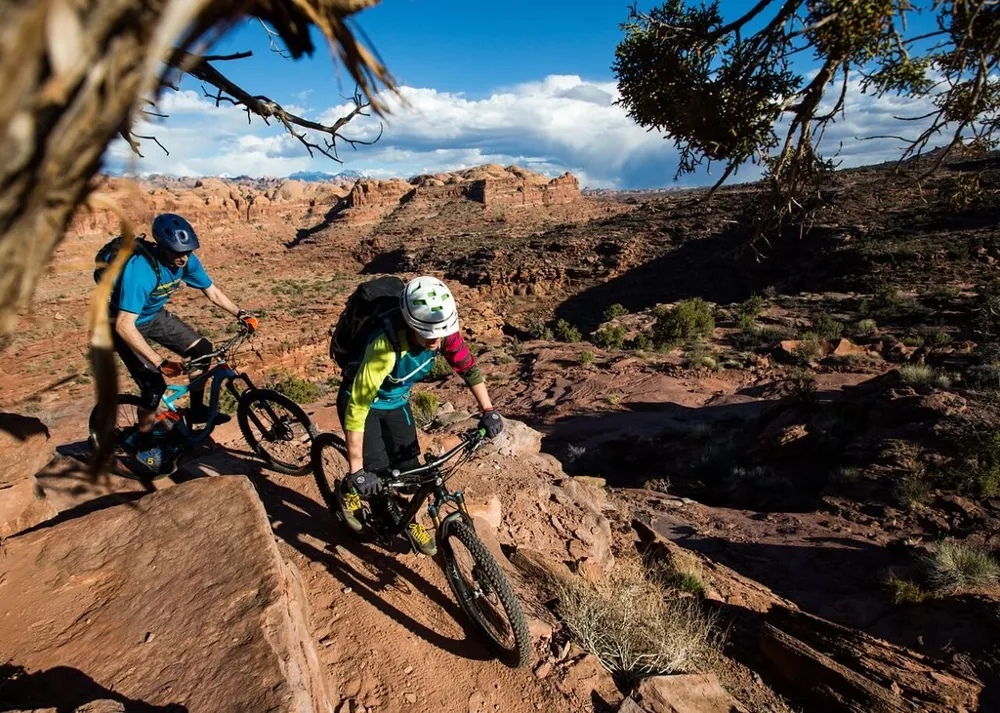
Mountain bike brands range from huge companies that make everything from kids' bikes to World Cup race machines, to small rider-owned outfits that build a handful of trail and enduro bikes. Knowing who's who helps you read reviews, understand why two bikes from "different" brands share parts or design ideas, and narrow a shortlist before you visit a shop.
Still, the right bike depends more on type, suspension travel, wheel size, fit and build kit than on the logo. Every major brand makes good bikes, and most source frames from the same handful of Asian factories and components from the same suppliers, such as Shimano, SRAM, Fox and RockShox. Use this guide to learn what each brand is known for, then pick the model that fits how and where you ride. Not sure what kind of bike you need? Start with the types of mountain bikes.
Founding dates and ownership come from company histories and trade reports. The bike industry has seen many sales, restructurings and closures since 2023, so we note dates where ownership has changed.
Mountain Bike Brands at a Glance
| Brand | Home | Founded | Owner or Founder | Known For | MTB Lines to Know |
|---|---|---|---|---|---|
| Trek | Waterloo, Wisconsin, USA | 1976 | Privately held | Huge range sold through shops | Marlin, Roscoe, Supercaliber, Fuel EX, Slash, Session |
| Specialized | Morgan Hill, California, USA | 1974 | Founder Mike Sinyard (majority); Merida holds a minority stake | Stumpjumper, one of the first production mountain bikes | Rockhopper, Epic, Stumpjumper, Enduro, Turbo Levo |
| Giant | Taichung, Taiwan | 1972 | Giant Manufacturing | World's largest bike maker; Maestro suspension | Talon, Stance, Trance, Anthem |
| Santa Cruz | Santa Cruz, California, USA | 1993 | Pon Holdings (since 2015) | Premium full-suspension bikes, VPP suspension | Tallboy, 5010, Hightower, Bronson, Nomad, V10 |
| Cannondale | Wilton, Connecticut, USA (moving to the Netherlands) | 1971 | Pon Holdings | Aluminum frames, Lefty fork | Trail, Scalpel, Habit, Jekyll |
| Scott | Givisiez, Switzerland | 1958 | Youngone (majority since 2015) | Light cross-country race bikes | Scale, Spark, Contrail, Ransom, Gambler |
| Yeti | Golden, Colorado, USA | 1985 | Employee-owned since 2001 | Turquoise paint, Switch Infinity suspension | ARC, SB120, SB140, SB160 |
| Pivot | Tempe, Arizona, USA | 2007 | Founded by Chris Cocalis | DW-Link suspension, carbon frames | Mach 4 SL, Switchblade, Firebird |
| Ibis | Santa Cruz, California, USA | 1981 | Privately held | Boutique carbon trail bikes | Ripley, Ripmo, Mojo, Exie |
| Rocky Mountain | North Vancouver, Canada | 1981 | Chaos Sports (since 2025) | North Shore trail bikes | Element, Instinct, Altitude, Slayer, Growler |
| Norco | British Columbia, Canada | 1964 | Lewis family (Live to Play Sports) | High-pivot trail and enduro bikes | Fluid, Optic, Sight, Range |
| Kona | Ferndale, Washington, USA, and North Vancouver, Canada | 1988 | Founders (bought back 2024) | Fun, durable trail bikes | Honzo, Process, Hei Hei |
| Transition | Bellingham, Washington, USA | Early 2000s | Rider-owned | Playful trail and gravity bikes | Spur, Smuggler, Sentinel, Spire, Patrol, TR11 |
| Evil | Bellingham, Washington, USA | 2000s | Kevin Walsh | DELTA suspension, descending focus | Following, Offering, Insurgent, Wreckoning |
| Canyon | Koblenz, Germany | 1985 (as Radsport Arnold) | Roman Arnold and investors | Direct-to-consumer sales | Grand Canyon, Neuron, Spectral, Strive, Torque |
| Commencal | Andorra | 1998 | Founded by Max Commençal | Aluminum gravity bikes sold direct | Meta, Clash, Supreme, T.E.M.P.O. |
| YT | Germany | 2000s | Founder Markus Flossmann (relaunched 2025) | Direct-sale enduro and downhill bikes | Capra, Jeffsy |
| Orbea | Basque Country, Spain | 1840 | Worker cooperative (Mondragon) | XC racing, custom paint and specs | Alma, Occam, Rallon |
| Marin | Marin County, California, USA | 1986 | Investment group (since 2012) | Good-value trail bikes | Bobcat Trail, San Quentin, Rift Zone, Alpine Trail |
| Polygon | Sidoarjo, Indonesia | 1989 | PT Insera Sena | Budget bikes sold online | Xtrada, Siskiu, Collosus |
"Owner or Founder" reflects public information as of November 2026. Model names change often, so check each brand's current lineup.
Who Owns Which Mountain Bike Brands?
A few large groups own many familiar names, and sister brands sometimes share distribution, dealers or engineering. Here's how the main groups line up:
| Group | Mountain Bike Brands | Notes |
|---|---|---|
| Pon Holdings (Netherlands) | Santa Cruz, Cannondale, GT, Schwinn, Mongoose, Focus, Cervélo | Bought Santa Cruz in 2015. Added Cannondale, GT, Schwinn and Mongoose by buying Dorel Sports, announced in 2021. In October 2026 Pon folded the women's brand Juliana into Santa Cruz and announced it will close Cannondale's Connecticut headquarters by mid-2027. |
| Giant Manufacturing (Taiwan) | Giant, Liv | Liv is Giant's women's-specific brand. Giant also builds frames for other companies. |
| Quality Bicycle Products (USA) | Salsa, Surly | Minnesota distributor that bought Salsa in 1997. |
| Regent, L.P. (USA) | Diamondback, Redline | Bought Diamondback from Accell Group in 2019. |
| REI (USA) | Co-op Cycles | REI's own brand, launched in 2016 to replace Novara. |
| Independent or founder-owned | Trek, Specialized, Yeti, Ibis, Kona, Transition, Evil, Norco, Orbea | Specialized has been part-owned by Taiwan's Merida since 2001, with founder Mike Sinyard keeping the majority. |
Why it matters: ownership changes can affect dealer networks, warranty handling and how long a brand keeps developing new models. If you're buying from a brand that has recently changed hands, check who handles warranty claims in your country.
Trek and Specialized
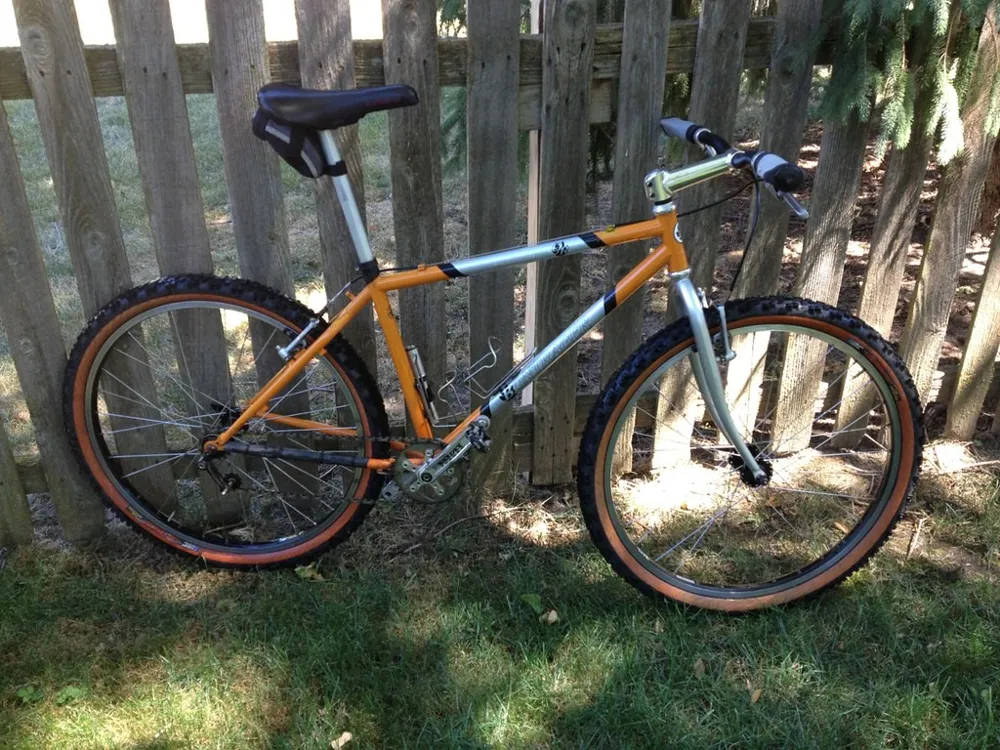
These are the two biggest bike-shop brands in the US, and both make mountain bikes at almost every level, from a first hardtail to World Cup race bikes. For a detailed head-to-head, see Trek vs Specialized.
Trek was founded in 1976 by Dick Burke and Bevil Hogg in a barn in Waterloo, Wisconsin, and its headquarters is still in Waterloo, about a mile from that barn. Its first mountain bike, the 850, arrived in 1983. Trek bought the Gary Fisher brand in 1993 and Bontrager in 1995; Gary Fisher was an early champion of 29-inch wheels. Trek's carbon frames use its OCLV process, and its Session downhill bike has a long World Cup history. Mountain lines to know: Marlin (entry hardtail), Roscoe (trail hardtail), Supercaliber (cross-country race), Fuel EX (trail), Slash (enduro) and Session (downhill), plus the Fuel EXe e-MTB.
Specialized was founded in 1974 by Mike Sinyard, who started by importing bike parts. Its Stumpjumper, introduced in 1981, is widely described as the first major production mountain bike, and it is still Specialized's core trail bike, now offered only with full suspension. The company is based in Morgan Hill, California; Taiwan's Merida bought a 49% stake in 2001, with Sinyard remaining majority owner. Mountain lines to know: Rockhopper (entry hardtail), Epic (cross-country race), Stumpjumper (trail), Enduro and the Turbo Levo e-MTB.
Giant and Liv
Giant was founded in 1972 in Taichung, Taiwan, by King Liu, who died in February 2026 at 93. It started by building bikes for overseas brands, including Schwinn, before selling bikes under its own name from 1981, and it is generally described as the world's largest bicycle manufacturer. Giant still makes frames for other companies, which is one reason its own bikes tend to offer good value. Its Maestro rear suspension has been on its full-suspension bikes since the mid-2000s.
Mountain lines to know: Talon (entry hardtail), Stance (full suspension), Anthem (cross-country) and Trance (trail). Liv is Giant's sister brand for women, designing frames, parts and apparel around women's fit data. For women's options across brands, see our women's mountain bikes guide.
Santa Cruz, Yeti, Pivot and Ibis
These four premium brands focus on mountain bikes rather than covering every kind of cycling. They're known for carbon frames, distinctive suspension designs and high-end builds, and they sell mainly through bike shops.
Santa Cruz was founded in 1993 in Santa Cruz, California, by Rob Roskopp, Mike Marquez and Rich Novak, with roots in the local skateboard scene. Its first bike, the Tazmon, arrived in 1994, and the brand later bought the rights to the VPP (Virtual Pivot Point) suspension design it still uses. Pon Holdings has owned Santa Cruz since 2015. Its sister brand Juliana, named for cross-country champion Juli Furtado, made women's versions of Santa Cruz bikes; in October 2026 Pon announced Juliana would be folded into Santa Cruz and its bikes would no longer be produced, with existing warranties still honored. Lines to know: Blur (cross-country), Tallboy and 5010 (short-travel trail), Hightower and Bronson (trail), Megatower and Nomad (enduro), V10 (downhill) and the Heckler and Bullit e-MTBs.
Yeti was founded in 1985 in California by John Parker and partners, moved to Durango, Colorado, in 1991, and is now based in Golden, Colorado. Schwinn bought it in 1995 and ski company Volant in 1999; employees Chris Conroy and Steve Hoogendoorn bought the company in 2001. Yeti is known for its turquoise paint, a long racing history and Switch Infinity, a translating-pivot suspension developed with Fox and introduced in 2014. Lines to know: the SB series (the number roughly matches rear travel, such as SB120, SB140 and SB160) and the ARC hardtail.
Pivot was founded in 2007 by Chris Cocalis, who earlier started Titus Cycles, and it is based in Tempe, Arizona. Many of its full-suspension bikes use the DW-Link design by suspension engineer Dave Weagle. Lines to know: Mach 4 SL (cross-country), Switchblade (trail) and Firebird (enduro).
Ibis began in 1981 in founder Scot Nicol's garage in Mendocino, California. Nicol sold the company in 2000, it went bankrupt about 20 months later, and Nicol and partners relaunched it in 2005. It is now based in Santa Cruz, California. Ibis is known for carbon trail bikes with roomy sizing; its long-travel Ripmo is offered in sizes for riders as short as about 5 feet. Lines to know: Exie (cross-country), Ripley (trail), Ripmo (long-travel trail) and Mojo.
Rocky Mountain, Norco and Kona
All three brands grew up around Vancouver, British Columbia, and its steep, rooty North Shore trails, so they've long focused on bikes that handle technical terrain.
Rocky Mountain has built mountain bikes in and around North Vancouver since 1981. Its parent company filed for creditor protection in Canada in December 2024, and in May 2025 the brand was sold to Chaos Sports, a group of four Canadian entrepreneurs. Lines to know: Growler (hardtail), Element (cross-country and trail), Instinct (trail), Altitude (enduro), Slayer (big-travel freeride) and the Powerplay e-MTBs.
Norco traces back to 1964, when Bert Lewis started the business as Northern Cycle Industries near Vancouver. In July 2024 the Lewis family took full ownership of Norco's parent, Live to Play Sports. Norco's newest Sight and Optic trail bikes use a high-pivot rear suspension with an idler pulley. Lines to know: Fluid (value trail), Optic (short-travel trail), Sight (all-mountain) and Range (enduro).
Kona was started in 1988 by Dan Gerhard and Jake Heilbron. It was sold to Kent Outdoors in 2022, and in May 2024 the founders bought the brand back. Kona has offices in Ferndale, Washington, and North Vancouver, and it's known for durable, fun trail bikes and a lighthearted image. Lines to know: Honzo (trail hardtail), Process (trail and enduro) and Hei Hei (cross-country and trail).
Cannondale, Scott and Orbea
These brands make road and gravel bikes too, but each has a strong cross-country racing heritage.
Cannondale was founded in 1971 by Joe Montgomery and Murdock MacGregor and made trailers and bags before bikes. Its first mountain bike, the SM-500, arrived in 1984. Cannondale became known for oversized aluminum frames, the Headshok fork and the single-sided Lefty fork. It's part of Pon Holdings, which in October 2026 announced it would close Cannondale's Wilton, Connecticut, headquarters by mid-2027 and make its Woudenberg, Netherlands, office the global HQ. Lines to know: Trail (entry hardtail), Scalpel (cross-country), Habit (trail) and Jekyll (enduro). See Cannondale vs Specialized for more.
Scott was founded in 1958 by engineer and skier Ed Scott as Scott USA, and is now headquartered in Givisiez, Switzerland. South Korea's Youngone Corporation took a 50.1% stake in 2015. Scott launched the Unishock suspension fork in 1991 and showed its first full-suspension mountain bike in 1992, and it is best known today for light cross-country race bikes. Lines to know: Scale (hardtail), Spark (cross-country and trail), Contrail, Ransom (enduro) and Gambler (downhill). Scott also owns the components brand Syncros.
Orbea dates to 1840 in Eibar, in Spain's Basque Country, founded by brothers Juan Manuel, Mateo and Casimiro Orbea. It began building bicycles in 1930 and mountain bikes in 1989. Since 1969 it has been owned by its workers as a cooperative and is part of the Mondragón group; its headquarters is in Mallabia. Julien Absalon won Olympic cross-country gold in 2008 on an Orbea Alma. Other lines to know: Occam (trail) and Rallon (enduro). Orbea also lets buyers customize paint and parts on many models.
Rider-Owned Brands: Transition and Evil
Bellingham, Washington, is home to two small brands with big followings among riders who care most about descending.
Transition was started in the early 2000s by Kevin Menard and Kyle Young as a side project, moving from Seattle to Bellingham. Its early bikes were freeride, dirt jump and downhill machines such as the Bottlerocket, and it still describes itself as rider-owned. Transition sells online and through dealers and demo centers. Lines to know: Spur (short-travel trail), Smuggler and Sentinel (trail), Spire and Patrol (enduro), TR11 (downhill) and the PBJ dirt jumper.
Evil grew out of a project involving Kevin Walsh, suspension designer Dave Weagle and marketer Todd Seplavy in the mid-2000s. After early production problems, Walsh kept the brand going as owner and relaunched it with carbon frames. Evil bikes use Weagle's DELTA linkage, designed to tune the suspension's leverage curve. Evil is now based in Bellingham. Lines to know: Following (short-travel trail), Offering (trail), Insurgent and Wreckoning (enduro).
Direct-to-Consumer Brands: Canyon, Commencal, YT and Polygon
These brands sell mainly online and ship bikes in a box to your door. Cutting out the shop often means a better spec for the money, but you'll need to size the bike carefully, finish the assembly and handle setup yourself, or pay a shop to do it.
Canyon grew from Radsport Arnold, a business Roman Arnold and his brother Franc started in Koblenz, Germany, in 1985. The Canyon name first appeared on bikes in 1996, and the company became Canyon Bicycles GmbH in 2001. It's one of the pioneers of selling bikes direct over the internet, entered the US in 2017, and took a minority investment from TSG Consumer Partners in 2016. Canyon also sells some bikes on Amazon in the US. Lines to know: Grand Canyon (hardtail), Neuron and Spectral (trail), Strive (enduro) and Torque (freeride).
Canyon Spectral 125 AL 5
Canyon's shorter-travel aluminum trail bike, with a 140mm RockShox 35 Gold RL fork and 125mm of rear travel on a RockShox Deluxe Select+ shock. Compare it with other options in our full-suspension mountain bikes guide.
Good to Know
- Sold direct, including on Amazon
- RockShox suspension front and rear
Watch Out For
- Arrives in a box; some assembly needed
Commencal was started at the end of 1998 by Max Commençal, a Frenchman who had founded the bike brand Sunn in 1982. Its bikes are designed in Andorra, in the Pyrenees, and it builds its bikes from aluminum rather than carbon. Commencal moved from dealers to selling direct to riders in the 2010s. Lines to know: Meta (trail, enduro and hardtail versions), Clash (freeride), T.E.M.P.O. (trail) and Supreme (downhill).
YT Industries, founded in Germany by Markus Flossmann, became one of the best-known direct-sale brands for enduro and downhill bikes. YT's German company entered insolvency in July 2025 and its US arm closed. Flossmann bought the brand assets, and a new company, Young Talent Industries GmbH, started operating in November 2025, with US sales planned "at a later date." Check YT's current US availability and warranty terms before buying. Lines to know: Capra (enduro) and Jeffsy (trail).
Polygon has built bicycles in Indonesia since 1989. It's made by PT Insera Sena, based in Sidoarjo, East Java, and expanded into the Americas in 2014. In the US it's known as a budget online brand for entry- and mid-level bikes. Lines to know: Xtrada (hardtail), Siskiu (trail) and Collosus (enduro).
Value Brands: Marin, Diamondback, Salsa and Co-op Cycles
These brands are popular for first "real" trail bikes and adventure bikes that cost less than the premium names above.
Marin was founded in 1986 by Bob Buckley in Marin County, California, often called the birthplace of mountain biking. Its first bike was the Madrone Trail. Buckley sold the company to a European investment group in 2012, and it remains based in Northern California. Marin is known for good-value aluminum bikes with modern geometry. Lines to know: Bobcat Trail (entry hardtail), San Quentin and Pine Mountain (hardtails), Rift Zone and Alpine Trail (full suspension).
Diamondback was founded in 1977 as a BMX brand by Western States Imports in Newbury Park, California. It passed through Raleigh and Accell before Regent, L.P., which also owns Redline, bought it in 2019. It's based in Kent, Washington, and is known for approachable bikes for new riders. Lines to know: Hook and Line (hardtails), Sync'r (trail hardtail), Atroz and Release (full suspension).
Salsa was started in the early 1980s by frame builder Ross Shafer in Northern California and has been owned since 1997 by Quality Bicycle Products in Bloomington, Minnesota. It's best known for bikepacking, gravel and fat bikes, and its trail bikes come with mounts for carrying bags and bottles. Lines to know: Timberjack, Blackthorn and Horsethief (trail), plus fat bikes. See our fat bikes guide.
Co-op Cycles is REI's own brand, launched in 2016 to replace REI's Novara line. Its DRT mountain bikes are aimed at beginners and intermediate riders and are sold through REI.
Budget and Department-Store Brands
Many mountain bikes sold online and in big-box stores come from long-running names that also make kids' bikes and BMX bikes. They're fine for paths, gravel and easy dirt trails, and some newer models have useful upgrades such as 1x drivetrains and hydraulic brakes. Most aren't built for frequent, rough trail riding, so check the fork, brakes and frame material before you buy.
Mongoose was founded in September 1974 by Skip Hess in Simi Valley, California, as BMX Products, Inc. It changed hands several times before Pacific Cycle bought it in 2000; Dorel bought Pacific Cycle in 2004, and Mongoose has belonged to Pon Holdings since the Dorel Sports deal. Its bikes are sold widely online and in sporting goods stores. Schwinn, also a Pon brand, makes casual mountain bikes such as the High Timber; see are Schwinn bikes good. GT, founded in 1972 by Gary Turner and Richard Long with BMX roots, is a shop brand rather than a department-store one; in December 2024 it paused new product releases and cut staff while selling existing stock, so check current availability.
Mongoose Tyax
A trail hardtail with 27.5-inch wheels, a lightweight aluminum frame with internal cable routing, a 100mm fork, a 12-speed drivetrain with trigger shifters and hydraulic disc brakes.
Good to Know
- Hydraulic disc brakes
- 12-speed drivetrain
Watch Out For
- Shorter fork travel than shop trail bikes
Mongoose Switchback Comp Expert
An aluminum hardtail with a 21-speed drivetrain and trigger shifters, mechanical disc brakes, 27.5-inch double-wall alloy rims and 2.1-inch tires, suited to easy trails and paths.
Good to Know
- Simple and approachable
- Front suspension
Watch Out For
- Mechanical brakes need more adjustment
- Best for easy trails
Big-box brands such as Huffy, Ozark Trail, Hyper and Roadmaster sit below these. Our guide to whether Walmart mountain bikes are good explains what you do and don't get, and our cheap mountain bikes and beginner mountain bikes guides compare specific models.
Where Are Mountain Bikes Made?
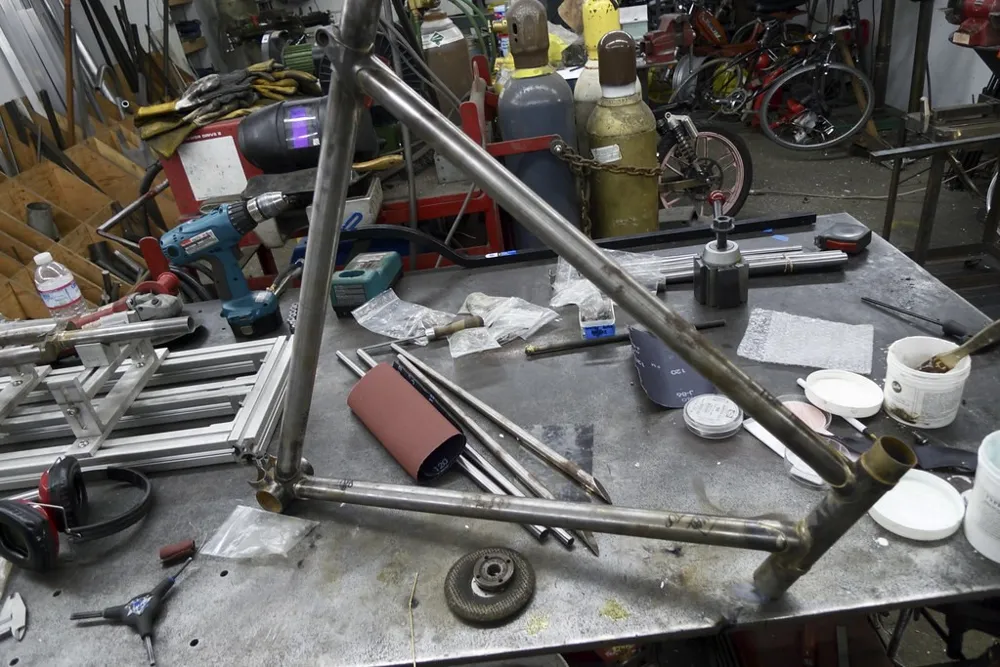
Most mountain bikes from major brands, whether the company is based in the US, Canada or Europe, are manufactured in Asia, mainly in Taiwan, where factories build frames for many brands at once. Giant is both a brand and one of those manufacturers, and it has built bikes for other companies since the 1970s. Commencal, for example, says its bikes are made in Taiwan, and Polygon builds its own bikes in Indonesia.
Some brands do more of the work closer to home. Pivot has built prototypes and assembled bikes in-house in Tempe, Arizona, and Santa Cruz has hand-assembled bikes at its California base. Small custom and boutique builders in North America and Europe still weld steel, titanium and aluminum frames by hand.
Where a bike is made tells you less than its geometry, suspension and build kit. Frames from the same factory can ride very differently depending on how each brand designs them.
Bike Shop or Direct-to-Consumer?
How a brand sells its bikes affects your total cost and the help you get after the sale.
| Bike Shop Brands | Direct-to-Consumer Brands | |
|---|---|---|
| Examples | Trek, Specialized, Giant, Santa Cruz, Yeti, Rocky Mountain | Canyon, Commencal, YT, Polygon |
| Sizing | Test ride and fit help in store | Use the brand's size calculator and geometry charts |
| Assembly | Done by the shop | You finish assembly, or pay a shop |
| Spec for the money | Usually lower | Usually higher |
| Warranty claims | Handled through the dealer | Handled with the brand, often by shipping parts |
| Demo bikes | Often available at shops and demo days | Limited demo programs |
Many brands now do both: Trek, Specialized and Transition, for example, sell online as well as through shops. If you buy direct, budget for a shop to check the build, and use our mountain bike size chart as a starting point before checking the brand's own chart.
How to Choose a Mountain Bike Brand
- Start with the type of bike. Cross-country, trail, enduro, downhill or e-MTB matters more than the badge. See types of mountain bikes and hardtail vs full suspension.
- Check the dealer network. A local shop that stocks the brand makes test rides, setup and warranty service much easier.
- Compare warranties. Many brands offer lifetime frame warranties for the original owner, sometimes with registration rules, while components and suspension carry shorter coverage. Read each brand's current terms.
- Look at fit and sizing. Geometry varies between brands. Some brands, such as Ibis, size bikes to fit shorter riders, and Specialized uses its own S1 to S6 sizing; check the stack, reach and standover for your height.
- Pick the wheel size. Many adult trail bikes now use 29-inch wheels or a mixed "mullet" setup; see mountain bike wheel sizes.
- Compare the build, not just the frame. Two bikes on the same frame can have very different forks, brakes and drivetrains.
- Consider brand stability. Several brands changed owners or paused new models in 2024 to 2026. That doesn't make them bad bikes, but confirm parts and warranty support.
- Demo first. Brand demo days and bike parks are the best way to compare suspension feel.
Keep Exploring
Ready to shop? Compare models in our hardtail, full-suspension, electric mountain bike and kids' mountain bike guides. Into BMX too? See BMX brands. For more gear, skills and trail tips, browse the mountain biking guides.
Frequently Asked Questions
What is the best mountain bike brand?
There's no single best brand. Trek, Specialized, Giant, Santa Cruz, Yeti, Pivot, Ibis, Cannondale, Scott, Rocky Mountain, Norco, Kona, Transition, Canyon and others all make well-regarded bikes. The right bike depends on its type, suspension travel, fit and price, and on whether you can get it serviced near you.
What mountain bike brand is best for beginners?
Most big brands make entry-level hardtails, such as the Trek Marlin, Specialized Rockhopper, Giant Talon and Marin Bobcat Trail. Choose a bike that fits, has hydraulic disc brakes and comes from a shop or seller that can help with setup.
Who owns Santa Cruz, Cannondale and GT?
All three belong to the Dutch group Pon Holdings. Pon bought Santa Cruz in 2015 and added Cannondale, GT, Schwinn and Mongoose when it bought Dorel Sports, a deal announced in 2021 and expected to close in early 2022.
Are Walmart mountain bike brands any good?
Department-store brands such as Huffy, Ozark Trail, Hyper and some Mongoose and Schwinn models are fine for paths and easy dirt roads, but most use heavier frames and basic parts that are not built for regular trail riding.
Are direct-to-consumer mountain bikes good?
Brands such as Canyon, Commencal and Polygon can offer strong specs for the money because they sell online. The trade-off is that you assemble and size the bike yourself, and warranty claims go through the brand instead of a local shop.
Which mountain bike brands are made in the USA?
Most mountain bikes from major brands are built in Asia, mainly Taiwan, even when the company is American. A few brands assemble some bikes or build some frames in the US, so check where a specific model is made.
Is GT still making mountain bikes?
In December 2024, GT said it was pausing new product releases and cutting staff, while continuing to sell existing inventory through 2025. Check GT's website or a dealer for what is currently available.