Best Fat Bikes for Riding Snow, Sand and Rough Trails (2026)
Budget fat bikes you can order online, popular shop models and how tire width and pressure make fat biking work.
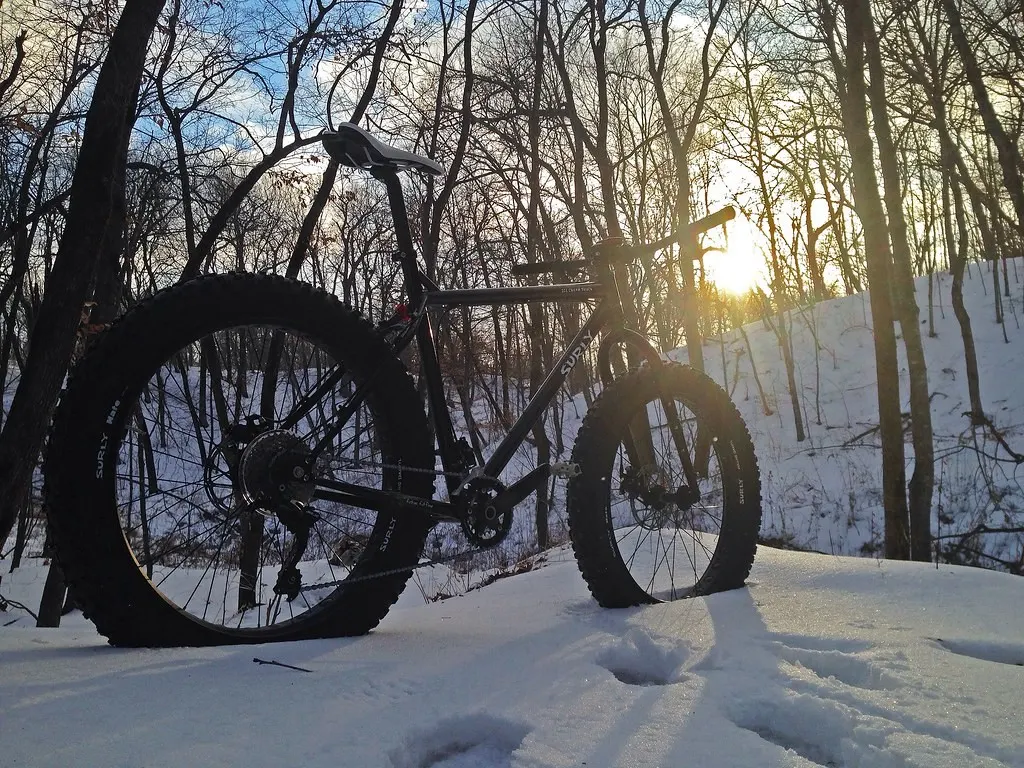
What Makes a Fat Bike Different?
Fat bikes use extra-wide tires, typically around 4 inches or more, run at very low pressure. That big footprint floats over snow and sand where normal tires sink, and grips roots and rocks on regular trails. Fat bikes are heavier and slower on pavement, but they extend the riding season into winter and open up beaches and soft trails. Most quality fat bikes are sold through bike shops; a few budget models are available online. For fat-tire e-bikes, see electric bikes.
Mongoose Dolomite
Best budget fat bike
- 26-inch fat tires
- Steel frame
- Listed for riders 5'4" to 6'
Mongoose Argus
Best for kids and smaller riders
- 20, 24 or 26-inch versions
- Aluminum frame
- Fat tires for traction
Fat Bikes Compared
| Bike | Where to Buy | Best For |
|---|---|---|
| Mongoose Dolomite | Online | Budget adult fat bike |
| Mongoose Argus | Online | Kids and smaller riders |
| Trek Farley | Bike shops | Trail and snow riding |
| Salsa Mukluk | Bike shops | Bikepacking and snow |
| Surly Ice Cream Truck | Bike shops | Deep snow and sand |
Fat Bikes You Can Buy Online
1. Mongoose Dolomite
The Dolomite is a budget fat bike with a steel frame, supersized knobby tires and 26-inch wheels. Mongoose lists it for riders about 5'4" to 6' tall.
Good to Know
- Affordable entry to fat biking
- Grippy tires
Watch Out For
- Heavy steel frame
2. Mongoose Argus
The Argus comes in 20, 24 and 26-inch versions with an aluminum frame, making fat biking accessible to kids and smaller riders as well as adults.
Check Price on AmazonBike Shop Fat Bikes
Well-known fat bikes include the Trek Farley, Salsa Mukluk and Beargrease, and Surly's Ice Cream Truck and Wednesday. These are sold through dealers, often with lighter frames, better components and wider tire clearance.
Tire Width and Pressure
| Condition | Typical Tire Width | Typical Pressure |
|---|---|---|
| Packed snow and trails | About 3.8–4.5" | About 6–10 psi |
| Soft snow and sand | About 4.5–5" | About 4–7 psi |
| Dirt trails | About 3.8–4.5" | About 8–12 psi |
These are rough starting points; check your tire's recommended range.
How to Choose a Fat Bike
- Frame material: aluminum and carbon are lighter than steel.
- Tire clearance: more clearance allows wider tires for soft snow.
- Gearing: low gears make heavy tires easier to pedal.
- Brakes: disc brakes work far better in snow.
- Suspension: most fat bikes are rigid; some have suspension forks.
- Size: use the maker's chart; see our size chart.
Winter Riding Tips
- Drop tire pressure until the bike floats without squirming.
- Ride groomed or packed trails where allowed.
- Dress in layers and protect hands and feet.
- Use lights; winter days are short. See mountain bike lights.
- Respect trail closures to avoid damaging soft trails.
Compare other mountain bikes in types of mountain bikes.
Frequently Asked Questions
What is a fat bike?
A mountain bike with very wide tires, usually about 3.8 to 5 inches, run at low pressure so they float over snow and sand.
Are fat bikes good for regular trails?
Yes, they're grippy and stable, though heavier and slower than standard mountain bikes. Some riders love them year-round.
What tire pressure should I run on a fat bike?
Very low: often around 5 to 10 psi for snow and sand, and higher on dirt. Experiment within the tire maker's range.
Are fat bikes hard to pedal?
They take more effort than standard bikes because of tire weight and rolling resistance, but low gearing helps.
Do I need a special rack for a fat bike?
Many racks need fat-tire straps or trays. Check the rack's tire width limit.