Mountain Bike Tire Pressure: How Much PSI? (2026)
The right pressure gives grip, comfort and fewer flats. Here's a starting chart and how to fine-tune it for your trails.
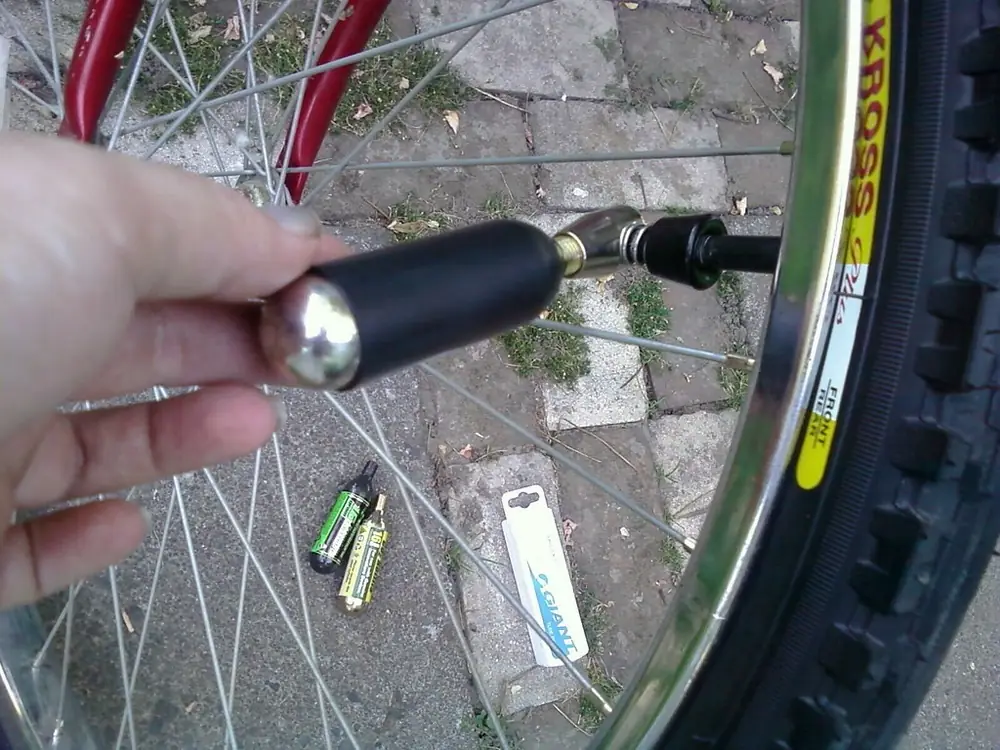
Why Tire Pressure Matters
On a mountain bike, tire pressure changes everything. Lower pressure gives more grip and comfort but risks pinch flats, rim damage and a squirmy feel. Higher pressure rolls faster and resists flats but bounces and slides on rough ground. The right number depends on your weight, tire width, whether you run tubes or tubeless and your terrain. Always stay within the minimum and maximum printed on your tire sidewall and rim.
Starting Pressure Chart
Use this as a starting point for 2.3–2.5" trail tires, then fine-tune on the trail.
| Rider Weight | Tubeless (Front / Rear) | With Tubes (Front / Rear) |
|---|---|---|
| Under about 130 lb | About 18 / 20 PSI | About 24 / 26 PSI |
| About 130–160 lb | About 20 / 23 PSI | About 26 / 29 PSI |
| About 160–190 lb | About 22 / 25 PSI | About 28 / 31 PSI |
| About 190–220 lb | About 24 / 28 PSI | About 30 / 33 PSI |
| Over about 220 lb | About 26 / 30 PSI | About 32 / 35 PSI |
These are typical starting ranges, not rules. Wider tires generally need less pressure; narrower tires need more.
Pressure by Tire Type
| Tire | Typical Range |
|---|---|
| Cross-country (2.1–2.3") | About 22–30 PSI |
| Trail and enduro (2.3–2.6") | About 18–28 PSI |
| Plus tires (2.8–3.0") | About 12–18 PSI |
| Fat bike (4"+) | About 5–15 PSI |
How to Fine-Tune
- Tire feels squirmy or folds in corners: add 1–2 PSI.
- Rim hitting rocks or pinch flats: add pressure or consider tire inserts.
- Bouncy, sliding on roots and rocks: drop 1–2 PSI.
- Wet, muddy or loose trails: slightly lower for grip.
- Smooth, fast trails: slightly higher for speed.
Change one thing at a time and ride the same section to compare.
Tubeless vs Tubes
Tubeless setups can't pinch flat like tubes, and sealant plugs small punctures, so most riders run a few PSI lower for more grip. If you still use tubes, keep pressure a bit higher to avoid pinch flats.
How to Check Pressure Accurately
- Use a digital gauge or a good floor pump gauge; small hand pumps are rarely accurate.
- Check before every ride.
- Use the same gauge each time so readings are consistent.
Tools
Topeak SmartGauge D2
A digital gauge that reads up to 250 PSI, with a rotating head for Presta and Schrader valves and a display in psi, bar or kg/cm².
Check Price on AmazonTopeak JoeBlow Sport III
A steel floor pump with a 3-inch gauge, up to 160 PSI and a TwinHead DX5 that fits Presta, Schrader and Dunlop valves.
Check Price on AmazonNot sure about valves? See Presta vs Schrader. Need new rubber? See mountain bike tires.
Frequently Asked Questions
What PSI should my mountain bike tires be?
Many trail riders start somewhere around 20 to 30 PSI, depending on weight, tire width and whether they run tubeless. Stay within the tire's and rim's printed limits.
Should the rear tire have more pressure than the front?
Usually yes, by about 2 to 4 PSI, because more of your weight sits over the rear wheel.
Can I run lower pressure with tubeless?
Yes. Tubeless tires can't pinch flat the way tubes do, so many riders run a few PSI lower for more grip.
How often should I check tire pressure?
Before every ride. Tires slowly lose air, especially tubeless setups.
What happens if my tire pressure is too low?
You risk pinch flats, rim damage and a squirmy, unstable feel in corners.