What to Wear Mountain Biking, From Jerseys to Rain Pants (2026)
Trail jerseys, baggies, liners, pants and jackets from POC, Fox, Troy Lee Designs, Endura and more, plus how to dress for any season.
What to Wear Mountain Biking: The Quick Answer
Mountain bike clothing has a different job from road cycling kit. It has to breathe on long climbs, cope with branches, mud and the occasional crash, and leave room for knee pads. Most trail riders end up with the same basic outfit:
- A loose jersey in synthetic or merino fabric, in short, 3/4 or long sleeves.
- Baggy shorts (often called "baggies") over a padded liner or chamois short.
- Pants instead of shorts for cold, wet, brushy or bike park days.
- A packable wind or rain jacket for changeable weather, plus a base layer when it gets cold.
- Riding socks that wick sweat, then gloves, shoes, a helmet and pads, which have their own guides.
Cross-country racers often wear tight Lycra kit instead, but trail, enduro and downhill riders usually prefer baggy clothes over a padded liner. Our picks below cover the core pieces for men and women.
POC Essential Enduro Shorts
Best trail baggies
- Stretch-woven nylon with DWR
- 13.5-inch inseam, room for pads
- Velcro hip adjusters
POC Resistance Enduro 3/4 Jersey
Best protective jersey
- 3/4 sleeves in Cordura
- Mesh underarms and back
- Men's and women's versions
Fox Ranger Lined Shorts (Women's)
Best shorts with a liner
- Padded chamois liner included
- 12-inch inseam, DWR fabric
- Zippered leg pocket
Mountain Bike Clothing Compared
| Product | Type | Fit or Inseam | Fabric | Key Features |
|---|---|---|---|---|
| POC Essential Enduro Shorts | Baggy shorts | 13.5" inseam | Stretch-woven nylon, DWR | Velcro hip adjusters, room for pads |
| POC Resistance Enduro 3/4 | Jersey (M and W) | Relaxed, 3/4 sleeve | Cordura sleeves, mesh panels | Abrasion-resistant sleeves, pockets |
| Fox Ranger Lined (Women's) | Baggies with liner | 12" inseam | Polyester/spandex, DWR | Chamois liner included |
| Outdoor Research Freewheel | Baggy shorts (M) | 12" inseam | 88% nylon, 12% spandex, DWR | Laser-cut vents, knee overlays |
| Wild Rye Freel | Baggy shorts (W) | 12" inseam, sizes 0–18 | 88% nylon, 12% spandex, UPF 50 | Zippered leg pocket |
| Shredly Biker Cham 2.0 | Chamois short (W) | 7" inseam, XS–3X | Nylon/spandex | Two thigh pockets |
| Endura Hummvee with Liner | Baggies with liner | Regular cut | Rugged woven fabric | Padded liner, webbing belt |
| 100% Ridecamp | Jersey | Short sleeve | 100% polyester mesh | Built-in goggle wipe |
| Troy Lee Designs Skyline Air | Jersey | Short sleeve, dropped hem | bluesign-approved fabrics | Lens wipe |
| Fox Ranger Pants | Pants | Trail fit | 4-way stretch, DWR | Ratchet waist closure |
| Specialized Trail Pants | Pants | Trail fit | VapoRise stretch, water-repellent | Three zip pockets, ratchet buckle |
Details are from maker and retailer listings as reported in published spec tables. Colors, versions and size ranges change each season, so check the current listing before you buy.
The Best Mountain Bike Clothing
1. POC Essential Enduro Shorts
A straightforward trail baggy in stretch-woven nylon with a DWR finish, a 13.5-inch inseam and a dropped knee that overlaps knee pads. It has two zippered hip pockets, a ventilated elastic waistband, external Velcro hip adjusters and generous leg openings for pads. Sizes run from XS to XXL. No liner is listed, so pair them with a chamois short of your choice.
Good to Know
- Long, pad-friendly cut
- Simple, adjustable waist
Watch Out For
- Liner sold separately
- Longer inseam can feel warm in high summer
2. POC Resistance Enduro 3/4 Jersey
A protective enduro jersey with 3/4-length sleeves in Cordura, a tough fabric that resists abrasion when you slide out, plus mesh underarm and back panels for airflow. The relaxed cut leaves room for elbow pads, and it has drop-in pockets. It comes in men's and women's versions, and suits rocky trails, bike parks and anyone who wants more arm coverage without a full long sleeve.
Good to Know
- Durable sleeves
- Room for elbow pads
- Men's and women's cuts
Watch Out For
- Premium price tier
- Warmer than a mesh tee
The women's version was listed as unavailable on Amazon when we checked (November 2026); check POC or bike retailers.
3. Fox Ranger Lined Shorts (Women's)
Fox's Ranger is one of the best-known trail lines, and the lined version takes the guesswork out of a first kit: a padded chamois liner comes included with the baggy. The women's short has a 12-inch inseam, a DWR-treated polyester and spandex blend, two hand pockets and a zippered leg pocket, in sizes XS to XL. Fox also sells men's Ranger shorts with lightweight fabric, mesh-lined zip pockets and a webbing-and-buckle waist.
Good to Know
- Liner and baggy in one buy
- Pocket for a phone
Watch Out For
- Included liners are usually thinner than premium standalone chamois
4. Outdoor Research Freewheel MTB Ride Shorts (Men's)
A lightweight men's trail short in bluesign-approved 88% nylon, 12% spandex with a DWR treatment and a 12-inch inseam. Details include a snap closure, waist adjusters, two zippered hip pockets, abrasion-resistant overlays on the outside of the knee and laser-cut vent holes below the rear waistband. Waist sizes run from 28 to 42.
Good to Know
- Wide waist size range
- Venting for hot climbs
Watch Out For
- No liner included
5. Wild Rye Freel Bike Short (Women's)
Wild Rye designs riding clothes specifically for women. The Freel uses a stretchy 88% nylon, 12% spandex fabric with UPF 50 sun protection and a DWR finish, a 12-inch inseam, two hand pockets and a zippered leg pocket. Sizes run from 0 to 18. It has belt loops rather than built-in waist adjusters, and no liner, so add your own chamois.
Good to Know
- Women-specific cut
- UPF 50 fabric
Watch Out For
- No waist adjusters
- Liner sold separately
6. Shredly Biker Cham 2.0 (Women's)
A standalone padded chamois short with a 7-inch inseam and two thigh stash pockets, in a nylon and spandex blend. It can be worn alone or under baggies. The size range runs from XS to 3X, wider than many brands, which makes it a useful option for plus-size riders.
Good to Know
- Extended sizing
- Works alone or as a liner
Watch Out For
- Short inseam may ride up for some riders
7. Endura Hummvee Shorts with Liner
Endura's long-running Hummvee pairs a rugged baggy with a padded liner included, zipped thigh pockets and a webbing belt at the waist. Endura sells men's and women's versions, plus lighter and 3/4-length variants. A practical choice if you want one durable, all-in-one short for everyday trail riding.
Good to Know
- Liner included
- Tough fabric
Watch Out For
- Heavier than lightweight trail shorts
8. 100% Ridecamp Jersey
A simple, light trail tee in 100% polyester mesh with a built-in goggle wipe, in sizes S to XL. It's one of the more affordable MTB-specific jerseys and a good first upgrade from a cotton T-shirt. 100% also makes the Ridecamp glove.
Good to Know
- Budget tier
- Light and airy
Watch Out For
- Short sleeves give little arm coverage
9. Troy Lee Designs Skyline Air Jersey
A breathable short-sleeve trail jersey made from bluesign-approved fabrics, with a dropped rear hem that stays covered when you lean forward and an integrated lens wipe. Sizes run from S to XXL. Troy Lee Designs also makes matching Skyline shorts and pants.
Good to Know
- Long back hem
- Lens wipe
Watch Out For
- Premium price tier for a tee
10. Fox Ranger Pants
Fox's trail pant uses 4-way stretch, lightweight fabric with a DWR finish for splashes and light showers, a ratchet waist closure and two zipped pockets. It's a common choice for cool-weather trail riding and covering knee pads. Kids' and women's Ranger pants are also sold.
Good to Know
- Stretchy and pedal-friendly
- Easy ratchet adjustment
Watch Out For
- Water-resistant, not waterproof
11. Specialized Trail Pants
Specialized's trail pant uses its VapoRise stretch fabric with a water-repellent treatment, three zipped pockets and a ratchet buckle waist. A good fit for riders who want secure pockets for a phone and keys without a hip pack.
Good to Know
- Three zip pockets
- Adjustable buckle
Watch Out For
- Not designed for heavy rain
Also Worth a Look
Pearl Izumi sells the Summit short in shell and lined versions and the Canyon Tech Snap button-up jersey (73% recycled polyester, 18% polyester, 9% elastane). Patagonia's Dirt Roamer shorts use a lightweight, high-stretch DWR fabric with side micro-adjusters, and its Merino Blend 3/4 Sleeve jersey suits cooler days. Fox's Flexair Pro jersey is 100% polyester with bonded neck, sleeve and hem edges. On a tight budget, Baleaf sells padded MTB liner shorts that can go under any pair of baggies. Brands such as Dakine, Endura and Troy Lee Designs also make full trail lines worth comparing.
Mountain Bike Jerseys: Sleeves, Fabric and Fit
A mountain bike jersey is basically a technical T-shirt built for riding. Compared with a cotton tee, it dries faster, doesn't sag when wet and usually has a longer back so you stay covered when leaning over the bars.
Sleeve Length
- Short sleeve: coolest and most popular for summer trail rides.
- 3/4 sleeve: extra arm coverage for scrapes and sun, often with room for elbow pads. Popular for enduro.
- Long sleeve: best for sun protection, brushy trails, bike parks and cooler days. Downhill jerseys are usually long-sleeved and cut loose enough for body armor.
- Tank tops and button-up shirts: tanks run coolest but give no shoulder coverage under pack straps; snap or button-up trail shirts look casual off the bike.
Synthetic or Merino
Polyester and polyester-spandex blends are light, quick-drying, tough and affordable; many now use recycled polyester. Some have antimicrobial treatments to slow odor. Merino wool and merino blends resist odor across several wears and stay comfortable over a wider range of temperatures, but they cost more and are less abrasion-resistant. Some jerseys blend the two. Mixed-fabric designs put mesh under the arms and on the back for airflow, with tougher panels on the shoulders and sleeves where pack straps rub and crashes happen.
Fit and Details
- Cut: trail jerseys are relaxed rather than tight, but not so baggy they flap or snag. Shaped panels that follow your riding position usually feel better than a straight-cut tee.
- Dropped hem: a longer back stops the jersey riding up when you're bent over the bike.
- Seams: flatlock or bonded seams and raglan sleeves reduce rubbing under a pack.
- Extras: a lens or goggle wipe, a small zip pocket or drop pockets. XC jerseys often keep road-style rear pockets.
- Sun rating: some jerseys list a UPF rating; UPF 50 is the top rating on many labels. Fabric without a rating may offer much less protection, especially thin mesh.
Mountain Bike Shorts: Baggies, Liners and Chamois
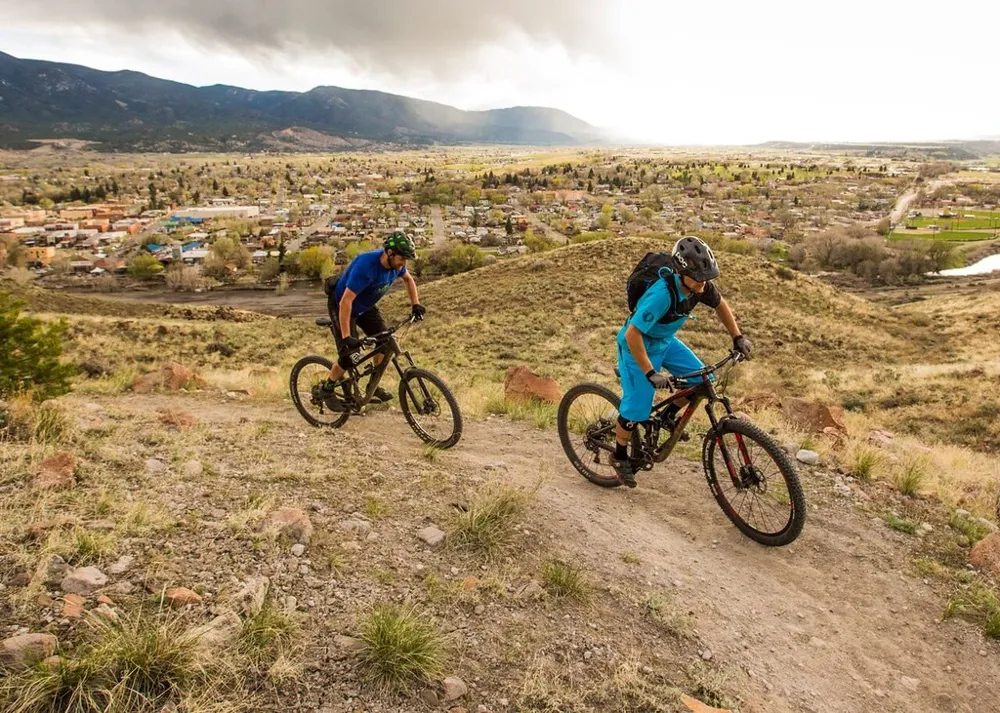
Mountain bike shorts usually come as two layers: a stretchy, padded liner next to the skin and a looser, tougher baggy over the top. You can buy them as a set or separately.
Baggy Shorts
Baggies are usually around knee length, made from stretch or tear-resistant woven fabric, and cut so the hem sits over the top of knee pads. Look for:
- Fabric to match your riding: lightweight and stretchy for cross-country and long climbs, heavier and more abrasion-resistant for gravity and bike parks, something in between for trail and enduro.
- Inseam: commonly about 10 to 14 inches for trail shorts; some brands offer two lengths. Longer shorts cover pads better; shorter ones run cooler.
- Waist adjustment: Velcro tabs, a ratchet buckle, a webbing belt or belt loops. Silicone grippers inside the waistband help stop baggies sliding down over a liner.
- Pockets: at least one zippered pocket for keys or a phone, placed where it won't bounce against your leg on the pedal stroke.
- Venting: perforations or zip vents help on hot climbs.
- DWR: a water-repellent finish sheds splashes and light rain, but wears off and needs renewing.
Liner Shorts and Bib Liners
Liner shorts are tight, stretchy shorts with a padded chamois sewn in. Mountain bike liners are often lighter and more breathable than road shorts, sometimes with mesh legs and hip pockets. Bib liners add shoulder straps so nothing slips or digs in at the waist; they're popular for long rides. Some riders wear full Lycra bib shorts on their own, especially for cross-country and racing. You can also wear baggies without a liner on short rides, but you'll lose the padding and the friction-free layer between you and the saddle.
Chamois Basics
The chamois (pronounced "shammy") is the pad in your liner or cycling shorts. It cushions the sit bones and, just as importantly, reduces friction and wicks sweat. A few rules make a big difference:
- Wear it next to the skin. Don't wear underwear under a chamois; extra seams rub and trap moisture.
- Thicker isn't always better. A medium pad usually suits trail riding, where you move around and stand a lot. Long cross-country days may suit denser padding.
- Snug fit. A liner should be snug so the pad doesn't shift and cause chafing; the legs should stay put without cutting in.
- Women-specific pads are shaped differently from men's; choose the version that matches your anatomy.
- Chamois cream is an anti-friction cream applied to the skin or pad before longer rides to help prevent chafing and saddle sores.
- Change after the ride. Get out of a damp chamois soon after riding, and wash it after every use.
Padding works together with your saddle; see our bike saddle guide for width and shape.
Mountain Bike Pants
Riding pants have become far more common than they were. They protect your legs from brush, roots and crashes, keep mud and spray off, and add warmth in cool weather. Bike park and downhill riders often wear them year-round because they cover knee pads and shin guards.
- Cut: close enough not to flap or catch on the chainring, with articulated knees and enough room to wear knee pads underneath. Tapered or adjustable ankles keep the hems away from the drivetrain.
- Weight: lightweight summer pants (such as Troy Lee Designs' Skyline Superlyte) suit mild weather; fleece-lined pants (such as the Skyline Chill) add warmth in winter but aren't meant for wet conditions.
- Water resistance: most trail pants are stretchy softshell with a DWR coating that handles splashes and light showers. For real rain, choose fully waterproof hardshell pants such as Endura's MT500 Waterproof Trousers, which trade some breathability for protection.
- Waist and pockets: ratchet buckles, Velcro or webbing let you dial the fit, and silicone grippers stop pants slipping. Zipped pockets should be big enough for a phone.
- Venting: perforations or zip vents help on climbs.
Some brands also sell 3/4-length shorts or knickers that end below the knee, and riding bib trousers that rise higher at the back to block spray from the rear wheel.
Rain and Wind Jackets
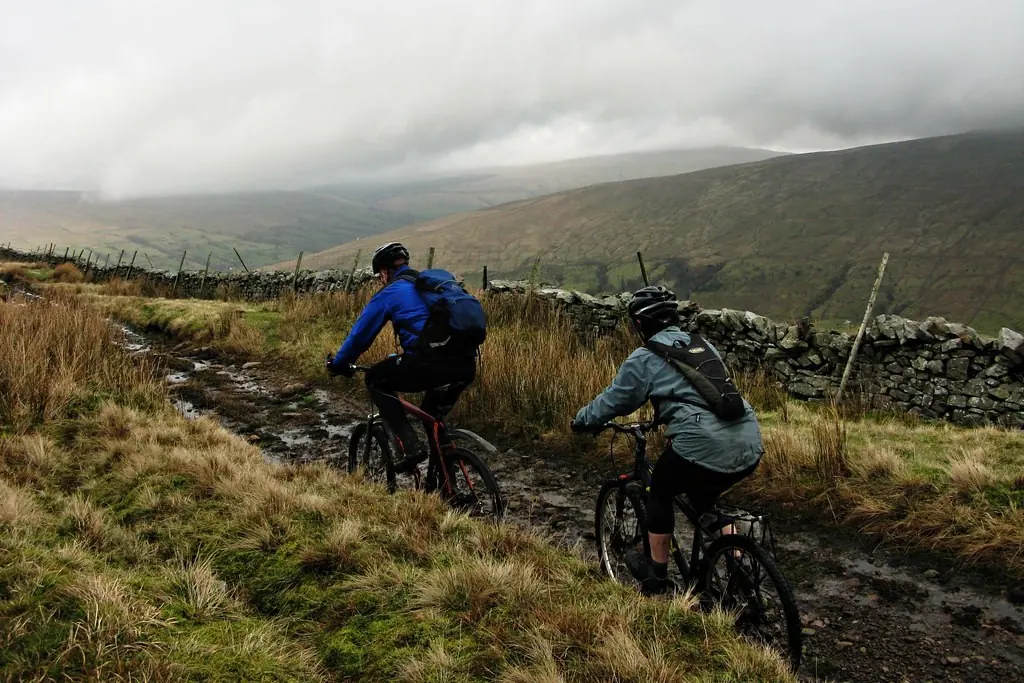
A jacket you can stuff in a pack or hip bag is the piece most likely to save a ride when the weather turns. There are three main types:
| Type | Best For | Trade-Off |
|---|---|---|
| Wind shell | Cool descents, light drizzle, carrying "just in case" | Water-resistant only; very packable and breathable |
| Softshell or insulated hybrid | Cold, dry rides | Warmer and stretchier, but bulkier and not fully waterproof |
| Waterproof hardshell | Rain, wet winters, muddy trails | Best protection; runs warmer, so look for vents |
A mountain bike jacket differs from a hiking shell in a few ways: a hood that fits over a helmet (or packs away), a longer back to block spray, articulated arms for the riding position, a looser cut that works over pads, and abrasion-resistant shoulders for packs. Look for pit zips or vents and taped seams on waterproof models. Examples include Endura's MT500 Waterproof Jacket II and Patagonia's Dirt Roamer Storm jacket. For the wettest rides, a few brands also make one-piece waterproof riding suits.
Base Layers and Socks
Base layers sit under the jersey in cool weather. A thin merino or synthetic top wicks sweat away so you don't get chilled on the descent after a hard climb. Avoid cotton, which holds moisture. Thermal tights or knee warmers under baggies extend shorts season, and leg warmers can come off mid-ride.
Socks are easy to overlook. Choose synthetic or merino socks with a bit of cushion, and avoid cotton. Taller crew socks protect your shins and calves from pedal pins, brush and poison ivy. Use light, breathable socks in summer, thicker merino socks in winter, and consider waterproof socks for wet seasons. Riders with clipless shoes can add overshoes in cold rain. For shoes themselves, see mountain bike shoes.
Women's Mountain Bike Clothing
Women's riding clothes are cut for different hip, waist and torso proportions, and women-specific chamois pads are shaped differently from men's. Points worth checking:
- Rise and waistband: a higher, wider waistband that doesn't pinch or roll is often more comfortable, especially on chamois shorts.
- Inseam choices: women's baggies range from short 7-inch styles to 12 inches or longer. Chamois liners typically end between mid-thigh and just above the knee; baggies usually land at or just above the knee.
- Leg grippers: silicone beading at the leg opening keeps liners from riding up.
- Size range: some women-focused brands, such as Shredly and Wild Rye, offer wider size runs (Shredly's Biker Cham 2.0 goes up to 3X, Wild Rye's Freel to size 18).
- Bib or waist liner: bib liners stay put on long rides, but waist-style liners are quicker for bathroom stops, so many women prefer them.
Many of the big brands, including Fox, POC and Endura, make women's versions of their main lines. If you're shopping for a bike as well, see women's mountain bikes.
How to Layer by Season and Temperature
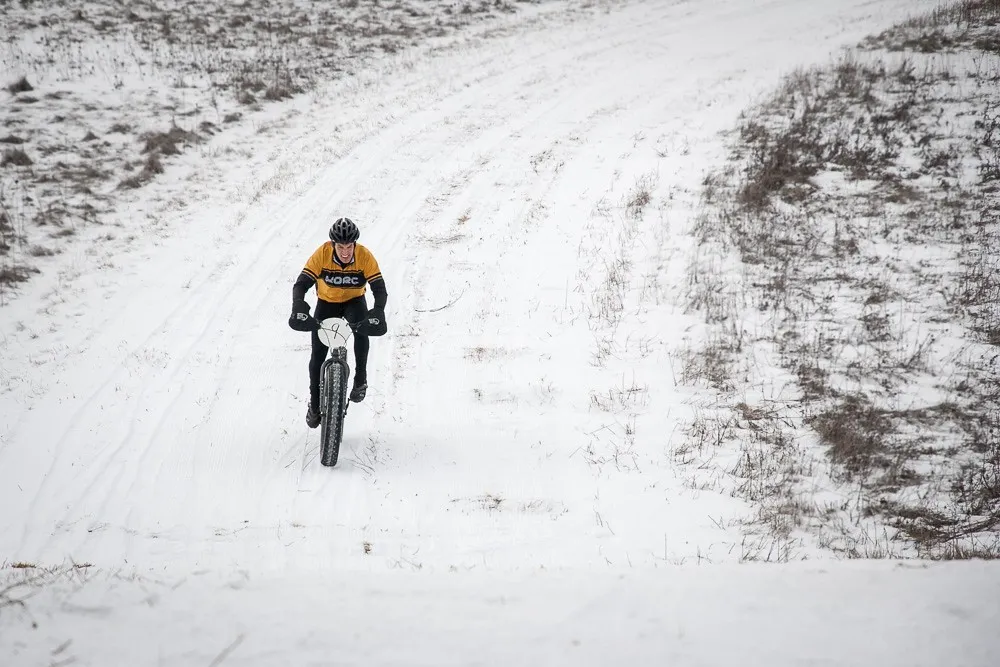
Mountain biking alternates hard climbs with fast, windy descents, so dress to be slightly cool at the trailhead. You'll warm up within minutes of pedaling. Use layers you can add or remove rather than one heavy jacket.
| Conditions | Top | Bottom | Extras |
|---|---|---|---|
| Hot summer | Light mesh or vented short-sleeve jersey, or a long-sleeve sun jersey | Light, vented baggies over a liner | Thin socks, sunscreen, extra water |
| Mild spring or fall | Short or 3/4-sleeve jersey; wind shell in the pack | Baggies over a liner | Light full-finger gloves |
| Cool and damp | Thin base layer plus jersey, wind or rain shell | Trail pants, or baggies with knee warmers | Merino socks, warmer gloves |
| Cold and dry | Merino base layer, long-sleeve jersey, softshell or insulated jacket | Fleece-lined pants or thermal tights under baggies | Thin cap under the helmet, winter gloves and shoes |
| Wet and muddy | Base layer, waterproof hardshell jacket | Waterproof pants | Waterproof socks or overshoes, spare dry layer |
| Snow (fat biking) | Base and mid layer, windproof or insulated shell | Insulated or softshell pants | Warm boots, neck gaiter, insulated gloves or pogies |
On cold rides, the descent is where you lose heat, so pull on a layer at the top before you drop in. Riding in snow? See our fat bike guide.
Visibility and Sun Protection
Bright colors make you easier to spot for other trail users and are a sensible choice in places where hunting seasons overlap with riding seasons; check local rules on blaze orange where you ride. On roads to and from the trailhead, reflective details and lights help; see mountain bike lights for night rides.
For sun, long-sleeve jerseys with a listed UPF rating protect arms without sunscreen, and many riders wear a light neck gaiter or a helmet with a visor. Eye protection keeps out dust, bugs and branches; see cycling sunglasses.
How to Wash and Care for Riding Clothes
- Rinse off heavy mud before it goes in the machine, and close zips and Velcro tabs so they don't snag other clothes.
- Wash chamois liners after every ride, inside out, on a cool or warm gentle cycle with a mild detergent.
- Skip fabric softener, which can clog technical fabrics and reduce wicking, and avoid bleach.
- Line-dry liners and merino; high dryer heat can damage chamois pads and elastic. Check each label.
- Restore water-repellency on pants and jackets with a wash-in or spray-on DWR treatment when water stops beading.
- Patch small tears in baggies and pants early before they spread.
Merino tops can often go a couple of rides between washes; synthetic jerseys tend to hold odor sooner unless they have an antimicrobial treatment.
What to Wear on Your First Mountain Bike Ride
You don't need a full kit to try mountain biking. For a first ride, wear:
- A properly fitted helmet; this is the one item you shouldn't skip.
- A synthetic or merino T-shirt, not cotton if it's hot or damp.
- Stretchy athletic shorts or pants that don't catch on the saddle, ideally with padded liner shorts underneath.
- Athletic socks and flat-soled sneakers with grippy rubber (avoid deep-tread hiking boots on flat pedals).
- Full-finger gloves if you have them, plus sunglasses.
- A light jacket, water and a snack in a small pack.
If you start riding regularly, upgrade in this order: padded liner shorts, a pair of MTB gloves, riding shoes, then baggies, a jersey and knee pads. Find somewhere to ride in our best mountain bike trails guide or the mountain biking hub.
Gloves, Shoes, Helmets and Pads
Clothing is only part of the outfit. Each of these has its own guide, so here's the short version:
- Gloves: full-finger gloves are the norm on trails for grip and to protect your hands in a fall. Thin palms suit trail riding; knuckle guards suit enduro and downhill. See mountain bike gloves, or cycling gloves for padded road and fingerless styles.
- Shoes: flat-pedal shoes use sticky rubber that grips pedal pins; clipless shoes have recessed cleats with a tread for walking. See mountain bike shoes and pedals.
- Helmets: an open-face trail helmet suits most riders; full-face helmets are common for bike parks and downhill. Compare options in mountain bike helmets.
- Pads: knee pads range from light pedal-friendly sleeves to heavier knee-and-shin guards; your baggies or pants should fit over them. See mountain bike knee pads.
Shopping for someone else? Our gifts for mountain bikers list includes riding clothes and accessories.
Frequently Asked Questions
What should I wear for my first mountain bike ride?
A helmet, a synthetic or merino T-shirt, comfortable shorts you can pedal in, padded liner shorts if you have them, athletic socks, flat-soled shoes and gloves. Skip cotton if it's hot or wet, and bring a light jacket and water.
Do you wear underwear with padded bike shorts?
No. Chamois liners are designed to sit directly against the skin; underwear adds seams that can rub and trap moisture. Wash the liner after every ride.
Are mountain bike shorts worth it?
Baggy MTB shorts use stretchy, tougher fabric than gym shorts, with a cut that stays clear of the saddle, room for knee pads and zip pockets. For short, easy rides athletic shorts work; for regular riding, MTB shorts are more comfortable and last longer.
What is the difference between a mountain bike jersey and a road jersey?
Mountain bike jerseys are looser, often T-shirt-style tops in short, 3/4 or long sleeves with tougher panels for crashes and pack wear. Road jerseys are tight, with rear pockets for food and tools.
Should I wear pants or shorts for mountain biking?
Shorts with knee pads suit most warm-weather trail riding. Pants are better for cold, wet or muddy riding, brushy trails and bike parks, and to cover knee pads in a crash.
How often should I wash mountain bike clothing?
Wash chamois liners after every ride. Jerseys and baggies can go a ride or two between washes if they aren't muddy, with merino tops often lasting longer. Use cold or warm water, close zips and skip fabric softener.