Learn to Wheelie Any Bike, Step by Step (2026)
A wheelie keeps the front wheel up with pedal power while you sit and ride on the back wheel. Here's the setup, the technique and the brake habit that keeps it safe.
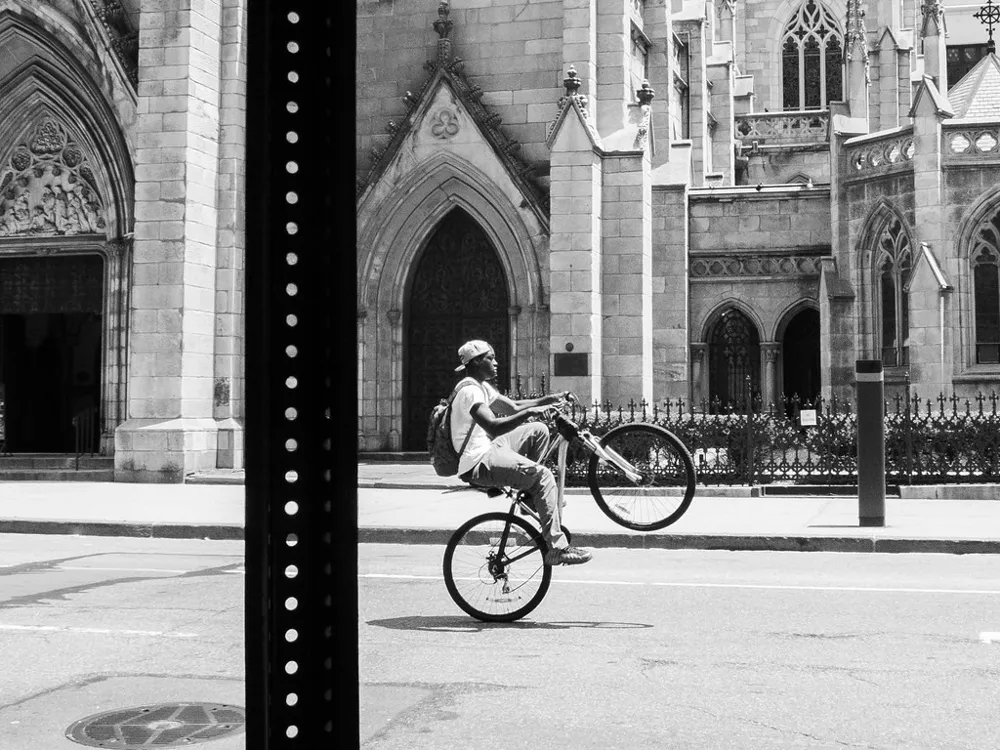
What Is a Wheelie?
A wheelie lifts the front wheel and keeps it up with pedal power, usually while seated. Each pedal stroke pushes the bike forward under you, and that forward drive is what holds the front end in the air. It differs from a manual, where you stand, stop pedaling and balance on the rear wheel using only body position. If you want to get both wheels off the ground to clear a log or curb, that's a bunny hop, which starts with a short front-wheel lift but is a different skill.
Beyond the fun, lifting the front wheel helps you roll up steps and over roots and teaches how your weight moves the bike.
Set Up Your Bike First
- Bike: almost any bike can wheelie, but a hardtail mountain bike, BMX or sturdy hybrid with wide, flat bars is easiest to learn on. Drop-bar road bikes work, but the low, stretched position makes it harder to lean back.
- Flat pedals: use flat pedals while learning so you can put your feet down or step off the back instantly. Clipless pedals can keep you attached in a backward fall.
- Saddle: drop the saddle a little below your normal riding height. It lowers your center of mass and makes sitting back easier.
- Gear: choose an easy-to-middle gear. On a 2x or 3x drivetrain, that usually means the small front chainring and a few cogs easier than your hardest rear gear. On a 1x bike, try the easier half of the cassette.
- Suspension: if your bike has a rear shock with a lockout or firm mode, use it.
- Rear brake: check that it works well and that you can reach the lever with one finger while holding the grip. See how to adjust bike brakes if it feels weak or grabby.
Where to Practice
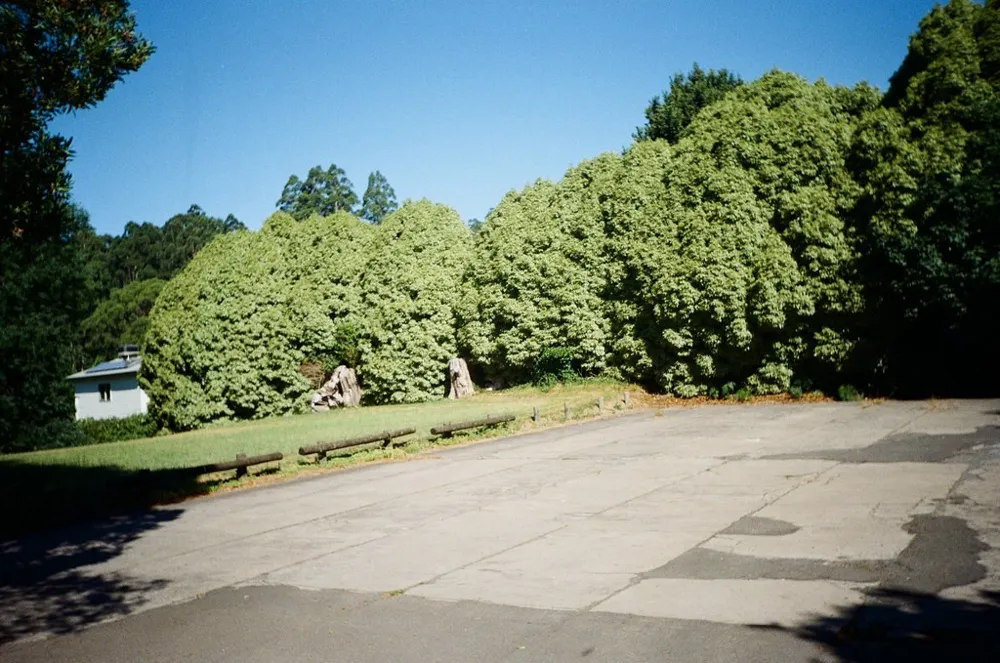
Pick a spot away from traffic, pedestrians and parked cars, with room to roll straight.
- Flat grass: the most forgiving surface for falls. It adds rolling resistance, so you'll need a slightly stronger pedal stroke.
- A gentle uphill: a slight slope slows the bike and helps the front wheel rise, which makes the first lifts easier.
- An empty paved lot or quiet park path: smoother and faster than grass, so it's better once you can already lift and save with the brake.
Avoid public roads and busy shared paths: when you wobble or bail, you need open space around you.
How to Wheelie a Bike, Step by Step
- Roll slowly. Ride in a straight line at about walking pace, seated, in your chosen gear.
- Cover the rear brake. Rest one or two fingers on the rear brake lever and keep them there the whole time.
- Set your strong foot. Bring your stronger foot to the top of the pedal stroke, roughly the 1 to 2 o'clock position.
- Crouch forward. Lower your chest slightly toward the bars with bent arms.
- Drive and lean back together. Push hard and sharply down on the pedal while moving your torso back so your arms straighten. The lift comes mostly from the pedal, not from yanking the bars; the wheel should be up by the bottom of the stroke.
- Keep pedaling. Once the wheel is up, pedal smoothly. Pedal a little harder if the front starts to drop; ease off if it rises too high.
- Use the brake to stop going over. If you feel yourself tipping back, dab the rear brake. A light touch brings the front wheel down.
- Look ahead. Keep your eyes forward, not on the front wheel.
- Land straight. When you're done, stop pedaling or dab the brake, and let the front wheel come down pointing straight ahead.
Expect first attempts to be short, one-stroke lifts. That's normal.
The Rear Brake Is Your Safety Net
The main risk is looping out: the front rises past the balance point and the bike goes over backward. A touch of rear brake slows the rear wheel so the front drops.
- Practice the save on purpose. Lift the front a bit too high, then dab the brake to bring it down. Repeat until it becomes a reflex, before you try longer wheelies.
- Use a light touch. A hard grab slams the front wheel down. A quick dab is usually enough.
- Practice the bail. Roll slowly, lift too high on purpose and step off the back of the bike with both feet, letting the bike go. Knowing you can land on your feet makes it easier to commit.
Finding the Balance Point
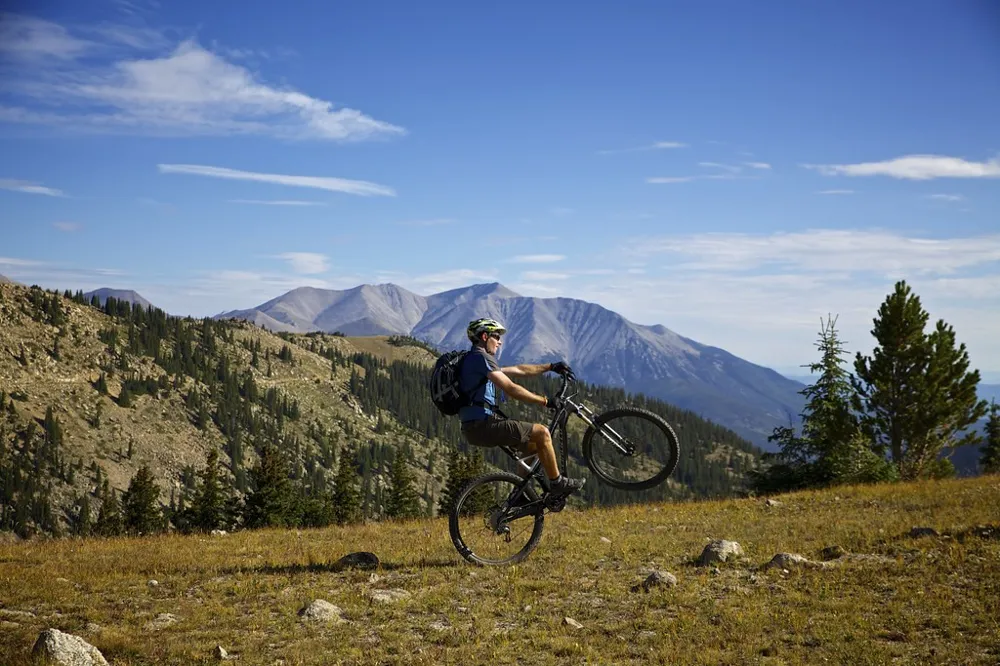
The balance point is where the front wheel stays up with steady, gentle pedaling and you don't feel yourself tipping back. It's higher than most riders expect.
- Front too low: pedal a little harder and lean back with straight arms.
- Front too high: ease off the pedals and dab the rear brake.
- Leaning left or right: stick the opposite knee out to counterbalance, or make small steering corrections with the bars. A wheelie is never perfectly still, so make small corrections early rather than big ones late.
- Stay relaxed: a death grip on the bars and stiff arms make side-to-side balance harder.
A friend can help: sit on the bike with the rear brake held on, lean back with straight arms, and have them lift the front until it feels balanced. It's usually higher than you'd guess.
Common Mistakes and Fixes
| Mistake | What happens | Fix |
|---|---|---|
| Pulling the bars with bent arms | Front pops up and drops right away | Lift with a sharp pedal stroke and lean back with straight arms |
| Gear too hard | Front won't come up | Shift to an easier gear |
| Gear too easy | Legs spin out and the wheel drops fast | Shift one or two gears harder |
| Slow, gradual push | Bike speeds up, wheel stays down | Make the first stroke a quick, committed burst |
| Stopping pedaling | Front wheel falls | Keep pedaling smoothly once the wheel is up |
| Leaning forward out of fear | Lift never reaches the balance point | Practice the brake save and bail until you trust them |
| Looking at the front wheel | Balance drifts | Pick a point ahead and look at it |
| Correcting too late | Bike falls to one side | Use small, early knee and bar corrections |
Drills to Progress
- Single-stroke lifts: lift the front with one pedal stroke, then let it down. Repeat many times to coordinate the pedal push and the lean back.
- Brake-save reps: lift slightly too high and dab the brake. Do a set every session.
- Bail practice: at low speed, step off the back on purpose so you know you can.
- Count the strokes: hold the wheelie for two pedal strokes, then three, adding one when it feels consistent.
- Distance markers: set two cones or sticks apart and try to wheelie between them, then move them further.
- Track stands: balancing the bike in place builds the side-to-side control a wheelie needs.
Short, frequent sessions beat one long one; tired legs make sloppy lifts.
Wheelies on Different Bikes
| Bike | What changes |
|---|---|
| Hardtail MTB | Easiest to learn on: flat bars, gears and a rear disc brake |
| Full-suspension MTB | Lock out or firm up the rear shock if you can |
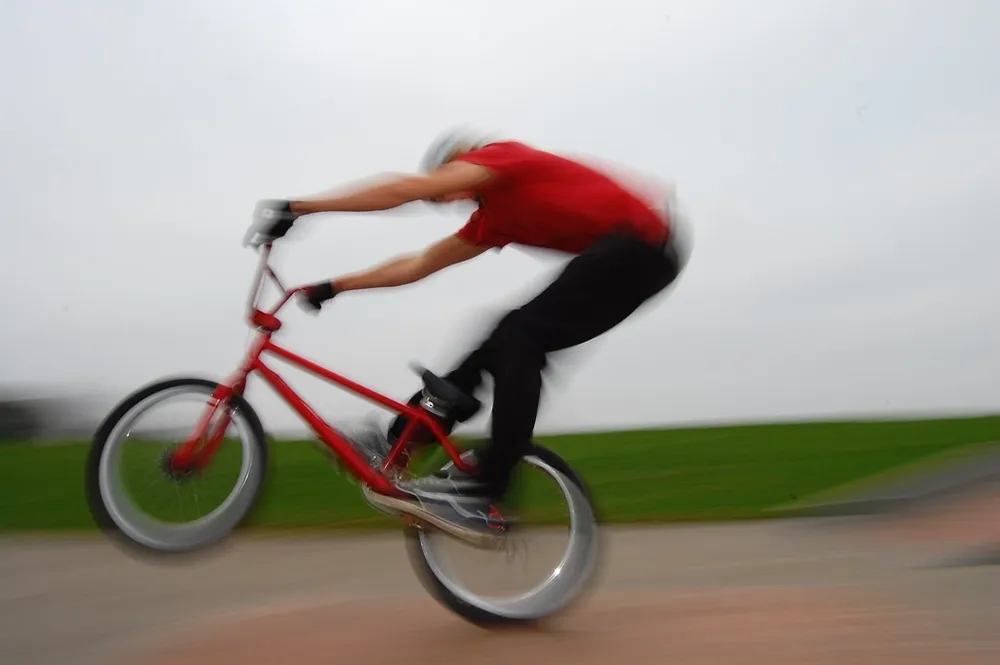
| BMX | Short and light, so the front lifts easily; single gear means you control lift with speed and stroke timing |
| Hybrid or commuter | Works well with flat bars; remove heavy loads from racks first |
| Road bike | Harder: drop bars and a stretched position limit how far you can lean back |
| E-bike | Heavier, and motor assist can add sudden drive |
BMX Wheelies
A BMX's low seat and short frame make the front easy to lift. With one gear, control the lift with a steady roll speed and a well-timed push. Many freestyle BMX bikes are set up brakeless. Without a rear brake, the only way to stop a loop-out is to step off the back, so beginners are better off learning with a working rear brake. For more first skills, see BMX tricks for beginners.
E-Bike Wheelies
Extra weight makes an electric bike harder to lift, and pedal assist can add unplanned power that pushes you past the balance point. If you try, start with assist off or on its lowest level, and keep your finger on the rear brake.
Safety Checklist
- Helmet, every time. Backward falls can mean hitting the back of your head. A well-fitting bike helmet is the minimum.
- Gloves and pads: cycling gloves protect your hands in a fall, and knee pads help while you learn the bail.
- Cover the rear brake from the moment you start rolling until the front wheel is down.
- Flat pedals and grippy shoes so your feet can come off instantly.
- Check the bike: brakes working, wheels and bars tight, tires inflated.
- Open space: no traffic, no crowds.
Minor scrapes are common when learning. Our guide on how to treat road rash covers basic first aid. For a suspected head injury or anything more than a minor scrape, see a medical professional.
How Long Does It Take to Learn?
It varies widely. Short lifts may come in the first session, while holding a long wheelie usually takes many sessions. Progress comes from repetition and from trusting the brake save enough to lift the front to the balance point.
What to Learn Next
Once you can wheelie for several pedal strokes, try lifting the front wheel onto a low curb or step. From there, the manual teaches you to hold the front up without pedaling, which is handy on the trail, and the bunny hop gets both wheels in the air. Browse more skills and gear in our mountain biking guides and BMX guides.
Frequently Asked Questions
Can you wheelie any bike?
Most bikes can wheelie, but some are easier to learn on. A mountain bike, BMX or sturdy hybrid with flat bars, a rear brake and flat pedals is easier than a road bike with drop bars.
Should I sit or stand to wheelie?
Sit while you learn. A seated wheelie is driven by pedaling, and staying seated makes it easier to keep your weight over the rear wheel.
Why does my front wheel come straight back down?
Usually because you stopped pedaling, used too hard a gear, or didn't lean back far enough with straight arms. Keep pedaling smoothly once the wheel is up.
What gear is best for a wheelie?
An easy-to-middle gear: enough resistance to push against, but light enough for a sharp burst of power. Too easy a gear spins out and drops the wheel; too hard a gear won't lift it.
Do I need a dropper post to wheelie?
No. Lowering your saddle slightly helps, but a dropper post isn't required.
Is it hard to learn a wheelie?
Most riders need many short sessions. Learning the rear-brake save first makes practice safer and helps you commit to the lift.
Can you wheelie a bike without brakes?
You can, but without a rear brake your only way out of a loop-out is stepping off the back. Learn on a bike with a working rear brake if you can.