Kayak Camping Gear List: What to Pack (2026)
Kayak camping lets you paddle to quiet shorelines and camp overnight. Here's a complete checklist and tips for packing it all into your boat.
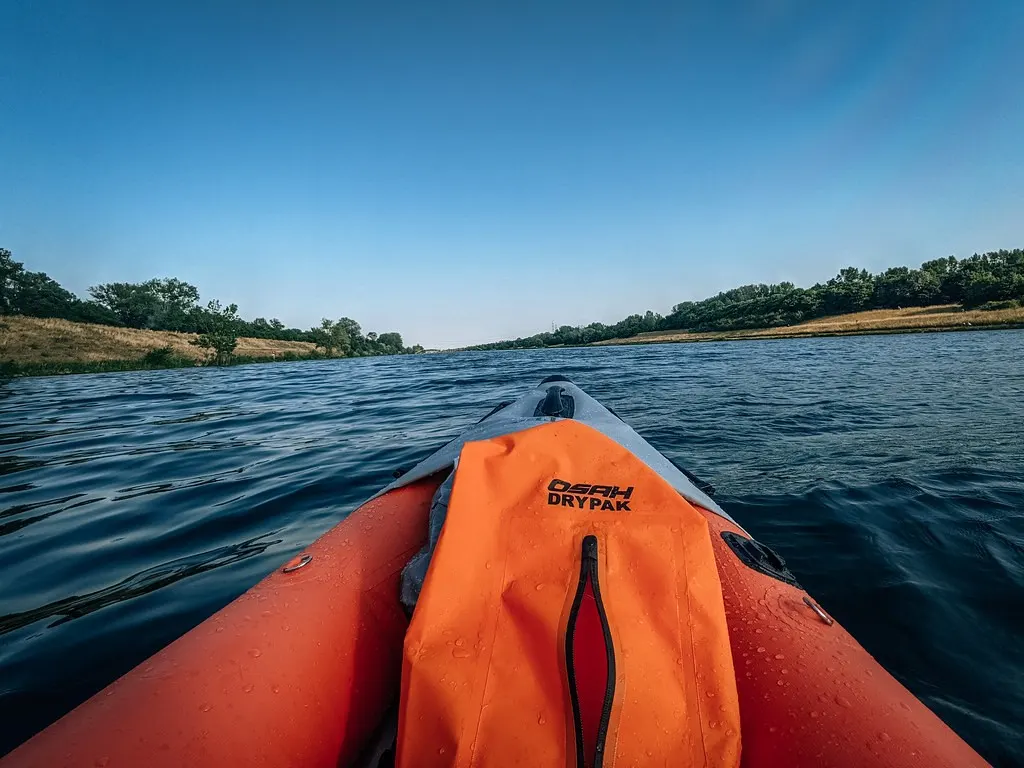
The Checklist
| Category | Items |
|---|---|
| Paddling and safety | PFD, paddle, spare paddle, whistle, bilge pump, paddle float, first aid kit, headlamp |
| Navigation and comms | Map, compass or GPS, phone in a waterproof case, emergency communicator |
| Shelter | Compact tent, stakes, groundsheet |
| Sleep | Sleeping bag, sleeping pad, pillow |
| Kitchen | Stove, fuel, pot, utensils, lighter, food |
| Water | Bottles, water filter or treatment |
| Clothing | Quick-dry layers, rain jacket, warm layer, hat, sandals or water shoes |
| Storage | Dry bags in several sizes, deck bag |
| Camp extras | Trash bags, trowel, sunscreen, bug spray, repair kit |
Packing Your Kayak
- Use many small dry bags instead of one big one; they fit hatches better.
- Heavy items low and centered for stability.
- Balance side to side and bow to stern.
- Essentials within reach: water, snacks, sunscreen, first aid.
- Stay under your kayak's weight capacity.
- Test paddle loaded before you leave.
Food and Water
- Plan simple meals that need little water and one pot.
- Repackage food into soft bags to save space and reduce trash.
- Carry enough water for the first day, plus a filter or treatment for refills.
- In bear country, use a bear canister or hang food properly, following local rules.
Repair and Emergency Kit
- Duct tape and a small multi-tool
- Spare paddle and paddle float
- Repair kit for an inflatable kayak or sleeping pad
- Signaling device: whistle, mirror or a satellite messenger
- Weather radio or VHF radio where useful
Leave No Trace
- Camp on durable surfaces such as sand, gravel or established sites.
- Pack out all trash, including food scraps.
- Follow local rules for human waste; some areas require you to pack it out.
- Keep fires small and only where allowed.
Gear Picks
Clothing for Paddling
Dress for the water temperature, not just the air. Quick-dry layers, a rain shell, a warm layer for camp and immersion protection (a wetsuit or drysuit) for cold water. See wetsuit vs drysuit.
Plan Ahead
- Check weather, wind and tides.
- Know where you can land and camp, and whether permits are needed.
- Leave a trip plan with someone at home.
- Practice Leave No Trace.
More: touring kayaks, kayak transport, kayak fishing tips and how to paddle a kayak.
Frequently Asked Questions
What kayak is best for camping?
Touring kayaks and larger sit-on-tops with hatches or tank wells carry the most gear. Check your kayak's weight capacity.
How do I keep gear dry in a kayak?
Pack everything in dry bags, even inside hatches, which can leak.
How should I load a kayak for camping?
Keep heavy items low and near the center, balance side to side, and keep essentials within reach.
Do I need a permit to kayak camp?
Many areas require permits or campsite reservations. Check with the land manager.
What safety gear should I bring?
A PFD, whistle, bilge pump, paddle float, first aid kit, navigation and a way to call for help.