BMX Bike Parts Guide: What Each Part Does and What Fits (2026)
A part-by-part tour of the BMX bike, from frame geometry and bottom bracket standards to 25/9 gearing, freecoasters and tire sizes, with an upgrade order for cheap completes.
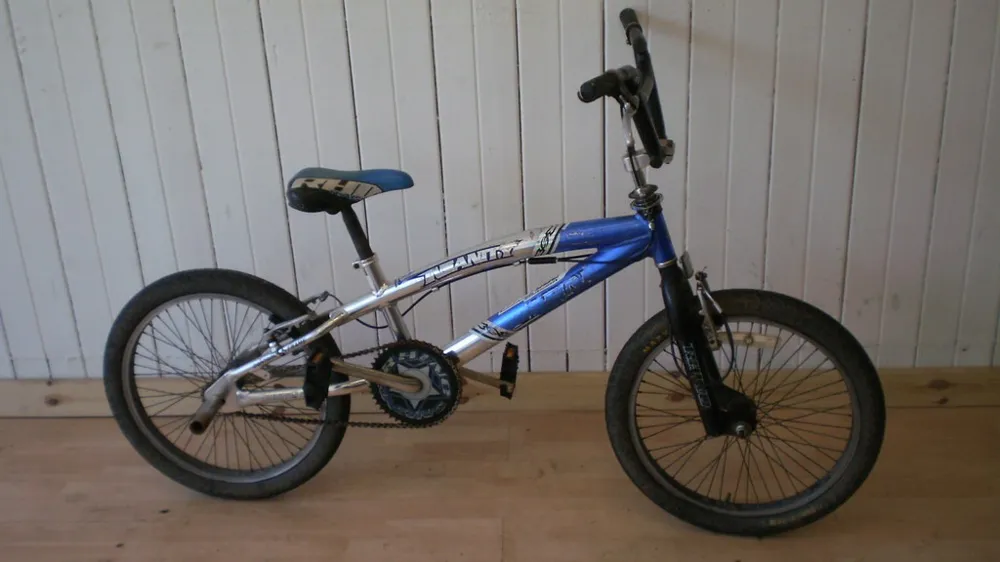
What Are the Main Parts of a BMX Bike?
A BMX bike looks simple, but it is built from about a dozen key parts, and each one has its own sizes and standards. Knowing what they do helps you buy the right replacement, upgrade a cheap complete in a sensible order and avoid parts that don't fit. This guide walks through every component on a 20-inch BMX, freestyle and race, and explains the numbers you'll see on spec sheets.
If you're still choosing a whole bike, start with our best BMX bikes and BMX race bikes guides. The BMX hub has every other guide.
| Part | What It Does | Common Sizes or Types |
|---|---|---|
| Frame | The main structure; sets fit and handling | Top tube about 18–21.5"; hi-ten, chromoly or aluminum |
| Fork | Holds the front wheel and steers | 1-1/8" steerer; offset varies |
| Handlebars | Steering and leverage | About 8–10" rise, 27–31" wide; 2-piece or 4-piece |
| Stem | Clamps the bars to the fork steerer | Front load or top load; 22.2mm bar clamp |
| Headset | Bearings that let the fork turn | Usually integrated sealed bearings |
| Cranks | Turn pedaling into drive | 1, 2 or 3-piece; 165–175mm arms |
| Bottom bracket | Bearings the crank spindle spins in | American, Mid, Spanish, Euro; 19, 22 or 24mm spindles |
| Sprocket and driver | Set the gear ratio | 25/9 freestyle, 44/16 race |
| Chain | Connects sprocket to rear hub | 1/2" x 1/8" single speed |
| Hubs | Center of each wheel | Cassette or freecoaster; 10mm front, 14mm rear axles |
| Rims and spokes | Wheel structure | 20" (406mm), 36 spokes |
| Tires | Grip and cushioning | 20 x 2.1–2.4" freestyle; narrower for race |
| Seat and post | Something to sit on and grab | Pivotal, railed or tripod |
| Brakes | Slow the rear wheel | U-brake (freestyle), V-style (race), or brakeless |
| Pedals and grips | Contact points | 9/16" or 1/2" pedal threads; flanged or flangeless grips |
Maxxis Grifter 20x2.40 Tire
Best for park and street grip
- 20 x 2.40 folding bead
- Dual compound
- Rated to 110 PSI
Odyssey Twisted PC Pedals
Best first pedal upgrade
- Nylon composite body
- 16 pins per side
- 9/16 or 1/2-inch threads
ODI Longneck ST BMX Grips
Best grip upgrade
- 143mm length
- Flanged design
- End plugs included
Frame: Geometry and Materials
The frame is the heart of the bike. It decides how the bike fits, how it handles and how much abuse it can take. BMX frames are described by a handful of geometry numbers, and Dan's Comp, a long-running BMX retailer, explains each one in its frame geometry guide.
Top Tube Length
Top tube length is measured from the center of the head tube straight back to the center of the seat tube. It is the main sizing number for 20-inch BMX frames. Shorter top tubes feel nimble for street and technical tricks; longer ones feel stable for dirt, ramps and speed. As a rough guide, riders around 5'4" to 5'8" often fit about 20.25 to 20.75 inches, and riders over about 6 feet often pick 21 inches or more. Our BMX bike size chart has the full table.
Chainstay Length
Chainstay length runs from the bottom bracket center to the rear axle, usually about 12.5 to 14 inches. Shorter stays make manuals and spins easier; longer stays feel more stable at speed and on big transitions. Many frames list a range because the rear wheel can slide in the dropouts.
Head Angle and Seat Angle
Head tube angle affects steering. Dan's Comp says race frames sit around 74 degrees, most freestyle frames around 75 to 75.5 degrees, and very technical street frames up to about 76.25 degrees. A steeper (higher) angle feels quicker and twitchier. Most freestyle frames use a 71-degree seat tube angle.
Bottom Bracket Height and Standover
Bottom bracket height is usually listed at about 11.5 to 11.8 inches. A higher BB gives more clearance for grinds; a lower one feels more planted. Standover (the seat tube height) usually ranges from about 7 to 10 inches; a taller one suits taller riders and more stable jumping, a shorter one gives more room to move the bike.
Frame Materials
| Material | Where You'll See It | Trade-Offs |
|---|---|---|
| Hi-tensile (hi-ten) steel | Budget and kids' completes | Affordable, but heavier and less strong for its weight, so tubes are thicker |
| Chromoly (4130) steel | Mid-range and aftermarket freestyle frames | Stronger and lighter than hi-ten; the standard for serious freestyle |
| Aluminum | Most race frames | Light and stiff for sprinting; less common for hard freestyle |
| Carbon fiber | Some high-end race frames | Very light; mostly at the top level of racing |
Spec sheets also list "full chromoly" (every tube) versus "chromoly front triangle" (chromoly main tubes with hi-ten stays). Frames also differ in brake mounts (removable or none), bottom bracket type, integrated headset and tire clearance, so check those before you swap parts across.
Handlebars, Stem and Grips
Handlebars
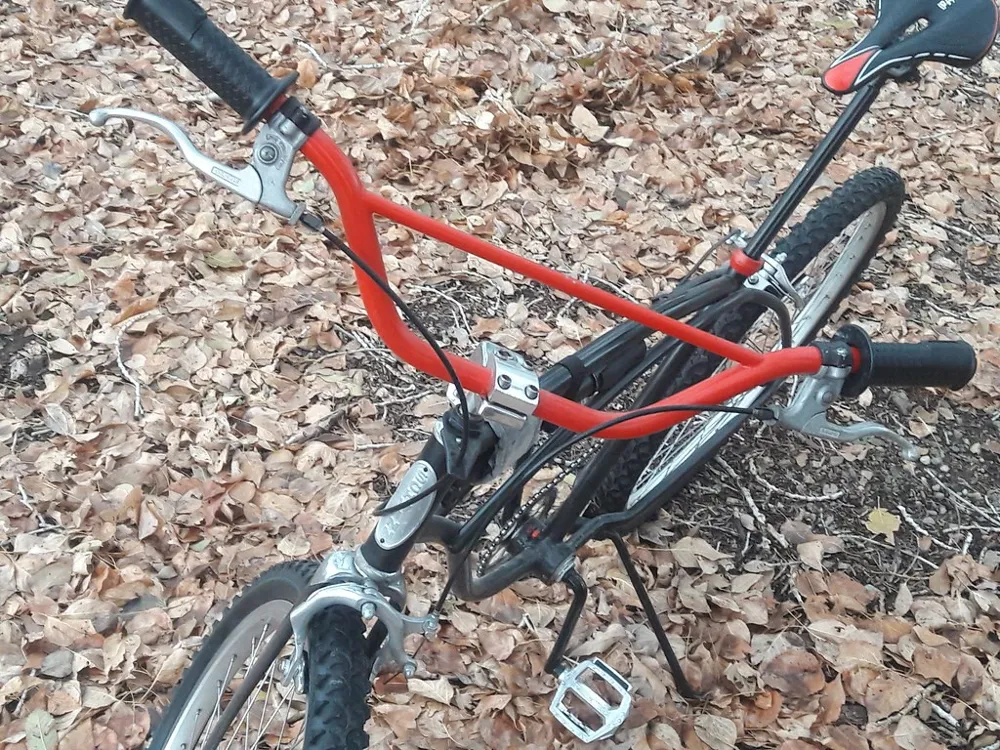
BMX bars are measured by rise (height from the bottom to the top of the bar), width, backsweep (how far the ends angle back toward you) and upsweep (how far they angle up). Lux BMX calls 8 to 9 inches of rise the industry standard, with anything over 10 inches considered tall. SkatePro lists widths from about 27 to 31 inches and suggests matching width roughly to your shoulders. Many riders cut bars down to suit them, so measure twice before trimming.
Backsweep and upsweep are mostly about comfort and wrist angle. Retailers describe them as personal preference with little effect on how the bike rides.
2-piece vs 4-piece: a 2-piece bar is one bent "U" with a crossbar; a 4-piece bar has two uprights joined by an upper and lower crossbar. Both come in similar geometries, so the choice is mostly about the look. Standard bars use a 22.2mm clamp area; some bars use an oversized clamp (often listed as 25.4mm) that needs a matching stem.
Stem
The stem clamps the bars to the fork's steerer tube (1-1/8 inch on modern BMX). A front load stem clamps the bars on the front of the stem body and gives a lower bar position; a top load stem clamps them on top and raises the bars. Dan's Comp puts typical freestyle reach (steerer center to bar center) at about 45 to 55mm and says front load stems have about 8 to 10mm of rise, while top load stems have about 20 to 35mm. Race stems range much more widely by bike size. Stay within a few millimeters of your current reach unless you want the bike to feel different.
Grips and Bar Ends
Grips come flanged (a lip on the inside to protect your hands) or flangeless (popular with riders who do barspins). Softer compounds feel cushier but wear faster. Always use bar ends or end plugs: an open bar end can cause a serious injury in a crash.
Fork and Headset
Aftermarket BMX forks are generally made from 4130 chromoly. The two numbers that matter most are steerer tube length and diameter (1-1/8 inch is standard) and offset, the distance the dropouts sit ahead of the steering axis. Less offset makes steering quicker and nose tricks easier to balance; more offset feels more stable. Forks also differ in axle size (most freestyle front hubs use 10mm axles), dropout thickness for pegs and whether they take a front brake.
The headset is the set of bearings that lets the fork turn in the head tube. Most modern freestyle frames use an integrated headset, where sealed cartridge bearings drop straight into machined seats in the head tube, rather than pressed-in cups. Budget bikes sometimes use loose-ball headsets. When your steering feels notchy or the fork knocks when you brake, the headset is the usual suspect. Replacement bearings must match your frame's headset size, so check the frame spec first.
Cranks, Bottom Brackets and Pedals
Crank Types
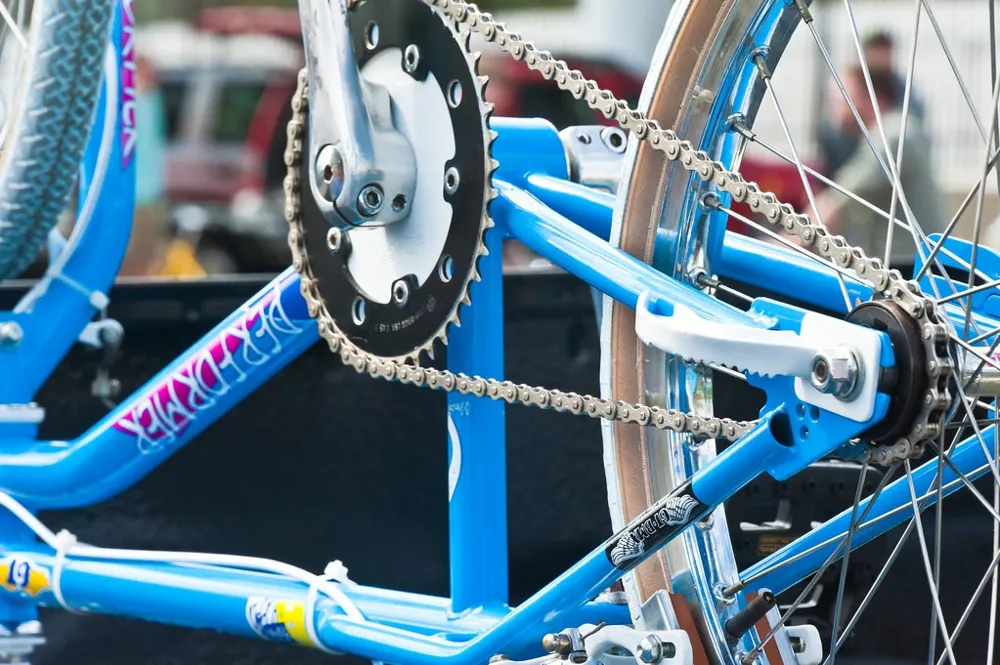
- One-piece cranks: both arms and the spindle are one bent piece of steel. They are cheap and found on budget and kids' bikes, but they bend under hard jumping. They run in an American bottom bracket.
- Two-piece cranks: one arm is built onto the spindle and the other bolts on.
- Three-piece cranks: two arms and a separate spindle. This is the standard for serious freestyle builds and the strongest option, usually in chromoly.
Crank arms are commonly about 165 to 175mm long. Longer arms give more leverage; shorter arms give more ground clearance and spin faster.
Spindle Sizes
Bottom bracket bearings and crank spindles come in 19mm, 22mm and 24mm. SkatePro says 19mm is the most common. Your crank spindle and bottom bracket bearings must match.
Bottom Bracket Standards
The bottom bracket shell in the frame decides which bearings you need. These are the four you'll meet on BMX bikes:
| Type | How It Works | Key Size | Where You'll See It |
|---|---|---|---|
| American | Large cups pressed into the shell, with bearings inside | Shell about 51.3mm inside diameter (cups about 51.5mm) | Older and budget bikes, one-piece cranks; adapters let you run 3-piece cranks |
| Mid | Sealed bearings pressed straight into the frame | About 41mm bearing diameter | The most common modern freestyle standard |
| Spanish | Sealed bearings pressed straight into a smaller shell | Frame bore about 37mm | Some freestyle frames; smaller and lighter shell |
| Euro (BSA) | Threaded cups screw into the shell | 1.37" x 24 TPI threads; shell about 33.7mm inside | Some frames; check the spec |
Sizes from Park Tool and Sheldon Brown. American, Mid and Spanish bottom brackets are not interchangeable, so read your frame spec or measure the shell before ordering. Mid and Spanish bearings come in versions for each spindle size.
Pedals
BMX pedals are flat platforms with pins for grip. Plastic (nylon composite) pedals are light, grippy and cheap to replace, and slide better if they hit a ledge; alloy pedals last longer and tend to cost more. Pedal threads come in two sizes: 1/2-inch for one-piece cranks and 9/16-inch for two- and three-piece cranks, so check yours before you buy. Experienced racers may use clipless pedals, but the USA BMX rulebook (as reported for 2025) requires flat pedals for riders 12 and under and for Novice riders; check the current rulebook.
Sprocket, Chain and Gearing
BMX bikes have one gear, set by the sprocket at the cranks and the driver (or cog) on the rear hub. Gearing is written as front teeth over rear teeth, such as 25/9.
Older freestyle bikes used big sprockets with a 12 or 13-tooth cog, such as 36/13. Small one-piece 9-tooth drivers changed that, and 25/9 has become the common freestyle setup ever since. A smaller sprocket is lighter and clears rails and ledges more easily on grinds. Some riders prefer 28/9 or larger for sprocket tricks or a smoother pedaling feel.
To compare setups, divide the sprocket teeth by the driver teeth and multiply by the wheel size to get gear inches. Rollout (how far the bike travels per crank turn) is gear inches multiplied by pi.
| Setup | Ratio | Gear Inches (20" Wheel) | Typical Use |
|---|---|---|---|
| 25/9 | About 2.78 | About 55.6 | Most common freestyle setup |
| 28/9 | About 3.11 | About 62.2 | Freestyle, sprocket tricks, faster rolling |
| 36/13 | About 2.77 | About 55.4 | Older freestyle and freewheel setups |
| 44/16 | 2.75 | 55 | Classic race starting point |
Notice that 25/9, 36/13 and 44/16 all feel about the same; smaller parts just save weight. Racers tune gearing to the track: lighter for technical tracks and fast gate starts, taller for long straights. Wider tires raise the real gear slightly because they make the wheel taller. For more on race setups, see what is BMX racing.
Chain: BMX uses a 1/2 x 1/8-inch single-speed chain. A heavy-duty chain is one of the first upgrades Dan's Comp recommends, because cheap chains stretch and snap. Set tension so there is a little play when you lift the chain halfway between the sprocket and driver, but not more than about half an inch. Half-link chains make fine tension adjustments easier on frames with short dropouts. Keep it clean with our chain cleaning guide.
Hubs: Cassette vs Freecoaster
The rear hub decides how the bike behaves when you coast. Source BMX's hub guide sums up the standards: 36 spokes, 10mm front axles and 14mm rear axles, with rear hubs usually fitted with 9 or 10-tooth one-piece drivers to pair with 25 to 30-tooth sprockets.
| Hub Type | How It Works | Best For |
|---|---|---|
| Cassette | Drives forward and coasts forward; the cranks turn when you roll backward | Most riders; simple, reliable, low maintenance |
| Freecoaster | Lets the wheel roll backward without the cranks turning, with a little slack before it engages | Fakies, half-cabs and backward street tricks |
| Freewheel (threaded cog) | A threaded freewheel screws onto the hub | Budget completes; bigger cogs, heavier |
| Race hub | Light, quick engagement, often disc-ready | Racing; axle options include 10mm, 15mm and 20mm thru-axles |
LHD vs RHD: right-hand drive (RHD) puts the chain and sprocket on the right side. Left-hand drive (LHD) moves them to the left, which some riders prefer so they can grind on their right side without hitting the drivetrain. Many cassette hubs can be switched between the two with the right parts; check the hub maker's instructions.
Male vs female axles: male axles are a threaded axle that sticks out of the hub, held with nuts. Female axles use bolts that thread into the hub. Male rear axles are often favored for heavy peg use, while female axles are lighter and now common on front hubs. Pegs and chain tensioners must match your axle size: 14mm rear, and 10mm (often listed as 3/8 inch) front on most bikes. Hub guards protect the hub, spokes and drive side when you grind.
Wheels: Rims and Spokes
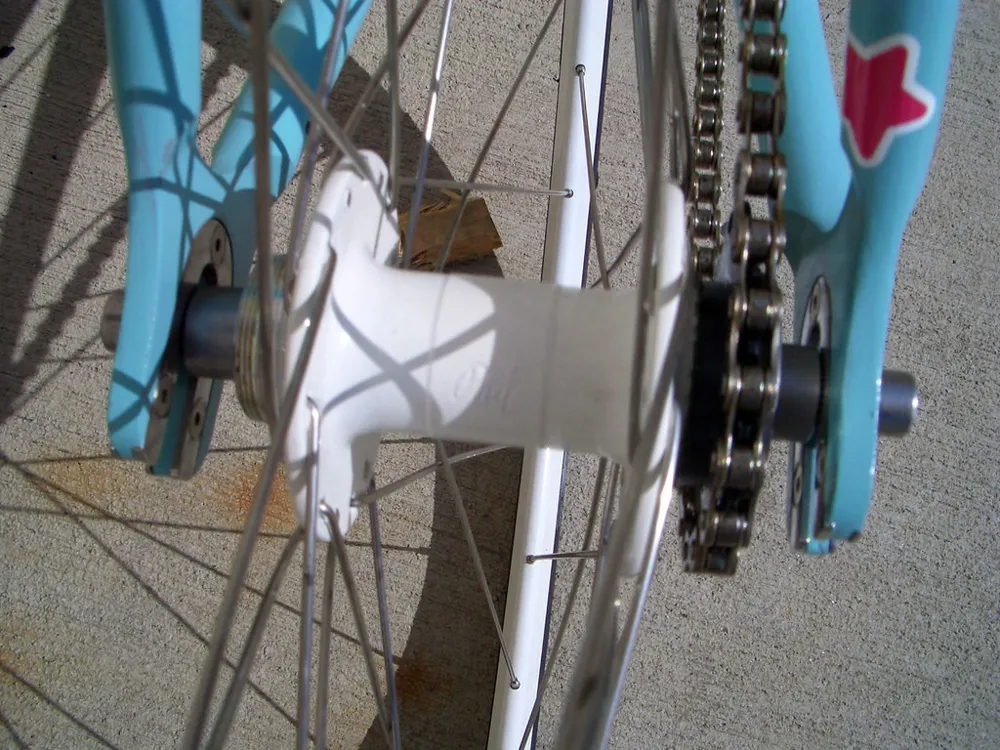
Standard BMX wheels are 20 inches, which in tire and rim terms is the 406mm ISO bead seat. Sheldon Brown lists 406 as the size for most BMX, juvenile and folding bikes. Some race tires use a slightly bigger 451mm rim, so the two are not interchangeable.
The freestyle standard is 36 spokes, and hubs and rims are drilled 36H unless the listing says otherwise. Double-wall rims (or rims with more internal walls) are stronger than single-wall rims and are recommended for street and park. Cheaper rims may be pinned at the join rather than welded. If you run a brake, make sure the rim has a braking surface. Butted or titanium spokes save weight at a higher cost.
Tires
Freestyle BMX tires are usually about 2.1 to 2.4 inches wide on a 20-inch (406) rim. Wider tires cushion landings and grip better in the park; narrower or slicker tires roll faster and are lighter. Race tires are narrower: 20 x 1.75 is a standard race size, and many racers run about 1.5 to 1.95 inches, or 451-size tires such as 1-1/8 and 1-3/8 inch.
| Riding Style | What Riders Often Choose |
|---|---|
| Street and park | Wide tires toward the 2.3–2.4" end, with smooth or low-profile tread run at higher pressure for speed on concrete |
| Dirt jumps and trails | A bit more tread for loose surfaces |
| Racing | Narrow, light, fast-rolling tires; 20 x 1.75 is a standard race size |
Folding (kevlar) beads are lighter than wire beads. Never exceed the maximum pressure printed on the sidewall. Learn to read the numbers in our guide to measuring bike tires, and keep a good pump at home.
Seat and Seat Post
BMX seats are small and often slammed low, because you rarely sit while riding freestyle. There are three main types:
- Pivotal: the seat bolts onto a matching pivotal post with one bolt through the top. Light, simple and the freestyle standard. Pivotal seats need a pivotal post.
- Railed: rails under the seat clamp to a standard post. Common on race and older bikes.
- Tripod: a seat and post system with a three-bolt pattern, found on some bikes.
Seats come in fat (padded) and slim (light) shapes. The seat post diameter must match your frame's seat tube, so check the frame spec before ordering.
Brakes, Gyros and Brakeless Setups
Most freestyle BMX bikes use a U-brake on the rear, mounted on the seatstays or chainstays. A gyro (or detangler) splits the brake cable at the stem so the bars can spin a full 360 degrees without tangling. Race bikes commonly use a V-style rear brake.
Many experienced freestyle riders go brakeless, which is why many frames have removable brake mounts. Brakeless takes practice: you slow down by dragging a foot on the tire or carving. Beginners should keep a brake. Some skateparks and events set their own equipment rules, and USA BMX states that working brakes are required for racing, so check the rules where you ride.
Pegs and Hub Guards
Pegs bolt onto the axles for grinds and stalls. Most pegs are 14mm inside with an adaptor for 10mm (3/8-inch) front axles. Steel pegs are tough; plastic-sleeve pegs slide smoothly and are kinder to ledges. Our best BMX pegs guide covers materials, lengths and installation in detail. If you grind on your drive side, a hub guard protects the driver and sprocket.
Race vs Freestyle BMX Parts
| Part | Freestyle | Race |
|---|---|---|
| Frame | Chromoly or hi-ten steel; strong | Aluminum or carbon; light and stiff |
| Head angle | About 75–76.25° | About 74° |
| Gearing | 25/9 or 28/9, small sprocket | Starting point around 44/16; tuned to the track |
| Tires | 2.1–2.4" wide | About 1.5–1.95", or 451 sizes |
| Brakes | U-brake, gyro or brakeless | V-style rear brake, required in races |
| Hubs | Cassette or freecoaster; pegs allowed | Light race hubs, often thru-axle |
| Pedals | Flat | Flat or clipless (where rules allow) |
| Extras | Pegs, hub guards, gyros | Number plate; no pegs |
Race bikes also come in named sizes from micro to pro XXL. See BMX race bikes for sizing and kids' BMX bikes for younger riders.
Upgrade Order for a Cheap Complete
A budget complete usually has a decent shape but cheap parts: hi-ten tubes, one-piece cranks, single-wall rims and plastic pedals that wear out fast. Upgrade in this order, starting with low-cost parts you touch or wear out, and save the expensive parts for when the stock ones break:
- Grips: cheap, quick and the part you feel most.
- Pedals: better grip and bearings. Check your thread size.
- Chain: a heavy-duty chain prevents snapped chains and slipped pedals.
- Tires: wider, grippier tires change how the bike feels.
- Seat and post: lighter and stronger, especially a pivotal setup.
- Headset: sealed bearings if the stock one is loose or notchy.
- Bars and stem: chromoly bars and a solid stem, sized to you.
- Cranks, sprocket and bottom bracket: a three-piece crank is the big strength upgrade for jumping.
- Fork: a chromoly fork for hard landings.
- Wheels: double-wall rims and sealed hubs, or a freecoaster.
- Frame: last, when you know what geometry you want.
This follows the order Dan's Comp uses in its parts guide. If you'd replace the cranks, wheels and fork, compare the cost with a better complete first; it is often cheaper to buy a full-chromoly bike. Learn new skills along the way with BMX tricks for beginners.
Upgrade Parts on Amazon
These are common upgrade parts sold on Amazon. Specs come from the makers' pages and listings; always confirm the size and thread before ordering.
1. Maxxis Grifter 20x2.40 Tire
Maxxis lists the Grifter as a dual-compound freestyle BMX tire rated to 110 PSI. The 20 x 2.40 version has a foldable bead (60 x 2 TPI) and Maxxis also makes it in 1.85, 2.10 and 2.30 widths.
Good to Know
- Wide 2.40" for park and street
- High maximum pressure for fast rolling
- Narrower widths available
Watch Out For
- The 2.40 is the heaviest size in the range
- Check frame and fork clearance
2. Odyssey Twisted PC Pedals
A high-strength nylon composite body with 16 pins per side, loose-ball bearings and a chromoly spindle, measuring 98 x 89mm. Odyssey makes them in 9/16-inch (two- and three-piece cranks) and 1/2-inch (one-piece cranks) threads.
Good to Know
- Light and grippy
- Both thread sizes
- Easy to replace when worn
Watch Out For
- Plastic wears faster than alloy
- Order the right thread
3. ODI Longneck ST BMX Grips
A 143mm flanged BMX grip in rubber, sold with end plugs so your bar ends stay covered.
Good to Know
- Flange protects your hands
- End plugs included
- Long length for full-width bars
Watch Out For
- Flanged grips can get in the way of barspins
4. KMC K710 Chain
A 1/2 x 1/8-inch single-speed chain listed in a 112-link length, which you shorten to fit your bike. KMC markets its 710 chains for BMX and single-speed use.
Good to Know
- Standard BMX chain size
- Long enough for most 20" bikes
Watch Out For
- Needs a chain tool to size
5. Odyssey Graduate Peg
A full 4130 chromoly peg with a 1.5-inch outer diameter, sized 14mm with a 3/8-inch adaptor. Sold individually. More options are in our BMX pegs guide.
Good to Know
- Fits front and rear axles
- Tough steel
Watch Out For
- Sold one at a time
6. Pedro's Tire Levers
Plastic tire levers for removing and fitting tires without damaging the rim, handy when you swap to wider BMX tires or fix a flat.
Good to Know
- Small enough for a bag
Watch Out For
- Not needed if your tires go on by hand
BMX Parts Compatibility Checklist
Before you order, check these against your bike. Most mistakes happen here.
| Part You're Buying | Check This on Your Bike |
|---|---|
| Cranks | Spindle size (19, 22 or 24mm) and bottom bracket type |
| Bottom bracket | Shell type: American, Mid, Spanish or Euro |
| Pedals | 1/2" (one-piece cranks) or 9/16" (two and three-piece) |
| Sprocket | Spindle size and fit (spline or bolt-on); teeth for your driver |
| Fork | 1-1/8" steerer, length to suit your headset and stem; axle size |
| Stem | Bar clamp (22.2mm or oversized 25.4mm) and steerer diameter |
| Headset | Integrated or press-in, and bearing size for your frame |
| Wheels and hubs | Axle size (10mm front, 14mm rear), drive side, 36 holes, rim size (406 or 451) |
| Tires | Rim size and frame and fork clearance |
| Seat and post | Pivotal or railed; post diameter |
| Brakes | Frame mounts and whether your rim has a braking surface |
| Pegs | Axle size and whether the axle is long enough |
Shopping by brand? Our best BMX brands guide covers the main part and bike makers, and BMX cruisers covers 24 and 26-inch bikes, which use different wheel and tire sizes.
Tools You Need for BMX Parts
SkatePro's build guide lists the core tools: 4, 5, 6 and 8mm hex keys, 15, 17 and 19mm sockets (a deep socket for peg nuts) and a 15mm open-ended wrench for pedals. Add a chain tool, tire levers, grease and a pump. A bike multi-tool covers trailside fixes, and a repair stand makes home work easier.
- Grease threads and the pedal spindles before installing.
- Pedals thread in toward the front of the bike; the left pedal is reverse-threaded.
- Tighten stem bolts evenly and check the bars are straight before riding.
- Check axle nuts, stem bolts and crank bolts often; BMX bikes take a beating.
If a job feels beyond you, such as pressing bearings or building wheels, a local bike shop can help. Safety-critical parts like the stem, bars, fork and brakes must be installed correctly.
Frequently Asked Questions
What are the main parts of a BMX bike?
The frame and fork, handlebars, stem and headset, cranks, bottom bracket, sprocket and chain, front and rear wheels (hubs, rims, spokes and tires), seat and post, pedals, grips and usually a rear brake. Freestyle bikes may also have pegs and a gyro.
What size tires does a BMX bike use?
Standard BMX bikes use 20-inch tires on the 406mm (ISO) rim size. Freestyle riders mostly run about 2.1 to 2.4 inches wide, while race tires are narrower, often around 1.5 to 1.95 inches. Some race tires use the larger 451mm rim size instead, so check the rim before you buy.
What is the best gear ratio for a BMX?
25/9 (a 25-tooth sprocket and 9-tooth driver) is the most common freestyle setup, and 28/9 is popular too. 44/16 is the traditional race starting point. Both work out to about 55 gear inches on a 20-inch wheel.
Are BMX parts universal?
Many are standardized, such as 22.2mm bar clamps, 1-1/8-inch steerers, 36-hole wheels and 1/8-inch chains, but not all. Bottom brackets (American, Mid, Spanish, Euro), crank spindle sizes, axle sizes and pedal threads vary, so check each part against your bike.
What should I upgrade first on a cheap BMX?
Start with the parts that wear out or break: grips, pedals, tires and chain. Then move to the seat, bars and stem, and save the cranks, wheels, fork and frame for when the stock parts fail or you outgrow them.
Is it cheaper to build a BMX or buy a complete?
A complete bike is usually cheaper than buying every part separately. Building or upgrading makes sense when you want specific parts or your stock bike has a solid frame but weak parts.
What is the difference between a cassette and a freecoaster hub?
A cassette hub drives the bike forward and lets you coast forward, but pedals turn when you roll backward. A freecoaster lets the bike roll backward without the cranks turning, which helps with fakies and backward tricks.
Do I need brakes on a BMX?
For BMX racing, yes: USA BMX says working brakes are required. For freestyle, many experienced riders go brakeless, but beginners should keep a brake, and some parks and events set their own rules.