Bike Trainer or Exercise Bike? Picking Your Indoor Ride (2026)
A trainer turns the bike you already own into an indoor machine; an exercise bike is a dedicated machine that stays set up. Here's how they compare.
The Short Answer
Choose a bike trainer if you already own a road, gravel or mountain bike, want to keep your exact riding position, and plan to ride outside when the weather allows. Choose an exercise bike if you don't own a suitable bike, want a machine that is always ready to ride, or need to share it with other people in your home. In between sits the smart bike: a dedicated indoor bike with the app control and power measurement of a high-end smart trainer.
Below we compare all three on fit, ride feel, apps, noise, space, setup, accuracy and upkeep. If you've already decided on a trainer, skip to our guides to the best bike trainers and best smart bike trainers.
Bike Trainer vs Exercise Bike at a Glance
| Factor | Bike Trainer | Exercise / Spin Bike | Smart Bike |
|---|---|---|---|
| Needs your own bike | Yes | No | No |
| Riding position | Exactly your bike's fit | Adjustable, but more generic | Fine adjustment to match a road bike |
| Sharing between riders | Awkward (swap bikes or refit) | Easy (seat and bar tweaks) | Easy (quick-release adjustments) |
| Setup each ride | Some, unless the bike stays mounted | None | None |
| App control of resistance | Smart trainers only | Limited on most models | Yes |
| Power data | Smart trainers; basic trainers need a power meter | Estimated or none on many models | Built in |
| Noise | Wheel-on louder; direct drive quieter | Magnetic quiet; friction pads louder | Quiet |
| Storage | Small; many fold | Bulky, stays out | Bulky and heavy |
| Wear on your bike | Drivetrain, sweat, tire (wheel-on) | None | None |
| Cost tier | Budget to premium | Budget to premium | Premium |
What Counts as a Bike Trainer?
A bike trainer is a stand that holds your own bike in place and adds resistance as you pedal. There are three main kinds:
- Wheel-on trainers clamp the rear axle while a roller presses against the rear tire. Resistance comes from a magnet, a fluid chamber or a fan. They are the simplest and most affordable option, and the quickest to mount.
- Direct-drive trainers replace your rear wheel. You take the wheel off and fit the bike's chain onto a cassette on the trainer. They are quieter, feel more like the road and are usually more accurate. Our direct drive vs wheel-on comparison covers the trade-offs in detail.
- Rollers are three drums that you balance on with nothing holding the bike. They build a smooth pedal stroke and bike handling but have a learning curve, and most basic sets offer little or no resistance control and no power data without a separate power meter.
Trainers also come as basic ("dumb") or smart models. A basic trainer has fixed or manually adjusted resistance and sends no data. A smart trainer connects to apps over Bluetooth or ANT+ and changes resistance on its own to match a virtual climb or a workout target.
What Counts as an Exercise Bike?
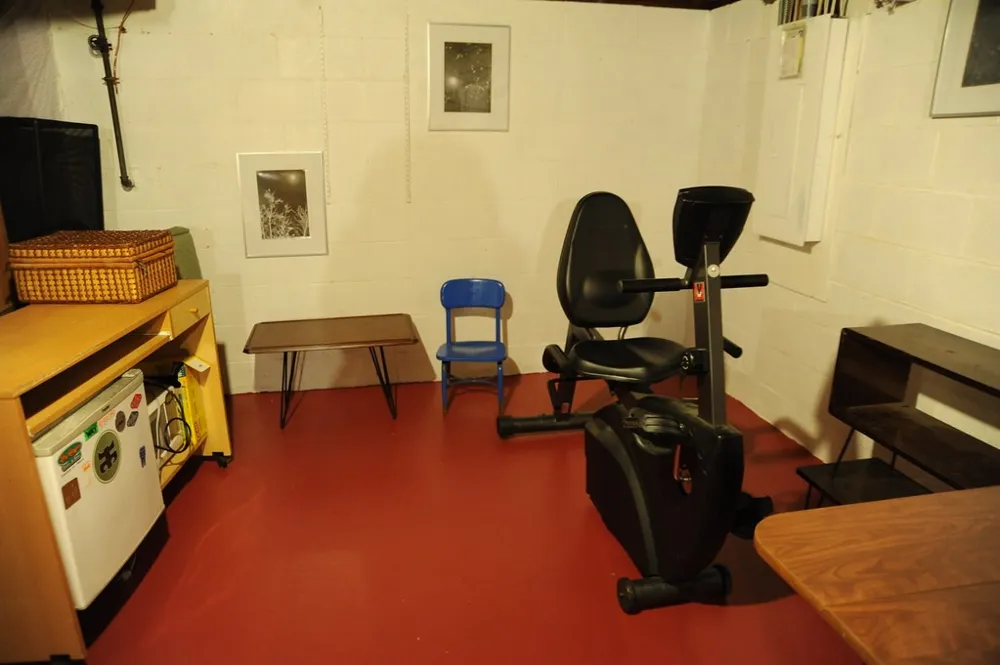
An exercise bike, also called a stationary bike, is a complete machine built only for indoor use. The main types are:
- Upright bikes: a seated, upright position with a console. Traditional models use a resistance dial and show basic data such as time, speed and cadence.
- Recumbent bikes: a reclined seat with a backrest and the pedals out in front. They are stable and easy to get on and off.
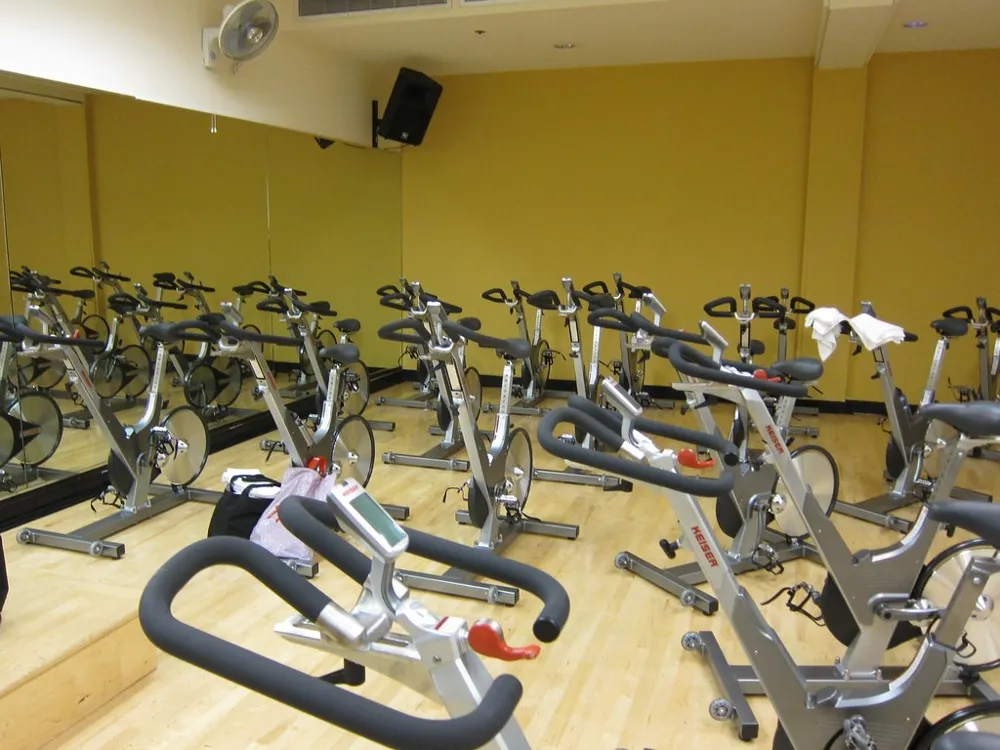
- Spin bikes (indoor cycling bikes): a heavy flywheel, a sportier position and manual resistance, either from a felt pad pressing on the flywheel or from magnets. Studio-style connected bikes like the Peloton Bike and Bike+ belong here, paired with their own class app.
- Smart bikes: indoor bikes with electronic resistance, built-in power measurement and road-bike-style adjustment, designed to work with apps like Zwift. Examples include the Wahoo KICKR BIKE PRO and KICKR BIKE SHIFT, Garmin's Tacx Neo Bike Plus, the Wattbike Atom, the Stages SB20 and the Zwift Ride.
The Zwift Ride is a hybrid: an adjustable metal frame built around a Wahoo KICKR CORE smart trainer, so it behaves like a smart bike but uses trainer hardware.
Fit and Riding Position
Fit is the biggest practical difference. On a trainer you ride your own bike, so your saddle height, reach, bars and pedals are exactly what you use outside. Riders who have had a professional bike fit, or who are training for a specific event, often value this most.
Exercise bikes adjust to fit a range of people, but usually in coarse steps: seat height, seat fore-aft and bar height. That is fine for general fitness, but a spin bike rarely matches the geometry of a road bike exactly, and standard pedals or toe cages differ from your clipless setup unless you swap them.
Smart bikes close that gap. Wahoo lists five fit adjustments on the KICKR BIKE PRO (stack, reach, setback, saddle height and frame height) and a choice of crank lengths, so you can copy the measurements from your road bike. the Zwift Ride is listed for riders from about 5 ft to 6 ft 6 in, with markings on the frame that map rider height to settings. If you're unsure of your numbers, start with our road bike size chart.
Ride Feel
Ride feel comes down to the resistance unit and the flywheel. A direct-drive smart trainer with a reasonably heavy flywheel feels the most like riding outside, because resistance builds smoothly as you accelerate and drops off as you ease up. Fluid wheel-on trainers come next: resistance rises progressively with speed. Basic magnetic wheel-on units can feel flatter and less natural.
Exercise bikes vary widely. Spin bikes often use a fixed-gear flywheel, so the pedals keep turning as long as the flywheel spins, which feels different from coasting on a real bike. Direct-contact (felt pad) bikes can feel less like the road than magnetic ones. Smart bikes are built to mimic outdoor riding: they let you coast, simulate gears through buttons or shifters, and some models physically tilt to simulate climbs and descents (the KICKR BIKE PRO lists up to 20% uphill and 15% downhill; the KICKR BIKE SHIFT simulates gradient without tilting).
Rollers give the most "real" sensation of balance and steering, but not of hills, since basic sets have little resistance range.
Apps, ERG Mode and Virtual Shifting
Training apps are what make indoor riding engaging for many people. Zwift, Rouvy and MyWhoosh offer virtual worlds and group rides; TrainerRoad and Wahoo SYSTM focus on structured plans; JRNY and the Peloton app lead classes on their own equipment.
- Smart trainers and smart bikes work with most of these apps and support ERG mode, where the app holds you at a target power no matter what cadence or gear you choose. That makes interval workouts precise.
- Virtual shifting lets you change "gears" with buttons while the trainer or smart bike adjusts resistance, so there's no chain moving between cogs. The Zwift Ride uses Zwift Play controllers with 24 virtual gears, and Wahoo's smart bikes offer customizable virtual shifting.
- Connected exercise bikes such as the Schwinn IC4 send data over Bluetooth to apps including Zwift and the Peloton app, but on most of these bikes you still turn the resistance knob yourself.
- Basic trainers and exercise bikes can still be used with apps if you add a speed or cadence sensor or a power meter, but the app can't control resistance and power figures are estimates.
Most of these apps are subscription services, and some connected bikes are built around one brand's membership. Check what you'll pay to use the app you want before buying the hardware.
Space and Storage
A trainer is the space saver. Most wheel-on and many direct-drive trainers fold, and a folded trainer can slide under a bed or into a closet, with the bike going back on a hook or a garage bike rack. Rollers fold too; Elite's Quick-Motion folds into three sections, for example.
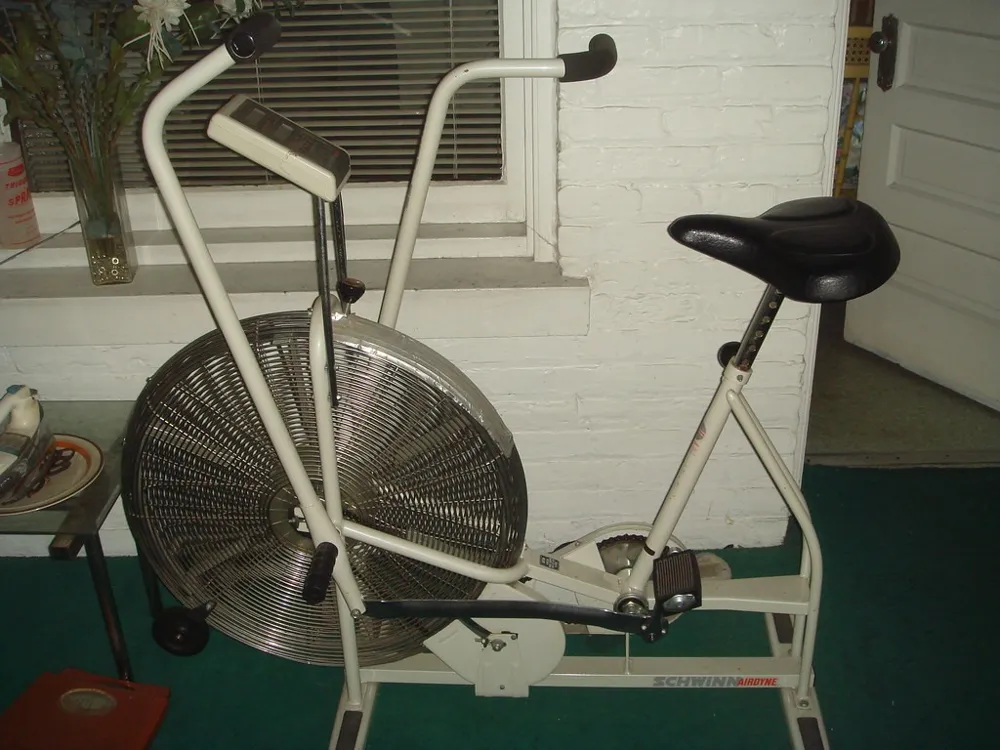
Exercise bikes are bulky and usually stay out permanently. Recumbents need the most floor length; the Schwinn 290, for instance, is listed at about 66 inches long. Smart bikes are heavy (Zwift Insider lists the KICKR BIKE SHIFT at about 40 kg), so once placed they tend to stay in one spot. In both cases, allow space around the machine for airflow, a fan and getting on and off.
Noise
Noise matters in apartments and shared homes. From loudest to quietest, a rough order is:
- Wheel-on trainers, because the tire spins on a metal roller (a trainer-specific tire helps).
- Rollers, which hum as three drums turn.
- Friction (felt pad) spin bikes, depending on the pad and belt.
- Direct-drive trainers, magnetic exercise bikes and smart bikes, where most of the sound comes from your drivetrain, the flywheel and your fan.
A trainer mat reduces vibration through floors with any setup. With a trainer, a clean, well-lubricated chain also cuts noise; see how to clean a bike chain.
Power Accuracy
If you train by power, accuracy matters more than any other spec. Here is what makers and reviewers list:
- Direct-drive smart trainers are usually the most accurate trainers; high-end models often list around ±1%.
- Smart wheel-on trainers list wider tolerances (the Saris M2 lists ±5%), and tire pressure and roller tension affect readings, so calibrate often.
- Smart bikes such as Wahoo's KICKR BIKE PRO and KICKR BIKE SHIFT list ±1%.
- Basic trainers, rollers and many exercise bikes don't measure power directly. Any watts shown are estimates from speed or resistance level. A pedal or crank power meter fixes this on your own bike.
Numbers from different devices rarely match exactly, so compare your progress on the same equipment over time.
Setup, Convenience and Sharing
An exercise bike or smart bike wins on convenience: you walk up and ride. A trainer takes a few minutes each time you mount the bike, plus removing the rear wheel on a direct-drive unit. Many riders get around this by leaving an old bike permanently on the trainer.
Sharing is where exercise bikes clearly pull ahead. If two people of different sizes ride, a trainer means swapping bikes, changing the thru-axle or skewer, and, for direct-drive, matching cassettes. On an exercise bike or smart bike, each rider just adjusts the seat and bars. Also check the bike's listed rider height range and maximum user weight.
Maintenance, Sweat and Tire Wear
Indoor riding is hard on a bike. Sweat is corrosive and drips onto the headset, stem bolts and frame, so wipe the bike down after each ride and consider a sweat cover. Hours on a trainer also wear your chain and cassette like outdoor miles do.
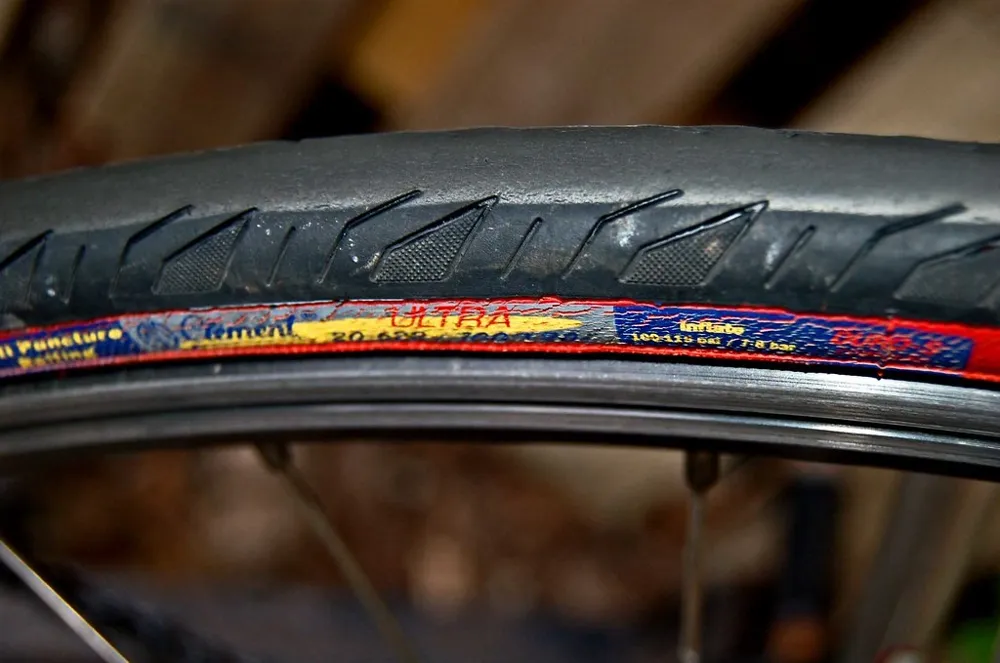
Wheel-on trainers add rear tire wear: the roller can flatten and square off a normal road tire, which is why many riders fit a dedicated trainer tire. Direct-drive trainers avoid tire wear but need a correctly installed cassette, and some need an adapter for your axle type.
Exercise bikes need little upkeep: wipe them down, check bolts and the belt now and then, and replace felt pads on friction models when they wear. Magnetic and electromagnetic resistance has no pads to rub. Smart bikes and smart trainers occasionally need firmware updates and, for some trainers, a spin-down calibration.
Cost Tiers
Both sides span a wide range, so compare like with like:
| Option | Typical Tier | Hidden Costs |
|---|---|---|
| Basic wheel-on trainer or rollers | Budget | Trainer tire; a sensor or power meter for apps |
| Smart wheel-on trainer | Budget to mid-range | App subscription |
| Direct-drive smart trainer | Mid-range to premium | Cassette (if not included), axle adapter, app subscription |
| Basic upright, recumbent or spin bike | Budget to mid-range | Little beyond the bike |
| Connected studio bike | Mid-range to premium | Ongoing membership |
| Smart bike | Premium | App subscription |
Remember that a trainer only works with a bike. If you don't own one, add the cost of a bike to the trainer side; our bike buying guide can help.
Bike Trainers Worth a Look
For a full ranking, see the best bike trainers. These three cover the main trainer styles:
1. Wahoo KICKR CORE 2
A smart direct-drive trainer: you remove your rear wheel and mount the bike on the trainer's cassette (this version comes with an 11-speed cassette). It connects to Zwift and other apps and controls resistance automatically, including ERG mode.
Good to Know
- Rides your own bike with your own fit
- Quieter than wheel-on trainers
- App-controlled resistance
Watch Out For
- Needs a power outlet
- Check axle and cassette compatibility
2. Saris Fluid2
A long-running fluid wheel-on trainer. Fluid resistance rises progressively as you pedal harder, and setup is quick because the rear wheel stays on. It doesn't control resistance through apps.
Good to Know
- No wheel removal
- Progressive resistance feel
Watch Out For
- Louder than direct drive
- Wears the rear tire; a trainer tire helps
3. Elite Quick-Motion Rollers
Rollers with parabolic drums that guide the wheel toward the center and a floating frame that moves with the bike. Elite lists three magnetic resistance levels and a chassis that folds into three sections for storage.
Good to Know
- Builds a smooth pedal stroke and balance
- Folds for storage
Watch Out For
- Learning curve
- No power data without a power meter
Exercise and Smart Bikes Worth a Look
These cover the main exercise bike styles, from a connected spin bike to a full smart bike:
1. Schwinn IC4
A spin-style indoor cycling bike with a 40 lb flywheel and 100 levels of magnetic resistance set by a knob. It connects over Bluetooth to apps including Zwift, the Peloton app and JRNY, and comes with dual-sided pedals (toe cages on one side, SPD clips on the other) and a Bluetooth heart rate armband.
Good to Know
- Always ready to ride
- Works with several apps
- Listed 330 lb maximum user weight
Watch Out For
- Resistance is set manually
- Fit is less precise than a road bike
2. Schwinn 290 Recumbent Bike
A recumbent bike with 25 levels of magnetic resistance, a padded seat with a ventilated backrest, and Bluetooth that works with JRNY and Zwift (both separate subscriptions). Schwinn lists a 330 lb maximum user weight.
Good to Know
- Supportive backrest and stable seat
- Easy for several people to adjust
Watch Out For
- Long footprint
- Not a cycling-specific training position
3. Wahoo KICKR BIKE SHIFT
A smart bike with electromagnetic resistance, adjustable fit, a choice of crank lengths from 165 to 175 mm and customizable virtual shifting. Reviewers list ±1% power accuracy and up to 2,200 W of resistance. Unlike the KICKR BIKE PRO, it simulates gradient without physically tilting. Check Wahoo or a bike retailer for availability.
Good to Know
- Road-bike fit without your own bike
- Works with Zwift and other apps
Watch Out For
- Premium cost tier
- Heavy and needs a dedicated spot
4. Zwift Ride
An adjustable smart frame paired with a Wahoo KICKR CORE smart trainer, Zwift Play controllers and 24 virtual gears. Saddle height, bar height and reach adjust with a 6 mm key stored in the frame, and it is listed for riders from about 5 ft to 6 ft 6 in. It is sold by Zwift and Wahoo.
Good to Know
- Built for sharing between riders
- Smart trainer accuracy and feel
Watch Out For
- Designed around the Zwift app
- Takes floor space like any indoor bike
Which Should You Choose?
| If You... | Choose |
|---|---|
| Own a road bike and train for events or racing | Direct-drive smart trainer |
| Want to ride indoors only in winter and store the setup in summer | A trainer that folds |
| Are on a tight budget and already own a bike | Basic wheel-on trainer |
| Want better bike handling and a smoother pedal stroke | Rollers |
| Don't own a bike and want general fitness | Upright or spin bike |
| Want back support or an easy step-on seat | Recumbent bike |
| Love instructor-led classes | Connected studio bike |
| Share with a partner or family and want Zwift-style training | Smart bike |
Many cyclists end up with a trainer because they already own a bike and want to keep their fit. Households where several people ride, and people who simply want to get on and pedal, tend to be happier with an exercise or smart bike. If you have a health condition or an injury, check with a doctor or physical therapist before starting a new indoor training plan.
Whichever you choose, a fan and a floor mat make indoor riding far more comfortable, and a bike computer or heart rate strap helps track effort on setups without power data.
Ready to buy a trainer? Compare the best bike trainers, the best smart bike trainers or our direct drive vs wheel-on guide.
Frequently Asked Questions
Is a bike trainer or an exercise bike better for fitness?
Both give an effective, low-impact cardio workout. The better choice is the one you will use most: a trainer suits riders who already own a bike and train for outdoor riding, while an exercise bike suits people who want a machine that is always ready.
Can I use Zwift with an exercise bike?
Yes, if the bike can send data over Bluetooth. Some exercise bikes, such as the Schwinn IC4 and Schwinn 290, list Zwift compatibility, but only smart bikes and smart trainers let the app change resistance automatically on most setups. Check the maker's list of compatible apps.
Is a smart bike worth it over a smart trainer?
A smart bike makes sense if several people share it, you don't own a suitable bike, or you want zero setup. If you already have a road bike, a direct-drive smart trainer gives similar app features in a smaller package and at a lower cost tier.
Does riding on a trainer damage your bike?
A trainer won't harm a bike that is mounted correctly, but sweat is corrosive and wheel-on trainers wear the rear tire. Wipe the bike down after rides, use a trainer tire on wheel-on models, and keep an eye on drivetrain wear.
Which is quieter, a trainer or an exercise bike?
Direct-drive trainers and magnetic exercise bikes are both fairly quiet. Wheel-on trainers are louder because the tire spins on a roller, and friction-pad spin bikes can be noisier than magnetic ones.
Is a recumbent exercise bike better for bad knees or a sore back?
Recumbent bikes have a backrest and a reclined, stable seat, which many people with joint or back concerns find easier. Ask a doctor or physical therapist before starting if you have an injury or a health condition.