Best Fat Tire Electric Bikes for Any Terrain (2026)
Fat tire e-bikes from Heybike, Jasion, ENGWE and Vivi, plus the dealer-sold favorites, with a guide to tire width, pressure, motors and weight.
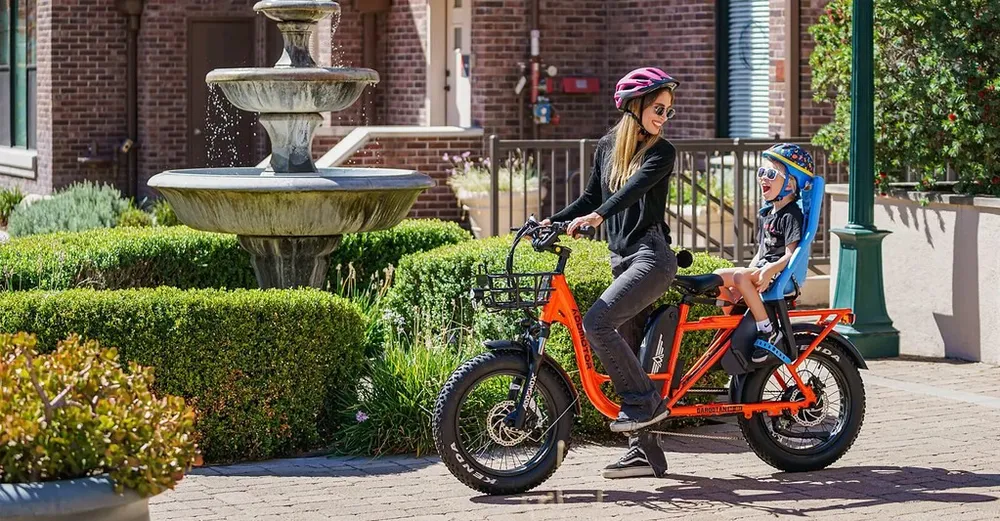
Why Ride a Fat Tire E-Bike?
Fat tire e-bikes roll on tires roughly 3 to 4+ inches wide, run at low pressure. That gives them big traction and float on sand, snow, gravel and loose trails, plus a cushioned ride on rough streets. Add a motor and the extra weight and rolling resistance stop mattering much, which is why fat tire e-bikes are popular for beach towns, winter commuting, hunting and fishing trails, camping and comfort-focused riders.
The trade-offs are weight (often 60–80 pounds), slower rolling on pavement and shorter range than a skinny-tire e-bike with the same battery. Here are the best options, followed by a guide to tire width, pressure, motors and care.
Jasion Thunder
Best full-size fat tire e-bike
- 26x4-inch tires
- 400 lb load capacity
- Long-range battery options
Heybike Ranger 3.0 Pro
Best folding fat tire
- 20x4-inch tires, folding
- 720Wh battery
- Step-through, hydraulic brakes
Vivi ACE07
Best step-through fat tire
- 26x4-inch tires
- Step-through frame
- 330 lb load rating
Fat Tire E-Bikes Compared
| Bike | Tires | Motor / Speed (Listed) | Battery | Notes |
|---|---|---|---|---|
| Jasion Thunder | 26x4" | 1,800W peak / up to 30 mph | Long-range options | 400 lb load capacity |
| Heybike Ranger 3.0 Pro | 20x4" | 1,200W peak, 85Nm / 28+ mph | 720Wh | Folding, step-through, about 75 lb |
| Vivi ACE07 | 26x4" | 750W rated | See listing | Step-through, 330 lb load |
| ENGWE EP-2 3.0 | 20x4" | 90Nm, torque sensor / 28 mph | Removable | Folding, 330 lb load |
| Heybike Mars 3.0 | 20x4" | 1,400W peak, 95Nm / up to 32 mph | 48V removable | Folding, about 70 lb |
| Heybike Ranger 2.0 | 20x4" | 1,400W peak | 600Wh | Folding, step-through |
Specs from each maker's Amazon listing. Several of these list speeds or peak power beyond US e-bike class limits; set the bike to the class allowed where you ride.
The Best Fat Tire Electric Bikes
1. Jasion Thunder
A full-size fat tire e-bike on 26x4-inch tires with an 1,800W peak motor, a listed top speed of up to 30 mph and a 400-pound load capacity, with long-range battery options. Big wheels and wide tires make it stable on sand, gravel and snow and comfortable for bigger riders.
Good to Know
- High load capacity
- Big wheels roll over obstacles
Watch Out For
- Top speed exceeds Class 3; set your limit
- Heavy and long to store
2. Heybike Ranger 3.0 Pro
A folding, step-through fat tire e-bike with 20x4-inch tires, a 1,200W peak motor with 85Nm of torque, a 720Wh battery and dual hydraulic brakes. At about 75 pounds it's heavy, but it folds to fit in an SUV or RV.
Good to Know
- Folds for transport
- Easy step-through mounting
- Big battery
Watch Out For
- Heavy to lift when folded
3. Vivi ACE07
A step-through fat tire e-bike on 26x4-inch tires with a 750W rated motor and a 330-pound load rating. The low frame and big tires suit riders who want stability and easy mounting for beach paths and gravel roads.
Check Price on Amazon4. ENGWE EP-2 3.0
A folding fat tire bike with a torque sensor, a 90Nm motor and 20x4-inch tires, listed at up to 28 mph and a 330-pound load. The torque sensor gives smoother power in loose sand and snow, where sudden surges can spin the rear wheel.
Check Price on Amazon5. Heybike Mars 3.0
A strong, folding fat tire bike with a 1,400W peak motor, 95Nm of torque and 20x4-inch tires that Heybike pitches for beach, mud, gravel and snow. It weighs about 70 pounds. See also our folding e-bike guide.
Check Price on Amazon6. Heybike Ranger 2.0
A step-through folding fat tire bike with a 1,400W peak motor, 600Wh battery and 20x4-inch tires.
Check Price on AmazonPopular Fat Tire E-Bikes Sold Direct
Many of the most-reviewed fat tire e-bikes are sold through brand websites and dealers:
- Aventon Aventure.3: a 4-inch-tire bike with a torque sensor, suspension fork and step-through option.
- Lectric XPeak 2: a value-focused 4-inch-tire bike with a suspension fork, offered in step-over and step-through.
- Velotric Nomad 2 and Nomad 2X: comfort-focused fat tire bikes; the 2X adds full suspension.
- Mokwheel Basalt 2.0: a 26x4-inch bike pitched at camping and outdoor trips.
- Aventon Aventure M: a fat tire bike with a mid-drive motor for climbing.
- Ride1Up Revv 1: a moped-style fat tire bike whose unrestricted modes go beyond e-bike classes.
Before buying any bike, check the CPSC recalls page for safety notices on that brand and model.
Pros and Cons of Fat Tire E-Bikes
Good to Know
- Traction on sand, snow, gravel and loose trails
- Cushioned, stable ride
- Confidence-inspiring for new riders
- Many models fold or come in step-through frames
Watch Out For
- Heavy to lift and store
- Slower and less efficient on pavement
- Shorter range for the same battery
- Tires cost more to replace
Tire Width: 3 vs 4 vs 4.5+ Inches
| Tire Width | Best For | Trade-Offs |
|---|---|---|
| About 2.5–3" | Pavement, gravel, light trails; efficient all-rounder | Less float in sand and snow |
| About 4" | Sand, snow, loose trails, beach paths; the classic "fat" e-bike | Heavier, slower on pavement |
| About 4.5"+ | Deep snow and soft sand | Heaviest; needs wide frames and rims |
Wheel diameter matters too. 20-inch fat tire bikes are compact and often fold; 26-inch fat tire bikes roll over obstacles more easily and feel more stable at speed.
Tire Pressure for Fat Tires
Pressure is the biggest lever you have on a fat tire bike. Always stay within the range printed on the tire sidewall.
- Pavement and heavy loads: use the higher end of the range for lower rolling resistance, better steering and less risk of pinching the tire on the rim.
- Gravel and dirt: drop a few psi for grip and comfort.
- Sand and snow: go lower so the tire spreads out and floats; some riders run as low as about 5 psi in deep snow.
Use a gauge that reads accurately at low pressures; small changes make a big difference on fat tires. For more, see our fat bike guide.
How to Choose a Fat Tire E-Bike
Motor and Torque
Fat tires add rolling resistance, so torque matters. Look at torque in newton-meters (Nm) for hills and starting in sand. Most fat tire e-bikes use rear hub motors; mid-drives give better balance and climbing on steep trails. In the US, e-bikes are limited to 750W under the three-class system; many fat tire bikes advertise higher peak power.
Sensor
A torque sensor gives smooth, proportional power that helps on loose surfaces. A cadence sensor gives easy, steady assist. Some bikes let you switch.
Battery and Range
Fat tires use more energy, so choose a bigger battery (compare watt-hours) if you ride far or in sand and snow. See our battery guide.
Suspension
- Rigid: lightest and simplest; fat tires provide some cushioning.
- Front suspension: the common choice for comfort on rough roads and trails.
- Full suspension: most comfortable off-road; heaviest.
- Suspension seatpost: an easy comfort upgrade.
Frame and Fit
Step-through frames are easier to get on and off and are common on fat tire e-bikes. Check the rider height range, standover height and max load rating, especially for bigger riders or carrying cargo.
Brakes
Heavy bikes need strong brakes; hydraulic disc brakes with large rotors are best.
Riding in Sand and Snow
- Lower your tire pressure before you hit soft terrain.
- Use a low to medium assist level and smooth pedaling; too much power spins the rear wheel.
- Keep your weight back and steer gently; let the front wheel find its line.
- Rinse off sand and salt after rides and dry the chain, but don't pressure-wash electrical parts.
- In cold weather, store and charge the battery indoors.
- Check local rules: many beaches and trails restrict motorized bikes.
How Long Do Fat Tires Last?
It depends on tread, pressure, rider weight, terrain and how much you use the throttle. Riding on pavement wears knobby tread faster than soft surfaces. Replace tires when the tread is worn flat, the casing is cut or the sidewalls crack. Riding at the right pressure is the best way to make tires last.
Security and Battery Theft
Fat tire e-bikes are a common target for thieves, and batteries can be stolen on their own. Lock the frame with a heavy U-lock or chain, take the battery inside, and store the bike indoors overnight.
Weight, Transport and Storage
Fat tire e-bikes commonly weigh 60 to 80 pounds. Use a hitch rack rated for the bike's weight (and wide enough for fat tires), remove the battery before lifting and consider a loading ramp. Folding fat tire models fit in SUVs and RVs but are still heavy. See e-bike weight and e-bike racks.
Maintenance
- Check tire pressure before each ride.
- Inspect tires for cuts; fat tires are pricier to replace, so catch problems early.
- Keep the chain clean and lubed, especially after sand or salt.
- Check brake pads often; heavy bikes wear them faster.
- Tighten bolts, especially on folding hinges.
Safety and Legal Notes
- Choose bikes and batteries certified to UL 2849 or UL 2271.
- Many fat tire bikes can be set above Class 3 speeds or 750W; on public roads and paths, use the class allowed locally. See e-bike classes.
- Wear a helmet and use lights; see bike helmets.
Related Guides
Browse the best electric bikes, electric mountain bikes, e-bikes for seniors or the fastest e-bikes.
Frequently Asked Questions
Are fat tires better on an e-bike?
For sand, snow, gravel, loose trails and a cushioned ride, yes. On smooth pavement, narrower tires roll faster and use less battery. Fat tires trade efficiency for traction and comfort.
What are the disadvantages of fat tire e-bikes?
They're heavy, harder to lift and store, roll slower on pavement, use more battery, and the tires cost more to replace. They can also feel sluggish to steer at low speed.
Are fat tire e-bikes harder to pedal?
Without the motor, yes: wide tires at low pressure create more rolling resistance and the bikes are heavy. With pedal-assist on, most riders barely notice.
Can you ride a fat tire e-bike on the road?
Yes. Many riders use them for commuting. Run the tires at the higher end of their pressure range on pavement to reduce drag and improve handling.
Are fat tire e-bikes good for winter?
They're a popular choice for snow because wide, low-pressure tires spread your weight and add traction. Bring the battery indoors to charge and store it in cold weather.
What tire pressure should fat e-bike tires run?
Use the range printed on the tire sidewall. Run the higher end on pavement or with heavy loads and lower pressures in sand and snow; some riders go as low as about 5 psi in deep snow.
How much does a fat tire e-bike weigh?
Many weigh roughly 60 to 80 pounds, and some full-suspension or long-range models weigh more.
What's the difference between 3-inch and 4-inch tires?
3-inch tires are a good all-rounder that roll more efficiently on pavement and mixed terrain. 4-inch tires give more float and traction in sand and snow and a softer ride, at the cost of weight and speed.