Best Folding Electric Bikes That Go Anywhere (2026)
Folding e-bikes from Heybike, Jasion, Gotrax and ENGWE, plus the dealer-sold favorites, with a guide to folded size, weight, wheels and safety.
Why Choose a Folding E-Bike?
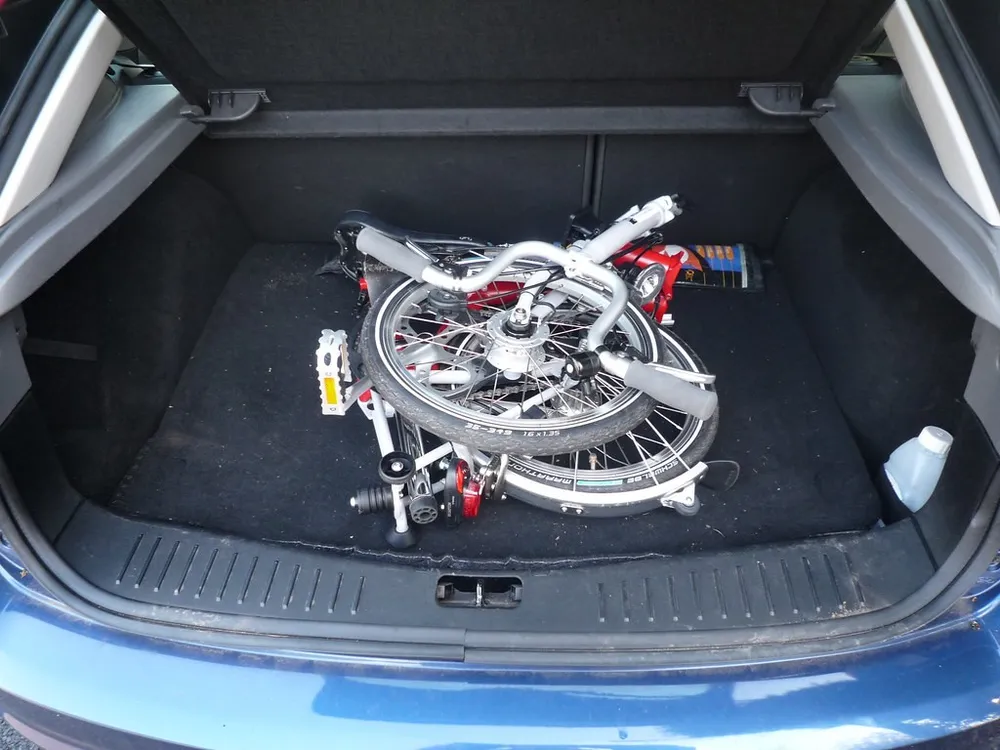
A folding electric bike packs a full commuter into a bundle you can slide into a car trunk, carry onto a train, wheel into an elevator or tuck under a desk. It's the answer for apartment dwellers, multimodal commuters, RV and boat owners and anyone short on storage.
The trade-offs: folding e-bikes are often heavier than they look (batteries and motors don't fold), small wheels ride rougher, and hinges need care. The right pick depends on whether you'll mostly fold and carry (go light) or fold and store (bigger battery and fat tires are fine).
Jasion EB6
Best value folder
- Folding frame, 48V removable battery
- Listed up to 25 mph
- About 59 lb
Heybike Mars 3.0
Best fat tire folder
- 20x4-inch tires
- 95Nm, 1,400W peak motor
- About 70 lb
Gotrax R1
Best lightweight budget folder
- About 45 lb
- 350W rated motor, 20 mph
- UL 2849 listed
Folding E-Bikes Compared
| Bike | Wheels | Motor / Speed (Listed) | Battery | Weight | Notes |
|---|---|---|---|---|---|
| Jasion EB6 | 20" | 1,200W peak / up to 25 mph | 48V removable | About 59 lb | Value commuter |
| Heybike Mars 3.0 | 20x4" fat | 1,400W peak, 95Nm / up to 32 mph | 48V removable | About 70 lb | Fat tires for sand and gravel |
| Gotrax R1 | 20" | 350W rated (500W peak) / 20 mph | Removable | About 45 lb | UL 2849 |
| ENGWE EP-2 3.0 | 20x4" fat | 90Nm, torque sensor / 28 mph | Removable | See listing | 330 lb load |
| Heybike Ranger 2.0 | 20x4" fat | 1,400W peak | 600Wh | See listing | Step-through |
Specs from each maker's Amazon listing. Speeds above 20 mph (or 28 mph) and peak power above 750W may put a bike outside e-bike classes where you ride; see e-bike classes.
The Best Folding Electric Bikes
1. Jasion EB6
A practical folding commuter with a 48V removable battery, a motor Jasion lists at 1,200W peak and a top speed of up to 25 mph. At about 59 pounds, it's mid-weight for the category. It's designed for apartment living and riders who mix bike and transit.
Good to Know
- Good value
- Removable battery for indoor charging
Watch Out For
- Set speed to your local class limit
2. Heybike Mars 3.0
A fat-tire folder with 20x4-inch tires for sand, gravel, mud and snow, a 1,400W peak hub motor with 95Nm of torque and a 48V removable battery. Heybike lists it at about 70 pounds and a top speed of up to 32 mph (above Class 3, so set it to your local limit). Reviewers note its stiff hinge can make folding a two-person job.
Good to Know
- Goes off pavement
- Strong acceleration and climbing
Watch Out For
- Heavy to carry
- Top speed exceeds e-bike classes
3. Gotrax R1
One of the lighter folding e-bikes on Amazon at about 45 pounds, with a 350W rated (500W peak) motor, a 20 mph top speed and UL 2849 listing. It suits shorter commutes and riders who need to lift the bike often.
Good to Know
- Lighter to carry
- Safety-certified electrical system
Watch Out For
- Smaller motor for steep hills
4. ENGWE EP-2 3.0
A folding fat-tire bike with a torque sensor for natural-feeling assist, a 90Nm motor, 20x4-inch tires, a listed top speed of 28 mph and a 330-pound load rating.
Check Price on Amazon5. Heybike Ranger 2.0
A step-through folding fat-tire e-bike with a 1,400W peak motor, 600Wh battery and 20x4-inch tires. The low step-over makes mounting easier for shorter riders and anyone with limited mobility.
Check Price on AmazonPopular Folding E-Bikes Sold Direct
Several of the most-reviewed folding e-bikes are sold mainly through their makers' websites or bike shops:
- Lectric XP4: a best-seller that folds at the frame and handlebars, with 20x3-inch tires and a choice of motor and battery sizes.
- Velotric Fold 1 Plus: praised for comfort and range, with switchable torque and cadence sensing.
- Ride1Up Portola: a value folder with a suspension fork, popular with shorter and average-height riders.
- Brompton Electric (C, P and G Line): the classic compact three-part fold, much smaller and lighter folded than most e-bikes, with small wheels and a lower-power front or rear motor.
- Dahon K-Feather and Urtopia Carbon Fold 1: lightweight folders, around 30 pounds or less, with small batteries.
Pros and Cons of Folding E-Bikes
Good to Know
- Fits in cars, RVs, boats, closets and under desks
- Easier to take on transit
- Can be stored indoors, away from thieves
- Most adjust to fit many rider heights
Watch Out For
- Often heavy for their size
- Small wheels ride rougher
- Hinges need regular checks
- Less stable at high speed than full-size e-bikes
How to Choose a Folding E-Bike
Folded Size and How It Folds
Most folding e-bikes fold in half at a frame hinge and fold the handlebar stem down; some also fold the pedals. Compact designs like Brompton's fold much smaller than typical 20-inch folders. Check the folded dimensions against your trunk, closet or desk space, and check how the bike stays folded (magnets, straps or clips) and whether you can roll it while folded.
Weight
Folding e-bikes commonly weigh 35 to 70 pounds. If you'll carry it up stairs or onto trains every day, aim for the lighter end and a removable battery. If it'll live in a car or RV and be wheeled around, weight matters less. See how much e-bikes weigh.
Wheel and Tire Size
| Wheels | Pros | Cons |
|---|---|---|
| 14–16" | Smallest, lightest fold; best for trains and tiny spaces | Rougher ride, less stable at speed |
| 20" (standard tires) | Good balance of ride and fold | Bigger folded size |
| 20" x 3–4" fat | Cushioned, stable, handles sand and gravel | Heaviest; bulkier fold; slower rolling |
Motor, Sensor and Battery
Most folders use rear hub motors. Torque sensors give smoother, more natural assist; cadence sensors give a steady push. For range, compare battery capacity in watt-hours and make sure the battery is removable. Learn more in how e-bikes work.
Fit for Short and Tall Riders
Folding bikes are usually "one size fits most," thanks to long seatposts and adjustable stems. Check the listed rider height range, the minimum and maximum saddle height and the max load rating. Step-through frames help shorter riders and those with limited mobility.
Brakes and Suspension
Hydraulic disc brakes give strong, easy stopping, which matters on heavier bikes. A suspension fork and fat tires make small wheels more comfortable on rough streets.
Class and Speed
Many folders let you switch between Class 1, 2 and 3 settings. Choose the setting that matches where you ride; Class 3 is often not allowed on multi-use paths.
Folding E-Bikes on Transit, in Cars and on Planes
- Trains and buses: many systems allow folded bikes, sometimes only when bagged or off-peak, but some restrict e-bikes or lithium batteries. Check your agency's rules.
- Cars: remove the battery first, lift with your legs, and protect the trunk with a blanket. Carry the battery inside the car, out of the sun.
- RVs and boats: store the bike folded and secured, and keep batteries in a cool, dry place.
- Planes: e-bike batteries are generally too large to fly on passenger planes, so most travelers ship the bike or rent at their destination. See our battery guide.
Hinge and Folding Mechanism Care
- Before every ride, make sure every latch and hinge is fully closed and locked.
- Check for play or wobble at the frame hinge and stem; adjust or have a shop check it if you feel movement.
- Keep hinges clean and lightly lubricated as the maker recommends, especially in humid or coastal areas.
- Watch for pinched or stretched cables when folding; route them as the manual shows.
- Have a shop inspect the hinge and frame if you see cracks, rust or bent parts.
Battery Safety
Look for e-bikes certified to UL 2849 (complete electrical system) or batteries certified to UL 2271. Charge indoors with the original charger, never unattended or overnight, and keep the battery away from exits. Folding e-bikes often live in small apartments, so follow these rules closely.
Security
A folded e-bike stored indoors is the safest from thieves. When you must lock it outside, use a good U-lock or chain, lock through the frame and take the battery with you.
Related Guides
Want bigger tires? See fat tire e-bikes. Riding for comfort? See e-bikes for seniors. Compare with folding electric scooters, or browse the best electric bikes.
Frequently Asked Questions
What are the downsides of folding electric bikes?
They're often heavy for their size, small wheels feel less smooth on rough roads, hinges need regular checks, and many aren't as stable at high speed as full-size e-bikes. Folding also takes practice.
How much do folding electric bikes weigh?
Most weigh roughly 35 to 70 pounds. Lightweight models with small batteries can be under 30 pounds, while fat-tire folders often weigh 65 to 75 pounds.
Can folding e-bikes go long distances?
Yes. Many have batteries of 500Wh or more, similar to full-size e-bikes. Range depends on battery size, assist level, terrain and rider weight.
Are folding e-bikes allowed on trains and buses?
Many transit systems allow folded bikes, sometimes when bagged or outside rush hour, but rules on e-bikes and batteries vary. Check your transit agency's policy before you ride.
Do folding e-bikes fit in a car trunk?
Many do, especially 20-inch models. Compare the bike's folded dimensions with your trunk opening and depth, and remove the battery before lifting it in.
Are 20-inch wheels better than 16-inch?
20-inch wheels roll more smoothly over bumps and feel more stable. 16-inch wheels fold smaller and lighter, which is better for trains and small apartments.
Are folding e-bikes safe?
Quality folding e-bikes are designed and tested for everyday riding. Always make sure latches and hinges are fully locked before riding, check them regularly, and stay within the weight limit.
Can tall or heavy riders use a folding e-bike?
Many can. Look for a long seatpost and adjustable stem, a high max load rating and 20-inch wheels. Check the rider height range on the listing.