Lightweight E-Bikes You Can Actually Carry Upstairs (2026)
Most e-bikes weigh 50 pounds or more. These lighter models, from minimalist city bikes to drop-bar road e-bikes, are easier to lift, carry and rack, with the trade-offs explained.
What Counts as a Lightweight Electric Bike?
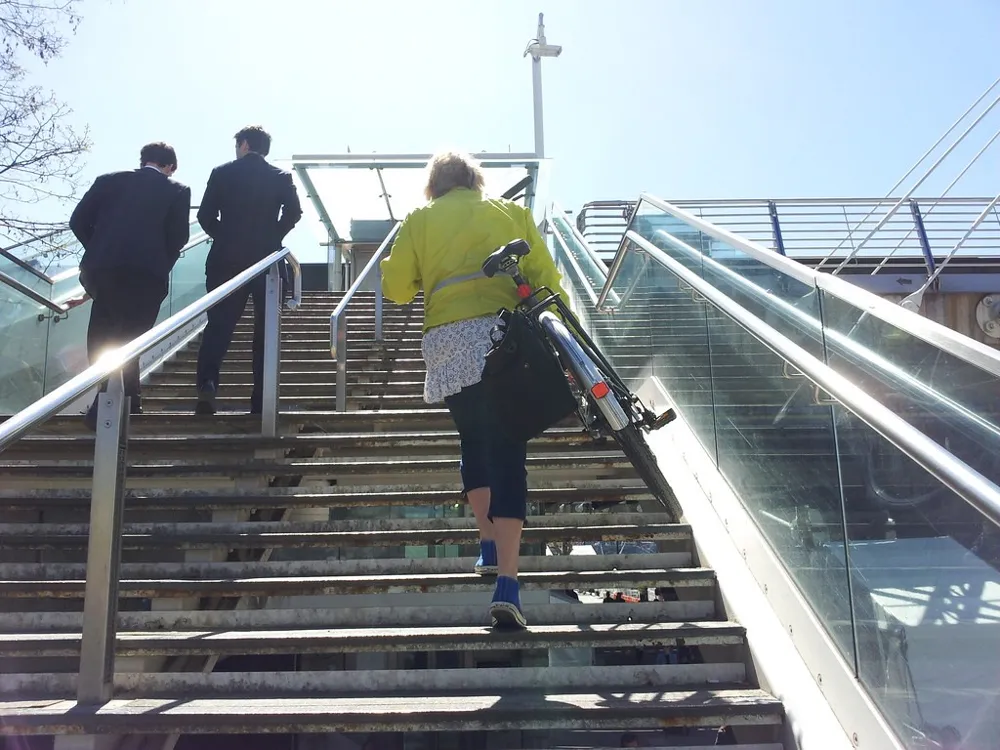
Most electric bikes weigh roughly 40 to 70 pounds, and the average is often put at around 50 to 55 pounds (see our full breakdown in how much does an electric bike weigh). A lightweight e-bike is one you can lift onto a car rack, carry up a flight of stairs or ride with the motor off without a struggle. There's no official definition, but these bands match how most guides and makers use the term:
| Weight Band | What You'll Find | Examples (Maker-Listed Weight) |
|---|---|---|
| Under 30 lb | Carbon drop-bar road and gravel e-bikes with small batteries | Canyon Endurace:ONfly SUB-10 (9.86kg, about 22 lb); Trek Domane+ SLR (about 26 lb) |
| About 30–40 lb | Minimalist city and fitness e-bikes, light hybrids | Fiido Air (30.3 lb with battery); Aventon Soltera 3 ADV (37 lb); Velotric Tempo (39 lb with battery) |
| About 40–50 lb | "Reasonably light" commuters and many light folding e-bikes | Aventon Soltera 2.5 (46 lb); Gotrax R1 folder (about 45 lb) |
| 50 lb and up | Typical commuter, cruiser, fat tire and cargo e-bikes | Most full-power e-bikes with big batteries |
One independent e-bike site describes anything around 40 pounds or less as a proper lightweight e-bike and around 50 pounds as reasonably lightweight, which lines up with these bands. Always check whether a listed weight includes the battery; makers don't weigh bikes the same way, and some quote a specific frame size.
Our picks below focus on full-size, non-folding e-bikes you can buy online. Folding models are covered separately in our best folding electric bikes guide, because folding adds hinges and often weight.
Velotric Tempo
Best for most commuters
- 39 lb with battery, 34 lb without
- Removable 374Wh battery
- UL 2849, switchable Class 1/2/3
Aventon Soltera 3 ADV
Best minimalist belt-drive e-bike
- Listed at 37 lb
- Gates carbon belt, single speed
- Class 1 with a torque sensor
Aventon Soltera 2.5
Best light e-bike with a throttle
- Listed at 46 lb
- Removable battery, about 4.1 lb
- UL 2849, Class 2
Lightweight E-Bikes Compared
| Model | Listed Weight | Battery | Motor | Class / Assist | Where Sold |
|---|---|---|---|---|---|
| Velotric Tempo | 39 lb with battery; 34 lb without | 374Wh, removable | 350W (650W peak), 45Nm | Class 1/2/3, up to 28 mph | Amazon, Velotric |
| Aventon Soltera 3 ADV | 37 lb | 366.8Wh, internal (4.2 lb) | 250W, 40Nm | Class 1, 20 mph | Amazon, Aventon, shops |
| Aventon Soltera 2.5 | 46 lb | 345.6Wh, removable (4.14 lb) | 350W rear hub (540W peak), 45Nm | Class 2, 20 mph | Amazon, Aventon, shops |
| Fiido Air | 30.3 lb with battery | 208.8Wh, internal | 250W | Assist to 15.5 mph (listed) | Fiido |
| Tenways CGO600 Pro | 37 lb | Not listed on product page | Rear hub, torque sensor | Check listing | Tenways |
| Velotric T1 ST Plus | 39 lb | 352.8Wh, built in | 350W hub (600W peak), 40Nm | Class 1/3, up to 28 mph | Velotric, shops |
| Ride1Up Roadster V3 | About 40 lb | 360Wh, removable | 500W geared hub, 50Nm | Class 1–3, up to 28 mph | Ride1Up |
| Trek FX+ 7 | About 40 lb | Range extender available | Lightweight system | Assist up to 28 mph | Trek dealers |
| Trek Domane+ SLR | About 26 lb | 360Wh + optional 160Wh extender | TQ HPR50 mid-drive | Assist up to 28 mph | Trek dealers |
| Canyon Endurace:ONfly | From 9.86kg (SUB-10) | 290Wh | TQ HPR40 mid-drive | Check US listing | Canyon |
Specs are from each maker's product page as of November 2026. Most makers don't say whether the listed weight includes the battery unless noted; weights often refer to one frame size.
The Best Lightweight Electric Bikes
1. Velotric Tempo
The Tempo is one of the few lightweight e-bikes whose maker lists the weight both ways: 39 pounds with the battery and 34 pounds without. That makes it a strong fit for riders who carry the bike up stairs, because the removable, lockable 374Wh battery comes out first. The motor is rated at 350W nominal (650W peak) with 45Nm of torque, and a feature Velotric calls SensorSwap switches between torque and cadence sensing. It can be set as a Class 1, 2 or 3 e-bike, with a default top assisted speed of 20 mph adjustable up to 28 mph; the detachable thumb throttle doesn't work in Class 3 mode.
Velotric lists UL 2849 certification for the electrical system, UL 2271 for the battery and UL 2580 cells, plus a 330-pound maximum load. Other specs include Shimano 8-speed gearing, Shimano hydraulic disc brakes with 180mm rotors, 700x42c puncture-resistant gravel tires and a 6061 aluminum frame in mid-step or high-step styles, each in two sizes. Velotric's range figure is up to 60 miles with pedal assist.
Good to Know
- Weight listed with and without the battery
- Removable battery and UL 2849 listing
- Mid-step and high-step frames
Watch Out For
- Smaller battery than most full-power commuters
- No throttle in Class 3 mode
2. Aventon Soltera 3 ADV
The Soltera 3 ADV strips the e-bike down to the essentials. Aventon lists it at 37 pounds, with a single-speed Gates Carbon Belt Drive (no chain to oil and no derailleur), a 250W, 40Nm motor and a double-sided torque sensor for natural-feeling assist. It's a Class 1 e-bike with pedal assist to 20 mph and no throttle, which keeps it legal on more bike paths where Class 1 is allowed (see e-bike classes).
The integrated 366.8Wh battery weighs 4.2 pounds and sits inside the frame; Aventon describes it as internal, so plan to charge the bike near an outlet rather than carrying the battery indoors. Other specs: Tektro hydraulic disc brakes with 180mm rotors, 700x38c Kenda tires, a 300-pound total weight limit and a listed range of up to 70 miles in Eco mode. Aventon lists TÜV certification for the bike and battery on the product page; check the current listing if UL 2849 matters for where you live.
Good to Know
- Light, low-maintenance belt drive
- Torque sensor for a bike-like ride
- Class 1 for wider trail access
Watch Out For
- Single speed is hard work on steep hills
- Battery isn't designed to be removed
3. Aventon Soltera 2.5
If you want a throttle but still need something you can lift, the Soltera 2.5 is a middle ground. Aventon lists the bike at 46 pounds and the removable 345.6Wh battery at 4.14 pounds, so it's lighter to carry with the battery out. It uses a 350W rear hub motor (540W peak) with 45Nm, a double-sided torque sensor, four assist levels and a left-side throttle, making it a Class 2 e-bike with a 20 mph top speed.
Aventon lists UL 2849 and UL 2271 certification, a 300-pound total weight limit, Shimano 7-speed gearing, Tektro hydraulic disc brakes with 180mm rotors and 700x38c Kenda tires. The listed range is up to 46 miles in Eco mode. It comes in a step-over frame only.
Good to Know
- Throttle plus torque-sensing assist
- Light removable battery
- UL 2849 listed
Watch Out For
- Heaviest of our three picks
- No step-through version listed
More Light E-Bikes From Shops and Direct Brands
Many of the lightest e-bikes are sold through bike shops or directly by their makers rather than on Amazon. These are worth a test ride or a close look at the spec sheet:
- Fiido Air: a carbon fiber city e-bike that Fiido lists at 30.3 pounds including the battery, with a Gates belt drive, hydraulic disc brakes, a 250W motor with a torque sensor and a 208.8Wh internal battery. It has no throttle, a listed assist top speed of 15.5 mph and a 264-pound payload, and an optional range extender is sold separately.
- Tenways CGO600 Pro: listed at 37 pounds, with a rear hub motor, a magnetic torque sensor and either a Shimano 8-speed chain or a Gates belt drive. Tenways lists up to 53 miles of range.
- Velotric T1 ST Plus: a 39-pound fitness e-bike with a built-in 352.8Wh battery, a 350W hub motor with a torque sensor, Class 1/3 settings to 28 mph and UL 2849 certification. The battery isn't removable, so it suits riders who can charge where they park.
- Ride1Up Roadster V3: listed at about 40 pounds, with a removable 360Wh battery, a 500W geared hub motor (50Nm), a torque sensor, a throttle, Class 1–3 settings to 28 mph and UL 2849 certification. It's sold direct; a belt-drive option is also offered.
- Trek FX+ 7: a premium lightweight city e-bike that Trek lists at about 40 pounds, with assist up to 28 mph and an optional range extender. Trek says its e-systems are third-party tested to UL 2849. Lower FX+ models are aimed at riders who want a throttle.
- Specialized Turbo Vado SL 2: part of Specialized's "SL" (superlight) range, but heavier than the first generation. BikeRadar weighed the alloy Vado SL 2 4.0 at 20.4kg (about 45 pounds) with a 520Wh battery, against 16kg for the original Vado SL with its 320Wh battery. Check the current version and frame size before assuming an SL model is light.
Lightweight drop-bar road and gravel e-bikes, such as the Trek Domane+ SLR (about 26 pounds, TQ HPR50 motor, 360Wh battery, optional 160Wh range extender) and the Canyon Endurace:ONfly (TQ HPR40 motor, 290Wh battery, from 9.86kg for the top SUB-10 model), are the lightest of all, but they're premium bikes built for road riders rather than commuters.
Types of Lightweight E-Bikes
Lightweight Road and Gravel E-Bikes
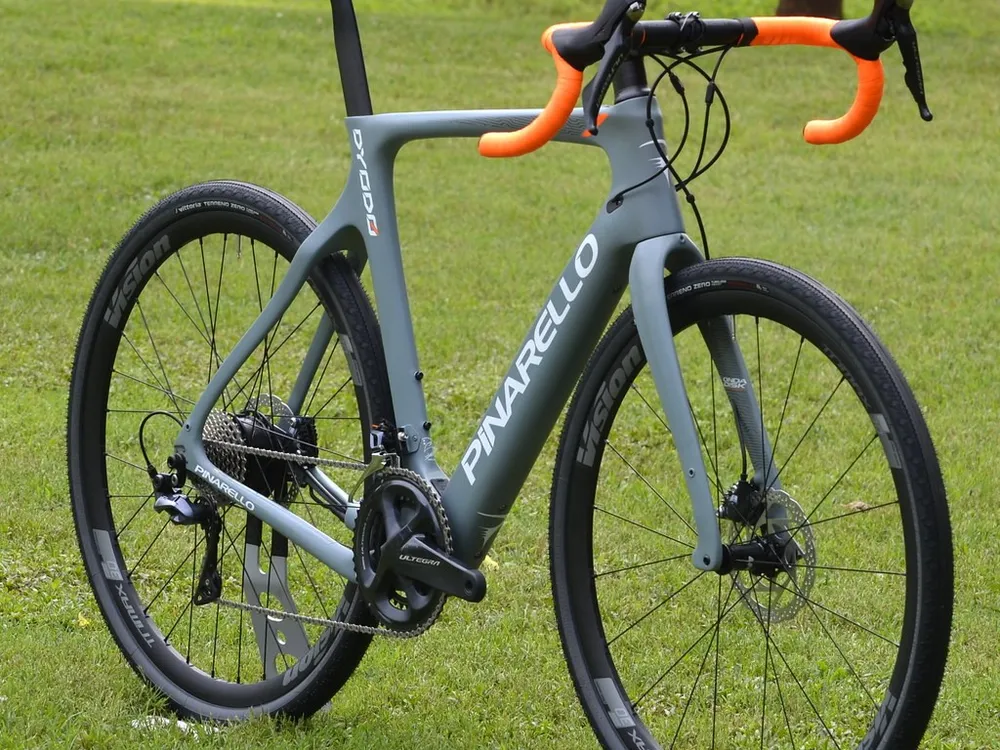
These look almost like regular road or gravel bikes. They use compact mid-drive motors from systems such as TQ, Mahle, Fazua or Specialized SL, small batteries hidden in the frame and often carbon frames. Cycling News notes that motors on lightweight e-bikes typically weigh less than 2kg and produce around 30 to 60Nm of torque, compared with roughly 50 to 90Nm on full-power e-bikes. The result rides like a normal bike with a gentle boost.
Minimalist City and Fitness E-Bikes
The biggest group in the 30 to 40 pound range: flat-bar bikes with a rear hub motor, a 250–375Wh battery, 700c tires and often a belt drive or single speed. The Velotric Tempo, Aventon Soltera, Tenways CGO600 Pro, Fiido Air and Ride1Up Roadster all fit here. They're ideal for commuting, fitness rides and apartment living.
Light Hybrids and Step-Throughs
Slightly heavier (often 40–50 pounds) with racks, fenders, lights or a lower step-through frame. They trade a few pounds for everyday practicality. If you need a very low step-over height, see our e-bikes for seniors guide.
Folding E-Bikes
Folding saves space more than weight. Most folding e-bikes weigh about 35 to 70 pounds, and the hinges and small, wide tires on many models add weight. If you need to fit an e-bike in a car trunk, under a desk or on a train, compare folded weights in our folding electric bike guide.
Lightweight Electric Mountain Bikes
"SL" or light-assist eMTBs use smaller motors and batteries to save weight for trail riding. They're still heavier than a city bike because of suspension and tires; see electric mountain bikes.
What You Give Up for Less Weight
A lighter e-bike is easier to live with, but the weight savings come from somewhere. Here's how lighter bikes usually compare with full-power e-bikes:
| Area | Lightweight E-Bike | Typical Full-Power E-Bike |
|---|---|---|
| Battery | Often about 200–375Wh; road models around 290–360Wh | Often 500Wh or more |
| Range | Shorter on the same assist level; range extenders on some models | Longer, especially with dual batteries |
| Motor torque | About 30–60Nm | About 50–90Nm |
| Hills and loads | Fine for moderate hills; less help with heavy riders or cargo | Better for steep hills, cargo and passengers |
| Throttle | Often none (Class 1 or 3) | Common on Class 2 bikes |
| Comfort | Usually rigid forks and narrower tires | Suspension forks, wider tires and racks more common |
| Riding with motor off | Close to a regular bike | Hard work, especially uphill |
| Carrying and racks | Easy to lift; fits standard racks more often | Often needs an e-bike-rated rack and ramp |
Torque ranges are from Cycling News; battery figures are from the maker listings above. Lighter bikes aren't automatically less capable for most riders. Because they carry less mass, they use their smaller battery efficiently, and many riders find they pedal more and use lower assist levels.
How to Choose a Lightweight E-Bike
- Decide how light you need. If you carry the bike up stairs daily or lift it onto a bus or roof rack, aim for about 40 pounds or less and a removable battery. If you only lift it occasionally, 40–50 pounds opens up more choice, including throttles.
- Check how weight is listed. Look for "with battery" or "without battery," and compare the same frame size. A bike listed at 34 pounds without its battery may weigh about 39 pounds ready to ride, as Velotric's Tempo shows.
- Match the battery to your ride. Measure your round trip and allow a margin for hills, wind and cold. If you ride far, look for an optional range extender. Our e-bike battery guide explains watt-hours and real-world range.
- Choose hub or mid-drive. Rear hub motors are simple and common on light city bikes. Compact mid-drives on road and gravel e-bikes feel more natural through the gears but cost more. See how e-bikes work for the difference.
- Look for a torque sensor. Torque sensors add assist in proportion to how hard you pedal, which suits light bikes meant to feel like a regular bike. Cadence sensors give assist whenever the cranks turn.
- Pick a drivetrain. A belt drive is clean and low maintenance but usually single speed or internally geared. A derailleur with 7–9 gears helps on hills.
- Check the max load. Light bikes can still carry a lot: several here list 300 to 330 pounds total. Subtract your weight and your bag to see what's left.
- Check fit and frame style. Use the maker's height ranges, and consider a mid-step or step-through frame if swinging a leg over is hard.
- Prefer certified electrical systems. Look for UL 2849 on the bike or UL 2271 on the battery (more below).
Our bike buying guide covers frame sizing in more detail, and the best electric bikes covers full-power commuters if weight isn't your top priority.
Motors, Batteries and Where the Weight Goes
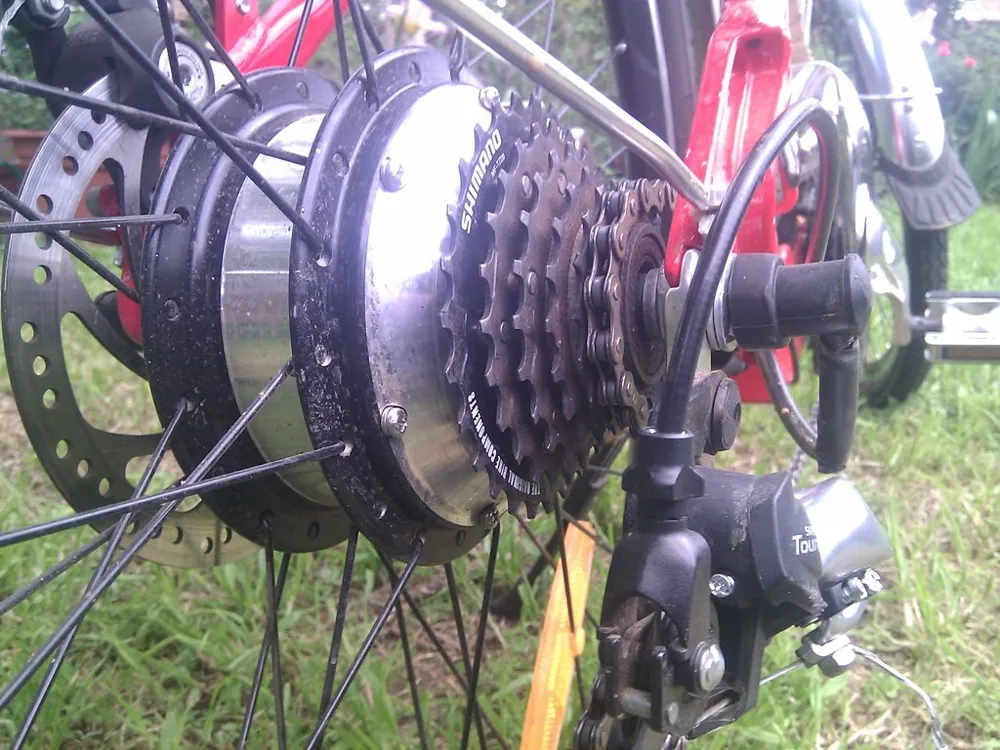
The battery and motor are the two heaviest e-bike parts, so they decide whether a bike can be light:
- Batteries commonly weigh about 5 to 12 pounds on full-size e-bikes. Light bikes cut that roughly in half: Aventon lists the Soltera 3 ADV battery at 4.2 pounds and the Soltera 2.5 battery at 4.14 pounds, and the Tempo's listed weight drops 5 pounds without its battery.
- Motors range from about 3 to 11 pounds. Full-power mid-drives such as Bosch's Performance Line CX weigh about 2.9kg, while lightweight systems such as Fazua weigh about 1.3kg.
- Frames and parts make up the rest. Carbon frames, rigid forks, narrower tires and fewer accessories all save weight.
Removable vs internal batteries: a removable battery makes the bike lighter to lift and lets you charge indoors while the bike stays in a garage or bike room. Internal batteries save weight and look cleaner, but you charge the whole bike at the outlet. Neither is better for everyone; it depends on where you park and charge.
Range extenders: several light e-bikes, including the Trek Domane+ SLR, Trek FX+ 7 and Fiido Air, offer a small add-on battery. It lets you keep the bike light for short rides and add range only when you need it.
Carrying, Stairs and Storage
This is where a lightweight e-bike pays off every day.
- Take the battery off first if it's removable. On the Soltera 2.5, that removes about 4 pounds; on the Tempo, about 5.
- Lift by the seat post or saddle and the handlebar or stem, keeping the bike close to your body. On stairs, some riders rest the top tube on a shoulder; a bike under about 40 pounds makes that realistic for many adults.
- Use a wall hook or stand rated for the bike's weight. Many standard hooks aren't built for heavy e-bikes, but a 30–40 pound bike is closer to a regular bike. Floor stands avoid lifting altogether.
- Measure elevators and doorways. A light 700c bike is long; standing it on its rear wheel helps in small elevators.
- Lock it well. Light, high-value e-bikes are easy to carry off; see our bike locks guide.
Classes and Where You Can Ride
Weight doesn't change an e-bike's legal class; the motor's top assisted speed and whether it has a throttle do. Most US states use a three-class system: Class 1 (pedal assist to 20 mph), Class 2 (throttle to 20 mph) and Class 3 (pedal assist to 28 mph). Many lightweight e-bikes are Class 1 or switchable between classes, like the Velotric Tempo and Ride1Up Roadster V3.
Class 1 bikes are allowed on the widest range of bike paths and trails, while Class 3 bikes face more restrictions and, in some states, rider age or helmet rules. Rules vary by state and locally, so check our e-bike classes guide and e-bike laws by state. Laws change often; this summary was last checked November 2026 and isn't legal advice.
Buses, Trains and Car Racks
A light e-bike opens up transit and car options that heavy e-bikes can't use:
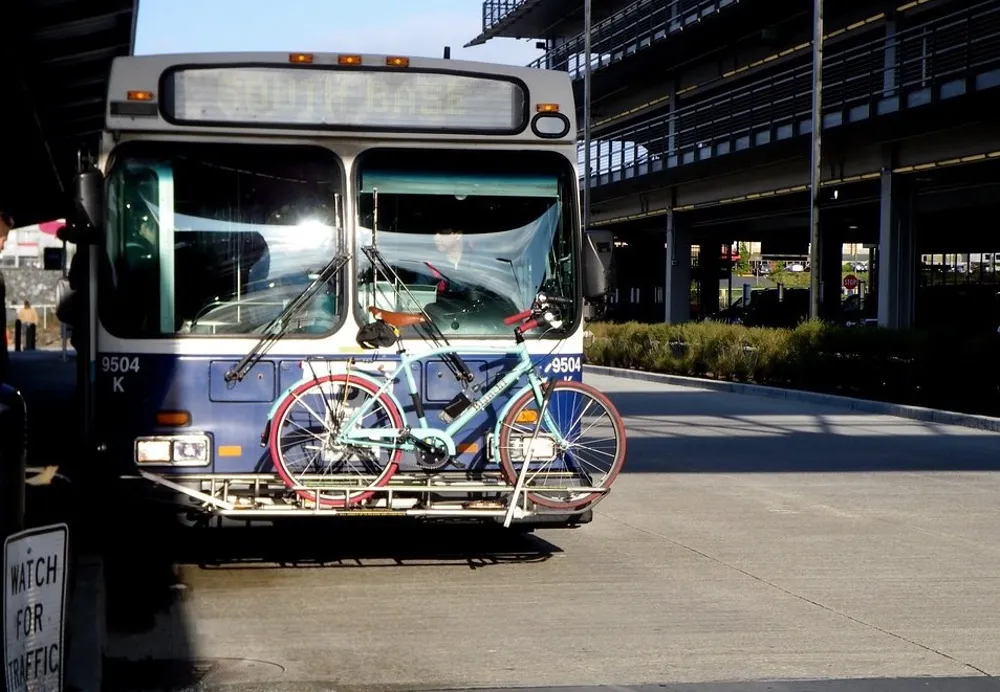
- Bus racks: many front-of-bus racks have weight limits. Denver's RTD lists a 55-pound limit per bike and tires up to 2.3 inches wide. Golden Gate Transit also allows e-bikes up to 55 pounds on front racks and requires the battery to stay on the bike, so the full ready-to-ride weight counts.
- Trains: rules vary. Some agencies limit bike size rather than weight, and some ban charging on board. Check your agency before you ride.
- Car racks: lighter bikes are easier to lift and fit more racks. Check the rack's per-bike weight rating and tire width, remove the battery before loading and carry it inside the car. Trunk and roof racks are more practical for a 30–40 pound bike than for a heavy one. See e-bike racks and car bike racks.
- Planes: airlines generally don't allow e-bike batteries in passenger luggage, even small ones. See the transport section of our battery guide.
Battery Safety and UL 2849
Look for e-bikes certified to UL 2849 (the bike's complete electrical system) or batteries certified to UL 2271. Velotric, Aventon (for the Soltera 2.5) and Ride1Up list UL 2849 on the models above, and Trek says its e-systems are tested to it. Certification shows the system passed recognized safety tests; it doesn't mean a battery can never fail. New York City and California require certified e-bikes or batteries for sale, and the CPSC has proposed a national standard. Our e-bike battery guide explains the standards, charging and storage in full.
The basics: charge with the original charger, don't charge unattended or overnight, store the battery indoors at room temperature, and never use damaged or uncertified replacement batteries.
Care Tips for Lightweight E-Bikes
- Check tire pressure weekly. Narrow 700c tires lose pressure faster than wide ones and are more prone to pinch flats when soft. See Presta vs Schrader valves.
- Clean and lube the chain on chain-drive models; belt drives only need an occasional rinse. Our chain cleaning guide walks through it.
- Keep an eye on brake pads. Even light e-bikes stop more weight at higher average speeds than regular bikes. See how to adjust bike brakes.
- Don't overload the bike. Stay within the listed maximum load, and remember small light-bike racks may have lower ratings.
- Protect carbon parts. Use a torque wrench on carbon seat posts and bars, and avoid clamping carbon frames in a standard repair stand.
Related Guides
Find out how much e-bikes weigh by type, compare electric vs regular bikes, or browse folding e-bikes, cheap electric bikes, the best electric bikes and commuter bike helmets.
Frequently Asked Questions
What is considered a lightweight electric bike?
There's no official cutoff. Many guides treat about 40 pounds or less as properly lightweight and around 50 pounds as reasonably light, compared with a typical e-bike at roughly 50 to 55 pounds. Drop-bar road e-bikes can be under 30 pounds.
What is the lightest electric bike?
Premium carbon road e-bikes are the lightest. Canyon lists its Endurace:ONfly SUB-10 at 9.86kg (about 22 pounds), and Trek lists the Domane+ SLR at about 26 pounds. Among city e-bikes, Fiido lists the carbon Fiido Air at 30.3 pounds with its battery.
Do lightweight e-bikes have less range?
Usually, because the battery is the heaviest single part and lighter bikes carry smaller ones, often around 200 to 375Wh. Light bikes use that energy efficiently, and some offer an optional range extender battery.
Can you carry a lightweight e-bike up stairs?
A bike under about 40 pounds is far easier to carry than a typical 50 to 70 pound e-bike. Remove the battery if it comes out, lift by the seat post and handlebar or stem, and keep the bike close to your body.
Can I take a lightweight e-bike on a bus rack?
Often only if it's light enough. Denver's RTD and Golden Gate Transit, for example, limit bus rack bikes to 55 pounds, and Golden Gate requires the battery to stay on the bike. Check your local agency's rules.
Are lightweight e-bikes good for heavier riders?
Check the maximum load rather than the bike weight. Several light e-bikes list 300 pounds or more (the Velotric Tempo lists 330 pounds), but lighter motors have less torque on steep hills.
Is a folding e-bike lighter than a regular one?
Not always. Folding e-bikes fold smaller but many weigh 45 to 70 pounds, so a compact non-folding e-bike can be lighter. See our folding e-bike guide for folded weights.