Electric Bike vs Regular Bike: Honest Pros and Cons (2026)
E-bikes flatten hills and replace car trips; regular bikes are lighter, simpler and cheaper. Here's how they compare, including what research says about exercise.
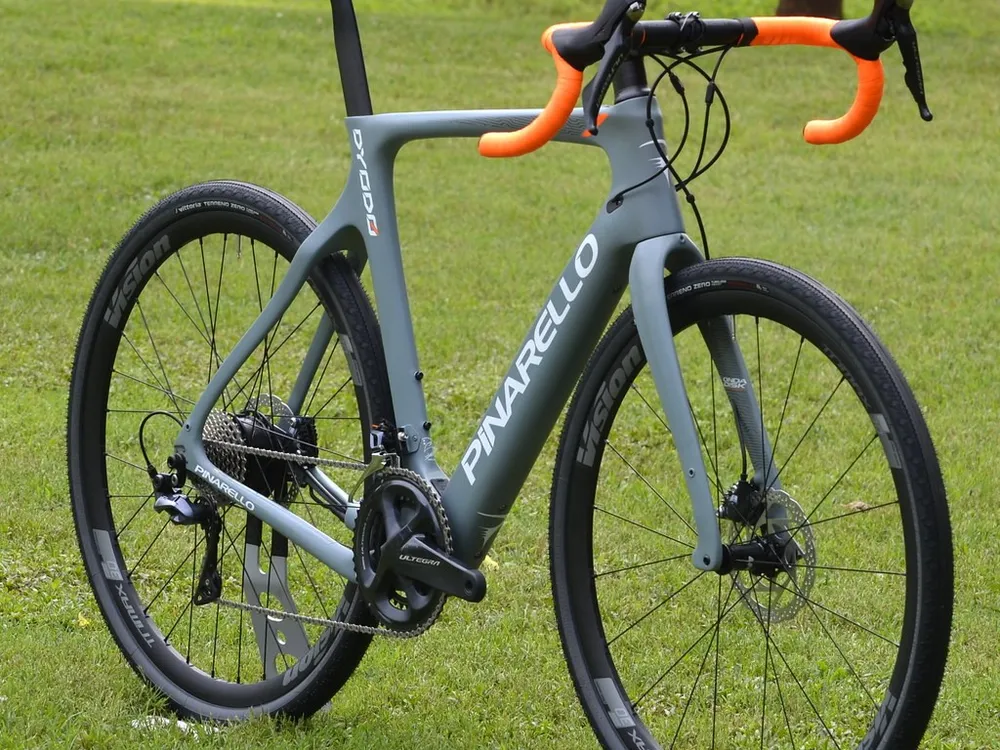
The Quick Answer
An electric bike is a bicycle with a motor and battery that add power as you pedal (and, on some, with a throttle). It makes hills, headwinds, long commutes and heavy loads much easier. A regular bike is lighter, simpler, cheaper to buy and maintain, and gives you a harder workout per minute.
Choose an e-bike if you want to ride further, more often or replace car trips. Choose a regular bike if you want maximum exercise, low cost and a bike that's easy to carry. Many riders end up owning both.
E-Bike vs Regular Bike Compared
| Electric Bike | Regular Bike | |
|---|---|---|
| Effort | Adjustable; motor helps on hills and starts | All you |
| Assisted speed | Up to 20 mph (Class 1/2) or 28 mph (Class 3) in the US | Limited by fitness |
| Typical weight | Often about 40–70 lb | Often about 20–35 lb |
| Range | Limited by battery, often 20–60 miles | Limited by your energy and time |
| Purchase cost | Higher | Lower |
| Running costs | Charging, battery replacement, electrical repairs | Standard parts only |
| Maintenance | Bike parts plus motor, battery and electronics | Simpler |
| Exercise | Moderate to vigorous, depending on assist | Higher effort per mile |
| Commuting | Arrive less sweaty, more consistent times | Great for shorter, flatter trips |
| Carrying and storage | Heavier to lift; needs charging | Easy to carry and store |
| Rules | Class rules may limit where you ride | Allowed nearly everywhere bikes are |
How an E-Bike Is Different
Most e-bikes are pedal-assist: a sensor detects you pedaling and the motor adds power, with several assist levels to choose from. Some also have a throttle that moves the bike without pedaling. The motor cuts out at a set speed. Beyond the motor, most e-bikes have sturdier frames and wheels, wider tires and stronger disc brakes to handle the extra weight and speed. See how electric bikes work for the details.
Exercise: Do You Still Get a Workout?
Yes, and the research is encouraging.
- Brigham Young University study (2019): 33 experienced mountain bikers rode the same 6-mile loop on a regular mountain bike and a pedal-assist e-mountain bike. Their average heart rate was 144.9 bpm on the e-bike vs 154.8 bpm on the regular bike, about 94% as high, and both kept riders in the vigorous-intensity zone. Riders found the e-bike easier and rode faster. (Hall et al., JMIR Formative Research, 2019.)
- PASTA project (2019): a study of more than 10,000 people in seven European cities found weekly physical activity was similar for e-bike riders and cyclists, because e-bike riders tended to ride longer distances. People who switched to an e-bike from a car or public transport gained physical activity. (Transportation Research Interdisciplinary Perspectives, 2019.)
Per minute, a regular bike usually works you harder. But many people ride an e-bike more often and further, so total activity can end up similar. If your goal is fitness, choose a lower assist level or ride a regular bike on some days.
Joints, Injuries and Getting Back Into Riding
E-bikes let you control effort, which helps riders returning from inactivity, older riders and people with joint issues keep riding. If you have a health condition, check with your doctor about appropriate effort levels.
Hills, Headwinds and Cargo
This is where e-bikes change the game. A climb that would leave you breathless on a regular bike becomes a steady spin with assist, and headwinds lose their sting. Mid-drive motors, which work through the bike's gears, are especially good on steep hills; hub motors suit rolling terrain. Add a rack, panniers or a child seat and an e-bike carries loads that would be hard work on a regular bike.
Speed
A fit rider on a regular road bike can match an e-bike on flat roads. Where e-bikes win is on hills, into headwinds and from a standing start, which makes average speeds faster and journey times more predictable. In the US, the motor stops assisting at 20 mph on Class 1 and 2 e-bikes and 28 mph on Class 3; you can pedal faster under your own power. Federal law defines a low-speed electric bicycle as having operable pedals and a motor under 750 watts with a top motor-only speed under 20 mph. Learn more in e-bike classes explained, or see the fastest electric bikes.
Cost of Ownership
E-bikes cost more to buy than comparable regular bikes. Ongoing costs to budget for:
- Battery replacement after a few years, the biggest long-term cost.
- Faster wear on tires, brake pads and chains because of extra weight and power.
- Electrical diagnostics and repairs for motors, displays and wiring.
- A better lock and possibly insurance, since e-bikes are attractive to thieves.
- Electricity, which is a small cost per charge.
Regular bikes cost less up front and to run. If an e-bike replaces car trips, savings on fuel, parking and transit can offset its higher cost.
Maintenance
E-bikes need everything a regular bike needs (chain cleaning, tire pressure, brake checks, gear tuning) plus care for the motor, battery, display and wiring. Water and pressure washers are bad for electronics, and some repairs need a dealer with diagnostic tools. Regular bikes are simpler, and almost any shop can fix them. See our e-bike battery guide for battery care.
Weight, Carrying and Storage
E-bikes are often roughly twice the weight of a comparable regular bike. That barely matters while riding but matters a lot when you carry the bike up stairs, lift it onto a car rack or put it on a bus rack. You'll also need a place to charge the battery indoors. Regular bikes are easy to hang on a wall hook and carry. See how much an e-bike weighs.
Range
An e-bike's range depends on its battery, assist level, terrain and weight, commonly around 20–60 miles per charge. A regular bike's range is limited only by your legs and time. If the battery runs out, you can still pedal an e-bike, but it'll feel heavy.
Commuting
E-bikes are excellent commuters: you arrive less sweaty, hills and headwinds don't matter as much, and you can carry work gear or groceries. Regular bikes are great for short, flat commutes and are easier to bring inside. For many people, an e-bike is the difference between riding to work occasionally and riding most days.
Can an E-Bike Replace a Car?
For many short trips, yes. In the PASTA study above, people who switched from driving to e-biking gained the most physical activity. Errands, school runs and commutes of a few miles are a good fit, especially with a rack, basket or cargo e-bike. Weather, secure storage at both ends and safe routes decide how many car trips an e-bike can realistically replace.
Theft and Security
E-bikes are expensive and attractive to thieves, and batteries can be stolen on their own. Use a sturdy U-lock or chain, lock the frame to something solid, take the battery and display with you if they're removable, and store the bike indoors overnight. Some e-bikes add GPS tracking or app-based locks. Regular bikes face the same risks but are cheaper to replace.
Charging and Battery Safety
Owning an e-bike means charging it, ideally indoors with the original charger, while you're home and awake. Choose bikes certified to UL 2849, never charge a damaged battery, and recycle old batteries through a bike shop or a battery drop-off rather than the trash. Regular bikes have none of these concerns. See our battery guide.
Laws and Where You Can Ride
Regular bikes are allowed nearly everywhere bikes are. E-bikes follow class rules that vary by state, city and land manager. Many places allow Class 1 and 2 on bike paths, while Class 3 may be road-only and have age or helmet rules. Many mountain bike trails allow only Class 1, and some don't allow e-bikes at all. Check local rules before you ride.
Fun and Ride Feel
E-bikes make riding feel effortless and are a blast on hills. Regular bikes feel lighter, more nimble and more connected, and many riders love the satisfaction of doing all the work themselves. Neither is "cheating"; they're different tools.
Riding With Others
E-bikes are great equalizers. A less-fit partner on an e-bike can comfortably ride with a stronger rider on a regular bike, and families can cover more ground together. In organized group rides and races, check the rules; some events don't allow e-bikes or put them in separate categories.
Which Should You Choose?
| Choose a Regular Bike If You... | Choose an E-Bike If You... |
|---|---|
| Want the hardest workout or train for events | Want to replace car trips |
| Have a tight budget | Have a hilly or long commute |
| Carry your bike up stairs often | Want to arrive without sweating |
| Have short, flat trips | Carry kids, cargo or groceries |
| Want minimal maintenance | Are returning to riding or have joint issues |
| Ride trails that ban e-bikes | Ride with faster friends and want to keep up |
Other Options
- Convert your bike: a conversion kit adds a motor to a regular bike.
- Lightweight e-bikes: lower-power "SL" e-bikes ride more like regular bikes with a gentle boost.
- E-scooters: for short urban hops; see electric scooter vs electric bike.
Ready to Shop?
Browse the best electric bikes, folding e-bikes and e-bikes for seniors, or start with our bike buying guide if you're leaning toward a regular bike.
Frequently Asked Questions
Is an e-bike better than a regular bike?
Neither is better overall. An e-bike is better for longer or hillier commutes, carrying loads and replacing car trips. A regular bike is better if you want the hardest workout, the lightest bike, the lowest cost and the least maintenance.
Do you still get exercise on an e-bike?
Yes. You still pedal on pedal-assist e-bikes. A 2019 study of experienced mountain bikers found heart rates on e-mountain bikes averaged about 94% of those on regular mountain bikes, and a large European study found e-bike riders' weekly activity was similar to cyclists'.
Is a regular bike better for weight loss?
Per minute, a regular bike usually takes more effort. But many people ride an e-bike more often and for longer, which can even things out. The best bike for fitness is the one you'll ride most.
How much faster is an e-bike than a regular bike?
On flat ground the difference may be small for fit riders. The big gains are on hills, into headwinds and from a standing start. US e-bikes stop assisting at 20 mph (Class 1 and 2) or 28 mph (Class 3).
Are e-bikes harder to maintain?
They need all the usual bike maintenance plus care for the battery, motor and electronics, and tires, brakes and chains can wear faster because of the extra weight and speed.
Can an e-bike replace a car?
For many short trips, yes, especially with racks or a cargo e-bike. Range, weather, storage and safe routes decide how many car trips it can replace.
Are e-bikes cheating?
No. It's still cycling, and you choose how much help you get. In group rides or races, follow the event's rules.
Where can you ride an e-bike?
It depends on the class and local rules. Many places allow Class 1 and 2 e-bikes wherever bikes are allowed, while Class 3 bikes may be limited on paths. Check state and local rules.