Is Cycling Good for You? Health Benefits of Riding a Bike (2026)
Cycling is one of the easiest ways to fit real exercise into a normal week, and it is gentle on the joints. Here's what the research supports, how many calories a ride burns and where the evidence is still thin.
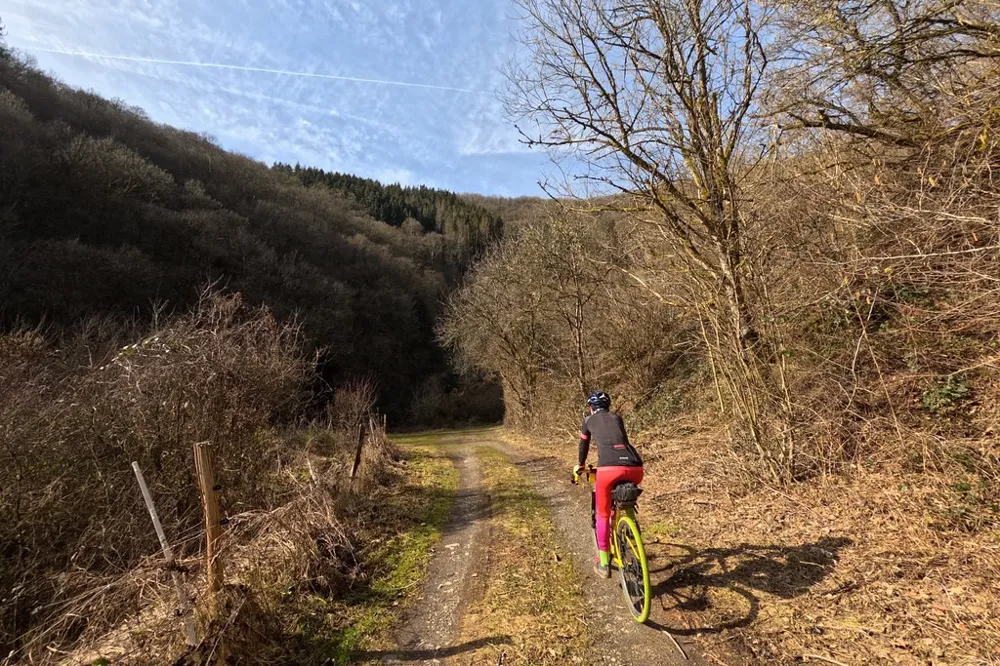
The Short Answer: Is Cycling Good for You?
Yes. Cycling is aerobic exercise that most people can do for years: it works your heart, lungs and legs, puts little impact on your joints and can double as transport, which makes it easier to do often than a workout you have to schedule. Large studies link regular cycling, especially cycling to work, with lower rates of heart disease, cancer and early death, and with better mental health.
The honest caveats: most of that evidence comes from observational studies, which show that cyclists are healthier but cannot fully prove cycling is the reason, and cycling brings its own risks, mainly from traffic. Below is what the research shows, with the strength of the evidence flagged for each benefit. This is general information, not medical advice; check with a doctor before starting a new exercise routine if you have a health condition.
Benefits of Cycling at a Glance
| Benefit | What the Evidence Says | Strength of Evidence |
|---|---|---|
| Longer life | Cycle commuters had a 41% lower risk of death from any cause over about 5 years | One very large cohort study; association, not proof |
| Heart health | 46% lower risk of heart disease in cycle commuters in the same study | Large cohort study; association |
| Lower cancer risk | 45% lower risk of cancer in cycle commuters | Large cohort study; association |
| Joint-friendly exercise | Lifelong cyclists reported less frequent knee pain and had less knee osteoarthritis | One cross-sectional study of 2,607 adults |
| Calories burned | 4.0 to 12.0 METs depending on speed and effort | Compendium estimates |
| Mental health | 21.6% fewer poor mental health days than non-exercisers | Very large survey study; self-reported, no cause shown |
| Muscle endurance | Pedaling works the quads, glutes, hamstrings and calves | Logical from the movement |
| Activity that sticks | E-bike riders matched cyclists' weekly activity by riding farther | Large multi-city survey study |
| Cleaner, quieter trips | A bike trip replaces a car trip with no tailpipe emissions | Straightforward; size of the effect depends on what you replace |
Heart Health and a Longer Life

The best-known study on cycling and long-term health followed UK Biobank participants who reported how they usually got to work. Researchers at the University of Glasgow compared active commuters with people who drove or took public transport over about five years (Celis-Morales and colleagues, BMJ, April 2017). The university reported more than 264,000 participants.
| Commute (vs a non-active commute) | All-Cause Death | Heart Disease | Cancer |
|---|---|---|---|
| Cycling | 41% lower risk | 46% lower risk | 45% lower risk |
| Walking | No significant link | 27% lower risk of cardiovascular disease and 36% lower risk of dying from it | No significant link |
Why did cycling stand out? The researchers pointed out that the cyclists covered far more distance, about 30 miles a week against roughly 6 for walkers, at a higher intensity, and may have been fitter to begin with. Cycling part of the way was also linked with lower risk. These are associations: people who cycle to work may differ in other ways too, and the study cannot prove cycling caused the whole difference. Still, the pattern fits what is known about regular aerobic exercise, which trains the heart and lungs every time you push up a hill or ride a little faster.
Easy on the Joints
Cycling is low-impact: your weight rests on the saddle and pedals instead of landing on your legs with every step, as it does in running. That makes it a common choice for people who are heavier, older, returning from injury or simply tired of sore knees.
The most useful study here looked at 2,607 adults (average age about 64) in the US Osteoarthritis Initiative. Compared with people who never cycled, those with any history of cycling had about a 17% lower risk of frequent knee pain, a 9% lower risk of knee osteoarthritis on X-ray and a 21% lower risk of symptomatic knee osteoarthritis. The more stages of life someone had cycled in, the lower the risk (Lo and colleagues, Medicine and Science in Sports and Exercise, 2024). It is a one-time comparison based on people's recall of their cycling history, so it shows a link rather than proof, but it suggests cycling is not wearing out knees.
Bike fit matters for joint comfort. A saddle that is too low loads the front of the knee, and one that is too high makes your hips rock. Our road bike size chart and mountain bike size chart cover frame sizing and saddle height. If you have a knee or back injury, ask a doctor or physical therapist before you ride; a recumbent or upright bike may be easier on a sore back than a road bike.
Muscles Cycling Works
| Area | Main Muscles | What They Do |
|---|---|---|
| Pedal downstroke | Quads, glutes | Push the pedal down; they do most of the work |
| Bottom and upstroke | Hamstrings, calves, hip flexors | Sweep the pedal back and lift the leg |
| Trunk | Core and lower back | Stabilize your body so leg power goes into the pedals |
| Upper body | Shoulders, arms, upper back | Steer and support you, more so when climbing out of the saddle or on rough mountain bike trails |
Cycling builds muscular endurance in the legs more than raw strength or size, and steady road riding does little for the upper body. Mountain biking and BMX ask more of the arms and core; see BMX vs mountain bike for how they differ.
What About Bones?
Because cycling is low-impact, it puts less load through the skeleton than running, jumping or lifting. That is good for the joints but means cycling is not a strong bone-builder on its own. If bone health is one of your goals, especially later in life, add some strength training or weight-bearing exercise and ask your doctor what suits you.
Calories Burned Cycling
Calorie figures online often come with no source. The estimates below use MET values (multiples of resting energy use) from the 2024 Adult Compendium of Physical Activities and ACE's formula: METs x 3.5 x body weight in kg / 200 = calories per minute. For example, a 155-pound (70.3 kg) rider at 6.8 METs burns about 6.8 x 3.5 x 70.3 / 200 = 8.4 calories a minute, or about 500 an hour.
| Activity (Compendium MET) | 125 lb | 155 lb | 185 lb |
|---|---|---|---|
| Leisure riding, under 10 MPH (4.0) | About 240 per hour | About 295 per hour | About 350 per hour |
| To or from work, self-selected pace (6.8) | About 405 per hour | About 500 per hour | About 600 per hour |
| 12 to 13.9 MPH, moderate effort (8.0) | About 475 per hour | About 590 per hour | About 705 per hour |
| 14 to 15.9 MPH, vigorous effort (10.0) | About 595 per hour | About 740 per hour | About 880 per hour |
| 16 to 19 MPH, racing pace, estimated (12.0) | About 715 per hour | About 885 per hour | About 1,055 per hour |
| Mountain biking, general, estimated (8.5) | About 505 per hour | About 625 per hour | About 750 per hour |
| Stationary bike, general (6.8) | About 405 per hour | About 500 per hour | About 600 per hour |
| Spin class (9.0) | About 535 per hour | About 665 per hour | About 795 per hour |
| E-bike, high assist (4.0) | About 240 per hour | About 295 per hour | About 350 per hour |
Speed is a rough guide to effort, not an exact one: hills, headwinds, a heavy bike, knobby tires and drafting behind other riders all change the real number. If you train with a power meter or smart trainer, the Compendium also lists stationary values by watts, from 3.5 METs at 25 to 30 watts up to 16.3 METs above 325 watts. Treat every figure here as an estimate.
Is Cycling Good for Weight Loss?
Cycling burns a useful number of calories and is easy to repeat, especially when it replaces a drive, so the total adds up over a week. But no single sport causes weight loss by itself. Diet, sleep and your total weekly activity matter more than which activity you choose, and the best one is the one you will keep doing.
Mental Health and Mood
Many riders say a ride clears their head, and the largest study on the subject backs that up, with caveats. Researchers analyzed US survey data from about 1.2 million adults (Chekroud and colleagues, The Lancet Psychiatry, August 2018):
- People who exercised reported about 2.0 poor mental health days a month, against 3.4 for similar people who did not, a 43.2% difference.
- By type of exercise, team sports had the biggest difference at 22.3%, cycling was close behind at 21.6% and aerobic or gym exercise came in at 20.1%.
- Sessions of about 30 to 60 minutes, three to five times a week, were linked with the biggest benefit. More than about three hours a day was linked with worse mental health than not exercising.
The limits are real: people reported their own exercise and mood, the study is a snapshot that cannot prove cause and effect, and poor mental health may make people less active rather than the other way around. Cycling also adds things that may help separately, such as time outdoors, the focus of riding and, for group rides, company. It is not a replacement for professional treatment. If you are struggling, talk to a doctor or mental health professional, and in a crisis contact your local emergency number or crisis line.
Cycling to Work: Exercise You Don't Have to Schedule
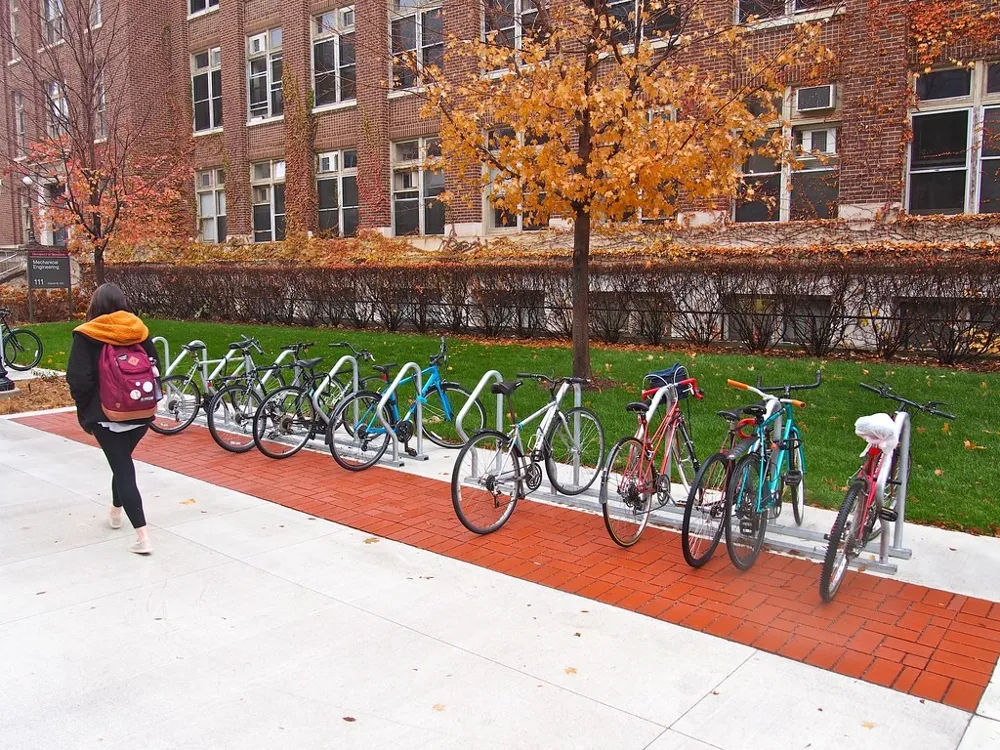
Commuting is where cycling's benefits pile up, because the exercise fits into time you would spend traveling anyway. The UK Biobank results above came from commuters, and the riders who did best were the ones covering the most distance each week.
An e-bike can make that commute realistic on longer or hillier routes. The European PASTA project, which surveyed more than 10,000 people in seven cities, found that weekly physical activity was similar for e-bike riders and cyclists, because e-bike riders tended to ride longer distances, and people who switched to an e-bike from a car or public transport gained physical activity. The Compendium rates an e-bike at 4.0 METs on high assist and 6.0 METs on light assist, so the less you lean on the motor, the more exercise you get.
Other Commuting Perks
- Cleaner trips. A bike has no tailpipe, so every car trip you replace cuts exhaust and traffic noise. How much carbon you save depends on how far you ride and what you would otherwise use.
- Less space. Bikes take up far less road and parking space than cars.
- Running costs. A bike needs maintenance, but no fuel, and parking is usually free; our guides to fixing a flat and cleaning a chain cover the basics.
- Predictable timing. In busy towns, a bike can be less affected by traffic jams than a car, though this depends entirely on your route.
To start, a hybrid bike suits most commutes, and panniers and a solid bike lock make daily riding practical.
Outdoor Riding vs Indoor Cycling
Most benefits apply to both. Indoor cycling on an exercise bike or a trainer gives the same cardio workout and low-impact movement with no traffic, weather or darkness to deal with, which is why many people ride indoors in winter. Outdoor riding adds time in nature, bike handling and balance, and can double as transport, but it adds traffic risk. Our bike trainer vs exercise bike guide compares the indoor options, and smart trainers let you train by power with apps.
| Factor | Outdoor Cycling | Indoor Cycling |
|---|---|---|
| Cardio workout | Yes, varies with terrain | Yes, easy to control |
| Traffic and weather | Main risks and obstacles | None |
| Balance and handling | Trained every ride | Little or none (except rollers) |
| Time outdoors | Yes | No |
| Doubles as transport | Yes | No |
Cycling for Every Age and Ability
Because it is low-impact and you can choose your own pace, cycling works across a wide range of ages and fitness levels:
- Beginners and returning riders can start with short, flat rides and build up. Our bike buying guide explains which type of bike fits which kind of riding.
- Older adults often find an upright bike, an e-bike or a trike easier to manage; see electric bikes for seniors and electric trikes.
- Families can ride together with trailers and kids' bikes; teaching a kid to ride starts with balance.
- People who want more challenge can try gravel riding, mountain biking or cyclocross.
Anyone with a heart condition, balance problems or other health concern should check with a doctor first.
The Trade-Offs: Risks to Weigh

Cycling's benefits come with risks you can reduce but not remove:
- Traffic crashes are the most serious risk for road riders. Wear a helmet (see best bike helmets), use front and rear lights and bright clothing, choose quieter routes or bike paths, and follow local traffic laws. Helmet and e-bike rules vary by state and city.
- Falls happen on wet roads, gravel, rails and trails. Mountain bikers may want knee pads and gloves.
- Overuse aches in the knees, lower back, neck and hands are common and often come from poor bike fit or doing too much too soon. Adjusting saddle height and handlebar reach usually helps.
- Saddle discomfort and numbness can come from the wrong saddle or position; a better-fitting bike saddle and padded shorts help, and lasting numbness is worth a doctor's visit.
- Weather and sun: dress for the conditions, carry water (see bike water bottles) and use sunscreen and cycling sunglasses.
This is general safety information, not medical or legal advice. Check your state and local rules, last checked November 2026, for helmet and e-bike laws; our e-bike laws guide covers the US basics.
How to Get More Out of Cycling
- Get the right size bike and set your saddle height before anything else.
- Ride often rather than occasionally long. Short, regular rides, including commutes and errands, add up.
- Mix your effort. Most rides can be easy; add some hills or faster stretches once you have a base.
- Keep the bike working: pumped tires (see bike pumps), a clean chain and brakes that work make every ride easier and safer; see how to adjust bike brakes.
- Ride indoors when you can't ride outside, so bad weather doesn't break the habit.
- Add strength work a couple of times a week for your upper body and bones.
Keep Exploring
Start at our biking hub, compare mountain and road bikes, or see whether an e-bike or regular bike suits you better. For the health side of other sports, see benefits of surfing, benefits of rollerblading and benefits of paddle boarding.
Frequently Asked Questions
Is cycling good for you?
For most people, yes. Regular cycling is aerobic exercise that works the heart, lungs and legs while putting little impact on the joints, and large studies link it with lower rates of heart disease, cancer and early death. Those studies show associations, so other healthy habits may explain part of the difference.
How many calories does cycling burn?
Roughly 500 calories an hour for a 155-pound person riding at a self-selected commuting pace (6.8 METs in the 2024 Compendium of Physical Activities), about 295 an hour at a leisurely pace under 10 MPH (4.0 METs) and about 590 an hour at 12 to 13.9 MPH (8.0 METs). Your real burn depends on your weight, speed, hills and wind.
Is cycling good for bad knees?
Cycling is low-impact, and a 2024 study of more than 2,600 adults found people with a history of cycling had less frequent knee pain and less knee osteoarthritis than non-cyclists. The study cannot prove cycling caused the difference. A correct saddle height matters, and anyone with a knee injury should ask a doctor or physical therapist first.
Is cycling good for weight loss?
It helps, because it burns calories and is easy to do often, for example by riding to work. No sport causes weight loss on its own; diet and your total weekly activity matter most.
Is cycling better than walking?
Both are good for you. Cycling usually burns more calories per hour and covers more distance, and in a large UK study cycle commuting was linked with lower cancer and overall death risk while walking was not. Walking puts more load through the bones and needs no equipment.
Does an e-bike still give you exercise?
Yes. You still pedal on a pedal-assist e-bike, though with less effort at high assist levels. A European study of more than 10,000 people found weekly physical activity was similar for e-bike riders and cyclists, because e-bike riders tended to ride farther.
Is cycling good for mental health?
It appears to help. In a US survey study of about 1.2 million adults, people who cycled reported 21.6% fewer poor mental health days than similar people who did not exercise. The study cannot prove cause and effect, and cycling is not a substitute for professional care.