How Much Does an Electric Bike Weigh? (2026)
Most e-bikes weigh roughly 40 to 70 pounds, but folding, road, fat tire and cargo models vary a lot. Here's what to expect and why it matters.
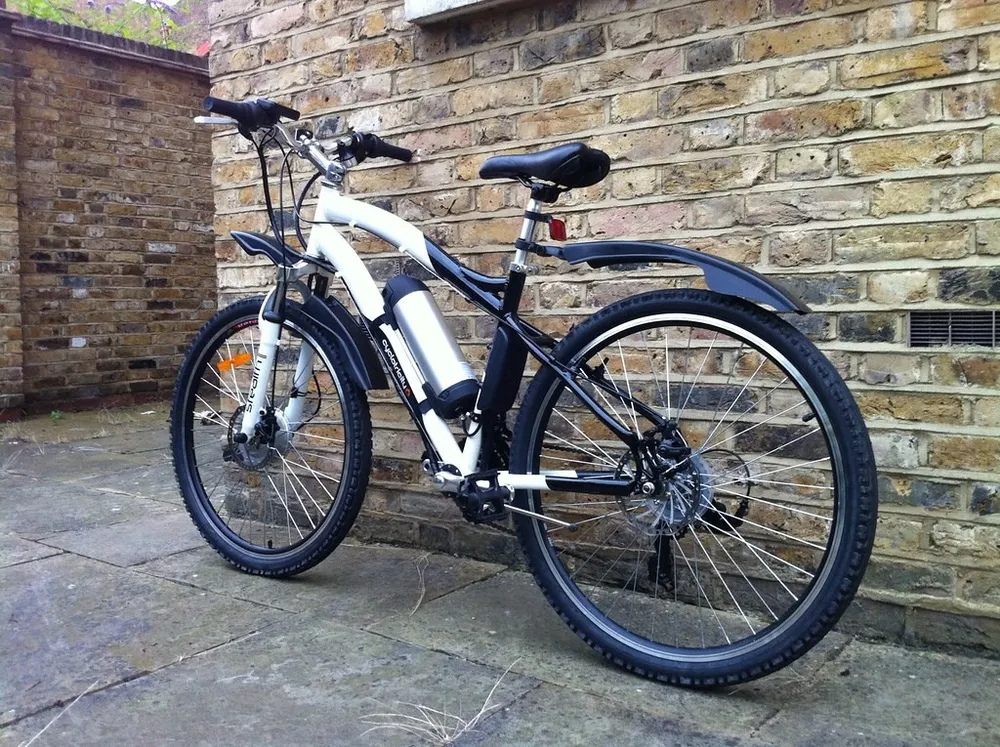
The Short Answer
Most electric bikes weigh somewhere between 40 and 70 pounds (about 18–32kg), and many guides put the average at around 50 to 55 pounds. That's often 50–100% heavier than a comparable regular bike. Weight varies a lot by type: lightweight road e-bikes can come in under 30 pounds, while fat tire and cargo e-bikes can pass 70 or even 100 pounds.
The figures below are commonly cited ranges from e-bike guides and makers. They don't always agree, and there's no single industry standard for how e-bikes are weighed, so always check the spec sheet for the exact model and whether the listed weight includes the battery.
Electric Bike Weight by Type
| Type | Typical Weight | Why |
|---|---|---|
| Lightweight road / "SL" e-bikes | About 24–35 lb | Small batteries, light motors, carbon or light alloy frames |
| Folding e-bikes | About 30–60 lb (some up to ~70 lb) | Small wheels save weight; big batteries and fat tires add it back |
| Commuter / hybrid | About 50–70 lb | Mid-size batteries, racks, fenders and lights |
| Electric mountain bikes | About 35–70 lb | Light XC models at the low end; enduro models with big batteries at the top |
| Cruiser and comfort | About 50–70 lb | Steel or heavy alloy frames, wide tires |
| Fat tire | About 50–85 lb | 4-inch tires, bigger motors and batteries |
| Cargo | About 75–100+ lb | Long, reinforced frames built to carry loads and passengers |
Ranges compiled from several e-bike guides and brand blogs; individual sources differ by 5–15 pounds in places.
Example: E-Bike vs Regular Version of the Same Bike
| Model Pair | Regular | Electric |
|---|---|---|
| Trek Domane AL 5 vs Domane+ AL 5 | About 22 lb | About 31 lb |
| Cannondale Treadwell 2 vs Treadwell Neo 2 | About 26 lb | About 41 lb |
Weights as reported by an independent e-bike guide; makers update models, so check current specs.
Why Electric Bikes Are So Heavy
| Component | Typical Weight | Notes |
|---|---|---|
| Battery | About 3–15 lb; many are 7–12 lb | Bigger capacity (more watt-hours) means more weight. Bosch lists its batteries at about 2.8–3.9kg. |
| Motor | About 3–11 lb | Hub motors range widely; mid-drives such as Bosch's Performance Line CX (about 2.9kg) and Shimano's EP8 (about 2.6kg); lightweight systems such as Fazua (about 1.3kg) |
| Controller and wiring | About 1 lb | Plus display, sensors and lights |
| Frame | Varies | Reinforced to carry the battery and handle higher speeds |
| Wheels, tires, brakes | Varies | Stronger wheels, wider tires and bigger brakes for extra speed and weight |
| Accessories | Varies | Racks, fenders, kickstands, lights and suspension |
Motor and battery weights are as stated by makers and guides; they vary by model and capacity.
Does E-Bike Weight Matter?
When You're Riding
Once you're moving, the motor hides most of the extra weight. Heavier bikes often feel stable and planted, especially at speed. But weight still matters:
- Range: more weight (bike plus rider and cargo) uses more battery, especially on hills.
- Braking: a heavier bike takes longer to stop, which is why most e-bikes use disc brakes.
- Handling: heavy bikes are harder to flick through tight turns and to balance at walking speed.
- Motor off: if the battery runs flat, a heavy e-bike is hard work to pedal, particularly uphill.
When You're Not Riding
This is where weight really shows up: lifting the bike onto a car rack, carrying it up stairs, onto a train or bus rack, or into an apartment elevator. If you'll do any of these regularly, put weight near the top of your priorities.
Why Listed Weights Vary
There's no single industry standard for how e-bikes are weighed. Some makers list weight without the battery, pedals or accessories; others list a specific frame size. When comparing bikes, check whether the figure includes the battery, and compare the same frame size where possible.
Do E-Bike Classes Weigh Differently?
Class itself doesn't set weight. Class 3 commuters often carry bigger batteries for longer, faster rides, and throttle-equipped Class 2 bikes are often fat tire or cruiser designs, which tend to be heavy. Lightweight Class 1 road and gravel e-bikes are usually the lightest.
The Lightest and Heaviest E-Bikes
- Lightest: lightweight road and gravel e-bikes with small batteries and low-weight motors, plus a few carbon folding e-bikes, can weigh under 30 pounds.
- Heaviest: long-range moped-style and cargo e-bikes, especially with dual batteries, can weigh 100 pounds or more.
Payload and Maximum Weight Limits
Every e-bike has a maximum total weight (sometimes called max gross weight or max load): the rider, clothing, gear, cargo and accessories combined. Payload is that limit minus anything already counted, and some makers list rider weight and rack weight separately.
- Standard commuter e-bikes are commonly rated around 220–300 pounds combined.
- Cargo e-bikes often go much higher, sometimes 330–440 pounds or more.
- Rear racks are commonly rated around 44–66 pounds (20–30kg).
Worked example: if a bike's max load is 275 pounds and you weigh 190 pounds with clothes and a helmet, you have about 85 pounds left for a backpack, panniers and groceries, and the rack's own rating still applies. Ratings vary, so check the spec sheet's max load line for your bike.
Carrying an E-Bike on a Car Rack
- Choose a rack rated for at least 60 pounds per bike; many e-bike-specific hitch racks go higher.
- Remove the battery before loading; it lightens the bike and protects the battery. Carry it inside the car, out of direct heat.
- Hitch-mounted platform racks are the usual choice. Many heavy-duty e-bike racks need a 2-inch receiver, often Class III or higher; check the rack's requirements.
- Avoid roof racks for heavy e-bikes; lifting 50+ pounds overhead is hard and many roof racks aren't rated for it.
- A loading ramp helps with heavy bikes.
See our guide to the best e-bike racks for rack ratings and options.
Stairs, Storage and Public Transport
- Stairs: take the battery off, lift by the seat post and stem or handlebar, and keep the bike close to your body. If you live up several flights, a lighter bike or ground-floor storage makes daily riding much easier.
- Wall hooks and hanging racks: check their weight rating; many standard bike hooks aren't built for heavy e-bikes. Floor stands are often easier.
- Trains and buses: front-of-bus racks and train bike spaces may have weight limits or exclude e-bikes; check your local transit agency's rules.
- Folding e-bikes: fold smaller but aren't always light; check the folded weight if you'll carry it. See folding electric bikes.
How to Choose the Right Weight
| If You... | Look For |
|---|---|
| Carry the bike up stairs or onto transit | Lightweight or folding e-bike, removable battery |
| Want a workout with a little help | Lightweight road, gravel or "SL" e-bike |
| Commute long distances | Bigger battery; accept extra weight for range |
| Ride sand, snow or rough trails | Fat tire or full-suspension eMTB (heavier) |
| Carry kids or big loads | Cargo e-bike with a high max load rating |
| Are a heavier rider | A high max load rating and a sturdy frame, not just low weight |
Lighter isn't always better. Lighter e-bikes usually have smaller batteries (less range) and less powerful motors. Decide where you'll carry the bike and how far you'll ride, then choose the lightest bike that does that job.
Weight Tips for Owners
- Remove the battery before lifting, racking or carrying the bike.
- Skip accessories you don't use; racks, baskets and kickstands add up.
- Stay within the max load rating, and pump tires to the recommended pressure for your load.
- Learn more about batteries in our e-bike battery guide.
Related Guides
Compare electric bikes vs regular bikes, learn how e-bikes work, understand e-bike classes, and browse the best electric bikes and fat tire e-bikes.
Frequently Asked Questions
How much does an average electric bike weigh?
Most guides put a typical e-bike at roughly 50 to 55 pounds, with the common range running from about 40 to 70 pounds. Lightweight road e-bikes can be under 30 pounds, while fat tire and cargo e-bikes can pass 70 pounds.
How much heavier is an e-bike than a regular bike?
Often 50 to 100 percent heavier than the equivalent non-electric bike. For example, Trek lists the Domane AL 5 road bike at about 22 pounds and the electric Domane+ AL 5 at about 31 pounds.
Why are electric bikes so heavy?
The battery, motor and controller add weight, and frames, wheels, brakes and tires are built stronger to handle the extra speed and load.
Does removing the battery make an e-bike easier to lift?
Yes. Batteries commonly weigh about 5 to 12 pounds, so taking it off makes lifting the bike onto a rack or up stairs easier.
Do Class 1, 2 and 3 e-bikes weigh differently?
Not because of the class itself. Weight depends on the motor, battery size, frame and tires. Class 3 commuters often carry larger batteries, which can add weight.
What is e-bike payload capacity?
Payload is how much rider, gear and cargo the bike can carry: the maximum total weight rating minus the bike's own weight. Check the max load figure on the spec sheet.
Does a heavier e-bike go slower?
The motor helps you reach assisted speeds easily, but more weight uses more battery, takes longer to stop and is harder to pedal with the motor off.
What is the lightest type of electric bike?
Lightweight road, gravel and some folding e-bikes, often using small batteries and low-weight motors, are the lightest; some are under 30 pounds.