E-Bikes for Heavier Riders: Payload Ratings Compared (2026)
High-capacity e-bikes from Jasion, Addmotor, Velotric, Lectric and Aventon, compared by the weight limits their makers actually state, with a guide to the parts that carry the load.
What Heavier Riders Should Look For
Almost any e-bike can carry a big rider for a short spin. The question is whether it is rated to do it every day, with a backpack, groceries and hills thrown in. That rating is the maker-stated maximum payload (also called max load or total weight limit), and it is the first number to check. Standard commuter e-bikes are commonly rated around 220 to 300 pounds, as our e-bike weight guide explains, so heavier riders usually need a model built and rated for more.
Below are high-capacity e-bikes and trikes compared by the limits their makers actually publish, followed by what those numbers mean and how the frame, wheels, brakes, motor and tires carry the load. We list every rating exactly as the maker or listing states it, as of November 2026; ratings can change between model years, so confirm on the spec sheet before you buy.
Jasion Kago
Best for highest listed payload
- Listed at up to 400 lb payload
- Dual 52V 20Ah batteries
- 20 x 3-inch tires, hydraulic discs
Jasion Thunder
Best full-size fat tire
- Listed 400 lb load capacity
- 26 x 4-inch tires, 85Nm
- Dual hydraulic disc brakes
Addmotor CityTri E-310
Best three-wheel option
- 380 lb max load per Addmotor
- Low step-through frame
- 750W, 90Nm, UL 2849 listed
E-Bikes for Heavy Riders Compared
| Bike | Stated Limit | What the Limit Covers | Motor / Torque | Tires | Brakes |
|---|---|---|---|---|---|
| Jasion Kago | Up to 400 lb | Payload (per listing) | Hub, 80Nm | 20 x 3" | Hydraulic disc |
| Jasion Thunder | 400 lb | Load capacity (per listing) | 1,800W peak, 85Nm | 26 x 4" | Hydraulic disc |
| Addmotor CityTri E-310 (trike) | 380 lb | Max load (per Addmotor) | 750W, 90Nm | 20" front, 18" rear x 2.4" | Mechanical disc + parking brake |
| Velotric Discover 3 | 440 lb | Bike + rider + cargo | 750W, 75Nm | 27.5 x 2.4" | Hydraulic disc, 180mm |
| Lectric XP Trike2 (500W) | 415 lb payload / 330 lb rider | Payload and max rider weight listed separately | 500W, 65Nm | 20 x 2.5" | Hydraulic disc, 180mm + parking brakes |
| Aventon Aventure 3 | 400 lb | "Total weight limit" (not defined) | 750W, 80Nm | 26 x 4" | Hydraulic disc, 180mm |
Figures come from each maker's product page or Amazon listing, checked November 2026. "What the limit covers" shows how each source words it; where a source doesn't say whether the rider or the bike is included, we say so rather than guess.
The Best Electric Bikes for Heavy Riders on Amazon
1. Jasion Kago
A utility e-bike built around hauling. Its Amazon listing states support for up to 400 pounds of payload and a 2,080Wh dual-battery setup (two 52V 20Ah packs), which gives heavier riders a lot of energy in reserve on hills. It rolls on 20 x 3-inch tires with a front suspension fork, an 80Nm hub motor and hydraulic disc brakes, per our cargo e-bike guide. Lights, brake lights and turn signals are built in.
Good to Know
- Highest payload figure among our Amazon picks
- Huge battery capacity for heavier loads
Watch Out For
- Payload figures have differed between listing versions; confirm the current number
- Heavy to lift; plan ground-level storage
2. Jasion Thunder
A full-size fat tire e-bike on 26 x 4-inch tires with a listed 400-pound load capacity. The listing gives an 1,800W peak motor with 85N·m of torque, a 7-speed Shimano drivetrain, five assist levels and dual hydraulic disc brakes. Big wheels and wide tires give a stable, cushioned ride for bigger riders on rough streets and gravel. See our fat tire e-bike guide for more models in this style.
Good to Know
- High load rating on a standard-shape bike
- Hydraulic brakes and strong listed torque
Watch Out For
- Listed speed and peak power exceed Class 3; set it to the class allowed where you ride
- Long and heavy to store or carry
3. Addmotor CityTri E-310
A folding electric trike with a low step-through frame. Addmotor lists a 380-pound max load, a 750W motor (1,400W peak) with 90Nm of torque, a 48V 20Ah battery, and 20-inch front and 18-inch rear wheels on 2.4-inch tires. The Amazon listing says it is UL 2849 certified. Three wheels mean no balancing at stops, which suits riders who want a steadier platform.
Good to Know
- Stable at a standstill, with a parking brake
- Strong listed torque for a trike
Watch Out For
- Mechanical, not hydraulic, disc brakes
- Standard size is listed for riders about 5'1" to 5'9"; taller riders should check fit
High-Capacity E-Bikes Sold Direct
Several of the highest-rated bikes for bigger riders are sold through the makers' own sites and dealers rather than Amazon:
- Velotric Discover 3: a step-through commuter with a 440-pound max load that Velotric says covers the bike, rider and cargo combined. The bike weighs 61 pounds, so that leaves roughly 379 pounds for rider and cargo (our arithmetic). It has a 750W (1,100W peak) hub motor with 75Nm, 27.5 x 2.4-inch tires, Tektro hydraulic brakes with 180mm rotors, a 66-pound rear rack, a triple-butted aluminum frame and two frame sizes that together cover riders about 4'11" to 6'7". It is listed as UL 2849 and UL 2271 certified and switchable between Class 1, 2 and 3.
- Lectric XP Trike2 (500W): one of the few makers to list both numbers separately: a 415-pound payload and a 330-pound maximum rider weight. It has a 500W (1,092W peak) motor with 65Nm, 20 x 2.5-inch tires, hydraulic brakes with 180mm rotors plus parking brakes, a listed 14 mph top speed, UL 2849 certification and a rider height range of 4'10" to 6'2". The 750W long-range version has different specs.
- Aventon Aventure 3: a fat tire e-bike with a 400-pound "total weight limit"; Aventon doesn't say on the spec page whether that includes the bike. It pairs a 750W hub motor and 80Nm with 26 x 4-inch tires, Tektro hydraulic brakes with 180mm rotors and 36-hole double-wall rims with 13-gauge front and 12-gauge rear spokes. It's a Class 2 bike, weighs 76 pounds, and comes in step-over and step-through versions covering riders about 5'3" to 6'4".
- Cargo e-bikes: longtails such as the Lectric XPedition2 (450 pounds total), Velotric Packer 1 (440 pounds) and Specialized Globe Haul LT (441 pounds) carry some of the highest ratings of any e-bike. They're covered in our electric cargo bike guide.
Payload vs Rider Weight: Reading the Numbers
Spec sheets use several different terms, and they don't all mean the same thing:
| Term on the Spec Sheet | What It Usually Means | What to Check |
|---|---|---|
| Max payload / max load | Rider plus everything they carry | Whether the bike's own weight is also counted |
| Max rider weight | The rider alone | Often lower than payload; both limits apply |
| Total / gross weight limit | Can mean rider + cargo, or bike + rider + cargo | Ask the maker if it isn't defined |
| Rack or basket rating | Weight on that rack or basket only | A separate, much smaller limit |
Two examples from the table above show why this matters. Lectric lists the XP Trike2 at 415 pounds of payload but only 330 pounds for the rider; the rest is meant for baskets and cargo. Velotric's 440-pound Discover 3 figure includes the bike's 61 pounds, so the usable number for rider and gear is lower than the headline.
Do the math with everything on board: your weight in riding clothes and shoes, helmet, lock, backpack, panniers and groceries. Then leave a margin. A rider at 290 pounds with 25 pounds of gear needs at least 315 pounds of payload, and a bike rated right at that number has no headroom for a heavier shopping day. Velotric's own heavy-rider guide notes that racks are often rated for only a fraction of total payload, so check the rack rating separately if you carry cargo.
Frame Strength and Materials
Most high-capacity e-bikes use aluminum alloy frames, with steel common on some trikes and cargo bikes. No common frame material is automatically unsafe for a heavier rider; what matters is how the frame is designed, tested and rated, which is what the maker's weight limit reflects. Treat that limit as the real measure of frame strength rather than the material name.
- Look for a stated limit, not a vague claim. "Heavy duty" or "sturdy" in a title means nothing without a number.
- Check certifications. UL 2849 covers the e-bike's electrical system and battery, not frame strength; it's still worth having for battery safety. Our e-bike battery guide explains UL 2849 and UL 2271.
- Check the seatpost and fork. Suspension seatposts and forks have their own load or spring ratings. Velotric's guide stresses a seatpost rated for the rider's load; a fork with adjustable preload lets you firm it up.
- Avoid aftermarket overloading. Adding a passenger seat or extra racks to a bike not designed for them doesn't raise its rating.
Wheels, Spokes and Rims
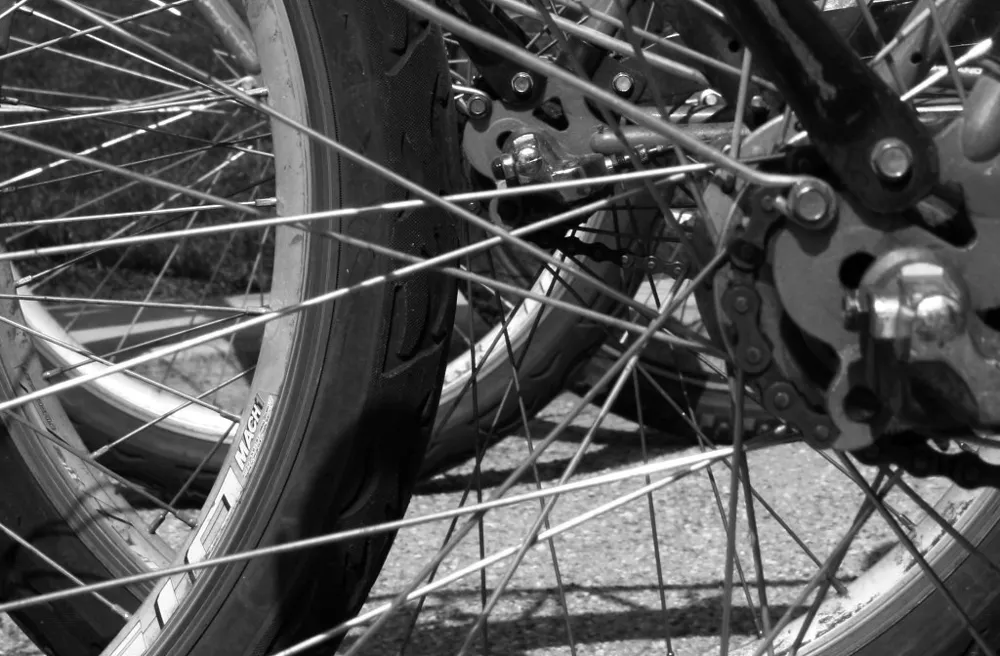
Wheels take the most direct punishment from extra weight, especially the rear wheel, which carries most of the rider's load and, on many bikes, the hub motor. Signs of an under-built wheel are loose or broken spokes and a wheel that keeps going out of true.
- Spoke gauge: the number runs backwards, so a 12-gauge spoke is thicker than a 13- or 14-gauge one. Some high-capacity bikes list heavier rear spokes than front; the Aventon Aventure 3, for example, lists 13-gauge front and 12-gauge rear.
- Spoke count: Heavy-duty e-bike wheels often use 36-hole rims, as the Aventure 3 does. More spokes share the load, though count alone doesn't decide strength.
- Double-wall rims: generally preferable to single-wall rims for repeated heavy use, and wider rims support wide tires better.
- Smaller wheels: 20-inch wheels, common on cargo bikes and trikes, are generally stiffer and stronger than larger wheels built the same way.
- Retension early: new spokes settle in. Ask a shop to check spoke tension after the first few weeks of riding, then at regular service.
Brakes: Why Hydraulic Discs Matter
More total weight means more momentum to stop. Hydraulic disc brakes generally need less hand force and give smoother, more controllable stopping than cable-operated mechanical discs, which is why most high-capacity e-bikes use them. Rotor size matters too: 180mm rotors are a sensible minimum for heavier riders, especially on hilly routes, and several bikes on this page use them front and rear. Some cargo bikes use 4-piston calipers for extra bite.
Only fit a larger rotor if the frame, fork and caliper makers approve that size. Heavier riders also wear brake pads faster, so check pad thickness often and replace pads before they reach the backing plate. Our guide to adjusting bike brakes covers basic disc brake checks.
Motor Power and Torque for Hills
Torque, measured in newton-meters (Nm), tells you more about pulling a heavy load up a hill than wattage does. Most bikes on this page list 75 to 90Nm. Velotric's guide treats roughly 80 to 100Nm as suited to steep or sustained climbs with a heavier rider, and it calls those figures directional rather than exact.
- Hub motors sit in the wheel hub and are the norm on value and fat tire e-bikes. They're simple and powerful, but they put more weight on the rear wheel.
- Mid-drive motors drive the cranks and use the bike's gears, which helps on long climbs; they usually cost more.
- Torque sensors scale assist to how hard you pedal, which feels smoother; cadence sensors give assist as soon as the cranks turn, which some riders find easier from a stop.
- A throttle (Class 2) helps get a heavy bike moving from a stop without straining knees.
Our how electric bikes work guide explains motors and sensors in more detail.
Tire Width and Pressure
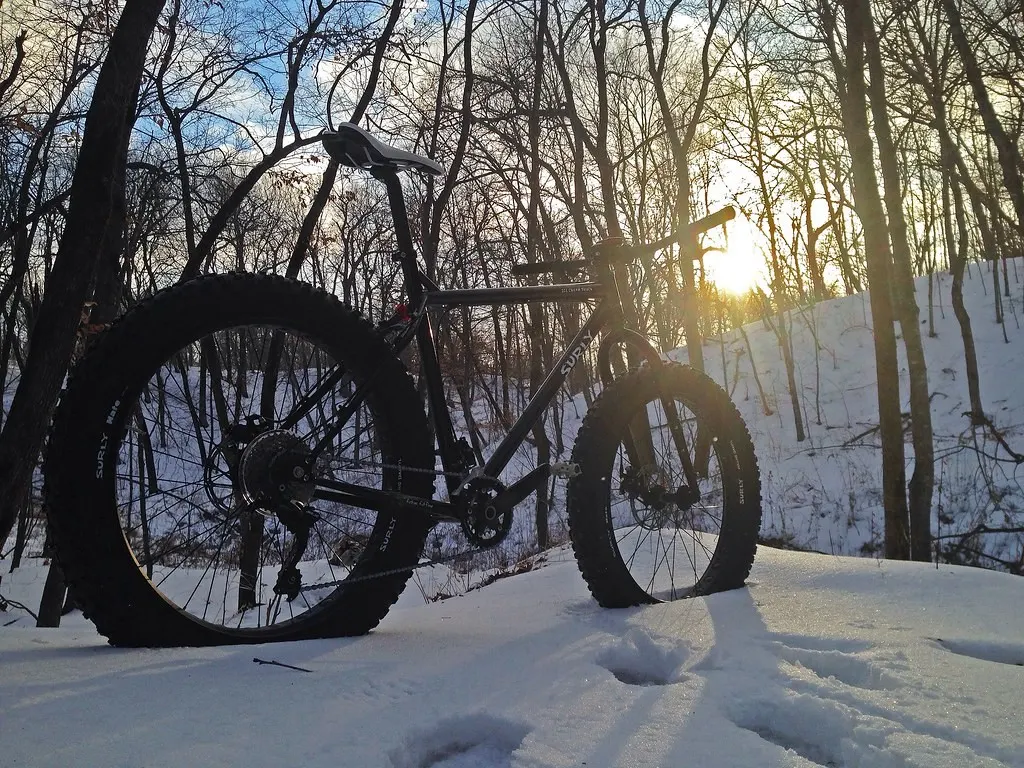
Wider tires hold more air, which spreads the load, adds cushioning and improves traction. 4-inch fat tires are popular with heavier riders for that reason, but they add weight and rolling resistance and cut into range on pavement. For mostly paved commuting, a well-supported 2.4- to 3-inch tire is often enough, and many high-capacity commuters use that range.
- Run the right pressure. Stay inside the range printed on the tire sidewall. Velotric's guide suggests riders above about 220 pounds often do best in the top third of that range; under-inflation causes pinch flats and sluggish handling.
- Check pressure weekly. Heavier loads make low pressure more noticeable and more damaging.
- Puncture-resistant tires are common on high-capacity bikes; several on this page list them.
For width trade-offs in detail, see fat tire electric bikes, and use how to measure a bike tire to read sidewall sizes.
E-Bike Classes and Speed Settings
The same three classes apply whatever you weigh. Class 1 is pedal-assist only up to 20 mph; Class 2 adds a throttle that can power the bike up to 20 mph; Class 3 is pedal-assist up to 28 mph with a speedometer. Under the model law most states use, all three are limited to 750 watts. Several high-capacity bikes sold online list peak power or top speeds beyond these limits; set the bike to the class allowed where you ride. See electric bike classes for the full breakdown and e-bike laws for license, age and helmet rules by state (rules vary; last checked November 2026, not legal advice).
A heavier bike carrying a heavier rider also takes longer to stop at any speed, so a lower assist setting on busy paths is a sensible habit.
Battery Range and Rider Weight
Total weight is one of the biggest factors in range. A heavier rider and load make the motor work harder, especially from stops and on hills, so expect less range than the maker's headline figure, which is usually measured under lighter, easier conditions. Practical steps:
- Size the battery up. Compare watt-hours (Wh), not just amp-hours. Dual-battery bikes like the Jasion Kago trade weight for range.
- Pedal and shift. Using gears and some pedal input keeps the motor in its efficient range.
- Use lower assist on flat ground and save the high levels for hills.
- Buy certified. Look for UL 2849 (whole e-bike system) and UL 2271 (battery), and charge on a hard surface away from exits.
More detail is in our e-bike battery guide and our list of long-range electric bikes.
Step-Through Access, Trikes and Fit
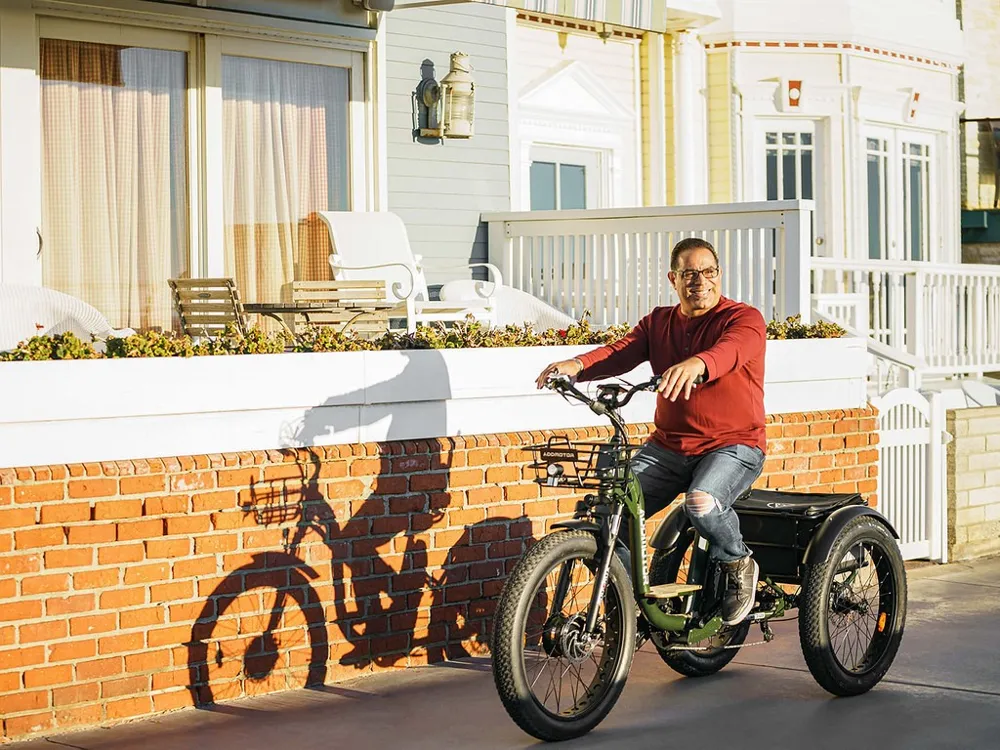
Getting on and off comfortably matters as much as the weight rating. A step-through frame lets you mount without swinging a leg over the saddle, which helps riders with limited hip or knee mobility. Step-through doesn't automatically mean weaker: high-capacity step-throughs are engineered for it, and the Velotric Discover 3 and CityTri carry high ratings with step-through frames. Check the stated limit for the exact frame style you buy, since step-over and step-through versions can differ.
Trikes remove balancing at stops and offer large baskets, but they're wide, heavy and corner differently from bikes; take turns slowly. Our e-bikes for seniors guide covers trikes and low-step frames for riders who want extra stability, and electric trikes are compared separately.
Fit checks for bigger riders:
- Height range: pick the frame size whose listed rider height includes yours. Taller, heavier riders should check that a large size exists.
- Standover: aim for 1 to 2 inches of clearance between your inseam and the top tube when standing over the bike, more on uneven ground.
- Riding position: upright bars and adjustable stems take weight off your hands and wrists.
- Saddle: a slightly wider, supportive bike saddle can help, but wider isn't always better; a suspension seatpost rated for your load often helps more.
- Test ride if you can, or buy from a seller with a clear return policy.
Care and Maintenance for Heavier Loads
Extra weight speeds up wear on a few key parts. A simple routine keeps the bike safe:
| Part | What to Check | How Often |
|---|---|---|
| Tires | Pressure in the upper part of the sidewall range; cuts and wear | Weekly |
| Brake pads and rotors | Pad thickness, rotor wear, lever feel | Every few weeks |
| Spokes | Loose spokes, wheel wobble | After the first weeks, then at every service |
| Bolts | Stem, seatpost, rack and axle bolts at the maker's torque | Monthly |
| Chain and drivetrain | Wear and lubrication | Every few hundred miles |
A yearly shop service is a good idea for any high-mileage e-bike. Our chain cleaning guide covers the drivetrain basics.
Gear and Accessories
- Helmet: choose one that fits your head size correctly; check the maker's size chart for larger sizes. See bike helmets.
- Lock: high-capacity e-bikes are valuable; use a heavy U-lock or chain. See bike locks.
- Racks and panniers: respect the rack rating and keep cargo low. See bike panniers.
- Car racks: heavy e-bikes need racks rated for their weight; see e-bike racks and remove the battery before loading.
- Kickstand: a sturdy dual-leg stand helps when loading a heavy bike.
Related Guides
- Best electric bikes
- Best electric cargo bikes
- Best fat tire electric bikes
- How much does an electric bike weigh?
- Best electric scooters for heavy adults
Frequently Asked Questions
What is the best electric bike for a 300 lb rider?
Pick a bike whose maker states a limit well above 300 pounds once your gear, bags and (if it counts) the bike itself are added. Models listed around 400 pounds or more, such as the Jasion Kago, Jasion Thunder or Aventon Aventure 3, leave more headroom than a typical commuter e-bike.
Does an e-bike's max payload include the rider?
Usually, yes. Most makers' payload or max load figure covers the rider plus everything they carry. Some brands also list a separate, lower maximum rider weight, so read both lines of the spec sheet.
Does the weight limit include the bike itself?
Sometimes. Velotric, for example, describes the Discover 3's 440-pound max load as bike, rider and cargo combined. If the spec sheet doesn't say, ask the maker before you buy.
Can a 400 lb person ride an electric bike?
Only on a bike whose maker states a limit that covers the rider plus gear, and few standard e-bikes do. Electric trikes and cargo e-bikes are where higher ratings are most common; check the maximum rider weight as well as total payload, and ask the maker if it isn't listed.
Are fat tires better for heavy riders?
Fat tires spread the load over more air volume, which adds cushioning and traction, but they're heavier and roll slower on pavement. A well-supported 2.4- to 3-inch tire can also work well for mostly paved riding.
Is it safe to go over an e-bike's weight limit?
No. Overloading can strain the frame, wheels and brakes, lengthen stopping distances and may void the warranty. Leave a margin below the stated limit.
Does rider weight reduce e-bike range?
Yes. More total weight means the motor works harder, especially on hills and from stops, so expect less range than the maker's figure and size the battery with that in mind.